Article Contents:
- Philosophy of wooden balusters: between functionality and beauty
- Wood species: the master's choice
- Oak — aristocrat among species
- Ash — flexibility and elegance
- Beech — versatility and practicality
- Spruce — democratic beauty
- Typology of wooden balusters: variety of forms and styles
- Turned balusters — genre classic
- Milled balusters — technological perfection
- Carved balusters — pinnacle of craftsmanship
- Flat balusters — minimalist elegance
- Dimensional characteristics and proportions
- Manufacturing technologies: from traditions to innovations
- Traditional handcrafting
- Modern CNC technologies
- Stylistic directions in baluster design
- Classic Style — Eternal Elegance
- Baroque style — luxury and theatricality
- Modern — natural motifs and smooth lines
- Modern minimalism — beauty of simplicity
- Technical Aspects of Installation and Fastening
- Ways to Attach to Steps
- Mounting to railings
- Wood processing and protection
- Preparation operations
- Protective Coatings
- Combination with other materials
- Combinations with metal
- Integration with glass
- Maintenance and care
- Regular maintenance
- Preventive Maintenance
- Ecological Aspects
- Sustainable forestry
- Recycling and disposal
- Economic aspects of selection
- Price-to-Quality Ratio
- Pricing factors
- Trends in Modern Design
- Return to naturalness
- Individualization and customization
- Integration of smart technologies
- Regional Characteristics and Traditions
- European influences in Russian interiors
- European Influences
- The future of wooden balusters
- Innovative materials and technologies
- Digital technologies in production
- Manufacturer selection: quality criteria
- Reputation and Experience
- Technical Equipment
- Quality Control System
- Conclusion
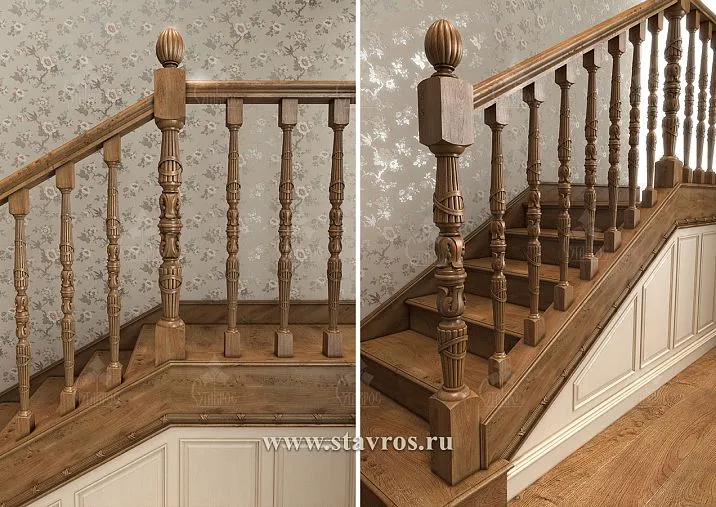
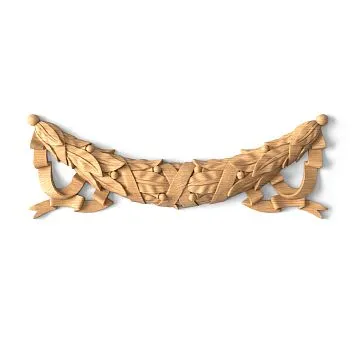
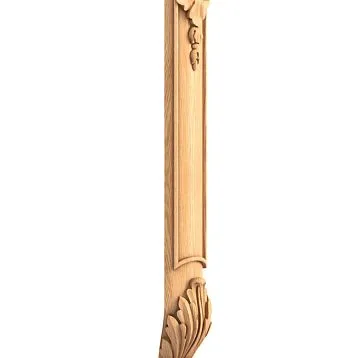
When it comes to creating a staircase that will become a true decoration of the house, it is impossible to overlook one of the most important elements of the structure — wooden balusters. These elegant vertical supports not only support the handrails, but also create a unique atmosphere, transforming an ordinary staircase into a work of architectural art. Wooden baluster photo demonstrates all the variety of forms, styles, and possibilities of this wonderful decorative element.
In the world of modern interior design, wooden balusters occupy a special place. They embody the traditions of craftsmanship passed down from generation to generation, while simultaneously meeting the most current requirements of functionality and aesthetics. Each baluster is not just a structural element, but an opportunity to express individuality, highlight the style of the home, and create a unique atmosphere of coziness.


Philosophy of wooden balusters: between functionality and beauty
A wooden baluster represents a unique synthesis of practicality and artistic intent. Its construction embodies centuries of wisdom from builders who understood that every architectural element must carry not only functional, but also aesthetic load. Modern masters continue this tradition, creating items capable of transforming any space.
The main function of balusters is to ensure safety while moving along the staircase. They create a reliable barrier, preventing accidental falls, and serve as support for handrails. However, their role is far from limited to utilitarian tasks. Balusters form the visual rhythm of the staircase, create play of light and shadow, and add vertical accents to the overall interior composition.
Choosing a material for manufacturing balusters is always a compromise between desired aesthetic effect, project budget, and operating conditions. Wood, in this context, represents an ideal solution, combining natural beauty, relative accessibility, and excellent operational characteristics.




Wood Species: The Master's Choice
Our factory also produces:


Oak — The Aristocrat Among Species
Oak balusters embody nobility and longevity. This wood species possesses exceptional strength and resistance to external influences. The dense structure of oak allows for creating items with intricate detailing that retain their original beauty for decades.
Oak's color palette varies from light golden to rich brown tones. Over time, the wood develops a noble patina, further enhancing its aesthetic appeal. Oak balusters are ideally suited for classic interiors where solidity and respectability are valued.
Get Consultation
Ash — Flexibility and Elegance
Ash balusters are distinguished by their exceptional flexibility and dense structure. This species exhibits high resistance to moisture and mechanical loads, making it an ideal choice for staircases with heavy usage. Ash's light tones, with their characteristic wavy grain, create a sense of lightness and airiness.
Beech — Universality and Practicality
Beech balusters represent an excellent combination of quality and affordability. This species is easy to work with, allowing for the creation of items of the most complex shapes. Beech's uniform structure ensures consistent color and texture, which is especially important when manufacturing sets of balusters.
Spruce — Democratic Beauty
Spruce balusters are a choice for those who appreciate the natural beauty of wood and aim for sensible economy. The resinous structure of spruce provides natural protection against moisture and insects. The characteristic pattern of annual rings creates a unique texture that looks especially striking under transparent lacquered finishes.
Types of Wooden Balusters: Variety of Forms and Styles
Turned Balusters — Genre Classic
Turned balusters represent the most traditional type of products. They are made on lathes, creating symmetrical forms of rotation bodies. A classic turned baluster consists of three main parts: base, central decorative part, and top support for handrails.
The central part can have the most diverse shapes — from simple cylindrical to complex multi-tiered compositions with alternating convex and concave elements. Masters create unique profiles, combining various geometric forms: spheres, discs, cones, cylinders.
Milled Balusters — Technological Perfection
Milled balusters are manufactured using modern milling equipment, allowing for the creation of items with more complex geometry. Their surfaces may feature spiral grooves, twisted elements, longitudinal channels, and other decorative details.
Milling technology opens wide opportunities for creativity. Masters can create balusters with asymmetrical elements, combine different surface treatments, and achieve effects unattainable through traditional turning.
Carved Balusters — the Peak of Craftsmanship
Carved Wooden Balusters are true works of art. Their manufacture requires the highest level of craftsmanship and artistic taste. Each carved baluster is unique, bearing the imprint of the master's individuality and reflecting the cultural traditions of the region.
Carving can be either relief or openwork. Relief carving creates a play of light and shadow on the baluster's surface, emphasizing the volume of forms. Openwork carving gives the item a special lightness and elegance, creating a lace-like airy effect.
Flat Balusters — Minimalist Elegance
Flat balusters are distinguished by simple forms and minimalist design. They have rectangular or elliptical cross-sections and can be adorned with simple geometric elements or remain completely smooth.
This type of baluster is ideal for modern interiors in minimalist, high-tech, or Scandinavian design styles. Their simplicity does not mean primitiveness — properly chosen proportions and quality surface finishing create an effect of restrained elegance.
Dimensional Characteristics and Proportions
The standard height of wooden balusters is 900 millimeters, providing a comfortable handrail height for most people. However, this parameter may vary depending on specific project conditions and the client's individual preferences.
The diameter or cross-section of balusters is chosen based on overall staircase proportions and stylistic requirements. For turned balusters, the typical diameter ranges from 40 to 80 millimeters. Too thin balusters may appear fragile and fail to provide sufficient structural rigidity, while overly thick ones create a sense of heaviness and may visually weigh down the staircase.
The distance between balusters is another important parameter affecting both safety and aesthetic perception. According to building codes, the gap between balusters should not exceed 150 millimeters to prevent children from slipping through. From an aesthetic standpoint, the optimal distance is 100–120 millimeters, creating a harmonious visual rhythm.
Manufacturing technologies: from traditions to innovations
Traditional Handcrafted Production
Handcrafted wooden balusters are an art requiring years of experience and deep understanding of wood properties. The master works individually with each blank, considering the texture and structure of the specific piece of wood.
The process begins with careful material selection. Blank materials must be well-dried, free of knots, cracks, and other defects. The master studies the grain direction, planning the placement of decorative elements in accordance with the natural wood pattern.
Turning is performed on a lathe using various cutters. Each tool is designed for creating specific forms: roughing cutters for initial shaping, finishing cutters for fine turning, and gouges for creating internal cavities. An experienced master can create complex profiles using only hand tools.
Modern CNC technologies
Computer Numerical Control (CNC) machines have revolutionized the production of wooden balusters. They enable the creation of items with perfect geometry and absolute repeatability of parameters. Computer control ensures processing accuracy down to fractions of a millimeter.
CNC machining of the baluster begins with creating a 3D model in specialized software. The designer can experiment with shapes, create complex compositions, and model various decorative options. After design approval, the program automatically generates control code for the machine.
The advantages of CNC processing are obvious: high productivity, perfect repeatability, and the ability to create complex shapes unattainable with manual processing. However, many connoisseurs still prefer handcrafted items, seeing special charm and individuality in minor deviations from perfect geometry.
Stylistic directions in baluster design
Classic Style — Eternal Elegance
Classic wooden balusters embody principles of ancient architecture adapted to modern conditions. Their proportions are based on the golden ratio and other mathematical laws, creating a sense of harmony and perfection.
A typical classical baluster consists of a base, shaft, and capital, mirroring the structure of an architectural column. The base ensures stability and visual completion of the lower part. The shaft may be smooth or adorned with fluting — vertical grooves. The capital crowns the composition, creating a smooth transition to the handrail.
Decorative elements of classical balusters include various moldings, beads, astragals, and other architectural details. Their combination creates a rich play of light and shadow, giving the item volume and expressiveness.
Baroque style — luxury and theatricality
Baroque balusters are distinguished by exceptional opulence and ornamentation. This style features complex curved forms, abundance of decorative elements, and dynamic compositions. Wooden balusters photo in the Baroque style demonstrate the full luxury and grandeur of this direction.
Characteristic elements of Baroque balusters are spiral volutes, vegetal ornaments, mascarons, and cartouches. The surface may be adorned with gilding, patination, or other decorative finishes, enhancing the effect of luxury.
Modern — natural motifs and smooth lines
The Modern style brought a new understanding of beauty to baluster design, based on imitation of natural forms. Balusters in the Modern style often imitate plant stems, tree branches, and flower buds.
Characteristic features include asymmetrical compositions, smooth transitions of forms, absence of straight lines and sharp angles. Decorative elements draw inspiration from flora and fauna: leaves, flowers, insects, and birds become sources of artistic imagery.
Modern minimalism — beauty of simplicity
Minimalist balusters are distinguished by extreme simplicity of form and absence of decorative excesses. Their beauty lies in perfect proportions, quality of surface finish, and harmonious integration with the overall interior design.
Simple geometric shapes — cylinders, prisms, cones — become the basis of composition. Emphasis is placed on the natural beauty of wood, its texture, and color. Minimalist balusters are ideally suited for modern interiors, where functionality and restrained elegance are valued.
Technical aspects of installation and mounting
Ways of mounting to steps
Secure mounting of balusters to steps is the guarantee of safety and longevity of the entire structure. There are several main mounting methods, each with its own advantages and areas of application.
Mounting on dowels is the most common method. A hole is drilled at the bottom of the baluster, into which a metal dowel is inserted. A corresponding hole is made in the step or sub-baluster. This method ensures secure connection and allows easy removal of balusters for repair if necessary.
Mounting on wooden dowels — a traditional method using exclusively natural materials. Dowels are made from hardwood and inserted into the connected parts. This method is especially popular in restoring historical objects, where preserving the authenticity of the structure is important.
Mounting with screws — the simplest and fastest mounting method. A screw is screwed into the step so that its threaded part protrudes above the surface. The baluster is screwed onto the screw through a previously drilled hole. This method ensures high mounting speed but may be less aesthetically pleasing.
Mounting to handrails
The upper part of balusters is mounted to handrails or handrail supports in various ways. The most common method is using dowels or wooden dowels, similar to mounting to steps. It is important to ensure precise positioning of balusters so that they stand strictly vertically.
When mounting to handrails of complex shapes, individual fitting of each baluster may be required. The upper part is cut at the required angle to ensure tight fitting to the inclined surface of the handrail.
Wood Processing and Protection
Preparation operations
Quality surface treatment is the foundation of durability and aesthetic appeal of wooden balusters. The process begins with careful sanding, performed in several stages with gradually decreasing abrasive grit.
Initial sanding removes traces of mechanical processing, levels the surface, and eliminates minor defects. Subsequent stages provide the surface with the necessary smoothness and prepare it for applying protective coatings.
Special attention is paid to sanding complex profiles and hard-to-reach areas. For this purpose, special abrasive materials and tools are used: profile sanding blocks, flexible abrasives, sanding belts.
Protective coatings
The choice of protective coating depends on the conditions of use, desired appearance, and project budget. Modern lacquer coatings provide reliable protection of wood against moisture, ultraviolet radiation, mechanical damage, and biological factors.
Transparent lacquers preserve the natural beauty of wood, highlighting its texture and color. Polyurethane lacquers provide high wear resistance and chemical resistance. Alkyd lacquers have good penetration and create an elastic coating.
Staining products allow you to change the color of wood, imitate valuable species, and create an aging effect. Stains penetrate into the wood structure, coloring it in bulk. Lacquers create a semi-transparent colored coating that preserves the visibility of the texture.
Waxes and oils are natural protective coatings that highlight the natural beauty of wood and create a pleasant-to-touch surface. They require regular renewal but allow for localized repair without complete sanding.
Harmony with wooden elements
Combinations with metal
Combining wood and metal in baluster construction opens up wide possibilities for creating original design solutions. Metallic elements can serve both decorative and structural functions.
Wrought iron inserts add special elegance and individuality to wooden balusters. Ornamental metal elements create an interesting play of light and shadow, adding lightness to massive wooden forms. Patinated bronze, aged iron, polished steel — each metal creates its own unique effect.
Structural use of metal allows creating balusters of complex shapes, unattainable using wood alone. A metal frame ensures strength and rigidity, while wooden elements create a warm, cozy atmosphere.
Integration with glass
Glass inserts in wooden balusters create an effect of lightness and modernity. Transparent glass visually expands space, does not hinder light transmission. Colored or textured glass becomes an independent decorative element.
Manufacturing technology for combined balusters requires high precision and special equipment. Wooden elements must be made to accommodate glass insert dimensions, ensuring a secure and airtight connection.
Care and Maintenance
Regular Maintenance
Wooden balusters require regular care to maintain their beauty and functionality. Daily cleaning involves removing dust with a soft cloth or specialized wood care products.
Wet cleaning should be performed with particular care. Excessive moisture may cause wood deformation and stains on lacquered surfaces. It is recommended to use slightly damp cloth and immediately dry the surface thoroughly.
Periodically, more thorough cleaning with specialized products is necessary. They remove dirt, restore the coating’s gloss, and provide additional protection.
Preventive maintenance
Timely detection and removal of minor defects prevent them from developing into serious problems. Minor scratches and scuffs can be removed by local sanding and repainting.
More serious damage requires professional intervention. Wood cracks should be filled with special compounds, and damaged coating areas should be restored according to proper technology.
Ecological aspects
Sustainable Forestry
Choosing wood from sustainably managed forests is an important aspect of ecological responsibility. FSC (Forest Stewardship Council) certification guarantees that the wood is obtained in accordance with ecological and social standards.
Using local wood species reduces the product’s carbon footprint, supports the local economy, and ensures better adaptation to regional climatic conditions.
Recycling and disposal
At the end of their service life, wooden balusters can be recycled or disposed of in an environmentally safe manner. Wood is a biodegradable material that does not harm the environment.
Quality products can serve for decades, and when replacement is needed, they can be repurposed in other projects after appropriate processing.
Economic aspects of selection
Price-to-quality ratio
The cost of wooden balusters depends on many factors: wood species, processing complexity, order volume, manufacturer’s reputation. It is important to find the optimal price-to-quality ratio, considering long-term usage prospects.
Cheap products made from low-quality wood may require replacement within a few years, while quality balusters can last for decades. The right choice is an investment in the longevity and beauty of interior design.
Pricing Factors
Wood species is the primary factor affecting cost. Valuable species (oak, beech, walnut) cost significantly more than coniferous species (pine, spruce). However, their superior performance characteristics justify the additional cost.
Processing complexity directly affects labor costs and, consequently, product cost. Simple turned balusters are cheaper than carved or milled ones. Handwork always costs more than machine processing.
Order volume also affects price. Large batches allow optimizing production processes and reducing the cost per unit.
Trends in modern design
Return to naturalness
Modern interior design trends are characterized by a return to natural materials and eco-friendliness. Photo of wooden balusters in modern interiors demonstrate how traditional materials find new embodiment in current stylistic solutions.
Wood is valued not only for its aesthetic qualities but also for its ability to create a healthy microclimate in rooms. Natural wood regulates humidity, absorbs harmful substances, and creates a sense of comfort and coziness.
Individualization and customization
Modern consumers increasingly prefer individual solutions reflecting their personality and lifestyle. Manufacturers respond to this demand by offering services for custom baluster production.
Modern technologies enable the realization of the most daring design ideas. 3D modeling, CNC machines, laser cutting open new horizons for creativity.
Integration of smart technologies
The development of the "smart home" concept also involves traditional elements such as stair balusters. They can be integrated with lighting systems, motion sensors, and security system components.
LED lighting built into the balusters creates an impressive staircase illumination, enhancing safety during nighttime movement. Wireless technologies allow remote control of lighting and the creation of various lighting scenarios.
Regional characteristics and traditions
Russian traditions of wooden architecture
Russian craftsmen have rich traditions of working with wood, accumulated over many centuries. Russian balusters are distinguished by their solidity, durability, and harmonious proportions.
Traditional Russian motifs include floral ornaments, geometric patterns, stylized depictions of animals and birds. These elements seamlessly integrate into modern interiors, creating a connection with cultural roots.
European influences
European styles have significantly influenced the development of Russian decorative and applied arts. Baroque, Rococo, Classicism, and Modernism — each style brought its own characteristics to the design of architectural elements.
Modern Russian craftsmen successfully adapt European traditions to local conditions and preferences, creating unique items that combine the best features of various cultures.
The Future of Wooden Balusters
Innovative materials and technologies
Advancements in wood processing technologies open new opportunities for creating unique items. Thermal modification of wood improves its operational characteristics, increases dimensional stability, and enhances resistance to biological factors.
Composite materials based on wood combine the advantages of natural wood and modern polymers. They exhibit increased strength, moisture resistance, and require minimal maintenance.
Digital technologies in production
The introduction of digital technologies fundamentally changes approaches to designing and producing wooden balusters. Virtual and augmented reality allow clients to visualize future products within interiors even during the design stage.
Artificial intelligence helps optimize production processes, forecast demand, and personalize offers for each client.
Choosing a Manufacturer: Quality Criteria
Reputation and experience
Choosing a manufacturer of wooden balusters is a responsible decision that affects the quality and longevity of the products. A company's reputation, built over years of operation, is a reliable indicator of product quality.
Experienced manufacturers possess deep knowledge of the properties of various wood species, master modern processing technologies, and have a well-established quality control system.
Technical equipment
Modern production of wooden balusters requires high-tech equipment. CNC machines, drying chambers, and painting lines — all of these influence the final product quality.
Investments in modern equipment indicate the seriousness of the manufacturer's intentions and their orientation toward long-term development prospects.
Quality Control System
A reliable quality control system is a guarantee of consistently high product quality. It must cover all production stages: from raw material inspection to final inspection of finished products.
Certification of products according to international standards confirms compliance with safety and quality requirements.
Conclusion
Wooden balusters represent a unique combination of functionality, beauty, and craftsmanship traditions. They can transform any staircase, turning it from a utilitarian structure into a work of art. Proper selection of wood species, processing style, mounting method, and protective coating ensures the longevity and aesthetic appeal of the products.
Modern technologies open new creative opportunities, allowing the creation of unique items reflecting the client's individuality. At the same time, it is important not to forget the craftsmanship traditions accumulated by generations of artisans.
Wooden Balusters Photos Visually demonstrate the wide range of possibilities of this remarkable architectural element. Each baluster is not just a functional detail — it is an opportunity to express individuality and create a unique atmosphere in the home.
Investing in quality wooden balusters is an investment in beauty, comfort, and longevity. They pay off not only financially, but also in daily enjoyment of beauty, pride in one's home, and confidence in its reliability and safety.
For many years, the company STAVROS has specialized in producing high-quality wooden items, including balusters for staircases. By combining traditional wood processing methods with modern technologies, STAVROS creates items distinguished by flawless quality, durability, and aesthetic appeal. Each baluster produced by STAVROS is the result of careful material selection, professional craftsmanship, and strict quality control at every production stage.