Article Contents:
- Overview of main functions and types of balusters in staircase construction
- Introduction: the role of balusters in staircase architecture
- History and evolution of balusters
- Main functions of balusters
- Protection and safety
- Decorative function
- Additional structural support
- Types of balusters by material
- Wooden Balusters
- Metal Balusters
- Forged balusters
- Concrete and composite balusters
- How to choose a baluster: practical tips
- Defining the style and purpose of the staircase
- Material Selection and Manufacturing Technology
- Technical parameters and safety standards
- Ergonomics and aesthetics: how to combine comfort and beauty
- Care and longevity tips for balusters
- Proper care for wooden balusters
- Care for metal and wrought iron balusters
- Longevity through proper installation
- Design and modern trends in choosing balusters
- Playing with textures and forms
- Influence of interior design on baluster selection
- Experiments with color and finish
- Practical examples and expert recommendations
- Real-life examples
- Professional recommendations for selection
- Conclusion: why choosing balusters is a responsible matter
- Final thoughts and call to action
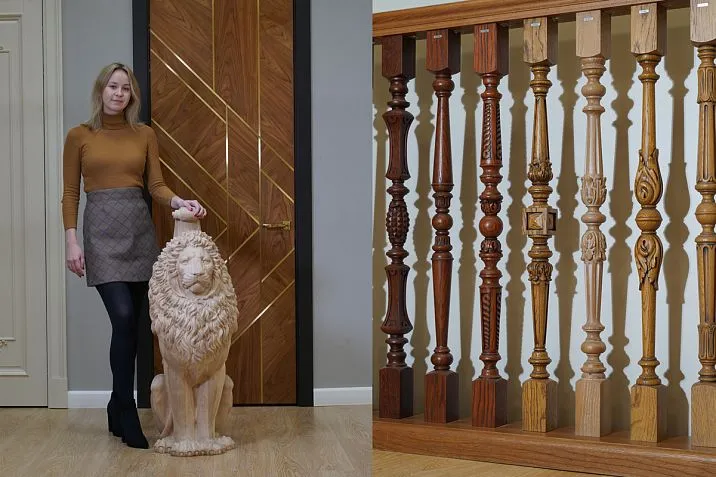


Overview of main functions and types of balusters in staircase construction




Introduction: the role of balusters in staircase architecture
A staircase is not just a means of moving between floors, but a true architectural element that sets the tone for the interior of your home. A baluster, being an essential part of the railing, combines the functions of safety, decoration, and structural support. Every element of the staircase construction must work in harmony with the overall interior design concept, and the correct choice of balusters affects not only the aesthetic appearance but also the reliability of the structure.
where products meeting the highest quality standards are presented.staircase components and elementswhere products meeting the highest quality standards are presented.
Our factory also produces:


Balusters as an element of architectural decoration have deep historical roots. Even in ancient times, architects aimed not only to ensure the functionality of buildings but also to give them aesthetic completeness. Over time, the role of balusters changed: from simple protective elements, they became refined decorative details reflecting the spirit of the era.
During the classical period, balusters were adorned with intricate carved patterns, while in the modern era — with minimalist lines and forms. Today, designers can combine traditional motifs with innovative material processing technologies, enabling the creation of truly unique stair ensembles.
During the classical period, balusters were adorned with intricate carved patterns, while in modern style they feature minimalist lines and forms. Today, designers can combine traditional motifs with innovative material processing technologies, enabling the creation of truly unique stair ensemble designs.
Get Consultation
Main functions of balusters
Protection and Safety
The first and most important function of balusters is ensuring the safety of users of the staircase. They serve as a barrier preventing falls from the stairs, especially relevant for families with children and elderly people. Reliable mounting of balusters is the guarantee of the entire structure's stability, so when choosing, it is necessary to strictly adhere to construction norms and recommendations.
Decorative Function
Balusters are also a decorative element. Depending on the chosen interior style, balusters can be made in classical, modern, or even industrial style. Thanks to the variety of materials and processing technologies, each baluster can become a striking accent in the interior, highlighting the individuality and taste of the owners. For example,balusters for staircases made of solid wood will give a warm and cozy look, while metal variants — a modern and strict style.
Additional Structural Support
In conjunction withstaircase posts andstaircase handrailsbalusters ensure secure mounting and load distribution, which is especially important under intensive use.
Types of Balusters by Material
The modern market offers a wide variety of balusters made from different materials. The choice depends on design preferences, usage conditions, and budget.
Wooden balusters
Wood is a material with a rich history and unique texture, creating a sense of warmth and coziness. Wooden balusters can be crafted in a classical style with intricate carving or in a more strict minimalist design. Such items harmoniously fit into interiors of both traditional homes and modern apartments.
Advantages of wooden balusters:
● Natural beauty and uniqueness of each wood species.
● Possibility of processing and creating original decorative elements.
● Warm, 'alive' appearance that gives the interior a special charm.
However, wood requires regular maintenance: periodic treatment with protective compounds prevents deformation and preserves the appearance for many years. If you plan to use wooden balusters, ensure they are compatible with other staircase components, such as stair posts and handrails.
Metal Balusters
Metal is the choice for those who appreciate modern style and long-lasting construction. Metal balusters are characterized by high strength, resistance to external influences, and minimal maintenance requirements. They can have either strict geometric forms or more refined decorative lines, created using modern processing technologies.
Features of Metal Balusters:
● High strength and durability.
● Wide design possibilities due to modern technologies (stamping, laser cutting, polishing).
● Ease of combination with other materials, such as wood or glass.
When choosing metal balusters, it is important to consider the need for anti-corrosion protection, especially if the structure is located in high-humidity conditions or exposed to outdoor use. Quality coatings allow maintaining the original appearance of the items for many years.
Wrought Iron Balusters
Wrought iron balusters are true works of art, created by hand by artisans. Wrought iron requires a high level of skill and creative approach, so each such baluster is unique. Wrought iron items are especially popular in classical and rustic interiors, where handcrafted labor and historical tradition are valued.
Advantages of Wrought Iron Balusters:
● Unique, exclusive design that cannot be replicated by mass production.
● High decorative value and artistic appeal.
● Ability to create complex patterns and decorative elements.
Despite their higher cost, wrought iron balusters remain popular due to their aesthetics and durability. They can become a central element of interior design, attracting attention and impressing guests.
Concrete and combined balusters
Concrete balusters have gained popularity in industrial and loft interiors. They possess a harsh yet elegant appearance, allowing for the creation of a minimalist and strict effect. Combined variants, where concrete is paired with wood or metal, enable achieving harmony between cool and warm tones.
Advantages of concrete balusters:
● High wear resistance and strength.
● Ability to create modern, industrial looks.
● Easy maintenance and minimal servicing requirements.
Combined balusters allow you to get the best of both worlds: the aesthetics and warmth of natural materials, as well as the strength and durability of concrete. This choice is especially relevant for those who aim to create a unique design solution, combining classic and modern elements.
How to Choose a Baluster: Practical Tips
Defining the style and purpose of the staircase
First, when choosing balusters, you need to determine the style of your interior. Balusters should not only match the overall concept but also highlight the individuality of your space. Decide whether you want to create an atmosphere of classic elegance, modern minimalism, or industrial chic. This choice affects not only the appearance but also the material, shape, and finish of the items.
Pay special attention to safety. If children or elderly people live in the house, balusters must provide reliable protection. Sometimes you have to compromise between aesthetics and functionality, but modern technologies allow achieving an ideal balance.
Choosing material and manufacturing technology
As already discussed, each group of materials has its own advantages and characteristics:
● Wood will provide warmth and naturalness, but requires regular maintenance.
● Metal ensures durability and a modern look, but requires quality anti-corrosion protection.
● Wrought iron items are suitable for those who appreciate exclusivity and handcrafted work.
● Concrete and combined variants will be the choice for industrial style.
When choosing balusters, it is important to pay attention to the quality of processing. High-precision technologies and experience of manufacturers allow minimizing the likelihood of deformation and wear. Modern manufacturers often offer ready-made sets of elements, where each baluster is already perfectly coordinated with staircase posts and handrails. This significantly simplifies the installation process and guarantees compliance with all construction standards.
Technical parameters and safety standards
It should not be forgotten that every staircase must comply with strict construction standards. The height of balusters, the distance between them, and the quality of fasteners—all these parameters are regulated and must be followed. Before purchasing, it is recommended to carefully study the technical documentation and consult professionals if necessary.
It is important that the selected balusters are not only beautiful but also safe. Reliable fastening of elements guarantees the absence of loosening and deformation even under intensive use. If you have any doubts, you can always consult specialists who will help you correctly select and install all necessary elements.
Ergonomics and aesthetics: how to combine comfort and beauty
A baluster is not just a decorative element, but part of an integrated system in which each component contributes to the overall result. Harmonious combination of style, shape, and functionality makes the staircase the focal point of the interior. Do not underestimate the significance of small details: properly selected balusters for staircases can transform the space, giving it a unique character.
Modern designers recommend experimenting with shapes and finishes. Using contrasting materials such as wood and metal allows achieving an effect of originality and depth. It is important that all elements—from posts to handrails and evennewel posts for posts —are coordinated with each other and correspond to the overall concept.
Care and longevity tips for balusters
Proper care for wooden balusters
Wooden balusters require regular maintenance to preserve their beauty and functionality. Using protective coatings, special oils, or varnishes will help prevent damage from moisture, ultraviolet light, and other negative factors. Regular treatment not only extends the lifespan but also highlights the natural wood texture, making it more expressive.
Special attention should be paid to attachment points, where micro-cracks and moisture accumulation may occur. Quality care and timely repairs will help avoid deformations and maintain the item's aesthetic appearance.
Care for metal and wrought iron balusters
Metal balusters require anti-corrosion protection. Regular application of special coatings or varnishes will protect the metal from rust and external damage. Inspecting connection points and fasteners will help identify early signs of wear, allowing timely measures for restoration.
Wrought iron balusters are generally less demanding in terms of care, but their uniqueness and intricate decorative patterns require careful cleaning. Use gentle cleaning agents and avoid aggressive chemicals to prevent damage to the metal structure.
Durability through proper installation
Regardless of the material chosen, the durability of balusters largely depends on quality installation. Secure fastening, adherence to all construction standards and recommendations from specialists will ensure safe operation of the staircase. If you are unsure of your abilities, it is better to rely on professionals—the results will not disappoint.
Design and modern trends in choosing balusters
Play of textures and forms
Modern interiors require not only functionality but also originality. Balusters can become true works of art if you correctly choose the shape, texture, and finish. Combining smooth surfaces with carved elements, using matte and glossy coatings, playing with light and shadow—all this helps create unique design solutions.
Today, both minimalist solutions and items with rich decorative finishes are popular. Do not be afraid to experiment—only an original approach can attract attention and make your staircase the centerpiece of the interior.
Influence of interior design on baluster selection
Baluster selection directly depends on the interior style. Traditional carved patterns suit classic interiors, while modern spaces are better suited to strict geometric forms. If the house is styled in an industrial style, concrete or metal balusters are optimal, as they can emphasize the character of the space.
Together with staircase posts and handrails, balusters should create a harmonious ensemble, where each detail complements the other. This approach ensures not only safety but also aesthetic unity of the structure.
Experiments with color and finish
Do not limit yourself to standard solutions. Modern processing technologies allow using various shades and textures, enabling experimentation with baluster finishes. Color choices can become an accent, highlighting the staircase against the overall interior, or, conversely, blend in to create a seamless transition between spaces.
Practical examples and expert recommendations
Real-life examples
To demonstrate how to properly select and install balusters, we provide several examples. In a country-style private home, wooden balusters with elegant carved detailing, combined with sturdy staircase posts and elegant handrails, create an atmosphere of coziness and vintage charm. In another example—a modern office interior, where minimalist metal balusters, clean lines, and thoughtful ergonomics make the staircase a functional and stylish element of the workspace.
These examples show that baluster selection depends not only on personal preferences but also on the functional requirements of the space. Every designer understands that properly chosen elements can transform the overall perception of the space.
Expert recommendations for selection
Professional designers and builders emphasize several key points:
● Quality of materials. Prefer proven manufacturers whose products meet high standards.
● Consistency of elements. The baluster must harmonize with other components of the staircase structure: staircase posts, handrails, and evenfinialsOnly a comprehensive approach guarantees safety and aesthetic completeness.
● Technical specifications. Pay attention to dimensions, height, and spacing between balusters—all these parameters are critically important for ensuring the structural reliability.
● Aesthetics and functionality. Do not choose solely based on appearance. Remember that a baluster is an element subjected to daily loads, so a compromise between beauty and strength must be achieved during selection.
Conclusion: why choosing balusters is a responsible matter
In summary, we can confidently say that a baluster is not just a decorative element but a key component of the staircase structure, determining not only its appearance but also the safety of your staircase. The modern market offers a wide range of products: from warm wooden options to contemporary metal and industrial concrete solutions.
The key point is the proper balance of aesthetics, functionality, and durability. Regardless of the material you choose, the quality of installation and adherence to all technical standards play the most important role. With the right approach, your staircase will become not only a convenient means of moving between floors but also a true interior decoration.
If you are still unsure about your choice, we recommend visiting the specialized section for stair components and elements, where you will find numerous options to create the perfect staircase. Quality stair balusters, stair posts, handrails, andNewel posts – all these elements will help create a harmonious, safe, and stylish staircase.
Final thoughts and call to action
Modern trends require us not only to follow fashion trends but also to care about the functionality and safety of our homes. A baluster is a detail that can radically change the appearance of your home. It is an opportunity to express individuality, highlight your taste, and at the same time ensure reliable protection for your entire family.
Dear readers, do not compromise on quality! Invest in high-quality materials, thoughtful design, and professional installation. Every detail, whether it be stair balusters, stair posts, or handrails, must meet high standards of safety and aesthetics. Carefully study technical specifications, do not hesitate to ask manufacturers and specialists questions—because your choice determines the reliability and beauty of the interior.
Let your staircase become a true work of art—a harmonious blend of functionality, safety, and design. Only in this way can you create a space where you want to live, create, and be inspired every day.
In conclusion, we would like to remind you: every staircase reflects your lifestyle. Approach baluster selection with thoughtfulness, experiment, and do not be afraid of innovations. Because a quality and stylish staircase is not just an interior element, but an important detail capable of transforming the entire surrounding space.
We hope this material helped you understand the variety of options, provided practical recommendations, and inspired you to create a unique and safe interior. May every detail, from baluster mounting to component selection, speak of your impeccable taste and pursuit of perfection.
Boldly proceed with implementing your design ideas and remember: a quality staircase is not only convenient but also a source of inspiration reflecting the individuality of your home.