Article Contents:
- 1. What is wooden molding and why is it so popular
- 1.1. Definition and functions of molding
- 1.2. Advantages of wood
- 2.1. By wood species
- 2.2. By profile and shape
- 2.3. By finishing method
- 3.1. Ceiling and walls
- 3.2. Framing door and window openings
- 3.3. Framing mirrors, paintings, and photographs
- 3.4. Creating panels and decorative inserts
- 4.1. Matching the interior style
- 4.2. Consider room dimensions
- 4.3. Wood species and color
- 4.4. Manufacturing quality
- 5.1. Specialized Stores and Showrooms
- 5.2. Online stores
- 5.3. Custom Order
- 6.1. Surface preparation
- 6.2. Cutting and fitting
- 6.3. Mounting
- 6.4. Final finishing
- 8.1. Classic interior
- 8.2. Neoclassicism
- 8.3. Provence, country, and shabby chic
- 8.4. Minimalism and Scandinavian style
- 8.5. Loft and industrial style
In today's world of interior design, every detail can play a decisive role in forming the overall style and atmosphere of a space. From wall texture and ceiling color to the smallest decorative elements — all of this affects the perception of space and the mood it creates. One of the key, yet often underestimated, components of decoration is molding, which can give a room completeness, expressiveness, and coziness. Especially in demand are moldings made of natural wood, as they carry the warmth of natural material and harmoniously combine with various finishes. If you wantwooden molding buy and make your interior truly stylish, this article will help you understand the features of wooden moldings, their types, methods of use and installation.





1. What is wooden molding and why is it so popular




1.1. Definition and functions of molding
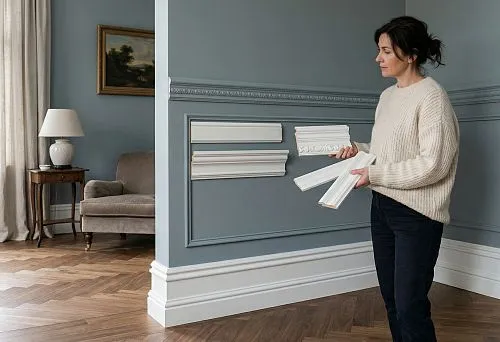
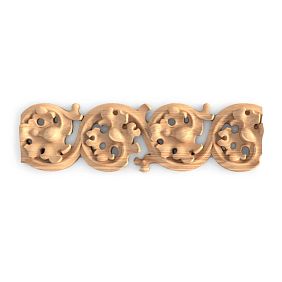
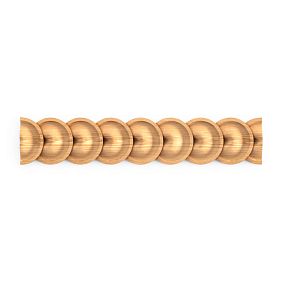
Molding is a decorative strip traditionally used to finish the junction between walls and ceilings, as well as to frame various items (mirrors, paintings, panels). Molding performs several functions:
- Decorative. Gives the interior a finished look, emphasizes the style and focal points of the room.
- Protective. Can conceal wall and ceiling imperfections, as well as protect junction areas from damage and dirt.
- Structuring. Helps visually zone the space, highlight accent walls or decorative objects.
When it comes to wooden molding, the natural aesthetics of wood take center stage. The warm texture and unique grain pattern impart the interior with a special atmosphere of coziness and elegance.
Our factory also produces:




1.2. Advantages of wood
- Ecological. Wood is a natural material that does not emit harmful substances. Modern technologies allow producing molding from solid wood that meets high ecological standards.
- Durability. With proper care, wooden molding can retain its original appearance for decades.
- Aesthetics. No artificial material can match the depth and natural beauty of wood texture.
- Versatility. Wooden moldings suit almost any style—from classic to minimalism, provided you choose the right shape and finish.
Thus,wooden molding buy — means betting on quality, durability, and natural beauty.
2. Types of wooden moldings
Get Consultation
2.1. By wood species
- Spruce. The most affordable and common option. It is soft and easy to process, but less resistant to impacts and moisture.
- Fir. Similar in properties to spruce, it has a pleasant light texture.
- Oak. A more expensive option, but also more durable. It has a beautiful, expressive grain and is renowned for its longevity.
- Ash. It has high hardness and an eye-catching wood grain pattern.
- Beech. Easily processed, it has a dense structure and smooth texture.
- Exotic species (wenge, merbau, palisander, etc.). Used for luxury interiors, they have unique shades and properties, but cost significantly more.
2.2. By profile and shape
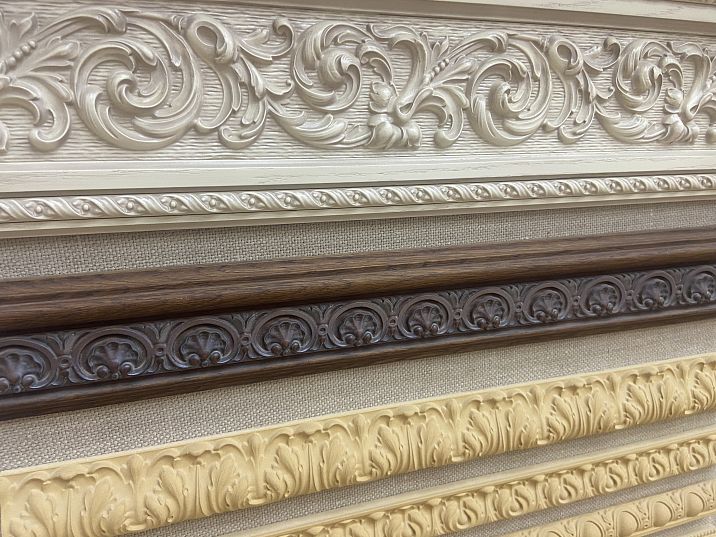
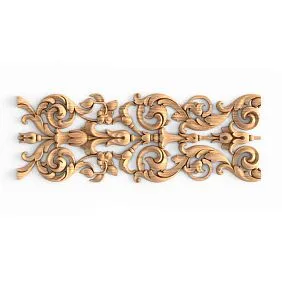
- Classic decorative moldings. They feature carved elements, patterns, and scrolls. Used in baroque, rococo, empire, and classical interiors.
- Straight profile. Strict lines, minimalist design. Ideal for modern styles (minimalism, high-tech, scandi).
- Rounded profile. A universal solution that complements most design directions—from neoclassicism to country style.
- Hand-carved moldings. Exclusive models with artistic carving, capable of becoming the central accent of the interior.
2.3. By finish type
- Natural finish (varnish, oil). Preserves wood texture, gives the surface gloss or matte finish.
- Painting. Wooden moldings can be painted in any color, which is convenient if you need to match them to a specific color scheme or create contrast.
- Patina and brushing. Give an aged look, highlight wood grain texture, and create a vintage effect. Suitable for Provence, shabby chic, and country styles.
- Plywood veneer. Veneer of valuable woods is glued onto a base of inexpensive species, making the product more affordable while retaining the appearance of expensive solid wood.
3. Where wooden moldings can be used
3.1. Ceiling and walls
The most common application is decorating the junction between ceiling and walls. Here, molding serves not only an aesthetic but also a protective function: it hides unevenness and prevents plaster from falling. In classic interiors, decorative moldings are often used, while in modern interiors—straight or slightly rounded profiles.
3.2. Framing door and window openings
Instead of standard casing, you can installWooden molding around the perimeter of door or window openings. This solution makes the interior more original and gives it individuality. It looks especially striking in rooms with high ceilings or arched openings.
3.3. Framing mirrors, paintings, and photographs
Wooden molding is a classic option for framing mirrors and paintings. It not only protects the edge of the canvas or glass but also enhances the artistic image. Depending on the style of the painting and interior, you can choose a decorative or minimalist profile. If it’s about photographs, wooden molding will give them a special warmth and soul.
3.4. Creating panels and decorative inserts
In classic and neoclassical interiors, wooden panels on walls, divided by moldings into sections, are often used. This can be full wall cladding or individual decorative inserts. This technique adds depth and volume to the room, making it more cozy and luxurious.
4. How to choose wooden molding correctly
4.1. Matching interior style
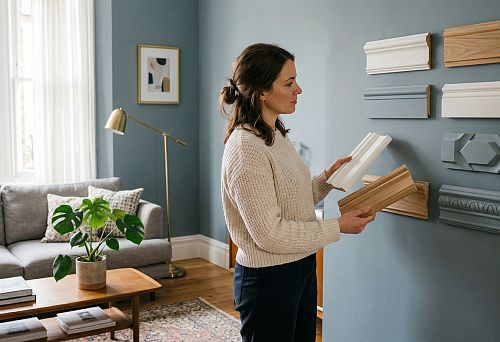
First, pay attention to the style of your space. Classic interiors require more complex, carved forms, while modern styles favor simple and strict lines. If you’re unsure, it’s better to choose universal models with rounded profiles and natural finishes.
4.2. Consider room dimensions
● High ceilings. You can use wide moldings with carved elements.
● Low ceilings. It’s better to choose narrow and simple moldings to avoid visually 'eating up' space.
● Spacious rooms. Allow installing bold and expressive moldings that will become a striking accent.
● Compact rooms. It’s recommended to limit yourself to thin profiles and light shades to avoid overloading the interior.
4.3. Wood species and color
When choosing wood species, consider not only budget, but also shade, texture, and strength. If you have wooden floors, doors, or furniture in the room, try to match or contrast the molding to emphasize it.
4.4. Manufacturing quality
QualityWooden molding Should not have knots, cracks, chips, or signs of uneven processing. The surface should be smooth, without burrs, and the profile should be clear and symmetrical. Pay attention to the finish: it should be applied evenly, without streaks or spots.
5. Where and how to buy wooden molding
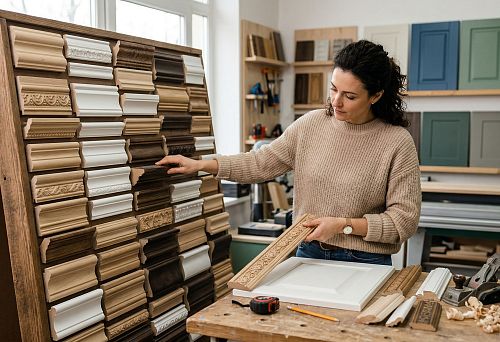
5.1. Specialized stores and design boutiques
In construction and finishing hypermarkets, as well as in showrooms specializing in wooden products, you can find a wide variety of moldings. Advantages of this purchasing method:
● Opportunity to evaluate quality, color, and texture in person.
● Consultations with sales staff and designers.
● Often you can order non-standard sizes or finish variations.
5.2. Online stores
Today, online spaces offer a vast selection of finishing materials, including moldings. One proven option isPogonazh iz massiva from a reliable manufacturer, where you canwooden molding buy with delivery to any region. Main advantages of online stores:
● Wide selection and ability to compare prices.
● Reviews from other customers and detailed product descriptions.
● Time and effort savings, as you don’t need to visit stores.
When buying online, it’s important to clarify delivery terms, warranty availability, and return policy in case of non-conformity.
5.3. Custom order
If you have a non-standard project or wish for an exclusive molding model, you can contact private craftsmen or woodworking workshops. There, moldings will be made according to your sketches from the desired wood species and taking into account all your preferences. This approach allows obtaining a unique result, but may cost more and take longer.
6. Installing wooden molding: step-by-step guide
6.1. Surface Preparation
- Clean walls and ceiling from dust, dirt, and old finishing materials.
- If necessary, level the surface, fill cracks and chips.
- Make markings: indicate where the molding will be mounted.
6.2. Cutting and fitting
- Measure the required length of the molding, taking angles into account.
- Carefully cut off excess at an angle (usually 45°, but another angle may be needed if walls do not form a perfect right angle). For precise cutting, use a miter gauge or a circular saw.
- Place the molding at the mounting location and check for gaps or unevenness.
Adhesive (liquid nails). Apply a thin layer of adhesive to the back of the molding, paying special attention to corners and edges. Press the molding against the wall or ceiling and hold for several seconds.
- Nails or screws. If additional fixation is needed, you can nail the molding with small-headed nails or screw it in. The mounting points are then covered with putty or decorative overlays.
- Corner elements and joints. Use sealant or putty to fill joints to achieve a smooth and neat result.
- If the molding does not have a finish, it can be painted, varnished, or oiled after installation. In this case, protect walls and ceilings with painter’s tape to avoid damage. If you purchased a product with a pre-applied finish, simply remove dust and enjoy the refreshed interior.
6.4. Final finishing
If the molding does not have a final finish, after installation it can be painted, varnished, or oiled. In this case, it is advisable to protect walls and ceilings with painter’s tape to avoid damaging them. If you have purchased an item with a pre-applied finish, simply remove dust and enjoy your refreshed interior.
7. Care for wooden cornice
- Regular cleaning. Wipe the molding with a dry or slightly damp cloth to remove dust. Avoid aggressive cleaning agents and stiff brushes.
- Humidity control. Wood does not tolerate sharp fluctuations in humidity and temperature. Try to maintain optimal microclimate (humidity 40–60%).
- Periodic restoration. For minor scratches or scuffs, lightly sand the damaged areas and apply a new layer of varnish or paint. For serious defects (cracks, deep chips), partial replacement of the element may be required.
8. Wooden molding in different interior styles
8.1. Classic interior
Here, molding is almost a mandatory element. Ornate, carved models made from hardwoods (oak, beech) with lacquered or gilded finishes emphasize the status and elegance of the room. Molding is often combined with stucco, heavy drapes, and solid furniture.
8.2. Neoclassicism
A style combining modern ideas with classical forms. Neoclassical interiors suit more restrained moldings, often painted white or in pastel tones. They highlight luxury without excessive pomp.
8.3. Provence, country, and shabby chic
These styles value naturalness, light aging, and pastoral motifs. Wooden molding with patina or brush effect will perfectly highlight the 'country' aesthetic and create an atmosphere of coziness and warmth.
8.4. Minimalism and Scandinavian style
Although wood is usually associated with classicism, it is also appropriate in modern styles. The key is to choose a simple profile and neutral shades. Light woods (pine, birch) or white paint will allow the molding to harmonize with minimalist interiors.
8.5. Loft and industrial style
Rough textures, brick walls, metal structures — seemingly, there is no place for wood. But precisely the contrast between cold concrete and warm wood creates an effective texture play. Choose dark-colored or aged-finish molding to add individuality to the space.Wooden molding 9. Tips for combining molding with other decorative elements
Floor and baseboards. Try to ensure that the color and texture of the molding do not conflict with the flooring and baseboards. Ideally, all wooden elements (floor, doors, door frames, molding) should be made from the same wood species or similar shades.
- Furniture and doors. If the interior features furniture made of solid oak, beech, or another wood species, select molding that matches in color or texture. This will give the interior harmony.
- Walls and ceiling. When using bright wallpapers or saturated wall colors, the molding can either be a calm frame blending into the background or a contrasting accent. The situation with the ceiling is similar: if it is white, a dark molding will create a striking line; if it is colored, choose a neutral molding tone.
- Moldings and decorative panels. In classical interiors, molding is often combined with other wall decor elements (moldings, panels), creating an effect of depth and volume.
- 10. Ecological aspect and advantages of natural materials
In an era when more and more people are thinking about ecology and healthy lifestyle, the use of natural materials in interior design gains special value. Wooden moldings:
● Do not emit harmful substances and do not cause allergic reactions.
● Give the room a 'breathable' structure, promoting a healthy microclimate.
● Can be recycled or reused without harming the environment.
When choosing, pay attention to wood certification (e.g., FSC), confirming that the material was obtained legally and responsibly, without harm to forest ecosystems.
When choosing, pay attention to wood certification (e.g., FSC), confirming that the material was obtained legally and responsibly, without harm to forest ecosystems.
Modern manufacturers are not standing still and offer increasingly advanced wood processing technologies:
Water-resistant impregnations. Allow using wooden moldings even in rooms with high humidity (kitchens, bathrooms), extending their service life.
- Antimicrobial compositions. Reduce the risk of mold and fungus development, which is especially relevant in poorly ventilated rooms.
- Integrated lighting. Some molding models are equipped with LED strips, creating a floating ceiling or unique wall lighting effect. This allows additional space zoning and forming a distinctive atmosphere.
- 3D milling. High-precision processing allows creating complex carved patterns and ornaments while maintaining high accuracy and symmetry.
- Thus, even such a traditional element as
wooden moldingWooden moldingreceives new development thanks to innovations.
12. Conclusion
wooden molding — is not just a decorative element, but a full-fledged detail capable of transforming the interior, highlighting its style, and giving the room a unique atmosphere. Choosingwooden molding buywooden molding
● Universality. Wooden molding is suitable for any style — from classic and baroque to loft and minimalism.
● Variety of choices. There are various wood species, profiles, and finishing methods (lacquer, paint, patina, brushing), allowing you to find the optimal option for a specific project.
● Ease of installation. Wooden molding can be installed by yourself using glue, nails, or special mounting systems.
● Maintenance. Regular cleaning and maintaining optimal microclimate allow preserving the original appearance of the molding for many years.
● Aesthetics and comfort. Natural wood creates a cozy and warm atmosphere, conducive to rest and work.
Do not be afraid to experiment with color, shape, and texture — wood combines well with other materials (brick, stone, metal) and allows implementing the most daring ideas. At the same time, it is important to remember quality and ecological responsibility: choose reputable manufacturers and pay attention to wood certification.
Therefore, if you want to make your interior truly unique and comfortable, considerWooden moldingwooden molding. This element will help you create a cohesive look, add a distinctive touch to the decor, and emphasize the character of the room. Purchase only high-quality items that match your taste preferences and design concepts, and your home will become a place you always look forward to returning to.