Article Contents:
- History and Significance of Architectural Decoration
- Origin of Architectural Decoration
- Architectural Decoration in the Middle Ages
- Architectural Decoration in the Renaissance
- Modern Significance of Architectural Decoration
- Cultural Heritage
- Popular Elements of Architectural Decoration
- Carved Elements for Facade Decoration: Traditions and Modernity
- Decoration in Baroque Style and Other Architectural Styles
- Examples of Architectural Decoration on Building Facades
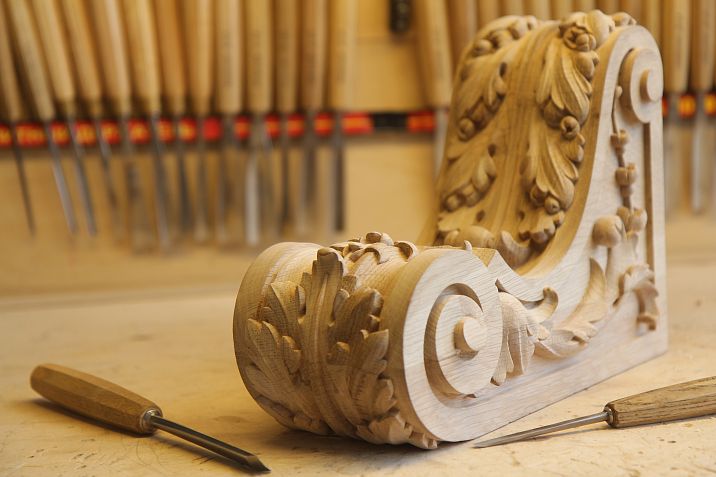
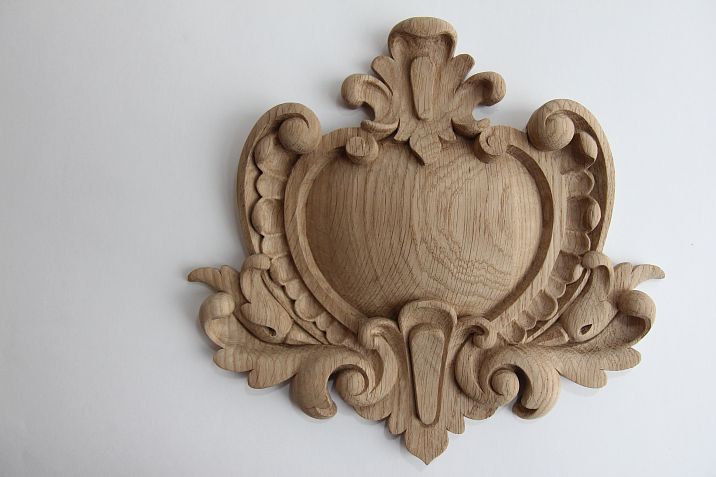
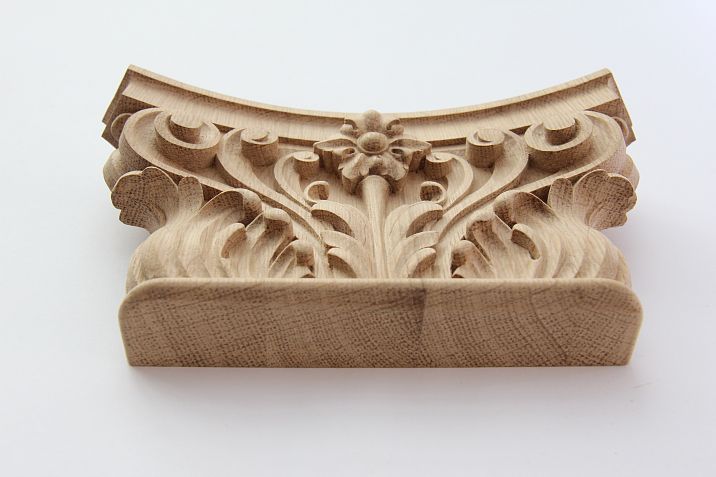
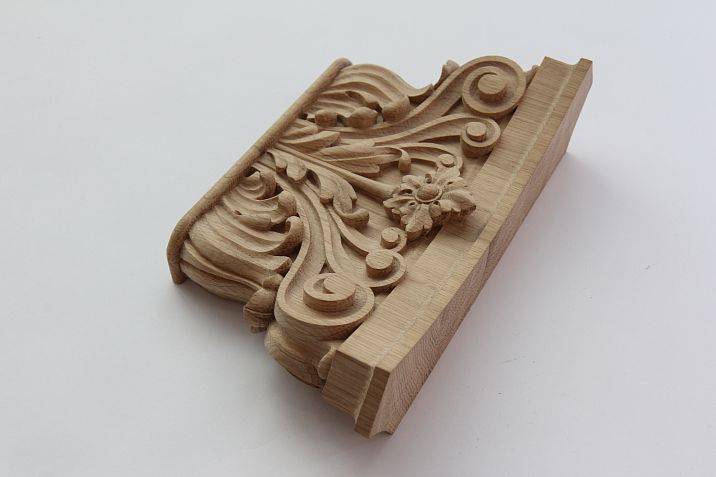
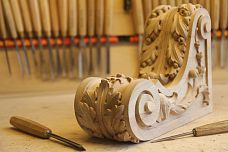
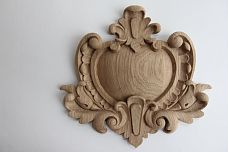
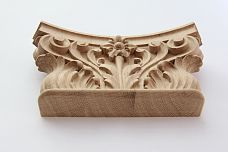
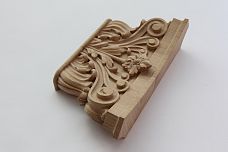
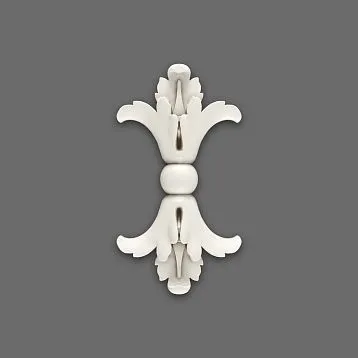
Architectural decoration is an indispensable part of building design, combining functionality, aesthetics, and reflection of cultural heritage.Elements of Architectural Decoration These elements not only serve practical purposes, such as concealing structural defects or protecting facades, but also serve as decoration, emphasizing the style and character of the building. From antiquity to the present, these elements create a unique atmosphere and add uniqueness to architectural objects.


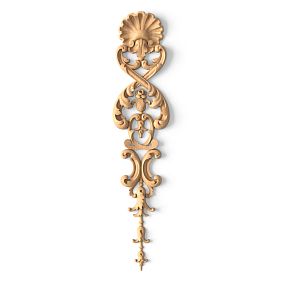
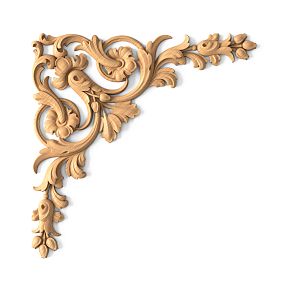
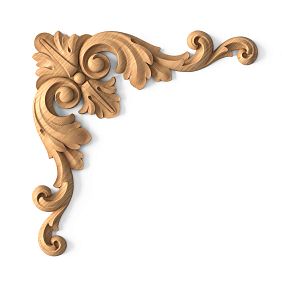

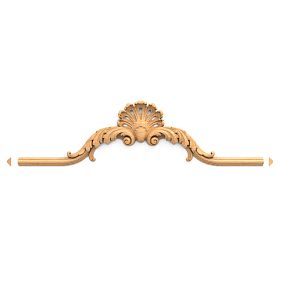
History and Significance of Architectural Decoration
Architectural decoration is not only building ornamentation, but also an important cultural element that shapes their appearance and reflects the era. Since ancient times, people used Elements of Architectural Decorationto emphasize the status and uniqueness of their constructions. From simple ornaments on wooden houses to complex sculptural decorations on palace facades — every detail carried history and symbolism.




Origin of Architectural Decoration
The origins of architectural decoration date back to ancient times. In ancient Greek architecture, elements such as columns, capitals, and cornices were used not only for decoration but also to convey the philosophy of harmony and proportion. Every detail of the structure had meaning and served as a reflection of divine idealism.
In Ancient Rome, architectural decoration became more complex and diverse.Facade Decoration Elementssuch as arches, bas-reliefs, and sculptures, were often used to immortalize events, military victories, or depictions of gods. These decorations not only added beauty but also served as a means of demonstrating power and strength.
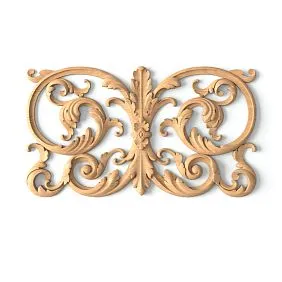
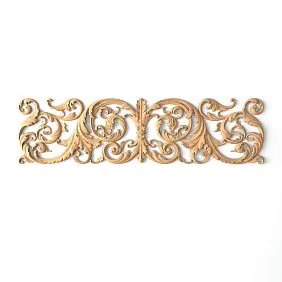
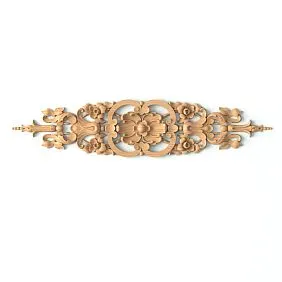
Our factory also produces:



In the Middle Ages, architectural decoration became more religious.
Cathedral and church facades were adorned with sculptures of saints, intricate ornaments, and stained glass windows. Thesebuilding decoration elements not only impressed with their beauty, but also told stories understandable even to illiterate people.
In folk architecture during this time, active use was made ofhouse decoration elements. Carved window casings, cornices, and gables were decorated with symbols serving as protective charms and symbolizing a connection with nature. These decorative elements have survived to this day, especially in traditional Russian houses.
Get Consultation
Architectural Decoration in the Renaissance
The Renaissance brought a new level of refinement to architectural decoration. Moldings, capitals, and reliefs became an important part of facades, emphasizing their status.Carved Decorative Elements Made from wood or stone, they were used to decorate windows, doors, and arches, creating harmony between architecture and nature.
Renaissance-style decoration reflected a striving for symmetry, proportions, and aesthetics. Many buildings of that time became masterpieces that still inspire modern architects.
Modern meaning of architectural decoration
Today, architectural decoration remains an important part of construction and reconstruction. Usingfacade decoration elements can highlight the uniqueness of a building, preserve its historical value, or add a modern style.
Modern technologies allow creating decoration from various materials: polyurethane, wood, stone. This enables using architectural elements for both classical and modern buildings. For example:
● Molded ornaments are ideally suited for restoring historical objects.
● Wooden elements add warmth and naturalness to private homes.
● Modern panels and overlays help modernize facades while preserving their uniqueness.
Cultural heritage
Architectural decoration is part of cultural heritage, preserving traditions and passing them on to new generations. Each element, whether a carved lintel on a Russian izba or a capital on a Roman temple column, contains history. UsingFacade Decoration Elements in construction and restoration, we not only decorate buildings but also preserve a connection with the past.
Popular elements of architectural decoration
Architectural decoration includes many elements, each playing its own role in decorating and structuring a building. Suchbuilding decoration elementsas columns, capitals, cornices, and molded ornaments, not only add aesthetic value but also emphasize the style of the building, making it unique.
Columns: symbol of greatness and stability
one of the oldest and most recognizableelements of architectural decorationwidely used in classical and modern architecture. This element not only supports the building's structure but also serves as a symbol of greatness, harmony, and stability.
Types of columns and their features:
- Doric order.
Simple and massive columns with smooth shafts and strict capitals are often found in Greek and Roman architecture. TheseFacade Decoration Elements emphasize the strength and reliability of the building. - Ionic order.
Columns with more elegant forms and characteristic volutes on capitals. Ionic columns add refinement and elegance to a building. - Corinthian order.
The most refined style, distinguished by richly decorated capitals adorned with acanthus leaf carvings. This type of column is used for buildings intended to convey a majestic and luxurious appearance.
Modern technologies allow using columns not only in classical style but also in modern or minimalist styles. Suchfacade decoration elements are often made from lightweight and durable materials such as polyurethane, making them accessible for any project.
Capitals: Art at the Top of the Column
Capital – the upper part of the column, which crowns it and serves as decoration. TheseElements of Architectural Decoration always attracted attention due to their detailed craftsmanship and complexity of execution.
Popular Types of Capitals:
● Doric. Simple and concise, suitable for strict facades.
● Ionic. Characterized by scrolls, adding softness and elegance.
● Corinthian. Richly decorated, often used in luxurious buildings.
Capitals can be made of wood, stone, or polyurethane, allowing their use both in the restoration of historical buildings and in modern projects.
Cornices: Finishing and Protection
Cornice – a horizontal projection located at the edge of a roof or building wall. Thiselement of facade decoration not only decorates but also protects walls from precipitation.
Role of Cornices in Architecture:
- Finishing the facade. The cornice emphasizes the building’s lines, creating a visual boundary between the roof and walls.
- Decorative function. Cornices can be adorned with carvings, moldings, or ornaments, adding elegance to the building.
- Practicality. This element protects walls from rain and snow, preventing damage.
Cornices are widely used in classical architecture, but they can also be found in minimalist forms in modern buildings.
Other Popular Decorative Elements
- Arches and Portals.
Arches – symbols of grandeur and openness, often decorating entrance groups. Suchbuilding decoration elements add dynamism and smoothness to the facade’s lines. - Moldings and Trim.
These decorative details help emphasize facade lines, frame windows or doors, adding harmony and expressiveness to the building. - Molded Decorations.
Molding remains a classic solution for decorating facades. It can be used to create ornaments, bas-reliefs, or coats of arms.
Popularfacade decoration elements play a key role in creating a unique appearance of the building. They not only decorate it but also perform important functional tasks, making the structure expressive, harmonious, and durable.
Carved Elements for Facade Decoration: Traditions and Modernity
Carved facade decoration – this is an art that combines aesthetics and craftsmanship. TheseCarved Decorative Elements highlight the building’s style, add depth and visual interest. Carving is not only decoration but also a way to give the facade individuality, blending traditions with modern trends.
Features of carved facade decoration elements
Carved elements differ in richness of forms and detailing. They can be made from various materials: wood, stone, polyurethane. Each material has its own characteristics suitable for a particular style or functional purpose.
Key advantages of carved elements:
- Uniqueness. Each item, especially handcrafted, has an irreplaceable pattern and artistic value.
- Harmony with nature. This is especially noticeable onwooden decorative elements, which create a natural and cozy appearance.
- Functionality. Carved details help conceal joints, visually align facade proportions, and give the building a finished look.
Traditional carved elements: izba decorative elements
In traditional Russian architecture, carved decoration has special significance.house decoration elements, such as window casings, cornices, and gables, reflect not only artistic traditions but also a connection with nature and culture.
- Window sills.
Window casings. - Carved gables add height and elegance to the building. They can be executed in both minimalist and ornate styles.
Carved cornices add height and elegance to the building. They can be executed in a minimalist or richly ornamental style. - Brackets.
Carved brackets serve as supports for projecting facade elements, such as balconies or cornices. Their decoration adds expressiveness to the facade.
Traditional carving elements are often used in private homes, especially country houses. This allows preserving the spirit of Russian architecture and emphasizing the individuality of the building.
Modern carved decorative elements
Modern technologies allow creating carved decoration using innovative materials such as polyurethane. Suchfacade decoration elements are durable, resistant to external influences, and suitable for any architectural style.
- Moldings and panels.
These elements allow creating clear lines and structures, adding depth to the facade. - Three-dimensional ornaments.
3D carving is becoming increasingly popular. It allows giving the building a modern look while preserving its individuality. - Material combinations.
Modern projects often combine carving with other materials such as metal or glass. This creates a unique contrast and emphasizes the dynamism of the facade.
How to use carved decoration for facades?
- Window and door framing.
Window and door casings and carved panels add expressiveness to windows and doors. They can be simple or richly decorated, depending on the building's style. - Wall decoration.
Carved panels or appliqués on the facade walls create an interesting visual effect, drawing attention to details. - Structural support.
Carved brackets serving as supports for cornices, balconies, or awnings add completeness to the facade. - Creating focal points.
Carving is ideal for highlighting specific areas of the facade, such as entrances or balconies.
Carved decoration is a universal solution for facade design, suitable for both classical and modern buildings. It helps preserve a connection with traditions while adding individuality and style to architecture.
Baroque and other architectural styles decoration
Architectural decoration is closely linked to specific styles that shaped the appearance of buildings over centuries. Each style offers unique elements, forms, and ideas that make the facade expressive and aesthetically appealing. Among them, Baroque holds a special place — a style of luxury and grandeur, as well as other directions such as Classicism, Modernism, and Minimalism.
Baroque: luxury and refinement
The Baroque style, which emerged in Europe in the 17th century, became a symbol of wealth, opulence, and refined taste.Elements of Architectural DecorationExecuted in the Baroque style, they impress with their diversity, complexity, and refinement.
Features of Baroque decoration:
- Opulent stucco work.
Stucco ornaments are the main accent of Baroque decoration. These may include floral motifs, figures of angels or mythological characters. - Cornices and capitals.
Baroque cornices are adorned with numerous decorative elements: scrolls, garlands, rosettes. Column capitals feature complex ornamentation with acanthus leaves and gold leafing. - Carved elements.
Carved Decorative ElementsSuch as window or door frames, emphasize the grandeur and status of the building. - Color palette.
Buildings in the Baroque style were often painted in light tones, with gold and silver used for accents.
Application of Baroque in modern times:
Today, elements of Baroque decoration are often used in the restoration of historical buildings or interiors where it is necessary to emphasize luxury. For example,facade decoration elements this style is perfectly suited for decorating country houses, giving them the appearance of a palace.
Classicism: harmony and simplicity
Classicism arose as a counterpoint to Baroque. In this style, emphasis is placed on symmetry, proportions, and moderation.Facade Decoration Elements In the Classicism style, they are characterized by simplicity and harmony.
Characteristic features of Classicism:
- Columns and pilasters.
Straight lines, simple capitals, and strict proportions — these are the foundations of classical decoration. - Cornices and gables.
Cornices are decorated with small ornaments or remain smooth, emphasizing the elegance of the facade. - Color palette.
Classicism prefers calm tones: white, beige, gray. These colors create an impression of restrained luxury.
Where used:
Classicbuilding decoration elements Perfectly suited for public buildings such as theaters, museums, libraries, as well as private homes that wish to preserve a traditional appearance.
Modern: smooth lines and natural motifs
The Modern style, which emerged at the end of the 19th century, was inspired by nature. It is characterized by smooth lines, asymmetry, and the use of modern materials.
Modern elements in architectural decoration:
- Windows and doors.
Window and door frames often have rounded shapes and are decorated with natural motifs: flowers, branches, leaves. - Facade panels.
facade decoration elements In the Modern style, they can be made of wood, metal, or glass with unusual patterns and textures. - Compositional freedom.
Modern decoration is created so that elements smoothly transition into one another, forming a harmonious composition.
Modern is especially popular for decorating private homes and cottages, giving them a stylish and contemporary look.
Minimalism: functionality and simplicity
Minimalism is a style that values simplicity and functionality. HereElements of Architectural Decoration are used sparingly, but with attention to aesthetics.
Principles of minimalism:
- Smooth lines.
Facades are decorated using simple panels and moldings. - Minimum details.
Decorations are reduced to a minimum, but each detail is thoughtfully designed and emphasizes the overall style of the building. - Modern materials.
Polyurethane, glass, metal — popular materials for decoration in the minimalist style.
Minimalist decoration is suitable for modern buildings where it is important to emphasize geometry and functionality.
Mixing styles in modern decoration
Modern architecture allows combining elements of different styles. For example, a facade may combine Classicism and Modernism, Baroque and Minimalism, creating a unique building appearance.
Mixing materials, forms, and colors allows a building to stand out against others while preserving its individuality.facade decoration elementsDesigned in different styles, they allow architects to realize the most daring ideas.
Examples of architectural decoration on the facades of houses and buildings
Architectural decoration is a universal tool that allows highlighting the style of a building, making it expressive and unique.facade decoration elements Used both in the restoration of historical buildings and in the creation of modern buildings. From small private homes to grand public structures — decoration adds each building its own character and appeal.
Private homes and cottages
In suburban homes, architectural decoration plays a key role, emphasizing their individuality and style. Often used elements such as:
- Trim and carved panels.
TheseCarved Decorative Elements Decorate windows and doors, giving the building a cozy and traditional look. Such solutions are especially popular in Russian izbas and country-style homes. - Crown mouldings and mouldings.
TheseFacade Decoration Elements Add clarity and completeness to the facade. They are used in both classical and modern styles. - Balconies and brackets.
Decorating balconies with carved brackets or sculptural elements gives the house elegance and harmony. - Door and arch framing.
Entrance group can be designed using decorative columns, capitals, or arches. Thesebuilding decoration elements make the entrance expressive and welcoming.
Example: Private house in classical style with carved wooden trim, cornices, and columns, creating an elegant and traditional appearance.
Public buildings
Public buildings, such as theaters, museums, libraries, and administrative buildings, always stand out with their rich decoration. Here, more complex and large-scale elements are used:
- Columns and capitals.
TheseElements of Architectural Decoration Emphasize the status and grandeur of the building. For example, Greek and Roman columns decorate the facades of many theaters and palaces. - Pediments and cornices.
Decorated with stucco or sculptures, these elements add expressiveness to the facade. - Reliefs and sculptures.
Thesebuilding decoration elements Tell stories or highlight the historical significance of the object. - Molded Decorations.
Rich stucco, garlands, coats of arms, or plant ornaments are used to decorate windows, doors, and walls.
Example: Theater building with Corinthian order columns, capitals decorated with acanthus leaves, and reliefs telling about great works of art.
Restoration of historical objects
Restoring historical buildings requires special attention to details. Here, the following are usedfacade decoration elementsthat match the original style.
- Stucco and reliefs.
Often restored according to historical drawings or photographs to preserve cultural heritage. - Decorative wood.
For restoring traditional houses, the following are appliedCarved Decorative Elementssuch as trim, cornices, or pediments. - Replacement of damaged elements.
Modern materials, such as polyurethane, allow creating exact copies of original details, preserving the appearance and improving their durability.
Example: Restoration of the facade of a historical building using stucco, columns, and reliefs made according to original drawings.
Modern buildings
Modern architecture also actively uses decorative elements. However, the emphasis is placed on minimalism, functionality, and eco-friendliness.
- Facade panels and moldings.
are used to create clear lines and visual depth. SuchFacade Decoration Elements allow adding a stylish accent and highlighting certain areas. - Three-dimensional details.
3D carving or geometric-patterned panels are often found on modern buildings. - Mixing materials.
The combination of glass, metal, and wood creates a contrasting and interesting facade appearance.
Example: A modern office center with clear lines, facade panels, and minimalist decorative elements.
Conclusion
Examples of architectural decoration demonstrate how versatile and multifaceted it is.building decoration elementswhether traditional casings or modern panels, make every building unique, expressive, and harmonious.
Choosingfacade decoration elements From the company STAVROS, you get the opportunity to create a stylish and durable facade that will highlight the individuality of your home or building. Experiment with shapes and materials to find the perfect combination for your project!