Article Contents:
- Evolution of Decorative Craftsmanship: From Antiquity to the Present
- Historical Legacy of Architectural Forms
- National Traditions in a Global Context
- Material Science: The Foundation of Artistic Creation
- The nobility of natural wood
- Coniferous Species: Accessibility and Beauty
- Alternative Materials in Modern Design
- Stylistic Directions: Diversity of Artistic Solutions
- Classic elegance
- Baroque opulence
- Modern: natural motifs in architecture
- Modern minimalism
- Technological Aspects of Manufacturing
- Traditional Processing Methods
- Innovative technologies
- Designer solutions for various interiors
- Suburban Residences: Luxury and Comfort
- Urban Apartments: Space Optimization
- Public Spaces: Representativeness and Durability
- Ergonomic Design Aspects
- Safety as Priority
- Ease of Use
- Finishing Technologies
- Protective Coatings for Wood
- Decorative techniques
- Trends in Modern Design
- Ecological Orientation
- Technological Innovations
- Personalization and customization
- Economic aspects of selection
- Lifecycle Cost Analysis
- Pricing factors
- Installation and Technical Maintenance
- Professional Installation
- Regular Maintenance
- Conclusion
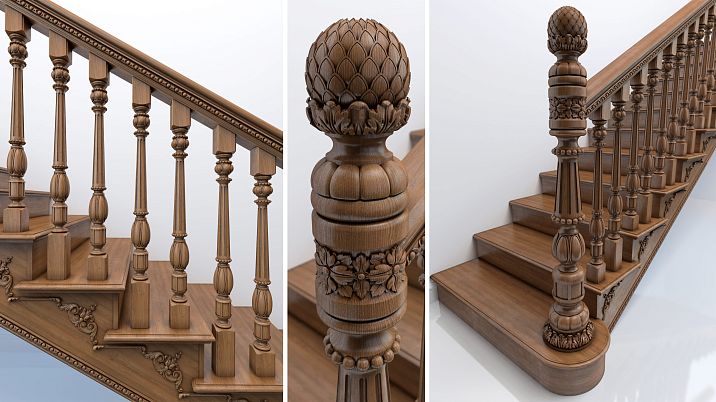
What turns an ordinary staircase into a work of architectural art? The secret lies in details capable of transforming a functional structure into an elegant interior accent. Beautiful balusters become that magical component which endows stair space with character, style, and a unique atmosphere of luxury.
Each vertical support tells its own story of craftsmanship, embodying the traditions of joinery art and modern design trends. These elements do not merely support handrails — they create a visual rhythm, shape the aesthetic perception of space, and become the central decorative feature of the interior.



Evolution of Decorative Craftsmanship: From Antiquity to the Present




Historical Legacy of Architectural Forms
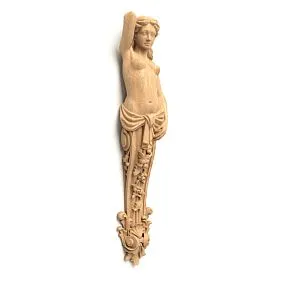
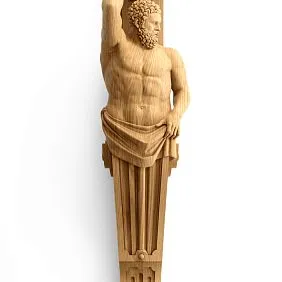
The art of creating decorative support elements traces its roots to deep antiquity. Ancient masters of Greece and Rome first recognized the potential of vertical posts as elements of artistic decoration. Marble columns with intricate carvings adorned imperial palaces, while wooden counterparts decorated patrician homes.
Medieval craftsmen developed the traditions of their predecessors, creating complex compositions of stone and wood. Gothic cathedrals demonstrated virtuosity in stone carving techniques, where each element carried not only a functional but also a symbolic load. Vegetal ornamentation, geometric patterns, religious motifs — all of this found expression in architectural details.
The Renaissance brought a new understanding of proportions and harmony. Italian masters created balusters that amazed with their perfection of form and elegance of execution. Classical canons of beauty established during this period continue to influence modern design thinking.
Our factory also produces:



National Traditions in a Global Context
Russian wooden architecture developed its own principles for creating decorative elements. Northern masters utilized the characteristics of coniferous species, creating carved compositions of incredible complexity. House carving, decorating peasant cottages and merchant mansions, demonstrated a deep understanding of the material and virtuosity in tool handling.
Scandinavian traditions were characterized by simplicity and functionality. Simple geometric forms, emphasizing the natural beauty of wood, created an atmosphere of coziness and harmony with nature. These principles formed the basis of modern Scandinavian style.
Eastern cultures introduced into the art of creating architectural details a philosophy of unity with nature. Japanese masters created elements where every line had deep meaning, and the overall composition reflected Zen-Buddhist principles.
Get Consultation
Material Science: The Foundation of Artistic Creation
The nobility of natural wood
Wood remains the most popular material for creating decorative stair elements due to its plasticity, warm texture, and limitless possibilities for processing. Each species possesses unique characteristics that determine its area of application and artistic interpretation methods.
Oak, king among hardwoods, provides the craftsman with material of exceptional strength and expressive texture. Its dense structure allows for creating delicate carved details that retain clarity of form for decades. Natural color ranges from light yellow to dark brown, creating a rich palette for design experiments.
Ash combines the strength of oak with a lighter, contrasting texture. Its fibers create an expressive pattern, especially striking when radially sawn. Ash's flexibility allows crafting elements of complex curved shapes without risk of cracking.
Beech is characterized by uniform structure and neutral color, making it ideal for staining and painting. Craftsmen value beech for its dimensional stability and excellent turning properties.
Coniferous species: accessibility and beauty
Spruce, the most common species in Russian construction, offers optimal price-to-quality ratio. Its soft structure facilitates processing, while natural resinous properties provide protection against moisture and insects. The contrasting texture, alternating light sapwood and dark heartwood, creates an expressive decorative effect.
Fir is characterized by more uniform structure and light coloration. The absence of pronounced texture makes it ideal for painting in any color. Low resin content simplifies surface preparation for finishing.
Larch combines the merits of coniferous and deciduous species. Its density is comparable to oak, and its natural resistance to rot exceeds most other species. Beautiful texture with pronounced growth rings creates a unique decorative effect.
Alternative materials in modern design
Metal opens new horizons for creative self-expression. Forged elements allow creating intricate and elegant compositions. Modern laser cutting and plasma processing technologies expand metalworking possibilities, enabling realization of the most daring design concepts.
Stainless steel combines strength with corrosion resistance. Polished surface creates a mirror-like reflection effect, visually expanding space. Matte finish gives elements a modern, technological appearance.
Glass, traditionally considered a fragile material, demonstrates remarkable strength and durability in modern interpretations. Tempered and laminated glass withstands significant loads, and decoration possibilities are virtually limitless — from sandblasting to photo printing.
Stylistic directions: diversity of artistic solutions
Classic elegance
Classic style in staircase elements is based on principles of ancient architecture — proportionality, symmetry, and harmony. Beautiful balusters Classic style features complex profiling with alternating convex and concave elements.
The composition's base is the central part — the baluster body, which may have cylindrical, oval, or polygonal shape. Upper and lower parts — capital and base — are resolved as complex profiled elements with cornices, moldings, and fluting.
Decorative motifs of classical balusters include vegetal ornaments — acanthus, palmettes, rosettes. Geometric elements are represented by meanders, braids, and rosettes. Architectural motifs — miniature columns, pilasters, arches — occupy special place.
Baroque opulence
Baroque style introduced theatricality and emotional impact principles into architecture. Baroque balusters are characterized by complex forms, abundance of decorative elements, and dynamic composition. Curved outlines create play of light and shadow, giving elements volume and expressiveness.
Characteristic features of baroque balusters include spiral fluting, volute-like scrolls, cartouches with coats of arms or monograms. Vegetal decoration becomes lush and naturalistic — acanthus leaves appear to tremble in the wind, flowers impress with petal detailing.
Color solutions for baroque interiors involve gilding, patination, and multi-layer lacquer finishes. Contrasting combinations of dark wood with golden accents create an atmosphere of luxury and solemnity.
Modern: natural motifs in architecture
Modern style revolutionized the approach to decorative arts, abandoning historical stylization in favor of natural forms. Modern balusters feature smooth, flowing lines, asymmetrical compositions, and organic motifs.
Vegetal elements in modern style acquire stylized character — iris stems, water lily leaves, tree branches become the basis for creating unique forms. Zoomorphic motifs include stylized depictions of birds, insects, marine creatures.
Technological capabilities of the modern era allowed artisans to experiment with new materials and technologies. Combining wood with metal, glass, ceramic opened new horizons for creative self-expression.
Modern minimalism
Minimalist design approach implies maximum simplification of forms while preserving functionality and aesthetic expressiveness. Minimalist balusters are characterized by geometric purity of lines, absence of decorative excesses, and emphasis on material quality and processing.
Rectangular, square, cylindrical sections create a strict rhythm of vertical elements. Surfaces remain smooth, highlighting the natural beauty of the material. Color palette is limited to natural tones or monochromatic solutions.
Modern technologies allow achieving ideal dimensional accuracy and flawless surface quality. Laser cutting, CNC milling, robotic polishing ensure repeatability of results and high quality standards.
Technological aspects of manufacturing
Traditional finishing methods
Turning remains the primary method for creating balusters of complex shapes. Modern CNC turning machines allow reproducing complex profiles with precision down to tenths of a millimeter. Programmable processing cycles ensure identical elements in a series.
Hand carving in wood retains its value in creating unique artistic pieces. Master carver uses a rich arsenal of tools — various gouges, chisels, rasps, and knives. Each tool is designed for specific operations and creation of specific ornamental elements.
Milling allows creating complex profiles and decorative elements with high productivity. Modern CNC milling machines can process parts according to 3D models, creating volumetric compositions of any complexity.
Innovative technologies
Laser cutting opens new possibilities for creating delicate elements from various materials. Laser beam accuracy allows cutting fine details without mechanical impact on the material. Absence of tool wear ensures stable processing quality.
3D printing revolutionizes approaches to prototyping and small-batch production. Modern 3D printers can work with various materials — plastics, metals, ceramics, composites. The technology allows creating elements with complex internal structure, unattainable by traditional methods.
Hydro-abrasive cutting ensures high precision in processing materials of any hardness. High-pressure water stream with abrasive particles can cut metal, stone, glass, creating perfectly smooth edges without thermal impact.
Design Solutions for Various Interiors
Country residences: luxury and comfort
Spacious interiors of country homes provide wide opportunities for implementing large-scale design projects. Grand staircases with beautiful balusters balusters of complex shape become the central element of the interior, setting the tone for the entire space.
Classic interiors require appropriate finishing of stair elements. Balusters made of solid oak with carved capitals and bases, coated with multi-layer lacquer with patina effect, create an atmosphere of aristocratic luxury. Gold accents emphasize the owner's status and refined taste.
Modern suburban houses are often designed in the contemporary style, combining elements of various directions. Here, balusters of minimalist forms made from exotic wood species — wenge, merbau, teak — are appropriate. The natural beauty of the material does not require additional decoration; sufficient quality sanding and protective coating suffice.
Urban apartments: space optimization
Limited sizes of urban apartments dictate special requirements for the design of stair elements. Balusters must ensure safety and functionality while having minimal visual impact on the space. Thin metal rods or glass panels create a sense of lightness and airiness.
Scandinavian style, popular in modern interiors, implies using light wood species — birch, maple, beech. Simple geometric forms, white or natural finish, minimal decorative elements — this approach creates a sense of purity and freshness.
Loft interiors require an industrial aesthetic in the design of all elements. Metal balusters made of black steel, stainless steel, or corten accentuate the urban character of the space. Rough surface treatment, visible weld seams, patina create an authentic atmosphere of an industrial space.
Public spaces: representativeness and durability
Office centers, hotels, restaurants impose special requirements on the design and quality of stair elements. High usage intensity requires the use of the most durable materials and reliable mounting methods. Simultaneously, the representativeness of the exterior appearance, matching the status of the facility, is important.
Stainless steel remains the most popular material for public interiors due to the combination of strength, durability, and aesthetic qualities. Polished surface is easy to clean and retains its original appearance for many years. Decoration options include sandblasting, laser engraving, and colored anodizing.
Combined solutions combining metal with wood or glass allow creating unique compositions reflecting corporate identity. Logos, brand colors, stylistic elements can be integrated into baluster design.
Ergonomic design aspects
Safety as a priority
Designing stair railings begins with analyzing safety requirements. The height of the railing must prevent accidental falls, and the distance between vertical elements must prevent children from slipping. Regulatory documents establish clear parameters that must be followed regardless of stylistic preferences.
The strength of baluster attachment to the base and handrail determines the reliability of the entire structure. Calculated loads include not only static weight of elements but also dynamic impacts from human movement. Safety factors ensure long-term operation without risk of failure.
Surface finish quality affects not only appearance but also usability safety. Sharp edges, burrs, unevenness may cause injuries. Careful sanding, rounding corners, protective coatings minimize risks during operation.
Ease of use
Ergonomics of stair railings considers human physiology and psychology. Handrails should have a comfortable grip shape, and their height should correspond to anthropometric data of users. Balusters provide visual support for the handrail and create a sense of security.
Tactile sensations play an important role in perceiving product quality. Smooth, pleasant-to-touch surface creates positive emotions and desire to touch. Material temperature also affects comfort — wood remains warm, metal may feel cold.
Visual perception of baluster rhythm affects human psychological state. Even repetition of elements creates a sense of stability and order. Disruption of rhythm may cause discomfort and tension.
Finishing technologies
Protective coatings for wood
Wood requires mandatory protection from moisture, ultraviolet radiation, mechanical damage. Modern lacquer coatings provide not only protection but also highlight the natural beauty of the material.
Polyurethane lacquers are characterized by high strength and wear resistance. They form a hard coating resistant to scratches and abrasion. Various gloss levels — from matte to high-gloss — allow achieving the desired aesthetic effect.
Oil-based coatings penetrate into the wood structure, emphasizing its texture and creating a natural look. They are easily restored in case of local damage and do not form a film on the surface. Wax compositions give the surface a silk-like finish and pleasant tactile sensations.
Decorative Techniques
Patination creates an effect of noble antiquity, highlighting relief decorative elements. Various compositions allow imitating natural aging, metal oxidation, and effects of time. Contrast patina highlights ornament details, creating a three-dimensional effect.
Staining allows changing the color of wood while preserving its texture. Water-based and alcohol-based stains penetrate into the material structure, creating an even color. Combining various shades allows creating complex color transitions.
Gilding remains one of the most effective decoration techniques. Modern materials — gold leaf, bronze powders, gold paints — allow achieving a luxurious effect at relatively low cost. Various application techniques create diverse textures — from mirror shine to matte shimmer.
Trends in modern design
Ecological orientation
Modern society pays increasing attention to ecological aspects of construction and design. Use of renewable materials, minimization of production waste, application of non-toxic coatings become important selection criteria.
Certified wood from sustainably managed forests guarantees ecological responsibility of the manufacturer. FSC certification confirms strict compliance with ecological and social standards during raw material harvesting.
Water-based lacquers and paints do not contain volatile organic compounds, making them safe for human health and the environment. They have no sharp odor and dry quickly, simplifying the finishing process.
Technological Innovations
Smart materials open new possibilities for creating interactive interior elements. Thermochromic coatings change color depending on temperature, photochromic coatings — depending on lighting. Such effects create dynamic, lively interiors.
Integrating LED lighting into baluster structures creates an impressive staircase illumination. Hidden light sources, controlled by motion sensors, ensure safety and comfort when using the staircase at night.
Wireless technologies allow creating systems for monitoring the condition of the structure. Vibration, deformation, and humidity sensors transmit data to mobile devices, enabling real-time monitoring of the staircase's technical condition.
Personalization and Customization
Modern consumers strive for uniqueness and individuality in decorating living spaces. The possibilities of modern technologies allow creating Beautiful balusters according to the customer's individual sketches.
3D modeling allows visualizing the future project even at the design stage. The client can see how elements will look in the interior, make adjustments, and evaluate different finishing options.
Rapid prototyping technologies allow manufacturing samples of elements to evaluate their appearance and tactile qualities. This is especially important when working with new materials or non-standard solutions.
Economic aspects of selection
Life Cycle Cost Analysis
When selecting materials and manufacturing technologies, it is important to consider not only the initial cost but also the operating expenses over the entire service life. High-quality materials and coatings require significant initial investments but ensure savings on maintenance.
Cheap materials often require frequent repairs and replacements, which ultimately lead to high total costs. Quality wood treated with modern protective compounds can serve for decades without losing its appearance.
Energy-efficient production technologies reduce the cost of products while maintaining high quality. Process automation, material optimization, and use of renewable energy sources all influence the final product price.
Pricing Factors
The cost of manufacturing balusters depends on many factors — complexity of shape, material quality, processing technology, batch size. Simple geometric shapes are cheaper than complex carved compositions.
Handmade work always costs more than machine-made, but ensures uniqueness and the highest quality of execution. A master carver creates not just a functional element, but a work of art that will delight the owner for many years.
Mass production allows reducing the cost by saving on preparatory operations and optimizing technological processes. Standard sizes and shapes ensure predictable quality and delivery times.
Installation and technical maintenance
Professional installation
The quality of installation determines the longevity and safety of the staircase railing. Professional installers possess the necessary knowledge and experience to correctly install elements of various constructions.
Foundation preparation includes checking the strength of fastening, leveling the surface, and marking installation locations. The accuracy of marking is critically important for ensuring the correct geometry of the railing.
Fastening elements must match the material of the balusters and the foundation. Stainless steel screws, anchor bolts, and special adhesives ensure secure connections. Hidden fastening preserves the aesthetic of the structure.
Regular Maintenance
Wooden elements require periodic renewal of protective coatings. The frequency of maintenance depends on operating conditions — humidity, temperature, usage intensity. On average, lacquered coatings are renewed every 3-5 years.
Metallic elements require monitoring of anti-corrosion coatings. The appearance of corrosion spots requires immediate intervention to prevent further material damage.
Regular cleaning from dust and contaminants maintains the appearance of elements and prevents accumulation of substances that can damage coatings. Using special care products extends the service life of finishes.
Conclusion
World beautiful balusters Represents a wonderful blend of traditional craftsmanship and modern technologies, where each element becomes part of an architectural symphony. These vertical supports not only perform a functional role — they create an atmosphere, shape the character of the space, and reflect the owner's individuality.
Choosing appropriate elements requires a deep understanding of stylistic features, technical characteristics of materials, and modern design trends. Each decision must consider not only aesthetic preferences but also practical aspects of operation, safety, and longevity.
Investments in high-quality staircase elements pay off multiple times due to their durability, functionality, and ability to transform interiors. Properly selected and professionally installed balusters become a source of pride for the owner and a point of admiration for guests.
Modern technologies open boundless opportunities for creative self-expression, allowing to realize the most daring design ideas. From classic elegance to avant-garde experiments — every style finds its embodiment in the world of staircase architecture.
Company STAVROS presents a wide range of high-quality staircase elements, created using advanced technologies and premium materials. Our long-standing experience and deep understanding of customer needs allow us to offer solutions that exceed expectations and create a unique atmosphere in every home. Entrusting us with the creation of staircase elements means choosing quality, reliability, and beauty that will delight you for many years.