Article Contents:
- What materials are better to choose for classic furniture?
- Solid wood: the golden standard of classic design
- Upholstery materials: comfort and status
- Practical rule for choosing materials
- Regional preferences
- How to combine classic furniture with a modern interior?
- Contrast principle as the basis for combination
- Practical approaches to integration
- Mistakes to avoid
- How to care for classic furniture?
- Daily Care: Simple Rules
- Professional care: when and how
- Care for upholstery
- Economics of proper care
- Which classic furniture styles are currently popular?
- Neoclassicism — an undeniable leader
- Traditional styles: stable demand
- Modern classic: a new trend
- Regional demand specifics
- Which materials are gaining popularity right now?
- Oak strengthens its position
- Unexpected growth of rattan
- Composite materials are gaining popularity
- Color trends in wood
- Impact of the pandemic on preferences
- Conclusion: from questions to solutions

Users in search systems don’t guess — they seek specific answers to specific questions. Analysis of search queries shows: when it comes to classic furniture, people are concerned not with abstract concepts like 'style' and 'beauty', but with practical matters. What materials to choose? How to combine with a modern interior? How much will maintenance cost?
We gathered five most popular questions about classic furniture based on data from Yandex, industry portals, and our own experience working with clients. And provided answers that not only inform, but also help make a purchase decision.
These questions are asked by everyone — from young families choosing their first quality furniture, to experienced connoisseurs expanding their collection. Understanding what truly concerns buyers helps not only choose the right furniture, but also avoid typical mistakes when purchasing and using it.

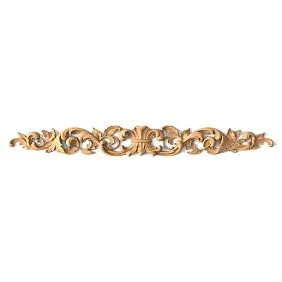
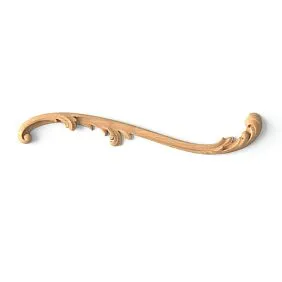


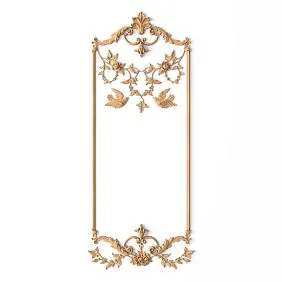


What materials are better to choose for classic furniture?
This is the most frequent question asked by buyers of classic furniture. And not by chance — the choice of material affects not only the appearance, but also the durability, practicality, and even the investment attractiveness of the furniture.




Solid wood: the golden standard of classic design
Oak is an undisputed leader among materials for classic furniture. Its dense structure (700-800 kg/m³) ensures exceptional strength, while its expressive texture highlights the solidity of the piece. Oak is ideal for furniture meant to last for decades: tables, cabinets, beds.
Walnut is prized for its noble texture and natural beauty. Walnut wood features a rich palette of tones — from light brown to dark chocolate. Particularly suitable for elegant furniture: consoles, chairs, decorative elements.
Cherry is the choice for those who appreciate warm, cozy interiors. Over time, cherry develops a noble reddish hue, becoming even more beautiful. Ideal for bedroom and dining room furniture.
Beech is a more budget-friendly, yet no less quality, option. Light beech wood stains beautifully, mimicking more expensive species, while retaining excellent performance characteristics.
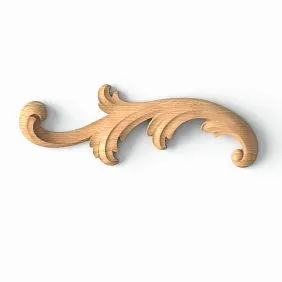
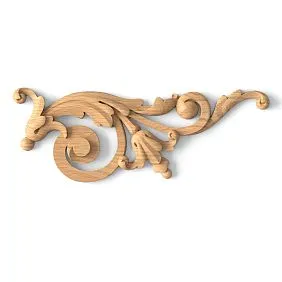
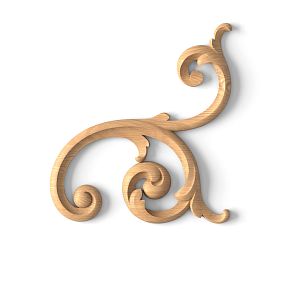
Our factory also produces:



Upholstery materials: comfort and status
Natural leather — the classic choice for upholstered furniture. Quality leather is not only beautiful but also practical: easy to clean, does not absorb odors, and develops a noble patina with age. For classic furniture, choose leather no less than 1.2–1.4 mm thick.
Jacquard — the king among upholstery fabrics. Dense weave (from 250 g/m²) ensures durability, while its raised pattern adds luxury. Jacquard with gold or silver threads looks especially striking.
Velvet and brocade — the choice for creating an atmosphere of luxury. These materials require more delicate care, but they create a unique sense of comfort and status.
Get Consultation
Practical rule for choosing materials
Use the 60-30-10 rule when choosing materials:
- 60% — main material (solid wood of a specific species)
- 30% — secondary material (upholstery, metal hardware)
- 10% — accent materials (inlays, decorative elements)
This rule helps create a harmonious composition where materials complement each other, rather than compete for attention.
Regional preferences
According to furniture market research, in Russia oak is the most popular (45% of all requests for solid wood), followed by beech (25%) and walnut (20%). Interestingly, in the premium segment, the ratio changes: walnut takes first place (40%), indicating a rise in aesthetic demands among affluent consumers.
How to combine classic furniture with a modern interior?
This question reflects one of the main dilemmas of modern design: how not to turn your home into a museum by choosing classic furniture, while still preserving its elegance and status?
Principle of contrast as the basis for combination
Dominance rule: determine what will be the main focus — classic or modern. One style should make up 70–80% of the interior, while the other serves as an accent. Classic furniture against minimalist finishes creates a striking contrast, highlighting the beauty of each piece.
Color harmony: modern interiors tend toward neutral palettes — white, gray, beige. Classic furniture made of dark wood stands out against such a background like a work of art, drawing attention to its forms and details.
Practical approaches to integration
Selective placement: instead of a full classic furniture set, use individual classic pieces as accents. One antique table in a modern dining room, a classic chair in a minimalist living room — such solutions create intrigue and depth in the interior.
Modern functionality: choose classic furniture adapted to contemporary needs. For example, Furniture and interior items STAVROS combines classic forms with modern manufacturing technologies and ergonomic standards.
Lighting as a unifying element: modern fixtures — spotlights, LED strips, designer wall lamps — can unite classic furniture with a modern interior. Properly lit carved chair backs or wood textures become elements of modern design.
Mistakes to avoid
Overloading with styles: do not mix more than two stylistic directions in one room. Classic + modern — yes, classic + modern + loft — already chaos.
Incorrect proportions: massive classic furniture will disappear in a small room, while elegant classic forms will go unnoticed in a large loft.
Ignoring color harmony: all wooden elements must be coordinated in a single tone, even if they belong to different styles.
How to care for classic furniture?
Proper care is not only about maintaining appearance but also protecting your investment. Quality classic furniture can last for decades, but only with proper maintenance.
Daily care: simple rules
Dust protection: use dry, soft microfiber or suede cloths. Dust acts as an abrasive, gradually wearing away the polish. Wipe furniture 2-3 times a week in the direction of the wood grain.
Humidity control: the optimal humidity for wooden furniture is 45-55%. At low humidity, wood dries out and cracks; at high humidity, it swells and deforms. Use humidifiers in winter and dehumidifiers during rainy periods.
Sun protection: direct sunlight fades and dries out wood. Place furniture away from windows or use UV filters on glass.
Professional care: when and how
Polishing: 2-3 times a year, use special wood polishing products. Quality polish not only refreshes the appearance but also creates a protective layer. Recommended products: Antique Wax, Liberon, Howard.
Restoration of minor damage: scratches and scuffs are inevitable with active use. Most minor defects can be fixed yourself using touch-up pencils or wax of the appropriate color.
Professional servicing: every 5-7 years, it is advisable to consult specialists for a comprehensive refresh of the finish. This extends the furniture’s lifespan by decades and preserves its aesthetic appeal.
Care for upholstery
Natural leather: clean with special products once a month, condition every six months to maintain elasticity. Avoid aggressive cleaning agents and solvents.
Fabric upholstery: regular vacuuming with a soft brush attachment, immediate spot cleaning, professional dry cleaning once every 1-2 years depending on usage intensity.
Economics of proper care
Statistics show: properly maintained classic furniture retains 80-90% of its original value after 10 years of use, whereas furniture without proper care loses up to 50% of its value in the same period. Annual professional care costs only 3-5% of furniture’s value but extends its lifespan by 2-3 times.
Which classic furniture styles are currently popular?
Search query and sales analysis reveal an interesting picture: traditional classic styles remain in demand, but modernized styles lead the market.
Neoclassicism — an undeniable leader
Neoclassicism accounts for 45% of all queries related to classic furniture. This style appeals because it preserves the elegance of classical forms while eliminating excessive ornamentation. Simple lines, quality materials, restrained elegance — exactly what modern buyers need.
The popularity of neoclassicism is due to its versatility: it looks equally good in city apartments and country homes, in business offices and family living rooms.
Traditional styles: stable demand
Baroque (15% of queries) — the choice of those who are not afraid of luxury and are willing to spend on it. Interestingly, demand for baroque furniture is growing in regional areas — homeowners of country houses want to create a palace-like atmosphere.
Empire (12% of queries) — the style of leaders and entrepreneurs. Strict forms, symbols of power, expensive materials — all of this meets the needs of people accustomed to success and wishing to display it.
Rococo (8% of queries) — a niche direction popular among female audiences for decorating bedrooms and boudoirs.
Modern classic: a new trend
Modern classic is an attempt to combine the best of two worlds. Classical proportions and materials are combined with modern functionality and minimalist forms. This trend is especially popular among young, high-income families.
Regional demand characteristics
Moscow and St. Petersburg prefer neoclassicism and modern classic (60% of sales). In regional centers, traditional styles — baroque and empire (40% of sales) — are more popular. This is due to differences in housing types: in city apartments, restrained forms are more relevant, while in country homes, more ornate and grandiose styles are preferred.
Which materials are in growing demand right now?
The furniture market is a living organism that sensitively responds to changes in lifestyle, ecological awareness, and aesthetic preferences of consumers. Analysis of trends over the past two years reveals several interesting directions.
Oak strengthens its position
Demand for oak furniture has increased by 20% compared to last year. This growth is explained by several factors:
Ecological: oak is a fully natural material, requiring no chemical treatment to achieve strength.
Durability: in times of economic instability, people prefer to buy furniture "for centuries," rather than replace it every few years.
Aesthetics: the natural texture of oak perfectly fits the trend toward natural materials in interior design.
Unexpected growth in rattan demand
Rattan furniture showed a 23% increase in demand — an unexpectedly high figure for a material many considered outdated. Modern rattan is not the woven chairs of Soviet times, but high-tech processing of natural material:
Artificial rattan — a polymer material imitating natural weaving, but surpassing it in strength and resistance to external influences.
Eco-design: woven furniture aligns with the trend toward eco-friendliness and connection with nature.
Versatility: modern rattan furniture suits both homes and terraces, gazebos, and winter gardens.
Combined materials are gaining popularity
Growing interest in furniture combining different materials:
Wood + metal: the combination of warm wood and cold metal creates interesting contrasts, popular in modern interiors.
Wood + glass: classic wood combined with modern glass creates a sense of lightness and airiness.
Wood + stone: marble countertops on wooden bases — a trend that has moved from kitchen design into general interior design.
Color trends in wood
Light wood tones are gaining popularity. White oak, beech, light walnut — these tones pair better with modern interiors and create a sense of spaciousness.
Contrasting staining: when the natural wood texture is preserved but the color is dramatically changed — black oak, white walnut. This allows achieving a modern look while retaining classic forms.
Impact of the pandemic on preferences
COVID-19 changed people's attitude toward home and furniture:
Home office boom: sharp increase in demand for quality furniture for home offices — desks, chairs, storage systems.
Health priority: increased interest in natural, eco-friendly materials. People are willing to pay more for furniture that does not emit harmful substances.
Long-term planning: understanding that home is not just a place to sleep, but also an office and a place to relax, makes people take furniture selection more seriously.
Conclusion: from questions to solutions
Analysis of user queries shows: the modern buyer of classic furniture is not an impulsive consumer, but a person who carefully studies the issue before making a decision. Practical aspects concern them: materials, style compatibility, maintenance, trends.
Understanding these needs helps not only choose the right furniture, but also avoid disappointments. Quality classic furniture is a serious investment that should bring satisfaction for many years.
Classic Furniture From STAVROS is created with understanding of all these needs. Each item is an answer to real customer questions: quality materials, thought-out functionality, possibility of integration into modern interiors, minimal maintenance requirements.
Twenty-five years of working with clients have taught us: good furniture is not only a beautiful object, but also a solution to life’s problems. STAVROS creates furniture for people who know what they want and are ready to invest in quality and beauty.