Article Contents:
- Revolution in the world of creativity: why the quality of blanks determines success
- Psychology of material: how a blank affects the creative process
- Technical aspects: how material properties affect the result
- Economic logic of quality
- Typology of creative materials: navigating the ocean of possibilities
- Classification by origin: from nature to technology
- Grading by processing complexity
- Specialization by Purpose
- Secrets of professional selection
- Project requirements analysis: technical specification to yourself
- Material quality assessment: what lies behind its appearance
- Material compatibility: harmony in complex projects
- Technologies and innovations in blank production
- Modern Wood Processing Methods
- Precision processing: accuracy down to the micron
- Quality control: non-destructive testing technologies
- Economics of creativity: how to invest wisely
- Shopping planning: strategy against impulsiveness
- Price-to-quality ratio evaluation
- Logistics and storage: hidden cost items
- Practical cases and solutions
- Case 1: Choosing material for artistic carving
- Case 2: Creating a garden sculpture
- Case 3: Manufacturing a musical instrument
- Future of creative materials
- UV-Cured Coatings
- Biotechnology in materials science
- Digitalization of creativity
- Ecological trends
- Supply geography: from adjacent workshop to distant continents
- Local manufacturers: proximity and accessibility
- National leaders: scale and standards
- International supplies: uniqueness at a reasonable price
- Seasonality and Procurement Planning
- Wood Market Cycles
- Procurement strategies
- Material Storage and Preparation
- Creating Optimal Storage Conditions
- Preparation for Work
- STAVROS: The Quality Standard in the World of Creative Materials
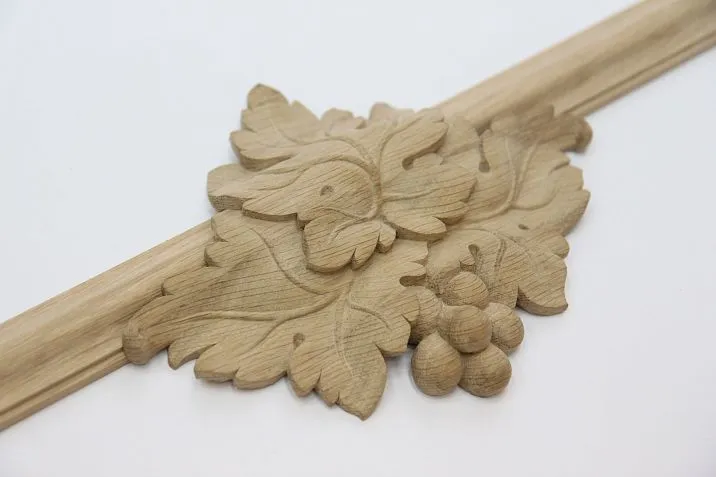
Creativity is the magic of transforming ordinary materials into artworks capable of touching the soul and inspiring new achievements. But how often do your grandiose ideas shatter against substandard materials? How many times have you had to adjust your concept to accommodate the limitations of available stock? The right solution Buy Creative Wood Blank high-quality materials are not an expense, but an investment in the success of your projects, enjoyment of the creative process, and longevity of the result.
The modern market of creative materials resembles an endless ocean of possibilities, where it's easy to get lost among thousands of offerings. From simple wooden planks to complex composite materials, from traditional wood species to exotic novelties — the choice is breathtaking. But precisely in this diversity lies the main danger: how to avoid making a wrong choice? How to find that one material that not only meets the technical requirements of the project but also inspires creativity?
Revolution in the World of Creativity: Why the Quality of Stock Determines Success





Revolution in the world of creativity: why the quality of raw materials determines success




Material Psychology: How Stock Influences the Creative Process
Touching a high-quality material triggers a cascade of emotions and associations in the creator's mind. The smooth, silk-like surface of well-processed wood suggests the direction of future carving strokes. Uniform density gives confidence that the concept will be realized without unpleasant surprises. A pleasant natural aroma creates an atmosphere conducive to concentration and inspiration.
Poor-quality materials, on the contrary, create psychological barriers. Roughness of the surface causes doubt about the possibility of achieving the desired result. Non-uniform structure generates anxiety about unpredictable behavior of the material during processing. Chemical odor of cheap composites disrupts the creative mood and may even cause headaches.
Neurophysiologists have long established a link between tactile sensations and activity in the brain's creative centers. Pleasant tactile stimuli activate the production of dopamine — the pleasure neurotransmitter, which also governs motivation and attention concentration. Working with high-quality materials literally programs the brain for success.
Our factory also produces:


Technical Aspects: How Material Properties Influence the Result
Each material has its own character, preferences in processing, strengths and weaknesses. Understanding these characteristics is the key to selecting the optimal stock for a specific project.
The density of the material determines not only its strength but also its behavior during processing. Too soft materials cannot hold fine details, crumble when attempting to create sharp edges. Excessively hard materials require significant effort, quickly dull tools, and may crack at the most inappropriate moment.
Uniformity of structure is critically important for projects requiring even processing. Hidden defects, invisible at first glance, manifest at the most critical moment, destroying hours of meticulous work.
The moisture content of the material affects the dimensional stability of the finished product. Stock with elevated moisture will deform during drying, potentially leading to cracks, warping, and distortion of proportions.
The direction of wood grain determines the strength of joints, the possibility of creating thin elements, and the material's behavior under various types of loads. Incorrect grain orientation may make it impossible to realize the intended design.
Get Consultation
Economic Logic of Quality
Many novice artisans make the same mistake: they save money on materials, hoping to compensate for their shortcomings with skill and diligence. Practice shows the opposite — high-quality materials save time, energy, and nerves.
Let's calculate the real cost of saving. A cheap stock costs, say, 500 rubles instead of 1000 for a quality one. But during work, it becomes clear that the material crumbles, tools quickly dull, and finishing takes twice as long. If we estimate the artisan's time at 500 rubles per hour, then the additional two hours of work already cover the illusory savings. And if the project fails and you have to start over — losses increase exponentially.
High-quality materials, besides saving time, offer additional advantages: the ability to realize more complex projects, guarantee of the result's longevity, enjoyment of the working process. These factors are difficult to quantify in money, but their impact on motivation and skill development is invaluable.
Typology of Creative Materials: Navigating the Ocean of Possibilities
Classification by Origin: From Nature to Technology
Natural materials preserve a connection with nature and carry the unique energy of living material. Wood of various species, stone, bone, horn — each material has its own history, character, and specific properties.
Solid Wood Items Wood remains the most popular stock for creativity. Oak, with its noble texture and legendary strength, is ideal for large-scale projects. Lime, with its softness and uniformity, is the choice of woodcarvers. Karelian birch, with its unique pattern, turns any item into a work of art.
Each wood species has its own preferences in processing. Coniferous species are easy to cut but require care due to resin. Hard deciduous species are slower to process but yield an exceptionally smooth surface. Exotic species introduce unique colors and textures but may require special tools and techniques.
Composite materials combine the advantages of various components while eliminating their drawbacks. Wood-polymer composites combine the beauty of wood with the practicality of plastic. Multi-layer materials ensure dimensional stability while preserving a natural appearance.
Synthetic materials offer unique opportunities for creativity. Polymers of various types, foams, composites based on fiberglass or carbon fibers open new horizons for shaping.
Grading by processing complexity
Beginner materials should forgive mistakes and not require special tools. Pine, linden, soft birch varieties allow mastering basic processing techniques without risking damage to expensive blanks.
Intermediate-level materials require certain skills and quality tools. Oak, beech, ash open new possibilities but punish carelessness. Working with them develops material sensitivity and refines technique.
Expert materials — a challenge even for experienced masters. Exotic species, composites with special properties, materials with unique characteristics require deep understanding of their nature and virtuoso tool handling.
Specialization by application
Structural blanks are intended for creating the base of an item. Strength, stability, predictable properties — the main requirements for such materials.
Decorative elements should attract attention with the beauty of texture, color, and form. Here, aesthetic qualities may be more important than technical characteristics.
Functional parts operate within the item, experience loads, and are subject to wear. For them, mechanical properties and durability are critically important.
Secrets of professional material selection
Analysis of project requirements: technical specification to oneself
Every creative project has its unique material requirements. Before heading out to buy materials, it is necessary to clearly formulate the technical specification.
Functional requirements determine what loads the item will experience, under what conditions it will operate, and what functions it will perform. A garden sculpture must withstand temperature fluctuations and atmospheric precipitation. Kitchenware should not absorb odors and be easy to clean. Children's toys must be absolutely safe.
Aesthetic requirements include color, texture, and overall style of the item. A classic interior will require traditional materials with pronounced texture. Modern design may allow bold experiments with form and materials.
Technological limitations are related to available tools and skill level. There is no sense in buying material that requires special equipment to process.
Budget constraints define the range of available options. It is important to find a balance between price and quality, without compromising on critical characteristics.
Assessing material quality: what lies beneath the surface appearance
Visual inspection is the first stage of quality assessment. However, external attractiveness may conceal serious defects.
The geometry of the blank should correspond to stated dimensions with allowable deviations. Curvature, twisting, uneven ends — signs of production or storage technology violations.
Surface defects — chips, scratches, stains — may be removed during processing or become part of an artistic concept. However, deep defects may require significant material removal.
Hidden defects — internal cracks, voids, inclusions — are only revealed during processing. Tapping the blank may reveal cavities by changes in sound.
Wood moisture is controlled by special instruments, but approximate assessment can be made by the weight of the blank. Wet wood is noticeably heavier than dry wood.
Material compatibility: harmony in complex projects
Many modern projects involve combining different materials. The success of such an item depends on the compatibility of its components.
The coefficients of expansion of different materials should be close; otherwise, temperature changes will cause internal stresses capable of destroying the structure.
Chemical compatibility is especially important when using adhesives and finishing materials. Some wood species contain substances that inhibit adhesive polymerization or alter coating colors.
Aesthetic compatibility requires understanding of composition and color theory. Contrasting combinations may create a striking effect or appear tasteless — it all depends on proportions and context.
Technologies and innovations in blank production
Modern wood processing methods
Technological progress has revolutionized the production of creative blanks. Modern methods allow obtaining materials with characteristics unattainable by traditional methods.
Thermal modification changes the wood structure at the molecular level. Processing at 160-220°C in a steam environment improves dimensional stability, increases biostability, and alters color from light brown to nearly black.
Thermally modified wood acquires unique properties: moisture absorption is reduced by 3-5 times, equilibrium moisture content does not exceed 4-6%, and the material becomes practically immune to rot and insect damage. This opens new possibilities for using wood in demanding operating conditions.
Chemical modification allows obtaining materials with specified properties. Acetylation of wood makes it practically impervious to moisture and biological damage. Impregnation with polymer compositions increases density and hardness while maintaining workability.
Stabilization under pressure is used to obtain especially dense and stable materials. Stock is placed in an autoclave with a polymer composition, followed by polymerization under pressure. The resulting material combines the beauty of natural wood with the strength and stability of a composite.
Precision processing: accuracy down to the micron
Modern CNC equipment enables manufacturing blanks with precision unattainable by manual methods.
Multi-axis milling centers create complex three-dimensional shapes in a single setup. Positioning accuracy is in fractions of a micron, enabling the production of blanks with ideal geometry.
Laser cutting provides clean cuts without mechanical stress. Cut width is in fractions of a millimeter, minimizing material waste.
Ultrasonic processing allows creating textured surfaces with specified characteristics. Microrelief produced by ultrasonics can imitate various natural textures or create unique decorative effects.
Quality control: non-destructive testing technologies
Modern quality control methods allow identifying material defects without damaging the material.
Ultrasonic defectoscopy detects internal voids, cracks, and inclusions. The speed of ultrasound propagation through the material characterizes its density and homogeneity.
X-ray inspection reveals hidden defects within the material. Modern digital X-ray systems provide high-resolution images with minimal radiation dose.
Vibrational diagnostics determine internal stresses and defects based on the material's natural vibration characteristics. The method is especially effective for detecting delamination in multi-layer materials.
Economics of creativity: how to invest wisely
Purchasing planning: strategy against impulsiveness
Successful artisans plan material purchases well in advance of starting work on a specific project. This avoids impulsive decisions and helps find optimal offers.
Price fluctuations are typical for many materials. Wood is cheapest at the end of winter — beginning of spring, when last year’s stock is depleted. Summer months are times of maximum prices due to construction booms.
Group purchases allow obtaining wholesale prices even for relatively small quantities. Creative communities often organize joint material orders.
Pre-orders allow fixing prices and securing priority for delivery of scarce materials. Many suppliers offer discounts for advance payment.
Price-to-quality ratio evaluation
The price of the material is only the visible part of the iceberg of costs. The true cost includes numerous hidden factors.
The yield of finished product from a blank depends on its quality and dimensions. Cheap material with high waste may end up more expensive than a quality blank.
Labor costs for processing vary greatly depending on material quality. Easily workable blanks save the craftsman’s time, which can be valued quite highly.
The longevity of the result determines the amortization of invested funds. A product made from quality materials lasts for decades, while a cheap craft may break down within a few years.
The possibility of selling finished products depends on their quality and appearance. Works made from premium materials have higher added value.
Logistics and storage: hidden cost items
Delivery and storage of materials can significantly increase their actual cost.
Transportation of large and heavy blanks requires special transport. Delivery cost may constitute a significant portion of the material’s price.
Storage conditions affect material preservation. Wood requires protection from moisture and temperature fluctuations. Improper storage may lead to damage of expensive blanks.
Insurance of valuable materials protects against financial losses due to force majeure. Insurance cost is usually 1-3% of material value.
Practical Cases and Solutions
Case 1: Choosing Material for Wood Carving
The woodcarver planned to create a series of decorative panels for an ethnic-style restaurant. The project involved complex multi-level carving with fine details.
Requirements analysis revealed the need for a material that cuts easily in any direction, does not chip, and holds fine elements. Aesthetic requirements included a light color and uniform texture.
Considered options: Tilia cordata (traditional choice for carvers), birch (harder but more affordable), pine (cheapest option).
Solution: Selected premium-grade linden. Although it cost twice as much as birch, the time saved during processing and the guaranteed quality of the result justified the investment.
Result: The work was completed on time, without defects, received high praise from the client, and brought in additional orders.
Case 2: Creating a Garden Sculpture
The sculptor received an order to create a monumental composition for a city park. The piece had to withstand the Russian climate without additional maintenance for at least 20 years.
Analysis of operating conditions showed the need for a material with high biostability, stable dimensions, and resistance to temperature fluctuations.
Considered options: oak (traditional choice for outdoor works), larch (high resin content), thermally treated wood (improved properties).
Solution: Thermally treated beech. The material combined expressive texture with exceptional stability and biostability.
Result: The sculpture has been successfully operating for eight years without visible signs of deterioration.
Case 3: Manufacturing a Musical Instrument
The luthier was crafting a premium acoustic guitar. The instrument's sound critically depended on the resonant properties of the materials.
Specific requirements: different parts of the instrument required materials with different acoustic properties. The top plate — a lightweight resonant material, the sides — dense for sound reflection, the neck — stable and strong.
Solution: Top plate made of larch grade 'luthier', sides made of Indian rosewood, neck made of mahogany with an ebony veneer.
Procurement specifics: materials were ordered a year before work began and underwent additional acclimatization in the workshop.
Result: The instrument received high praise from professional musicians and was sold at a price several times higher than the cost of materials.
Future of Creative Materials
Nanotechnology in Woodworking
The development of nanotechnology opens up fundamentally new possibilities for modifying wood.
Nanocellulose — a material with unique properties, derived from ordinary wood. Tensile strength comparable to steel, while remaining flexible and lightweight.
Nanocoatings create a protective layer on the wood surface, several molecules thick. Such coatings can impart hydrophobicity, antibacterial properties, or color-changing capabilities.
Nanoreinforcement with carbon nanotubes or graphene increases wood strength several times while adding only a minor increase in weight.
Biotechnology in Materials Science
Bioengineering allows creating materials with desired properties during the plant's growth stage.
Genetically modified trees can have altered wood structure, increased density, specified color, and improved mechanical properties.
Biodegradable composites based on plant fibers are becoming an eco-friendly alternative to synthetic materials.
Growing materials in bioreactors allows obtaining wood-like materials without cutting down trees.
Digitalization of creativity
Information technologies change approaches to selecting and using creative materials.
Virtual testing of materials in CAD systems allows evaluating their behavior in a structure before physical manufacturing.
Material properties databases help quickly find the optimal option for a specific application.
Online marketplaces expand the selection of available materials, allowing comparison of offers from multiple suppliers.
Ecological Trends
Growing environmental awareness influences the development of the creative materials market.
Certification of origin guarantees adherence to principles of sustainable forestry.
Waste recycling transforms by-products of wood processing into valuable raw material for creativity.
Local materials reduce transportation carbon footprint and support local producers.
Supply geography: from neighboring workshops to distant continents
Local producers: proximity and accessibility
Regional suppliers of creative materials have several indisputable advantages. Proximity to the consumer ensures prompt deliveries, opportunity for personal inspection of materials before purchase, minimal transportation costs.
Local producers usually better understand regional specifics — climatic conditions, master preferences, market price sensitivity. This allows them to adapt their assortment to specific needs.
Direct communication with the producer allows discussing specific requirements, ordering non-standard sizes or processing, and obtaining consultations on material application.
National leaders: scale and standards
Large federal companies offer the widest range of materials, stable quality, and well-developed logistics networks. Their advantages are especially noticeable when working with expensive or exotic materials.
Standardization of production and quality control processes ensures repeatability of material characteristics across different batches. This is critically important for mass production or long-term projects.
Financial stability of large companies reduces risks for buyers — warranty obligations will be fulfilled, deliveries will not be interrupted due to supplier financial problems.
International supplies: uniqueness at a reasonable price
Globalization of the market has made materials from around the world accessible. Exotic wood species, unique composites, innovative materials — all of this can be ordered through international suppliers.
It is important to consider customs procedures, certification, and currency risks. Long delivery times require careful project planning.
Language barriers and differences in standards may create issues when specifying an order. It is recommended to work through trusted intermediaries or directly with major exporters.
Seasonality and procurement planning
Wood market cycles
The wood materials market is subject to pronounced seasonality, linked to cycles of harvesting, drying, and consumption.
Winter harvesting (December–February) provides wood with minimal moisture content and optimal characteristics. Material harvested in winter is less susceptible to fungal and insect damage.
Spring drying (March–May) is the period of active processing of winter-harvested materials. Material supply is at its maximum, prices are relatively low.
Summer construction boom (June–August) creates high demand for lumber, leading to rising prices and reduced availability of high-quality grades.
Autumn preparation (September–November) for the winter season is characterized by stable prices and good supply.
Procurement strategies
Counter-cyclical planning allows purchasing materials during periods of minimal prices and maximum supply. This requires storage facilities and working capital.
Long-term supplier contracts fix prices and guarantee delivery of quality materials. Especially relevant for artisans working with expensive or scarce materials.
Supplier diversification reduces dependence on a single source and creates competition, which improves conditions.
Material Storage and Preparation
Creating Optimal Storage Conditions
Proper storage of materials is no less important than their quality production. Violating storage conditions can ruin even the most expensive blanks.
Humidity control is a critical factor for wooden materials. Relative air humidity should be 45-65%. Lower humidity causes cracking, higher humidity leads to warping and mold growth.
Temperature stability prevents internal stresses in the material. Sudden temperature fluctuations are especially dangerous for laminated materials.
Protection from direct sunlight prevents fading and uneven surface drying.
Ventilation ensures a uniform microclimate and prevents stagnant air, which promotes mold growth.
Preparation for Work
Materials received at the warehouse require acclimatization before use.
The stabilization period in workshop conditions should be at least 72 hours for thin materials and up to two weeks for thick blanks.
Geometric control reveals deformations that occurred during transport or storage. Minor distortions can be corrected; serious defects require material replacement.
Pre-treatment may include light sanding to remove surface contaminants or application of stabilizing compounds.
STAVROS: The Standard of Quality in the World of Creative Materials
In the endless ocean of creative materials, there are lighthouses that help artisans not get lost among countless options. The company STAVROS has served as such a landmark for thousands of creative people, for whom Buy Creative Wood Blank means not just purchasing material, but investing in the success of their projects.
What distinguishes STAVROS from many other suppliers? Primarily — the company’s philosophy, which views each client not as a source of profit, but as a creative partner. Here, they understand that behind every purchase is a person with a dream, a project, a desire to create something beautiful and lasting.
STAVROS’s assortment has been developed over decades, taking into account the real needs of artisans. Here you will find both classic materials for traditional techniques and innovative solutions for modern creativity. Carved Insert and other ready-made elements save the artisan time, allowing them to focus on creative tasks.
STAVROS’s quality control system exceeds industry standards. Each batch of materials undergoes multi-level inspection — from raw material incoming control to final inspection of finished products. Modern laboratory equipment allows monitoring of parameters critical for creative material applications.
STAVROS’s logistics network covers the entire territory of Russia and the CIS countries. Specialized warehouses in key regions ensure prompt deliveries, while the company’s own transportation service guarantees cargo safety during transit.
STAVROS’s technical support is a team of experts with years of experience working with creative materials. They will help you choose the optimal solution for a specific task, calculate material requirements, and provide recommendations on processing techniques.
But STAVROS’s main advantage is the trust of clients, earned through years of flawless work. When an artisan chooses STAVROS, they know the material will not fail at the most critical moment, that quality will meet expectations, and that technical support will always be available.
Choosing STAVROS means investing not just in materials, but in the success of your creativity, in the enjoyment of the creation process, in the longevity of your results. This is the choice of professionals who value quality and understand its true cost.