Article Contents:
- History as a foundation: roots of Russian country house construction
- Peasant hut: wisdom of simplicity
- Noble estates: peak of architectural art
- Merchant mansions: wealth in traditional forms
- Philosophy of the Russian house: more than architecture
- House as a living organism
- Connection with natural cycles
- Family traditions and continuity
- Regional diversity: styles of the Russian country house
- North Russian school: monumentality and elegance
- Middle Russian traditions: harmony of central regions
- Volga motifs: multi-ethnic synthesis
- Siberian features: adaptation to extreme climate
- Modern interpretation: traditions in the 21st century
- Planning innovations: comfort for modern families
- Materials and technologies: new possibilities
- Ecological principles: house in harmony with nature
- Architectural composition: creating a harmonious image
- Proportional system: foundations of harmony
- Symmetry and rhythm: music in stone and wood
- Interaction with the landscape: house as part of nature
- Decorative furnishings: art in details
- Carved window casings: hallmark of the Russian house
- Cornices and friezes: completion of composition
- Veranda and entrance group: grand portal
- Terraces and verandas: connection with nature
- Interior solutions: inner world of the Russian house
- Planning structure: from seney to horница
- Material basis of interior
- Color palette and lighting
- Furniture and interior items
- Technical Systems: Modern Comfort in a Traditional Envelope
- Heating and Climate Control
- Ventilation and air conditioning
- Water Supply and Drainage
- Electrical Supply and Automation
- Landscape surroundings: house in dialogue with nature
- Principles of Landscape Planning
- Small architectural forms
- Planting and Landscaping
- Economic aspects: investment in quality of life
- Construction Cost
- Operational costs
- Investment attractiveness
- Conclusion: home as the embodiment of a dream
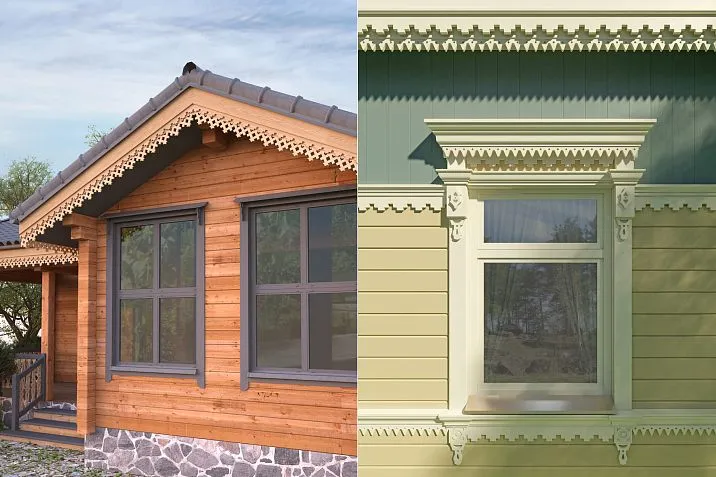
Are you standing at the threshold of a fateful decision to build your own home? Does your soul yearn for something real, alive, imbued with history and meaning? Rural House in Russian Style It is not merely an architectural solution, but a return to roots, to the understanding of dwelling that has been forming for centuries in the soul of the Russian people.
Imagine: morning begins with you opening carved shutters and looking at the world through windows framed by exquisite wooden latticework. Every detail of the house tells a story, each element carries deep meaning passed down from generation to generation. This is a home that does not merely protect from bad weather — it warms the soul and unites the family.
In an era of standardized construction and soulless suburban estates, a rural house in Russian style becomes a true work of art — a place where modern comfort harmoniously combines with centuries-old traditions of national architecture.


History as Foundation: Roots of Russian Rural Construction
To understand the essence of a rural house in Russian style, one must delve into the depths of history, tracing the evolution of Russian architecture from simple peasant cottages to luxurious noble estates.




Peasant Cottages: The Wisdom of Simplicity
The origins of Russian wooden architecture stretch back into the depths of centuries, when our ancestors built dwellings perfectly adapted to harsh climates and lifestyles. The peasant cottage was not merely a house — it was a microcosm, where every element had both practical and symbolic significance.
The foundation of traditional Russian houses was the log structure — a construction of horizontally laid logs, joined at corners without a single nail. Masters understood wood as a living material, knew its nature, and knew how to make it serve for decades.
The Most Beautiful Wooden Houses What amazed people of that time was not the luxury of finishes, but the harmony of proportions and the functional thoughtfulness of every detail. A high cellar protected against dampness, a sloping roof easily shed snow, and orientation towards the cardinal directions maximally utilized solar heat.
Our factory also produces:



Noble Estates: The Golden Age of Architectural Art
The 18th-19th centuries became the golden age of Russian estate construction. The nobility, having received education in Europe, sought to create in their estates an ideal world, where beauty served not only aesthetic but also spiritual purposes.
A rural house in Russian style of that era represented a complex architectural ensemble, including the main house, wings, service buildings, and a park with pavilions. Each element was carefully designed and harmoniously integrated into the overall composition.
The architectural forms of estate houses combined European influences with national traditions. Classical porticos coexisted with traditional mezzanines, and strict facade symmetry was complemented by picturesque terraces and galleries.
Get Consultation
Merchant Mansions: Wealth in Traditional Forms
The merchant class of the 19th century contributed to the development of Russian rural architecture. Wealthy merchants sought to emphasize their status, yet remained faithful to national traditions.
Merchant houses were distinguished by their grandeur and rich decorative furnishings. Carvings covered not only window frames and cornices, but also walls, turning the house into a true work of decorative-applied art.
Architectural decoration Merchant houses amazed with the variety of motifs: plant ornaments intertwined with geometric patterns, and traditional symbols were supplemented by new ones borrowed from urban culture.
Philosophy of the Russian House: More Than Architecture
A rural house in Russian style embodies a unique understanding of dwelling as the center of the universe — a place where a person is in harmony with nature, family, and oneself.
The House as a Living Organism
Russian masters always regarded the house as a living being. The house was born, grew, lived, and died alongside the generations of its inhabitants. This philosophy was reflected in every detail: from the choice of wood to the final stroke of carved ornamentation.
Construction materials were selected not only for their technical properties, but also for their energetic qualities. Pine provided warmth and protection, oak — strength and durability, birch — light and purity. Each type of wood had its own place and purpose.
Internal filling of a wooden house It was created as a unified system, where each element complemented the overall harmony. Carved details did not merely decorate the space — they carried protective and symbolic functions.
Connection with natural cycles
The traditional Russian house lived in harmony with nature's rhythm. The layout considered the movement of the sun, direction of the winds, and seasonal changes. The house was oriented to maximize natural lighting and warmth.
Large southern-facing windows provided illumination during short winter days, while deep roof overhangs protected against summer heat. Verandas and terraces served as transitional spaces between the house and garden, allowing enjoyment of nature in any weather.
Seasonal adaptation of the house was reflected in details: summer and winter entrances, different furniture for warm and cold seasons, a heating system allowing only necessary rooms to be warmed.
Family traditions and continuity
A country house in the Russian style was always the center of family life, a place where traditions were formed and passed down. The layout reflected family hierarchy and facilitated communication between generations.
The red corner with icons was the spiritual center of the house, the common room — a place for family councils and celebrations, while separate rooms ensured necessary privacy. Each room had its own purpose and symbolic meaning.
The house was built not for one generation. Planning took into account the needs of future generations, providing opportunities for expansion and modernization without disrupting overall harmony.
Regional diversity: styles of the Russian country house
Russia's vast territories gave rise to numerous regional variations of the country house in the Russian style. Each region developed its own traditions, reflecting climatic conditions, available materials, and cultural influences.
North Russian school: monumentality and elegance
The Russian North gifted the world the most expressive examples of wooden architecture. Arkhangelsk, Vologda regions, Karelia — here a style emerged, combining monumentality with refined ornamentation.
Northern houses were built from large logs — beams with diameters of 50-80 centimeters created a sense of solidity and protection. High cellars protected against harsh winters, while steep roofs easily shed snow.
The decorative furnishings of northern houses are distinguished by exceptional refinement. wooden interior decorations They were created by masters of the highest class, capable of transforming a simple plank into a lace-like wonder.
Central Russian traditions: harmony of central regions
Central regions of Russia — Moscow, Tver, Yaroslavl — gave their own variation of the country house in the Russian style, distinguished by exceptional harmony of proportions and elegance of solutions.
Here, the classic image of a Russian estate emerged: a two-story house with a mezzanine, spacious terraces, park-like surroundings. Architecture combined traditional Russian forms with elements of classicism and Empire style.
A distinctive feature of the Central Russian style was a refined understanding of scale. Houses did not overwhelm with size, but enchanted with the elegance of details and thoughtful composition. Each element was in harmony with the whole.
Volga motifs: multicultural synthesis
The Volga region presented a unique variation of Russian architecture, enriched by influences of Turkic and Finno-Ugric peoples. Here, the country house in the Russian style acquired particular vividness and decorative richness.
Volga craftsmen widely used polychrome painting, combining it with carved decoration. Houses literally bloomed in all the colors of the rainbow, creating a festive, joyful impression.
Layout solutions also reflected the multicultural nature of the region. Spacious verandas, characteristic of southern climates, coexisted with traditional Russian sennikas and horizonts.
Siberian characteristics: adaptation to extreme climate
Siberian wooden architecture developed its own principles dictated by extreme climatic conditions. The country house in the Russian style here acquired particular solidity and practicality.
Siberian houses were distinguished by increased wall thickness, complex heating systems, and thoughtfully designed wind protection. At the same time, beauty was not neglected — Siberian carving has its own distinctive features and motifs.
Modern interpretation: traditions in the 21st century
A modern country house in the Russian style is not a museum copy of historical models, but a creative reinterpretation of traditions taking into account modern needs and technological possibilities.
Planning innovations: comfort of a modern family
Today's family needs differ significantly from traditional arrangements. A modern country house in Russian style should include spacious kitchen-living areas, multiple bathrooms, closets, home theaters, and sports halls.
At the same time, it is important to preserve the main principles of traditional planning: zoning of space, hierarchy of rooms, connection with the natural environment. Modern architects skillfully solve the task of combining historical authenticity with current functionality.
Wooden decor on a dacha plays a key role in creating the atmosphere of a traditional Russian house. Carved elements, balusters, and moldings not only decorate the space, but also create the necessary mood.
Materials and Technologies: New Possibilities
Modern construction technologies have significantly expanded the possibilities for creating a country house in Russian style. Glued timber, frame technologies, and modern insulation materials allow building homes that surpass historical analogs in all operational characteristics.
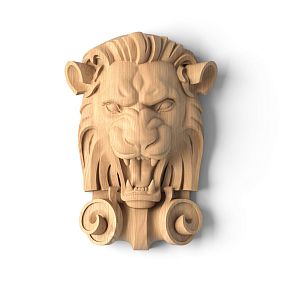
A key achievement has been the ability to precisely reproduce complex carved elements using modern equipment. Decorative Inserts Today, they can be manufactured with jewel-like precision while still retaining the living warmth of handcrafted work.
Climate control systems, "smart homes," and renewable energy sources are organically integrated into traditional architecture without compromising its aesthetic integrity. The house receives a modern interior in a historical shell.
Ecological principles: a house in harmony with nature
A modern country house in Russian style embodies principles of ecological construction that were intuitively understood by our ancestors. Use of natural materials, energy-efficient solutions, minimal environmental impact.
A wooden house naturally fits into the concept of sustainable development. Wood is a renewable resource that, when properly used, does not harm nature. Moreover, wooden structures sequester carbon, contributing to the fight against climate change.
Modern technologies allow creating homes with nearly zero energy consumption. Geothermal heating, solar panels, and rainwater collection systems transform a traditional house into a high-tech ecological complex.
Architectural composition: creating a harmonious image
Creating a country house in Russian style requires a deep understanding of traditional architectural composition principles and the ability to adapt them to modern conditions.
Proportional system: foundations of harmony
The foundation of beauty of any architectural structure is correct proportions. Russian masters intuitively followed the laws of the golden section, creating buildings perceived as natural and harmonious.
The height of the house was related to its width in certain proportions. The size of windows, distances between them, the height of the foundation — all these elements were subject to a unified mathematical logic, creating a sense of wholeness and calm.
Modern design of a country house in Russian style must take into account these principles, adapting them to the increased sizes of modern homes. It is important to preserve human scale, avoiding overwhelming monumentality.
Symmetry and rhythm: music in stone and wood
Classical Russian architecture was based on principles of symmetry and rhythmic organization. The central axis of composition passed through the main entrance, with equal elements placed on both sides.
Rhythm was created by repeating identical elements — windows, columns, decorative details. This rhythm could vary, creating accents and emphasizing important parts of the building. The rhythmic organization of the facade is perceived as a musical composition, where each note has its place.
A modern country house in Russian style can play with traditional principles, creating more free, asymmetrical compositions, but the foundation — understanding of rhythm and proportions — must be preserved.
Interaction with the landscape: the house as part of nature
A traditional Russian house was always considered as part of the surrounding landscape. Placement on the plot, orientation to cardinal directions, connection with utility buildings and gardens — all this was carefully planned.
A country house in Russian style must organically fit into the natural surroundings, not overpower it, but complement and enrich it. Terraces and verandas create a smooth transition from the house to the garden, large windows bring nature inside.
Modern landscape design allows creating complex compositions where architecture and nature merge into a single whole. The house can become part of the landscape, and the landscape — an extension of the house.
Decorative furnishings: art in details
Decorative finishing plays a key role in creating the image of a country house in Russian style. Each element should not only decorate, but also carry semantic meaning, correspond to the overall concept of the house.
Carved moldings: the calling card of a Russian house
Lintels are the most recognizable element of Russian wooden architecture. They not only protect the junction between the wall and window frame, but also create artistic window decoration, turning them into expressive facade accents.
Traditional lintel motifs have deep symbolic meaning. Solar symbols protected against dark forces, plant ornaments attracted fertility, and geometric patterns symbolized order and harmony.
Modern technologies allow reproducing the most complex historical lintel samples or creating new ones, stylized after traditional motifs. It is important to maintain proportions and avoid overloading the facade with unnecessary details.
Eaves and friezes: composition completion
Eaves play an important role in architectural composition, creating horizontal divisions of the facade and emphasizing the building's structural logic. They not only protect walls from precipitation, but also serve as a base for placing decorative elements.
Friezes — horizontal decorative bands — can be located under eaves, between floors, or in the basement part of the building. Their ornamentation should harmonize with the overall style of the house and support the main decorative motifs.
Beautiful wooden houses Always distinguished by refined eave profiling and richness of decorative elements, creating a complex play of light and shadow on the facade.
Veranda and entrance group: a majestic portal
The veranda is the face of the house, the first thing guests and passersby see. It must correspond to the scale and style of the building, create a majestic impression, and invite entry.
Traditional Russian verandas included several steps, a landing, a canopy on posts or brackets. Posts were often adorned with carving, and railings became delicate works of art.
Modern verandas may be more complex in construction, include step heating systems, lighting, but the basic principles remain unchanged: proportionality, majesty, richness of decorative furnishings.
Terraces and verandas: connection with nature
Terraces and verandas are a characteristic feature of country houses in the Russian style. They create additional living space, allow enjoying nature, and serve as family leisure and social areas.
Open terraces are used in warm seasons, while enclosed verandas can be used year-round. Modern technologies allow creating transformable spaces with sliding glass walls, heating, and lighting systems.
Decorative treatment of terraces and verandas should harmonize with the main house. Carved railings, decorative columns, hanging elements create a unified architectural ensemble.
Interior solutions: the inner world of the Russian house
The interior space of a country house in the Russian style should continue and develop the theme established by the facade architecture. Here, it is especially important to find a balance between historical authenticity and modern comfort.
Spatial planning: from entryways to the main hall
Traditional Russian house structure included several functional zones, each with its own character and purpose. Entryways served as a buffer zone between the street and living areas, the izba was the center of daily life, and the main hall was the formal reception room.
Modern spatial planning adapts these principles to the needs of the 21st century. The entryway serves as the entryway, the living room as the izba, and the office or library can become a modern main hall. New functional zones — kitchen, bathrooms, bedrooms, technical rooms — are added.
It is important to preserve the principle of zoning, where each part of the house has its own character and purpose, but all zones are connected by a common idea and stylistic treatment.
Material basis of the interior
Wood is the foundation of the interior of a country house in the Russian style. Walls made of logs or beams create a warm, cozy atmosphere. Different types of wood can be used for various elements: pine for walls, oak for floors, birch for furniture.
The natural texture of wood should be emphasized by quality finishing and protective coatings that preserve and enhance the material's natural beauty. Modern technologies allow creating various effects: from smooth, polished surfaces to artificially aged wood.
Wooden foundations are complemented by other natural materials: stone for fireplaces and accent walls, wrought metal for lamps and hardware, natural textiles for upholstered furniture and curtains.
Color palette and lighting
The color palette of the interior of a country house in the Russian style is based on natural wood tones and natural pigments. Warm brown tones form the base, complemented by bright accents of red, blue, and green colors.
Lighting should highlight the beauty of wooden surfaces and create a cozy atmosphere. Main lighting is supplemented by local lighting — table lamps, floor lamps, and accent lighting for architectural details.
Modern LED technologies allow creating lighting with adjustable color temperature, imitating natural changes in daylight throughout the day.
Furniture and Interior Items
Furniture for a country house in the Russian style should correspond to the overall interior concept. Preference is given to solid wood items, crafted in traditional forms or stylized after historical samples.
Modern furniture can combine traditional aesthetics with current functionality. Built-in cabinets, transformable tables, multifunctional sofas solve practical problems without disrupting stylistic unity.
Decorative items — ceramics, textiles, folk crafts — add authenticity to the interior and create the necessary atmosphere. It is important not to overdo decorative elements, maintaining a balance between richness and moderation.
Technical systems: modern comfort in a traditional shell
A modern country house in Russian style must provide maximum living comfort, which requires thoughtful integration of complex engineering systems.
Heating and climate control
The traditional Russian stove remains an important element of a country house in Russian style, but modern needs require additional heating systems. Water-based heating with modern boilers ensures even heating of all rooms.
Warm floors are especially effective in wooden houses, creating comfortable conditions without visible heating appliances. Modern climate control systems automatically maintain optimal temperature and humidity in each room.
Fireplaces and stoves serve not only a heating function, but also an aesthetic one, creating a special atmosphere of coziness and warmth in the house. Modern fireplace inserts provide high efficiency and environmentally friendly combustion.
Ventilation and air conditioning
A wooden house has natural air permeability, but modern energy efficiency requirements demand controlled ventilation. Supply-exhaust systems with heat recovery provide fresh air with minimal energy loss.
Summer air conditioning can be achieved through the same ducts used for ventilation, or via separate systems. It is important to properly design equipment placement to avoid disrupting architectural harmony.
Water supply and sewage
Autonomous water supply and sewage systems allow full comfort in a country house. A well, water treatment system, and storage tanks provide reliable water supply.
Local sewage treatment facilities process wastewater to an environmentally safe level. Modern systems are compact and require no constant maintenance.
Electrical supply and automation
Electrical supply for a country house in Russian style must ensure operation of all modern systems while complying with fire safety requirements for wooden structures.
Smart home systems allow automation of lighting, heating, security, and multimedia. At the same time, control elements must blend organically into the interior, not disrupting its stylistic integrity.
Backup power from generators or battery banks ensures energy independence of the house in critical situations.
Landscape surroundings: the house in dialogue with nature
A country house in Russian style is unthinkable without appropriate landscaping. Garden, park, and utility buildings must form a unified ensemble with the main house.
Landscape planning principles
Traditional Russian estate planning combined functionality with beauty. The formal area in front of the house was designed in a regular style with clear geometric forms. Behind the house was a picturesque park with scenic paths and water bodies.
Modern landscape design can use these principles, adapting them to the size of the plot and family needs. Zoning the territory, creating various types of spaces, and linking the house with the garden — these are the main tasks of landscape design.
Small architectural forms
Pavilions, pergolas, bridges, and fences complement the architectural ensemble of a country house in Russian style. They should be executed in the same style as the main house, using the same materials and decorative motifs.
Modern small architectural forms may include additional functions: lighting, heating, and sound systems. A pavilion becomes an additional open-air living room.
Planting design
Plant selection for a garden in a country house in Russian style should match the climate and create a harmonious landscape. Traditional Russian trees — birch, linden, rowan — form the basis of the composition.
A fruit orchard not only yields harvest, but also decorates the plot during blooming. Ornamental shrubs, flower beds, and lawns enhance the scene, creating seasonal dynamics in the landscape.
Modern gardening offers many new plant varieties adapted to the Russian climate. It is important to maintain a balance between novelty and tradition, without disrupting the natural harmony of the plot.
Economic aspects: investment in quality of life
Building a country house in Russian style requires serious investment, but these investments are justified by longevity, uniqueness, and growing popularity of this type of housing.
Construction Cost
Main factors affecting the cost of a country house in Russian style: size and complexity of the project, selected materials, degree of decorative finishing, remoteness of the plot, construction season.
The most expensive elements are quality log or glued timber, complex roofing, carved decorative elements, engineering systems. Cutting costs on these items may lead to reduced quality and durability of the house.
It is important to correctly set priorities and invest in elements that define the character and quality of the house. Decorative elements can be added gradually, while main structural components must be executed with quality from the very beginning.
Operating expenses
A properly constructed country house in Russian style is economical to operate. Quality materials and structures require minimal maintenance, and energy-efficient solutions reduce heating costs.
Regular maintenance includes updating protective wood coatings, checking engineering systems, and landscaping care. With quality construction, these expenses are predictable and not burdensome.
Investment attractiveness
A country house in Russian style has high investment attractiveness due to its uniqueness, connection with cultural traditions, and quality execution. Such houses enjoy steady demand in the luxury real estate market.
Homes with quality carved decoration, authentic materials, thoughtful layout, and developed infrastructure are especially valued. They are regarded not only as residences, but also as works of art.
The tourist potential of such houses creates additional opportunities for income. Development of domestic tourism and interest in national traditions increase the attractiveness of country houses in Russian style.
Conclusion: The House as a Manifestation of a Dream
A country house in Russian style today is not a fashion statement or an attempt to escape reality. It is a conscious choice of people who understand the value of roots, traditions, and authentic beauty.
Such a house becomes a center of attraction for the entire family, a place where one wants to spend time, entertain guests, and celebrate holidays. It nurtures children, inspires adults, and provides peace for the elderly. This is a home in the fullest sense of the word — a place where personality is formed and family bonds are strengthened.
Building a country house in Russian style is an investment not only in real estate, but also in quality of life, spiritual wealth of the family, and cultural continuity across generations. It is a choice of those who do not wish to live in an impersonal environment, who strive to surround themselves with beauty and meaning.
Each carved casing, each baluster, each decorative element carries the soul of the craftsman, the wisdom of generations, beauty that is not subject to time. A country house in Russian style is a bridge between the past and the future, between traditions and innovations, between dream and reality.
Choosing such a house, you are choosing not just a place to live — you are choosing a lifestyle, a philosophy, a system of values. You become a guardian of traditions and a creator of a new family history.
STAVROS company, for many years, creates decorative elements for houses in Russian style, combining traditional techniques with modern technologies. Our masters understand that every detail matters, every element must be perfect. We do not create merely decorative items — we help bring to life dreams of a home that will become a family nest for generations. With STAVROS, your country house in Russian style will acquire authentic beauty and unique character.