Article Contents:
- Philosophy of visual unity
- Walls as architectural context
- Materials and Textures
- Decorative systems
- Color solutions
- Furniture legs: function and aesthetics
- Constructive role
- Stylistic Diversity
- Typology by purpose
- Stylistic scenarios of combination
- Classic Interior
- Scandinavian minimalism
- Loft and industrial aesthetics
- Modern eclecticism
- Practical aspects of implementation
- Planning and design
- Material selection and procurement
- Installation and mounting
- Maintenance and operation
- Economic Aspects
- Project budgeting
- Price-to-Quality Ratio
- Regional accessibility
- Frequently Asked Questions
- STAVROS: mastery of creating harmonious interiors
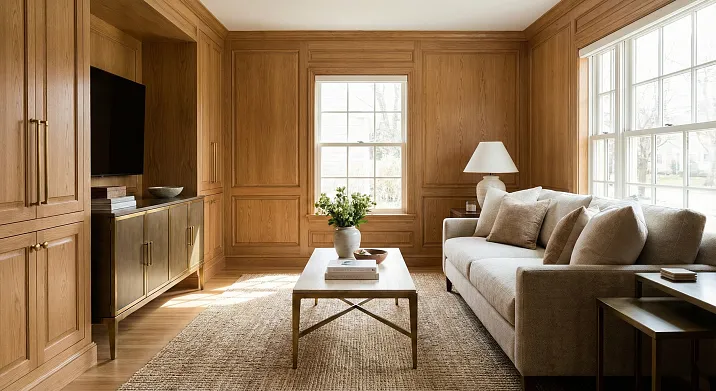
Space acquires its character only when architectural elements and furniture details form an inseparable stylistic composition.Internal decorative wall claddingdefines the image of the room, andwooden furniture legsbecome its continuation, materializing the chosen concept in each piece of furniture. Professional interior design is built on understanding: details do not exist in isolation — they form a single visual statement, in which walls, floor, ceiling, and furniture speak the same language.


Philosophy of visual unity
Modern approach to interior design requires a holistic vision of space, where each element enhances and complements the adjacent one.Decorative wall finishing for interiorscreates an architectural frame within which the scenography of furnishings unfolds.Carved furniture supportspick up the theme of decoration, repeating motifs of wall elements, echoing moldings' ornaments, or supporting the rhythm of slatted structures.
WhenInternal wall finishingis executed usingsculptural wall decorationsand wooden furniture elements made from the same species create a sense of natural harmony and thoughtful design.Wooden wall claddingand wooden furniture elements made from the same species create a sense of natural harmony and thoughtful design.
Contrast also works, but requires a delicate sense of proportion. MinimalistWall cladding for paintingcan be balanced by intricately carved legs of classic form — such a solution creates an interesting tension between background and accents. Conversely, richly decorated walls require restraint in furniture hardware, otherwise the space becomes overloaded and visually fatiguing.




Walls as architectural context
Our factory also produces:


Materials and textures
wall finishing materialsdetermine the tactile and visual perception of space. Natural wood — oak, beech, ash — creates a warm, natural atmosphere that requires corresponding continuation in furniture.wooden furniture legsmade from the same species as wall panels form material unity. Different species can be combined, playing on the contrast of shades and textures, but it is important to maintain a balance of warm and cool tones.
Polyurethane wall claddingopens up other possibilities. This material allows creating complex architectural profiles, imitating plaster moldings, reproducing historical decorative samples.Decorative wall and ceiling finishingPolyurethane elements harmonize beautifully with wooden furniture legs—white or cream-colored polyurethane paired with natural wood creates a classic combination proven over centuries.
Plank wall cladding— a current solution for modern interiors.Racks for internal wall claddingThey create rhythmic structure, play of light and shadow, and visual dynamics. Furniture legs in such an interior can be minimalist, supporting the modern character of the space, or contrastingly classical, creating eclectic tension.
Get Consultation
Decorative Systems
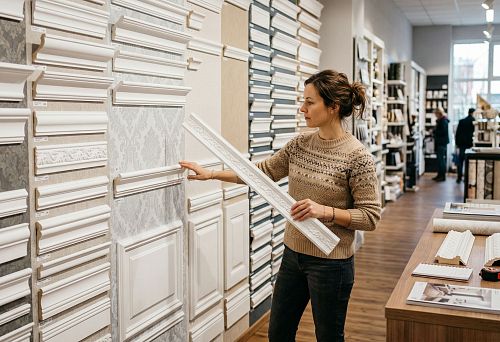
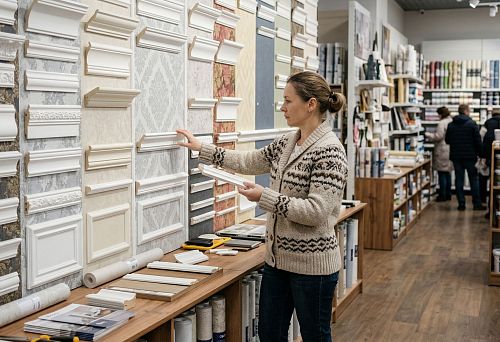
Wall finishing with moldingsThey transform a flat surface into an architecturally articulated wall with divisions, proportions, and rhythm. The classical scheme implies dividing the wall into a panel zone, main field, and frieze.Decorative wall panels wall finishingIn the form of bouillons, they create a luxurious backdrop for furniture. In such a context,Carved legs for furnitureWith ornaments and complex profiles, they appear organically and appropriately.
Relief wall finishingThey add volume and depth to the space. Three-dimensional panels, carved elements, and structural finishes contribute to tactile and visual enrichment of the environment.3D Wall FinishingThey require proportionally matched furniture elements—expressive volumetric walls paired with unexpressive furniture on simple supports create imbalance.
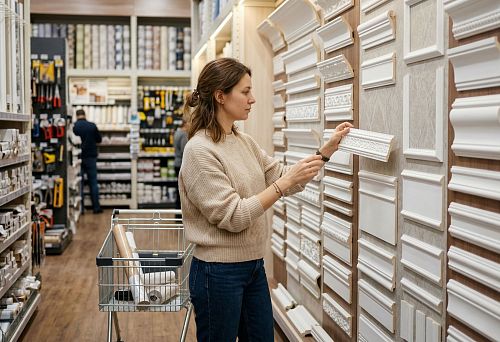
Decorative wall finishingThey may include overlays, sockets, brackets, pilasters. These architectural details set the scale of decoration, which must be supported by furniture hardware. Large wall elements require correspondingly massive and expressive legs, while small details require more delicate and refined supports.
Color Solutions
Color unites or separates interior elements.Wall cladding in an apartmentIn neutral tones—white, gray, beige—it serves as a universal background for furniture of any style. Wooden legs with natural finish or painted in contrasting colors read equally well against a neutral background.Wall room finishingIn vibrant colors, it requires a more cautious approach—furniture hardware should either blend with the overall tone or create a deliberate accent.
Decorative wall finishing with woodIn natural shades, it dictates the selection of furniture elements in the same color temperature. Warm woods—oak, walnut, cherry—coordinate with warm tones in wall finishes. Cool light woods—white oak, beech, maple—harmonize with Scandinavian palettes and gray tones.Hardware in the interior styleIt should consider these color temperature relationships.
Furniture legs: function and aesthetics
Constructive Role
wooden furniture legsThey perform a critically important function—they ensure stability, distribute load, and elevate furniture above the floor. Quality wooden supports are made from hardwoods—oak, beech, maple—that possess the necessary strength and durability. Kiln-drying wood to 8–12% moisture content prevents deformation and cracking during use.
Leg construction depends on furniture type and load. Heavy legs for dressers and cabinets must withstand significant weight without bending. Elegant turned legs for coffee tables operate under lighter loads and can be more decorative. Supports for upholstered furniture—sofas, chairs—experience dynamic loads and require special joint strength.
The geometry of supports affects furniture stability. Widely spaced legs provide better stability than closely spaced ones. A base that widens toward the bottom adds additional support. Central support for round tables must have a substantial base to compensate for the absence of corner support points.
Stylistic diversity
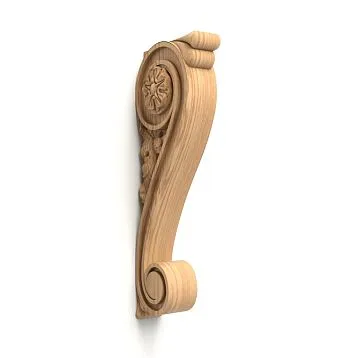
Carved furniture supportsThey represent works of decorative-applied art. Floral ornaments, geometric patterns, animal motifs, heraldic compositions—wood carving allows creating unique elements that transform utilitarian supports into artistic objects. The quality of carving is determined by the depth of detail, clarity of lines, and harmony of composition.
Classic turned legs are the standard of proportions and elegance. Balusters with their smooth curves, alternating convexities and concavities create rhythmic and balanced forms. Fluted legs with vertical grooves refer to classical traditions. Spiral legs with helical patterns add dynamism and baroque luxury.Hardware in the interior styleClassic style requires strict adherence to historical models.
Modern designer legs are characterized by simplicity and geometric forms. Straight square or rectangular supports, conical legs, slanted elements—all of these work within the context of minimalism, Scandinavian style, and loft. Wooden legs painted black, white, or bright colors become graphic accents in modern interiors.
Typology by purpose
Legs for tables are presented in the greatest variety. Heavy turned supports for dining tables ensure stability and create a formal appearance. Elegant legs for console tables emphasize the lightness of the structure. Low, spread-out supports for coffee tables visually bring the object closer to the floor, creating a sense of stability. High legs for bar tables and stands require special strength and often include footrests for comfort.
Supports for case furniture—dressers, side tables, cabinets—are usually shorter and heavier. They can be hidden when the case visually rests on the floor, or exposed, lifting the furniture and lightening its perception.carved legsFor case furniture, they are often made in the form of animal legs, scrolls, volutes—traditional motifs of classical furniture.
Legs for upholstered furniture solve not only structural but also hygienic tasks. A sofa or chair raised above the floor ensures air circulation, simplifies cleaning, and visually lightens the heavy structure. Wooden supports in upholstered furniture become decorative accents, contrasting with upholstery in material and often in color.
Stylistic combination scenarios
Classic interior
Classic style requires adherence to canons.Plaster ornament for walls and ceilingscreates architectural articulation characteristic of historical styles — baroque, rococo, classicism, and neoclassicism. Panels, cornices, pilasters, and rosettes form a complex hierarchical system.Carved furniture supportscontinue this line, reproducing wall decoration ornaments in three-dimensional form.
Symmetry, proportionality, and the order system — foundations of the classical language.Internal decorative wall claddingin the classical style implies strict adherence to proportions and rhythms. Furniture legs must conform to this system — their height, thickness, and decorative character are determined by overall room proportions and the scale of architectural elements.
Materials of classical interiors — natural wood of valuable species, marble, gilding, quality fabrics.wooden furniture legsmade of oak or walnut with carving and gilding, support the overall line of luxury and tradition. Wooden elements painted white with gold accents create lightness and grandeur characteristic of French classicism.
Scandinavian minimalism
Scandinavian style is built on opposite principles — simplicity, functionality, naturalness.Wall finishingminimalist — surfaces painted white or light gray, natural light wood, absence of decorative excesses.wooden furniture legsin Scandinavian interiors should be minimalist, functional, visually light.
Typical Scandinavian legs — conical, widening toward the top, slanted, slender. Light wood species — whitewashed oak, beech, birch, maple — with natural finish or minimal tinting. Material honesty, visible wood grain, absence of imitation — key characteristics of the style.Hardware in the interior styleshould be as simple and functional as possible.
Wall cladding optionsin Scandinavian style include white paint, light wood, sometimes an accent wall with neutral patterned wallpaper. Furniture legs should not distract attention — they remain functional elements supporting the overall atmosphere of purity and light.
Loft and industrial aesthetics
Industrial style allows bold combinations and contrasts.Wall finishing in a private houseor in a loft-style city apartment may include exposed brickwork, concrete surfaces, metal panels.Wooden planksWood with rough processing and preservation of natural imperfections enhances the industrial feel.
wooden furniture legsin loft interiors are often combined with metal. Wooden elements may be substantial, made of aged reclaimed wood with patina, or painted in dark colors — black, graphite, dark brown. Deliberate simplicity, visible joints, open construction — characteristic features of the style.
Contrast between rough industrial surfaces and quality wooden furniture creates an interesting tension.Carved furniture supportsclassical pieces can unexpectedly work in loft interiors, creating an eclectic combination. The key is to maintain balance and avoid overcrowding the space with conflicting elements.
Modern Eclecticism
Eclecticism allows combining elements from different eras and styles, creating unique interiors.Decorative wall finishing optionsin an eclectic space may include classical moldings, modern materials, and ethnic motifs.Furniture legsin such a context can be the most diverse — from antique carved to ultra-modern metal.
Key to successful eclecticism — presence of unifying elements. Color palette, recurring materials, overall scale of details — what ties disparate elements into a harmonious whole.Hardware in the interior styleof eclectic direction must be carefully planned to avoid turning the space into a chaotic accumulation of incompatible items.
Wall finishing samplesin eclectic interiors demonstrate how to organically combine Victorian carving, Scandinavian minimalism, and ethnic accents. Professional intuition and understanding of compositional fundamentals help create spaces where diversity serves the overall concept rather than undermines it.
Practical aspects of implementation
Planning and design
Creating a harmonious interior begins with planning.DIY decorative wall finishingor with the involvement of specialists requires a preliminary project defining materials, colors, proportions of elements. Selection of furniture legs should be part of this project, not a random decision at the final stage.
Visualization helps assess how will interactWall finishing photoand selected furniture hardware. Modern programs allow creating realistic images of the future interior, experimenting with options, adjusting decisions until the start of implementation.Wall finishing photos in apartmentswith different types of furniture gives an idea of possible combinations.
Preparing material and product specifications — an important stage.Buy internal wall claddinghigh-quality andwooden furniture legsfrom reputable manufacturers means ensuring durability and alignment with the original concept. Precise calculation of material quantities, consideration of installation-specific features, planning of work sequence — all this determines the success of the project.
Material selection and procurement
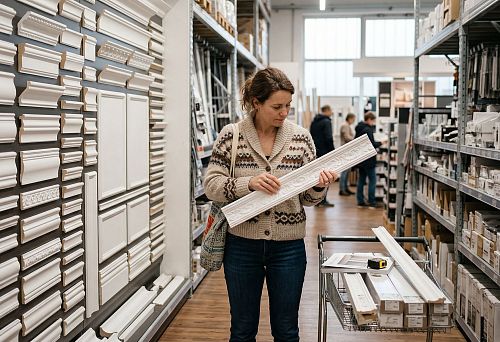
Buy decorative wall finishesAvailable ready-made or custom-made to individual sizes. Polyurethane elements are available in a wide variety and can be delivered immediately. Wooden panels, planks, moldings may require production time, especially if non-standard sizes or wood species are needed.
wooden furniture legsAlso available ready-made and on order. Manufacturers' catalogs offer hundreds of options — from simple conical to complex carved. The choice depends on interior style, furniture type, and project budget. QualityCarved furniture supportscosts more than simple turned pieces, but creates a completely different level of perception.
Decorative wall finishing priceVaries widely. Polyurethane elements are more affordable than wooden or plaster ones. Solid wood is more expensive but longer-lasting and more aesthetically pleasing.Internal decorative wall finishingQuality means investing in long-term beauty and functionality of the space.
Installation and Mounting
Wall finishing in a houseRequires professional skills or careful study of technologies. Polyurethane elements are mounted using special adhesive; wooden panels and planks are attached to a frame or directly to walls using concealed fasteners. Accurate marking, maintaining levels, and careful joining of elements are critically important aspects of quality installation.
Installing furniture legs requires precision and understanding of construction.Wooden legsAre attached to furniture bodies using various systems — dowel joints, metal hardware, special plates. It is important to ensure perpendicular installation, even load distribution, and secure connections. Incorrectly installed legs cause furniture to become misaligned, loosen the structure, and wear out quickly.
Final finishing completes the process.Wall cladding for paintingAllows creating individual color solutions. Furniture legs can also be painted, stained, or patinated depending on the design concept. Quality lacquer coating protects the wood and highlights its beauty.
Care and Maintenance
Internal decorative wall claddingRequires regular but simple maintenance. Polyurethane elements are wiped with a damp cloth; wooden surfaces are periodically treated with special compounds. Controlling air humidity is a crucial condition for preserving wooden elements. Optimal level 40–60% prevents cracking and deformation.
wooden furniture legsWith proper use, they serve for decades. It is important to avoid direct contact with water, not place furniture near heating appliances, and promptly tighten loosened connections. Periodic treatment with wax or oil maintains the protective properties of the coating and highlights the wood texture.
Preventive inspection allows identifying problems at an early stage. Appearance of cracks, loosening of connections, fading of coating — signals requiring intervention. Timely repair and restoration extend the life of interior elements, preserving their aesthetic and functional qualities.
Economic Aspects
Project budgeting
The cost of implementing an interior project consists of many components.Decorative wall finishing in MoscowWhen executed by professional crews, it includes materials, labor, delivery, and overhead costs. Doing it yourself saves money but requires time, tools, and skills.
Furniture hardware also affects the budget. QualityCarved legs for furnituremade from solid oak significantly cost more than simple turned pieces from pine. However, the difference in durability, aesthetics, and functionality justifies the investment.Hardware in the interior stylePremium-level — an investment in quality of life.
On basic elements —wall finishingand load-bearing furniture structures — it is not advisable to economize. Decorative accessories, textiles, and temporary elements can be chosen from a more affordable segment and replaced as needed.
Price-to-quality ratio
Cheap materials and hardware often result in additional costs in the future. Poor-qualitydecorative wall finishingloses its appearance within a few years, requiring replacement. Fragile furniture legs break under load, loosen, and deform.wooden furniture legsMade from quality wood with professional processing, they serve for decades.
Reputable manufacturers guarantee compliance with declared characteristics.Wall Finishing ElementsFrom well-known brands undergo quality control, have certificates, and meet safety standards.furniture legsFrom professional manufacturers are produced according to technologies, using properly dried wood, with high-quality fastening systems.
The long-term perspective shows: investments in quality pay off.Interior wall finishing in an apartmentMade with quality materials and reliable furniture hardware, they create an environment that does not require frequent updates, preserving aesthetics and functionality for many years.
Regional accessibility
Decorative wall finishing in MoscowImplies access to a wide range of materials, qualified specialists, and modern technologies. The capital market stands out for its variety of offerings and high competition, which benefits the client. Specialized stores, manufacturing companies, and design studios — all of these are available in major cities.
In regions, the choice may be more limited, but modern logistics and online trade solve this problem.wooden furniture legsAnd decorative finishing elements can be ordered with delivery from any region. Proven manufacturers operate nationwide, ensuring quality packaging and product transportation.
Cooperation with manufacturers directly is more beneficial than purchasing through intermediaries.Internal decorative wall finishingGetting the best price, complete product information, technical support, and quality guarantees.Carved furniture supportsMade to order according to individual requirements and delivered within agreed timelines.
Frequently asked questions
How to choose furniture legs to match wall finish style?
The key principle — alignment with the overall stylistic concept. ClassicalWall finishing with moldingsrequirescarved legsor classical carved forms. Minimalist walls pair well with simple geometric supports. Consider the material, color, and scale of decorative elements.
Can different styles be combined in one interior?
Yes, eclecticism allows combining elements of different styles provided there are unifying factors — color palette, recurring materials, consistent scale. It is important that combinations are thoughtfully planned, not random.Hardware in the interior styleEclectic style requires special sensitivity and understanding of composition.
Which wood species are best for furniture legs?
Hardwoods — oak, beech, ash — are optimal for furniture legs. They offer necessary strength, durability, and attractive texture. Oak is the strongest and most durable, but also the most expensive. Beech offers excellent quality-to-price ratio. Ash has striking texture and good strength characteristics.
Do wooden legs require special coating?
Yes, protective coating extends service life and preserves aesthetics. Lacquer creates a durable protective film but may hide the texture. Oil and wax penetrate wood structure, highlight grain, provide protection, and are easy to renew. Paint allows creating color accents.
How to care for decorative wall finishes?
Regular dust removal with soft cloth or vacuum attachments. Polyurethane elements can be wiped with damp cloth and mild cleaners. Wooden surfaces should be periodically treated with special compounds, avoiding excessive moisture and direct sunlight.
Can furniture legs be installed by oneself?
Yes, with basic tool-handling skills. It is important to accurately mark mounting locations, ensure proper alignment, and use appropriate fasteners. For heavy furniture, reinforced fastening is recommended. If unsure, it is better to consult professionals.
How long do quality wooden legs last?
With proper use and care — decades. There are known examples of antique furniture with wooden legs over a century old. Proper kiln drying, professional manufacturing, and protective coating — all guarantee longevity.
Does leg height affect how furniture is perceived?
Absolutely. High legs make furniture visually lighter, elevate it above the floor, creating a sense of lightness. Low or hidden supports add mass, stability, bringing the object closer to the floor. The choice depends on desired effect and interior style.
STAVROS: craftsmanship in creating harmonious interiors
The company STAVROS specializes in producing premium elements fordecorative interior wall finishesandwooden hardware from natural woodDecades of experience, modern equipment, meticulous quality control at every production stage, attention to detail — the foundation of our reputation among professional designers, furniture manufacturers, and discerning clients.
We offer more than 130 modelsof wooden furniture legs— from classic carved to modern minimalist styles, from heavy supports for built-in furniture to elegant legs for tables and chairs. Each item is crafted from premium hardwoods — oak, beech, ash — adhering to all technical requirements. Kiln-dried to optimal moisture, precision-machined on high-precision equipment, quality finish — all this ensures durability and flawless appearance.
Wide range of elements forinterior decorative wall finishesenables implementing projects of any complexity and style. Polyurethane moldings, cornices, panels, overlays; wooden planks, beams, bouclé panels; components for creating architectural compositions — all this is available in the STAVROS catalog. We work with both retail customers and professional builders, designers, furniture manufacturers, offering flexible cooperation terms, consultation support, and assistance in selecting solutions.
Carved furniture supportsfrom STAVROS — is an investment in quality, beauty, and longevity of your interior. We create products that serve for decades, preserving functionality and aesthetics, delighting the eye, and confirming the correctness of your choice.Hardware in the interior stylefrom STAVROS — is the path to creating spaces where every detail contributes to a unified concept, where architecture and furniture merge into a harmonious composition.