












































































Article Contents:
- Introduction: The Significance of Natural Wood in the Interior of Wooden Houses
- 1. Historical Perspective and Traditions in the Use of Wood
- Ancient Crafts and Artistic Traditions
- Evolution of Processing Technologies
- 2.1 Panels and Wall Cladding
- 2.2 Ceiling Structures
- 2.3 Frames and Structural Elements
- 2.4 Decorative Elements and Accessories
- Modern processing methods
- Technologies for Manufacturing Decorative Elements
- Wall Cladding
- Ceilings and Decorative Inserts
- Furniture and Accessories
- Exterior and Landscape Design
- Choosing Material
- Care recommendations
- Where to buy wooden finishing materials
- Technological Innovations
- Ecological Design and Sustainable Development
- Individual Approach and Personalization
- Classic Interiors
- Modern Minimalist Solutions
- Eco-style and Natural Aesthetics
- Selection Tips
- Care for Wooden Finishing Materials
- Innovative technologies
- Ecological Awareness
- Personalization and individual approach
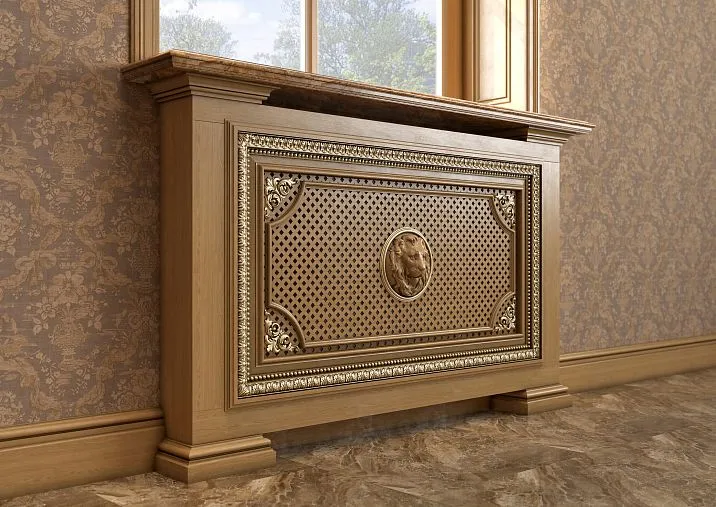
Wooden house – it is not just a dwelling, but a whole philosophy embodying the warmth of nature, ecological sustainability, and centuries-old craftsmanship traditions. Interior materials of wooden houses play a key role in creating a cozy, healthy, and aesthetically pleasing space. Today, thanks to modern wood processing technologies, it is possible to achieve an ideal combination of traditions and innovations in interior design. In this article, we will thoroughly examine the materials used for finishing interior spaces of wooden houses, their advantages, processing technologies, as well as installation and maintenance specifics. Special attention will be given to such key elements asmoldings, cornices, skirting boards, as well asWooden beam, Wooden plank, Wooden baseboard, Wooden cornice andWooden cornerLet’s together immerse ourselves in the world of interior materials of wooden houses, learn about their unique properties, and find out how to create a space filled with harmony, warmth, and natural beauty.


Introduction: The Significance of Natural Wood in the Interior of Wooden Houses
Natural wood is one of the oldest materials used by humans for building and decorating homes. A wooden house has always symbolized stability, ecological friendliness, and coziness. Interior finishing materials made of wood contribute to creating a healthy microclimate, regulate air humidity, and give the interior a unique, lively character. Thanks to their natural properties, such materials not only please the eye but also serve for many years, preserving warmth and resistance to mechanical damage.
Modern wooden houses are often designed using innovative technologies that allow for the maximum preservation of the natural beauty of wood. Interior finishing with natural wood may include panels, beams, decorative elements, and numerous small details. These can be large-scale structures or elegant accents created usingwooden boards, of wooden strips, Solid Wood Skirting Board wooden cornice, wooden moldings andwooden corner piecesEach detail plays its role, combining functionality with aesthetics and creating a space where nature and technology work in harmony.




Historical Perspective and Traditions in Wood Usage
Our factory also produces:


Ancient Crafts and Artistic Traditions
The use of natural wood in construction and finishing dates back to ancient times. Traditional wooden houses are renowned for their carved ornaments, rich patterns, and intricate decorative elements. Masters of the past used wood not only as a building material but also as a means of self-expression, creating unique works of art. These traditions have been passed down from generation to generation and continue to be reflected in modern finishing materials.
Get Consultation
Evolution of Processing Technologies
With the development of technology, methods of wood processing have changed significantly. Modern methods allow preserving the natural appearance of wood while improving its performance characteristics. High-precision CNC machines, laser cutting, and computer modeling enable the creation of items with highly accurate decorative patterns and perfectly smooth surfaces. These innovative solutions allow preserving the spirit of traditional crafts while meeting modern requirements for quality and durability.
2. Main types of wooden finishing materials
2.1 Panels and Wall Cladding
One of the key elements of interior finishing in wooden houses are panels. Cladding walls with natural wood allows creating a warm, cozy atmosphere and highlighting the natural texture of the material. Such panels can be made from solid wood or with decorative inserts.
● Advantages: Panels have high thermal insulation, durability, and aesthetic appeal.
● Application: Ideal for finishing living rooms, bedrooms, offices, and other living spaces.
2.2 Ceiling Structures
A wooden ceiling is a special category of finishing materials capable of transforming a space. Ceiling structures may include solid panels or complex compositions made using various elements.
● Ceiling elements: Here, active use is made ofCeiling skirtingwhich creates a neat transition between ceiling and walls, as well as decorative elements that add volume and dynamism to the space.
● Advantages: Natural wood provides excellent sound and thermal insulation, making ceilings not only beautiful but also functional.
2.3 Frames and Structural Elements
For creating strong and durable structures, wooden frames are used, serving as the basis for walls, ceilings, and floors. Elements such asWooden beamplay a key role in forming the structural integrity of the building.
● Advantages: Frames made of quality wood have high strength, resistance to deformation, and durability.
● Application: Used in frame construction, allowing the creation of lightweight and energy-efficient structures.
2.4 Decorative Elements and Accessories
Decorative details are what give the interior individuality and completeness. Among them are:
● Wooden molding● Molding: Used for finishing joints between surfaces, creating expressive lines and accent zones.
● Wooden cornice: Used for decorating windows and ceilings, visually expanding the space.
● Wooden skirting board: Completes the finishing composition, concealing technical joints and protecting the lower part of walls.
● Wooden rail: A thin decorative element used for creating additional decorative inserts and panels.
● Wooden corner: Provides reliable connection between elements and gives the item a finished look.
These elements allow creating a unique interior design, where each detail highlights the natural beauty of wood and gives the space a distinctive character.
3. Wood Processing Technologies
Modern processing methods
Modern technologies allow preserving the natural beauty of wood to the maximum extent while improving its performance properties. Main methods include:
● Sanding and polishing: Multi-stage sanding ensures a smooth and even surface, while polishing highlights the natural luster of wood.
● Carving and inlay: Traditional techniques passed down from generation to generation now combine with modern laser cutting technology, enabling the creation of complex decorative patterns.
● Protective coatings: Use of eco-friendly varnishes, oils, and waxes provides protection for wood against moisture, UV rays, and mechanical damage. These coatings not only preserve the natural appearance but also extend the service life of the items.
Manufacturing technologies for decorative elements
The use of computer numerical control (CNC) machines allows creating items with high precision and complex decorative elements. This is especially important for manufacturing such details asWooden molding orWooden corniceLaser cutting and computer modeling open new possibilities for creating unique patterns that could only be executed by hand before.
4. Application in wooden house interiors
Wall cladding
Wooden panels and wall cladding are among the most popular solutions in wooden houses. They create a warm, cozy atmosphere and allow highlighting the natural beauty of the material. Cladding can be done in a classic style using carved panels, or in modern minimalism, where clean lines and natural tones are important.
Ceilings and decorative inserts
Wooden ceiling – is a separate topic, where specialized finishing materials are used. Ceiling structures often include elements such asCeiling skirtingwhich helps create a neat transition between ceiling and walls. Additionally, decorative wooden beams and wooden angles are used to add volume and elegance to the interior.
Furniture and accessories
Furniture made of natural wood is always perceived as a symbol of status and reliability. Using elements such as wooden beams allows creating furniture with high strength and unique design. Decorative inserts, wooden skirting boards, wooden cornices, and wooden moldings complement the overall style, creating a harmonious space where every detail speaks of high quality and natural aesthetics.
Exterior and landscape design
External finishing of wooden houses is also an important component of the overall style. Facades, cladding, decorative elements – all this allows creating an exterior appearance harmoniously blending with the surrounding nature. Wooden items are used for decorating verandas, gazebos, fences, and other architectural elements, emphasizing the ecological and natural character of the space.
5. Practical recommendations for selection and care
Material selection
When purchasing wooden finishing materials, pay attention to the quality of raw materials and processing technologies:
● Wood quality: High-quality wood should be uniform, free of visible defects, knots, and cracks.
● Processing methods: Items that have undergone multi-stage sanding and protective coating treatment guarantee longevity and high aesthetic value.
● Style compatibility: Choose materials that harmoniously fit into the overall interior or exterior concept of your home.
Care recommendations
To ensure wooden finishing materials retain their beauty and functionality, it is important to follow several simple rules:
● Regular cleaning: Wipe surfaces with a soft cloth, avoiding aggressive chemical agents.
● Periodic renewal of protective coating: Renewing varnish, oil, or wax helps maintain color saturation and protects wood from external influences.
● Condition monitoring: Regularly inspect items for cracks, chips, and other damage to promptly carry out repairs and restoration.
Where to buy wooden finishing materials
Choosing a reliable supplier is a key point when purchasing. Pay attention to companies with a good reputation that offer a wide range of products and guarantee high quality. For example, you can review offers formoldings, cornices, skirting boards, wooden beams, wooden beams and other items. A reliable supplier ensures not only high-quality materials but also timely delivery, which is especially important when implementing large-scale finishing projects.
6. Modern trends and development prospects
Technological Innovations
With the development of digital technologies and modern wood processing methods, the possibilities of using natural wood have significantly expanded. The latest technologies allow creating items with high precision, complex decorative elements, and perfectly smooth surfaces. This opens new horizons for designers, enabling them to realize the boldest ideas and create unique interior solutions.
Eco-design and sustainable development
Modern consumers increasingly value eco-friendly materials, and natural wood is at the forefront of this trend. Eco-design focuses on using materials that do not harm the environment, and natural wood fully meets these requirements. Eco-friendly coatings certified according to international standards allow creating healthy interiors, while using renewable resources contributes to sustainable development.
Individual Approach and Personalization
Modern interior design strives for individuality and uniqueness. Natural wood is easily customizable: every texture, shade, and pattern creates a unique look. Designers use combinations of various finishing elements – wooden skirting boards, wooden cornices, wooden moldings – to highlight the individual style of each project. Customized solutions allow creating an interior that reflects the character and taste of the owner, transforming the home into a unique work of art.
7. Examples of successful projects
Classic interiors
In classic interiors, wooden finishing materials create an atmosphere of elegance and nobility. Rich ornamentation, carving, and decorative moldings highlight historical traditions and impart the charm of past eras. Using high-quality wooden skirting boards and cornices helps create a harmonious and complete look that pleases the eye and inspires admiration.
Modern minimalist solutions
Modern interiors oriented toward minimalism value simplicity, clean lines, and functionality. In such interiors, wooden finishing materials are used as smooth surfaces, where emphasis is placed on natural wood tones and texture. Elements such as wooden planks and wooden corner pieces highlight strict forms and create visual structure in space, giving the interior a contemporary and stylish appearance.
Eco-style and natural aesthetics
For creating an eco-style interior, natural wood is the ideal choice. Using eco-friendly finishing materials processed with certified compounds helps create a healthy environment harmoniously blending with nature. Such interiors often feature natural tones, textures, and finishing elements such as wooden moldings and ceiling skirting boards, allowing one to emphasize the material’s naturalness and create an atmosphere of coziness and tranquility.
8. Recommendations for purchasing and care
Selection tips
When selecting wooden finishing materials, consider the following key factors:
● Raw material quality: Prefer materials without visible defects, uniform texture, and stable dimensions.
● Processing technology: Items that have undergone multi-stage processing (sanding, polishing, application of protective coatings) guarantee longevity and high aesthetic value.
● Design and style: Choose materials that harmoniously fit the overall interior concept. Modern finishing materials offer a wide range — from classic carved items to minimalist, streamlined solutions.
● Supplier reliability: Choose reputable suppliers with a good reputation. For example, on the websiteStavros a wide range of products is presented, allowing you to select the optimal price-to-quality ratio.
Care for wooden finishing materials
To maintain the aesthetic appeal and longevity of wooden items, it is necessary:
● Regularly clean surfaces from dust using soft fabric materials.
● Periodically treat with protective compounds (varnish, oil, or wax) to preserve the natural sheen and protect against external influences.
● Monitor the condition of decorative elements: Promptly repair or restore minor damages to maintain the integrity and beauty of the finish.
9. Development prospects for wooden finishing materials
Innovative Technologies
Wood processing technologies are constantly improving. Latest methods such as laser cutting and digital modeling allow creating items with remarkable precision and complex decorative patterns. This opens new opportunities for designers, enabling them to realize bold ideas and create unique interior solutions.
Environmental Awareness
Modern consumers increasingly value eco-friendly materials. Natural wood, possessing all necessary characteristics, is becoming one of the leading materials for finishing. Eco-friendly coatings and sustainable production technologies allow preserving the natural beauty of wood, ensuring high quality and durability of items — an important factor when selecting finishing materials.
Personalization and Individual Approach
Combining traditional craftsmanship with innovative technologies enables creating items fully meeting the client’s individual requirements. Personalization of finishing materials allows adapting them to a unique interior style, making each project exclusive. From texture and color selection to complex decorative elements — all this becomes accessible thanks to modern processing methods and digital modeling.
10. Conclusion
Wooden finishing materials are an ideal solution for creating interiors filled with natural beauty, warmth, and ecological purity. Natural wood, due to its unique properties, is not only the basis for creating sturdy structures but also a source of inspiration for designers and architects. Using such items asmoldings, cornices, baseboards, Wooden beam, Wooden plank, Wooden cornerand other elements allows creating a unique space reflecting the pursuit of quality, durability, and aesthetic expressiveness.
When selecting wooden finishing materials, it is important to consider the quality of raw materials, processing technologies, and interior style. Modern technologies allow achieving high precision and durability, while eco-friendly coatings ensure preservation of the natural wood appearance. Investing in quality materials is a guarantee of a successful renovation or construction project that will delight you with its beauty for many years.
Let your home be filled with warmth, coziness, and natural harmony, and let natural wood become the foundation for creating an interior where every detail speaks of your pursuit of high quality and unique style. Choose reputable suppliers, for example,Stavrosand enjoy the aesthetics of natural wood, which makes your home alive, warm, and unique.


