Article Contents:
- Photography as a Mirror of Quality: Reading Wood by Photo
- Texture Analysis: Where True Beauty Lies
- Color Palette: From Gold to Chocolate
- Secrets of Photographing Oak Masterpieces
- Lighting: play of light and shadow
- Compositional Techniques: Framing and Angles
- Technical side: camera settings for the perfect shot
- Stylistic Directions in Photography of Oak Products
- Classical Photography: Elegance and Nobility
- Modern Interpretation: Minimalism and Purity of Form
- Artistic Photography: Emotions and Atmosphere
- Psychology of Perception: How Photography Influences Purchase Decisions
- Emotional Impact of Visual Content
- Trust Through Visual Quality
- Techniques of Visual Storytelling
- Technical Aspects of Creating the Perfect Shot
- Preparing the Product for Photography
- Equipment for Professional Photography
- Post-Processing: Final Touches of Perfection
- Specialized Types of Oak Product Photography
- Furniture Photography: Showcasing Functionality
- Architectural Photography: Scale and Context
- Macro Photography: Beauty in Details
- Photography as a Tool for Quality Control
- Documenting the Production Process
- Identifying Defects and Shortcomings
- Comparative Analysis of Samples
- Modern Technologies in Photography of Oak Products
- 360-Degree Photography: Full Overview
- HDR Photography: Extended Dynamic Range
- Focus Stacking: Perfect Sharpness Across the Entire Frame
- Social Media and Mobile Photography
- Adaptation for Various Platforms
- Mobile Photography: Quality in Your Pocket
- The Future of Oak Wood Photography
- Virtual and Augmented Reality
- Artificial Intelligence in Image Processing
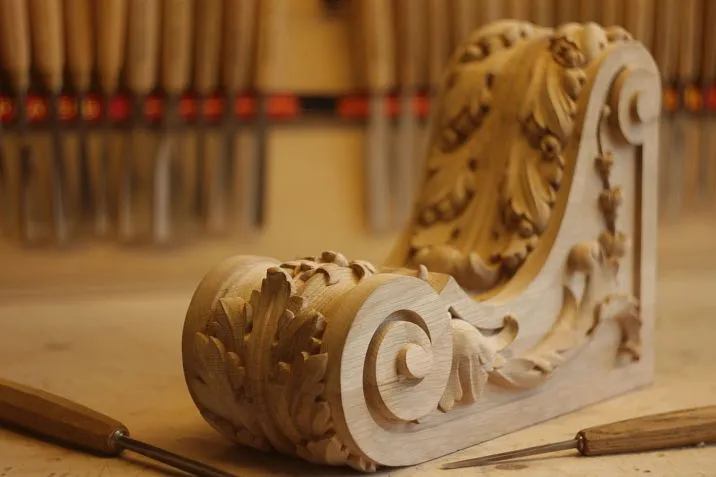
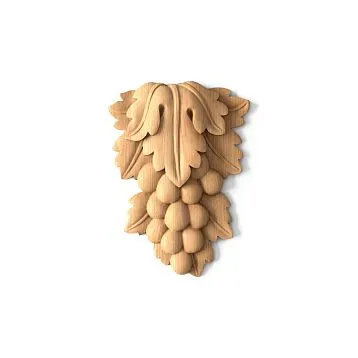
What can one photograph of an oak wood item tell us about the craftsmanship invested in its creation? Much more than it appears at first glance! When we examine oak wood item photobefore us, an entire universe of details unfolds: from the refinement of texture to the perfection of form, from the nobility of hues to the virtuosity of craftsmanship. Each frame becomes a window into a world where natural beauty meets human talent, creating works capable of inspiring generations.




Photography as a Mirror of Quality: Reading Wood from the Photo
An experienced eye can extract a wealth of information from a photograph of an oak wood item regarding its origin, processing quality, and potential longevity. This is an art — the ability to 'read' wood through the camera lens.




Texture Analysis: Where Lies the True Beauty
First, an expert examining an oak wood item photo notices the characteristic pattern of growth rings. High-quality oak wood displays a clearly defined structure with contrasting light and dark bands. The wide pores of spring wood create characteristic grooves that appear as dark lines running along the grain on the photograph.
Wood density can be assessed by how fine and uniform the growth rings appear. Slow-growing oak, yielding the highest quality wood, is characterized by thin, closely packed rings. On a photograph, such a structure appears as fine crosshatching with minimal variation in thickness.
Heartwood rays are another important diagnostic feature. On quality oak wood item photographs, they appear as light-colored streaks running perpendicular to the main grain direction. These rays impart oak with its characteristic 'pearl-like' luster on radial cuts, which especially stands out under proper lighting in the photograph.
Our factory also produces:




Color Palette: From Gold to Chocolate
The natural color of oak wood varies widely — from light yellow to dark brown, and each shade tells its own story. On oak wood item photo one can discern the finest nuances of color rendition, indicating the wood’s origin, processing methods, and approximate age of the tree.
Golden-honey tones are characteristic of young oak sapwood. Such wood has softer tones and less pronounced texture. On a photograph, it appears uniform, with smooth color transitions and minimal contrast between structural elements.
Rich brown tones indicate mature heartwood. This material is prized by craftsmen for its strength and expressive grain pattern. On quality photographs, one can see how tannins impart noble hues to the wood, ranging from light brown to deep chocolate.
Oak wood that has lain for centuries in water or swampy soil acquires a unique gray-black hue. Such items appear especially striking in photographs due to the contrasting combination of dark background and light heartwood ray streaks.
Get Consultation
Secrets of Photographing Oak Masterpieces
Creating a quality oak wood item photo requires not only professional equipment but also a deep understanding of the material’s characteristics. Every surface, every curve must be shown in the most favorable light.
Lighting: Play of Light and Shadow
Oak wood possesses a unique ability to interact with light, creating mesmerizing visual effects. Professional photographers know that photographing oak items requires special lighting capable of revealing the full beauty of the natural texture.
Side lighting at a 30-45 degree angle is ideal for emphasizing surface relief. Under such light, the finest details of processing — tool marks, sanding quality, depth of carved elements — are clearly visible. Shadows fall into pores and grooves, creating a three-dimensional effect.
Diffused light allows the true color of the wood to be shown without distortion. Harsh shadows may obscure important details or create a false impression of the item’s quality. Using softboxes or reflector screens helps achieve even illumination across the entire surface.
Backlighting dramatically reveals the contours of the item and emphasizes its shape. This is especially effective in photographs of carved elements, balusters, and decorative details, where it is important to show the complexity of profile and the skill of execution.
Compositional Techniques: Framing and Angles
The choice of shooting angle profoundly affects how the item is perceived. Each viewing angle reveals new facets of oak wood craftsmanship and allows emphasis on specific qualities.
Frontal shooting is ideal for showcasing symmetrical items – furniture facades, doors, panels. This angle allows assessing proportions, joint quality, and symmetry of decorative elements. oak wood item photo A frontal view best conveys the overall style and character of the item.
Diagonal angles add dynamism and depth. Shooting at an angle allows showing multiple facets simultaneously, which is especially important for three-dimensional objects. Angular perspective emphasizes the solidity and robustness of oak constructions.
Detailed close-ups are indispensable for demonstrating craftsmanship quality. Macro photography allows examining the finest texture nuances, seeing how light plays within wood pores, assessing sanding skill and finish quality.
Technical side: camera settings for the perfect shot
Shooting oak items demands special requirements for technical equipment and camera settings. Wood has a complex texture with numerous fine details that must be conveyed as accurately as possible.
Depth of field should be sufficient to clearly display the entire object. Using an aperture of f/8–f/11 ensures optimal balance between sharpness and image quality. For macro shots of details, a higher aperture value may be required.
ISO sensitivity should be kept at the minimum level to obtain the cleanest image without digital noise. The natural texture of oak contains many fine details that may be lost at high ISO values.
White balance is critically important for accurate color reproduction of wood. Different light sources can significantly distort the natural tones of oak. Using a gray card or manual white balance adjustment ensures maximum color accuracy.
Stylistic directions in oak item photography
Each oak item photo can be executed in various stylistic approaches, highlighting specific aspects of the material's beauty and craftsmanship.
Classic photography: elegance and nobility
Classic photography style emphasizes the nobility and tradition of oak items. Such photos are usually shot in restrained color palettes with emphasis on natural wood tones.
Symmetrical composition creates a sense of stability and solidity. Central placement of the object in the frame, strict horizontal and vertical lines, classical proportions – all this highlights the connection to centuries-old furniture art traditions.
Soft diffused lighting without harsh contrasts creates an atmosphere of calm and tranquility. Such lighting is ideal for shooting antique furniture, classic interiors, and items of historical value.
Neutral background, not distracting from the main subject, allows focusing on the beauty of the item itself. Most often, single-tone backgrounds in gray, beige, or white tones are used.
Modern interpretation: minimalism and purity of form
Modern approach to oak item photography emphasizes purity of form, craftsmanship quality, and functionality. Such photos are characterized by simplicity and technical precision.
Contrast lighting highlights the geometry of items and craftsmanship quality. Clear shadows and bright highlights create a three-dimensional effect, revealing minor imperfections or, conversely, emphasizing the perfection of surface treatment.
Unusual angles and framing create a fresh perspective on traditional items. Shooting from below, above, very close, or from afar can reveal unexpected facets of beauty in familiar objects.
Monochrome processing is sometimes used to create a special mood and draw attention to form and texture. Black-and-white photographs oak products can be especially expressive.
Artistic photography: emotions and atmosphere
Artistic approach transforms oak item photography into a work of art. Here, technical qualities of the photo are important, but so is its emotional impact on the viewer.
Dramatic lighting creates mood and atmosphere. Play of light and shadow can turn ordinary furniture into a mysterious object full of hidden meanings and emotions.
Unusual color solutions are achieved using color filters or post-processing. Warm tones emphasize coziness and homeliness, while cool tones add modernity and technological feel.
Including additional objects – books, flowers, decorative items – in the frame creates context and tells a story. Such photographs show the item not as an isolated object, but as part of a living interior.
Psychology of perception: how photography influences purchasing decisions
Oak item photo plays a decisive role in the buyer's decision-making process. High-quality photography can not only showcase the product, but also create an emotional connection between the buyer and the item.
Emotional impact of visual content
The human brain processes visual information thousands of times faster than text. The first impression from a photo forms in fractions of a second and largely determines the buyer's subsequent attitude toward the product.
High-quality photos of oak products evoke positive emotions: a sense of reliability, connection to nature, respect for traditions. Warm wood tones are associated with home comfort, safety, and stability.
Detailed shots allow the buyer to mentally 'feel' the product, sense its texture, and assess the quality of craftsmanship. This is especially important for online purchases, when physical contact with the product is impossible.
Contextual photos showing the product in an interior help the buyer visualize how it will look in their home. Such images create a dream of a future interior and stimulate purchase.
Trust through visual quality
The quality of photos directly affects trust in the manufacturer. Professionally executed images create an impression of a serious, reliable business that cares about every detail.
Image technical quality — sharpness, color rendition, absence of noise — is perceived as an indicator of the company's overall level. Buyers subconsciously transfer their assessment of photo quality to the quality of the product itself.
Image honesty is also important for building trust. Photos must show the product as it truly is, without embellishment or deception. Disappointment from receiving a product that does not match the photo may permanently damage reputation.
Variety of angles and shots allows the buyer to get a complete picture of the product. Photos of wide shots, details, and different sides create a sense of presence and reduce uncertainty during purchase.
Visual storytelling techniques
Modern photography oak products photo uses visual storytelling techniques, telling a story through images.
The chronology of creation can be shown through a series of photos: from the raw material to the finished product. Such presentation emphasizes labor, craftsmanship, and the value of handmade work.
Demonstrating usage shows the product in action. Photos of a dining table set, a bookshelf with books, a desk with documents create a vivid picture of everyday use.
Focusing on details allows telling about quality without words. Close-ups of joints, hardware, carved elements demonstrate the level of craftsmanship and attention to detail.
Technical aspects of creating the perfect shot
Creating a professional oak product photo requires observing numerous technical nuances, each of which affects the final result.
Preparing the item for shooting
Quality photography begins with careful preparation of the subject. Oak products require special attention to surface cleanliness and condition.
Surface cleaning should be done with special agents that do not leave streaks and do not damage the finish. Microfiber cloths allow removing dust and fingerprints without scratching delicate surfaces.
Controlling room lighting helps avoid unwanted reflections and glare. Before shooting, ensure that external light sources do not create parasitic light spots on the product's surface.
Checking completeness and correct assembly is especially important for assembled products. All parts must be properly installed, connections tightened, and movable elements adjusted.
Professional shooting equipment
Modern photography of oak products requires specialized equipment capable of capturing all nuances of natural wood texture and color.
A full-frame camera provides maximum image quality and a wide dynamic range. This is especially important when shooting objects with a wide range of brightness — from deep shadows in wood grain to bright reflections on polished surfaces.
Lenses with minimal distortion are critical for architectural and product photography. Even the slightest barrel distortion can ruin the perception of the product's proportions. Professional macro lenses allow capturing the finest details with exceptional sharpness.
A tripod with precise adjustment capability ensures camera stability and allows taking a series of shots with identical framing. This is especially important when shooting with different exposure settings for subsequent HDR merging.
Lighting equipment must provide even illumination without harsh shadows or glare. LED panels with adjustable color temperature allow achieving the ideal white balance for any conditions.
Post-processing: final touches of perfection
Even a perfectly captured photograph requires delicate post-processing to achieve maximum quality and expressiveness.
Exposure correction allows revealing details in shadows and highlights without losing the overall image balance. Local adjustments help emphasize individual elements without affecting the rest of the frame.
Color rendition adjustment is especially important for correctly displaying oak wood tones. Minor adjustments to saturation and hue can dramatically change the perception of the material.
Sharpness enhancement should be applied delicately, only to compensate for compression losses. Excessive sharpness creates an unnatural appearance and artifacts at object edges.
Defect retouching is limited to removing random dust particles and scratches unrelated to the material's nature. It is important not to over-retouch the item, preserving its natural appearance.
Specialized photography of oak products
Different types of oak products require specific photographic approaches, taking into account their features and purpose.
Furniture photography: showcasing functionality
Photography of oak furniture has its own characteristics, related to the need to show not only beauty but also the functionality of the items.
Contextual photography shows furniture in interiors, demonstrating its size, proportions, and compatibility with other items. oak wood item photo In interiors, it helps the buyer visualize how the furniture will look in their home.
Functional capabilities are demonstrated through photographs of open drawers, extended shelves, and laid-out tables. Such shots show the practical advantages of the item and its ease of use.
Detailed shots of hardware and fittings highlight the quality of execution and structural reliability. Close-ups of hinges, locks, and guides create an impression of durability and longevity.
Architectural photography: scale and context
Photographing oak architectural elements requires special attention to scale and context of their use.
Wide-angle photography shows elements within the broader context of the room, demonstrating their role in creating the overall architectural image. Stairs, panels, and ceilings should be shown as part of a unified composition.
Detailed photography reveals the quality of execution and complexity of profiles. Moldings, cornices, and casings require special lighting to emphasize relief and play of light and shadow.
Comparative photography helps show differences between items of varying complexity and quality. Comparing simple and carved elements, different profiles, and surface treatments.
Macro photography: beauty in details
Macro photography reveals the incredible world of oak wood textures and surfaces, invisible to the naked eye.
The wood structure, in all its details, shows the uniqueness of each item. Pores, fibers, and medullary rays create unique patterns that can be considered abstract art pieces.
The quality of processing becomes obvious at high magnification. The slightest irregularities, tool marks, and sanding quality—all of this is visible in macro shots with ruthless honesty.
Finish and its characteristics can only be assessed at high magnification. The thickness of the varnish layer, its uniformity, gloss, and transparency—all these parameters affect the durability and appearance of the item.
Photography as a quality control tool
Oak product photography can serve not only as a marketing tool but also as a means of controlling production quality.
Documentation of the production process
Photographing production stages creates a complete picture of the manufacturing process and allows identifying problem areas.
Raw material control begins with photographing the initial materials. Photos of blanks allow assessing wood quality, identifying defects, and tracing their impact on the finished product.
Intermediate processing stages are documented for analyzing the technological process. Photos after each operation help understand possible defect causes and optimize the technology.
Finished items are documented to create a sample database. Such a database helps maintain consistent quality and serves as a standard for new product batches.
Defect detection and flaws
Professional photography can reveal defects invisible at a quick glance.
Color unevenness becomes obvious under proper lighting and framing. Spots, streaks, and shade differences may be unnoticed under normal conditions but clearly appear in photographs.
Surface defects — scratches, dents, chips — are clearly visible under side lighting. Such photos help assess the quality of polishing and finishing.
Geometric deviations of products can be detected by shooting with reference lines or grids. Small deviations from straight lines and right angles become obvious when compared to ideal geometry.
Comparative analysis of samples
Photography enables objective comparison of different samples and selection of the best options.
Standardizing shooting conditions ensures accurate comparison. Identical lighting, angle, and camera settings allow objective evaluation of differences between samples.
Digital processing can enhance differences invisible to the eye. Adjusting contrast, saturation, and applying special filters reveal subtle differences in wood structure and color.
Creating sample catalogs helps systematize knowledge about different wood types, processing methods, and finishing options. Such catalogs become a valuable tool for designers and manufacturers.
Modern technologies in oak product photography
The development of digital technologies opens new possibilities for creating impressive images of oak products.
360-degree photography: full overview
360-degree photography technology allows creating interactive images that viewers can rotate and examine from all sides.
Specialized equipment for panoramic shooting creates a series of images from different angles, which are then stitched into a single interactive image. This technology is especially effective for showcasing complex products with rich decoration.
Image interactivity allows customers to examine the product in detail without leaving home. The ability to choose the viewing angle independently creates an immersive effect and increases trust in the product.
Integration with websites makes 360-degree images accessible to a broad audience. Modern browsers support playback of such images without additional plugins.
HDR photography: extended dynamic range
HDR technology allows capturing the full range of brightness present in reality, which is especially important when photographing items with contrasting surfaces.
Multi-exposure creates a series of images with different settings, which are then combined into a single image with extended dynamic range. This allows simultaneously showing details in deep shadows and bright highlights.
Specialized software automatically aligns and processes the series of images, creating a naturally looking image without losing details.
Tonal compression adapts the extended range to the capabilities of standard monitors and printers, while preserving the natural appearance of the image.
Focus stacking: perfect sharpness across the entire frame
Focus stacking technique allows obtaining images with perfect sharpness throughout the entire depth of field, which is impossible with regular shooting.
A series of images with different focus points covers the entire depth of the object, from foreground to background. Each image contains sharp areas at a specific distance from the camera.
Automatic alignment combines sharp areas from all images into a single image. Modern algorithms can accurately identify the most sharply focused areas and seamlessly merge them.
The resulting image has perfect sharpness across the entire frame, allowing examination of the finest details oak products photo regardless of distance to the camera.
Social networks and mobile photography
The development of social networks has changed the requirements for oak product photography, making new aspects of visual content important.
Adaptation for different platforms
Each social platform has its own features and requirements for visual content.
Instagram is oriented towards square and vertical formats, bright colors, high contrast. Oak product photos for this platform must be highly expressive and attention-grabbing.
Facebook supports various formats, but horizontal images are displayed most advantageously. Here, beauty is important, but so is the informativeness of the image.
Pinterest is oriented towards vertical images and values high-quality content. Oak product photos should be not only beautiful but also inspiring.
Mobile photography: quality in your pocket
Modern smartphones are capable of creating high-quality oak product images, albeit with certain limitations.
Computational photography compensates for the physical limitations of mobile cameras. Algorithms automatically enhance images, increase dynamic range, reduce noise.
Specialized applications provide extended options for controlling shooting parameters, bringing mobile photography closer to a professional level.
Instant publishing allows for promptly sharing high-quality images with a broad audience, which is especially important for marketing purposes.
The future of oak product photography
Technological advancements promise even more exciting opportunities for showcasing the beauty of oak products.
Virtual and Augmented Reality
VR and AR technologies open new ways of interacting with oak product images.
Virtual exhibition halls allow creating immersive spaces for showcasing collections. Visitors can walk through the virtual hall, view exhibits from all angles, and receive detailed information.
Augmented reality allows "placing" the product in a real interior through the smartphone camera. Buyers can see how the furniture will look in their home before making a purchase.
Interactive catalogs allow studying products in three-dimensional space, changing materials and finishes in real time, and comparing different options.
Artificial Intelligence in Image Processing
AI algorithms are already capable of significantly improving the quality of oak product photographs.
Automatic image enhancement includes exposure, color balance, and sharpness correction without human intervention. Algorithms trained on millions of images are capable of making decisions at the level of a professional retoucher.
Image stylization allows automatically applying various artistic effects, creating unique visual images for different purposes and audiences.
Automatic background removal simplifies creating catalog images and allows easily integrating products into various contexts.
In the era of digital technology, an oak product photo becomes not just a documentary record, but a powerful communication tool between the craftsman and the consumer. Each photo carries information about the material quality, craftsmanship, and aesthetic value of the product.
High-quality photography can convey not only the appearance of an object, but also its "soul" — that intangible value which makes oak products unique. The play of light on polished surfaces, the nobility of natural tones, the elegance of carved details — all of this can be captured through the camera lens.
Modern technologies expand visualization possibilities, but the fundamentals remain unchanged: understanding the material, compositional sense, striving for perfection. Oak product photography is an art that requires not only technical knowledge, but also a deep understanding of the beauty of natural wood.
In an age of mass production and synthetic materials, high-quality oak product images become a window into the world of authentic values, where time is measured not in minutes, but in decades of tree growth, where beauty is created not by machines, but by the hands of the craftsman.
STAVROS understands the importance of high-quality visualization for presenting its products. Every photo in STAVROS's portfolio is the result of meticulous work by a team of professionals who know how to showcase an oak product in all its glory. From choosing the angle to the final retouch — every stage is carefully planned and executed to oak wood item photo accurately convey the quality and beauty of the real product. STAVROS does not merely produce oak furniture and decor — the company creates visual stories that inspire and help people make the right decisions when choosing products for their homes.