Article Contents:
- Introduction
- Ancient Traditions and Crafts
- Middle Ages and the Renaissance
- Industrial Revolution and Mechanization
- Digital Revolution: New Horizons in Woodworking
- Digital Revolution and Modern Technologies
- Wood Carving
- Technique and Tools
- Artistic Motifs and Styles
- Examples of Application
- Inlay
- Inlay Technique
- Historical Aspect and Modern Interpretations
- Examples of Products
- Pyrography
- What is Pyrography
- Technique of Execution and Nuances
- Application in Art
- Lacquering, Wood Treatment, and Patination
- Wood Lacquering
- Wood Treatment
- Patination
- Laser cutting and engraving
- Advantages of Laser Processing
- Application of Laser Engraving
- 3D Modeling and Digital Design
- Role of Digital Technologies in Design
- Examples of Application
- Automation and Robotization of Processes
- Modern Automated Lines
- Integration of Innovative Technologies
- Aesthetics of Natural Wood
- Modern Trends in Wooden Product Design
- Combining Traditional and Innovative Methods
- Ecological responsibility
- Economic Efficiency and Innovative Solutions
- Material Selection and Preparation
- Processing and finishing technologies
- Training and Experience Exchange
- Investments in Innovation
- Traditional Crafts in Modern Interpretation
- Innovative Projects Using Digital Technologies
- Eco-Friendly and Sustainable Solutions
Artistic Woodworking – this is not just a craft, it is a whole philosophy uniting centuries-old traditions, artisans’ skills, and modern technological achievements. Natural wood, possessing unique texture, warmth, and rich tones, has long attracted creative minds, inspiring them to create works of art. In this article, we will thoroughly examine the types of artistic woodworking, paying attention to both traditional methods and modern innovative techniques. We will discuss the history of the development of wood art, describe the main methods, their features, and applications, as well as discuss the ecological and economic aspects of this noble industry. For additional information on materials and technologies, we recommend visiting %sSTAVROS website.


Introduction
Working with wood is an ancient craft that continues to evolve and inspire artisans around the world. Artistic woodworking goes beyond simple mechanical processing: it transforms raw material into true works of art, imbued with history, soul, and individuality. In today’s world, where ecology, sustainability, and aesthetics play a crucial role, wooden products are once again in demand, and their processing methods become a source of inspiration for designers, architects, and craftsmen.
Our goal is to show that woodworking is a dynamic field where the past meets the future, where each new method is based on the experience of previous generations and is aimed at creating items capable of pleasing the eye, lasting long, and being passed down from generation to generation. Read further to learn how modern technologies and ancient traditions unite in the art of woodworking.
Our goal is to show that wood processing is a dynamic field where the past meets the future, where each new method is based on the experience of previous generations and is aimed at creating products that delight the eye, serve for a long time, and are passed down from generation to generation. Read further to learn how modern technologies and ancient traditions unite in the art of wood processing.




Historical Overview of Wood Art Processing
Our factory also produces:


Ancient Traditions and Crafts
From the very beginning of civilization, humans began using wood in daily life and for decorative purposes. Already in ancient Egyptian, Greek, Roman, and Chinese cultures, wood played a crucial role in creating dwellings, tools, ritual objects, and works of art. Wood carving, inlay, painting, and other decorative techniques were passed down from generation to generation, becoming an indispensable part of cultural heritage.
● Wood Carving
Carving is one of the oldest techniques for processing wood. Masters used the simplest hand tools to create complex patterns, ornaments, and figures depicting mythological scenes, religious symbols, and elements of everyday life. Each carved detail was the result of years of practice and deep knowledge of the nature of wood.
● Inlay
Another ancient technique allowing to create unique decorative effects – inlay. This technique involved inserting various materials into prepared recesses: precious stones, mother-of-pearl, metals, or other types of wood. Inlay allowed artisans to give items a special luxury and uniqueness.
● Painting and Patination
Wood painting was used to decorate furniture, doors, carved panels. Masters used natural pigments, paints, and varnishes to highlight the beauty of wood and add color. Patination, or creating an aging effect, allowed them to imitate the appearance of antique items, giving them additional charm and historical value.
These ancient methods are still valued for their uniqueness and artistic value. Many modern masters use traditional techniques in combination with modern technologies, creating items capable of surprising even the most discerning connoisseurs.
Get Consultation
Middle Ages and the Renaissance
During the Middle Ages and the Renaissance, artistic woodworking reached a special peak. Masters created furniture, architectural elements, church altars, and decorative panels, paying great attention to details and artistic design. At this time, wood carving techniques were perfected, new motifs and ornaments emerged, reflecting the cultural and religious values of the era.
The Renaissance introduced classical aesthetics into woodworking. Masters sought harmony, symmetry, and elegance, which was reflected in their works. They used both traditional methods and new technological achievements, such as improved saws and planers, which allowed creating items with high precision and detail.
Industrial Revolution: Mechanization and Standardization
However, many masters continued to use traditional woodworking methods, incorporating them into production processes to create exclusive and high-quality items. Combining manual labor with mechanized methods became a new stage in the development of crafts, allowing to preserve traditional motifs while meeting the growing demand for quality and aesthetically pleasing furniture.
Nevertheless, many masters continued to use traditional wood processing methods, integrating them into production processes to create exclusive and high-quality items. Combining manual labor with mechanized methods became a new stage in the development of crafts, allowing traditional motifs to be preserved while meeting the growing demand for quality and aesthetically pleasing furniture.
Digital Revolution and Modern Technologies
At the end of the 20th – beginning of the 21st century, the digital revolution brought radical changes to the field of woodworking. Modern CAD systems, 3D modeling, laser cutting, and automated production lines radically changed the approach to creating wooden items. Now, masters can create virtual prototypes, test various design options, and optimize structures even before the actual production begins.
Digital technologies allow achieving unprecedented accuracy, complex shapes, and detailed patterns that could only be executed manually before. At the same time, traditional methods such as carving, inlay, and painting remain relevant, enabling the combination of the best of the past and present into a single item.
For additional information on modern woodworking technologies and innovative solutions, we recommend visiting %sSTAVROS website.
Traditional Types of Artistic Woodworking
Wood carving
Techniques and Tools
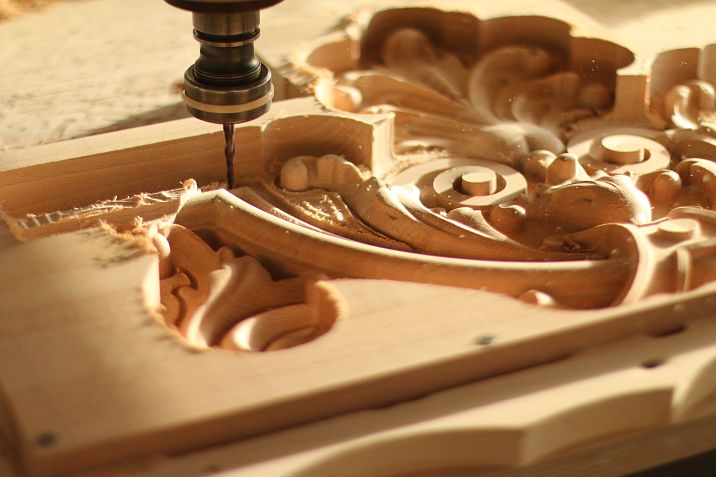
Wood carving is one of the oldest and most revered techniques for processing wood. Masters, using chisels, gouges, knives, and other hand tools, created exquisite patterns, ornaments, and sculptural elements. Carving requires special precision, patience, and a high level of skill, as every line and curve matters for the final result.
Artistic Motifs and Styles
Wood carving uses various motifs: floral, geometric, mythological, and religious. Each culture has its own characteristics in decorating carved items. For example, Slavic carving is distinguished by an abundance of plant motifs, while Indian carving is renowned for complex patterns and symbolism. Modern masters often draw inspiration from traditional ornaments, adapting them to modern requirements and tastes.
Examples of Application
Wood carving is used in creating:
● Decorative panels and picture frames
● Furniture Facades and Doors
● Carved decorations for churches and public buildings
● Handcrafted masterpieces
This technique remains popular due to its unique aesthetics and ability to convey the soul and character of the item.
Inlay
Inlay technique
Inlay is the process of inserting decorative materials into prepared recesses in wood. Materials used for inlay can include various types of wood, stones, mother-of-pearl, metals, and even resins. This technique allows for the creation of contrasting patterns and ornaments, giving the item a unique appearance.
Historical aspect and modern interpretations
Historically, inlay was used to decorate furniture, architectural elements, and household items. Today, artisans continue to apply this technique, combining traditional motifs with modern materials and technologies. Modern inlay methods include using laser cutting to create precise recesses and digital modeling for designing unique patterns.
Examples of items
Inlay is widely used in creating:
● Exclusive furniture
● Decorative panels and countertops
● Carved frames and interior elements
● Handmade items that highlight individuality and style
Pyrography
What is pyrography
Pyrography, or wood burning, is a technique in which the surface of wood is burned using a special tool or laser, creating a design or pattern on it. This method allows for a unique effect, emphasizing the natural texture and color of the wood, and adding an aged or vintage look to the item.
Technique of execution and nuances
When performing pyrography, it is important to control temperature and exposure time on the wood to avoid damaging the material. Artisans use special torches, lasers, and even computerized systems that allow for the creation of the finest details. The effect of pyrography can vary from light textural finishes to deep relief patterns, creating a unique visual effect.
Application in art
Pyrography is widely used for creating:
● Decorative panels
● Original paintings and installations
● Decorations for furniture and interior items
● Souvenir items
Lacquering, staining, and patination
Lacquering wood
Lacquering is one of the most important stages of wood processing, not only protecting the material but also highlighting its natural beauty. Modern lacquers can be either natural or synthetic, and are chosen depending on the type of wood and the conditions of the item's use. Lacquering creates a smooth, glossy surface resistant to moisture, ultraviolet rays, and mechanical damage.
Staining wood
Staining is a process of treating wood with special compounds that penetrate its structure, changing its tone and emphasizing its texture. Staining allows for an aged effect, creating contrasting effects, and adding a unique character to the item. This method is especially popular for creating items in rustic or vintage styles, where the naturalness and warmth of the material are important.
Patination
Patination is a technique that allows creating an effect of aging or giving wood the appearance of an antique item. During patination, special chemical compounds are used that change the color and texture of the wood, creating an effect as if the item has gone through centuries. This method allows highlighting the historical value of the material and adding a unique charm to the item.
Modern technologies of artistic wood processing
Laser cutting and engraving
Advantages of laser processing
Laser cutting and engraving are among the most advanced technologies in modern wood processing. These methods allow achieving incredible precision and creating complex patterns that cannot be done manually. Laser processing ensures high repeatability of results and allows quickly scaling up production of items with unique designs.
Application of laser engraving
Using laser engraving, masters can apply delicate patterns, logos, personalized inscriptions, and even complex illustrations onto the surface of wood. This method is widely used in creating decorative panels, furniture elements, souvenirs, and original works of art. For additional information about modern wood processing technologies, visitSTAVROS website.
3D modeling and digital design
Role of digital technologies in design
Modern CAD systems and 3D modeling have fundamentally changed the approach to artistic wood processing. Masters can create virtual prototypes of items, experiment with shapes and textures even before actual production begins. This allows optimizing the structure, improving ergonomics, and accurately realizing the creative concept.
Examples of Application
Digital design is widely used in creating furniture, decorative panels, architectural elements, and even artistic installations. Modeling allows achieving high precision, which is especially important for mass production of items, where each detail must be executed with perfect repeatability.
Automation and robotization of processes
Modern automated lines
In mass production, automation becomes a key factor for ensuring consistent product quality. Robotized systems, automated planers and sanders allow achieving consistently high precision in wood processing. This is especially important for complex and detailed items, where every detail matters.
Integration of innovative technologies
Modern production lines combine traditional crafts with innovative technologies, enabling the creation of products meeting the highest market requirements. Such lines not only speed up production but also minimize human factors, reducing the likelihood of errors and ensuring consistent product quality.
Design and aesthetics of artistic wood processing
Aesthetics of natural wood
Natural wood possesses unique beauty expressed in its natural texture, rich tones, and distinctive wood grain patterns. Artistic wood processing aims to highlight these natural qualities, preserve the warmth and organic nature of the material, and give the item individuality and character.
Woodworkers often say that each tree is like a fingerprint of nature, unique and irreplaceable. The effect of naturalness can be enhanced through proper finishing, staining, varnishing, or patination, allowing to create an item that will delight the eye and serve for many years.
Modern trends in wooden product design
Modern design strives for minimalism, functionality, and ecological purity. Natural wood fits perfectly into these trends, allowing to create items combining refined simplicity with the richness of natural textures. Masters actively experiment with forms, combining traditional elements with modern accents, enabling the creation of unique interiors.
For example, modernNatural Wood often combine with metallic elements, glass, or even textiles, creating contrasting and dynamic compositions. This approach allows highlighting the individuality of each item and adapting it to the requirements of modern interiors.
Combining traditional and innovative methods
One of the key features of artistic wood processing is the ability to combine traditional crafts with modern technologies. Hand carving, inlay, pyrography, and other classical methods are still valued for their uniqueness and artistic expressiveness. However, modern technologies such as laser engraving and 3D modeling allow masters to expand their capabilities, creating items with incredible precision and complexity.
Such a combination of traditions and innovations allows creating products that retain the spirit of the past while meeting the requirements of the present and future. This is especially relevant for custom-made items, where every detail is thought out to the smallest detail.
Ecological and Economic Aspects of Artistic Wood Treatment
Ecological responsibility
In the modern world, ecological sustainability has become a crucial criterion when selecting materials and technologies. Natural wood is a renewable resource that, with proper management, can serve for many years. Ecologically clean processing methods, using natural oils, water-based paints, and biodegradable varnishes not only preserve the natural beauty of wood but also minimize negative impact on the environment.
Manufacturers focusing on ecological sustainability actively implement sustainable technologies, contributing to the formation of a positive brand image and meeting the demands of modern consumers. Ecologically clean processing methods have become a competitive advantage, especially on the international market.
Economic efficiency and innovative solutions
Modern technologies allow significantly reducing production costs, optimizing processes, and improving product quality. Automated lines, digital design, and robotic systems help reduce the likelihood of errors, increase productivity, and ensure consistent product quality. Investments in innovative technologies pay off through increased production efficiency and expanded product range.
Economic efficiency is closely linked to production sustainability. Using modern processing methods not only improves product quality but also ensures their durability, which is especially important for premium segments and items intended for long-term use.
Practical recommendations for craftsmen and manufacturers
Material Selection and Preparation
The quality of the final product directly depends on the quality of the raw material. When selecting wood, it is important to consider characteristics such as density, texture, color, and resistance to external influences. Careful preparation of raw material — drying, planing, sanding — is the guarantee that the product will be flawless and last a long time.
When working with natural wood, craftsmen are advised to collaborate with trusted suppliers, monitor the quality of raw materials, and regularly conduct control measurements of moisture and other wood parameters.
Processing and finishing technologies
- Manual Processing: Despite technological advancements, manual work remains a crucial element of artistic processing. Carving, inlay, painting — all of these require a high level of skill and attention to detail. Traditional methods impart individuality and unique character to the product.
- Mechanized Processing: Modern machines, laser cutters, and automated lines allow for faster processing and high precision in mass production. It is important to properly set up equipment and regularly maintain it to ensure consistent product quality.
- Finishing and Coating: Lacquering, staining, and patination are the final stages that give the product a shine, protect the wood, and highlight its natural beauty. It is recommended to use eco-friendly compounds to preserve the material’s naturalness and minimize negative environmental impact.
Training and experience exchange
Continuous learning is the key to success in any field. Craftsmen are advised to attend workshops, seminars, and conferences focused on new technologies and woodworking methods. Use online courses and professional forums to exchange experience with colleagues. Collaborative work and continuous self-improvement will help you stay current and create products that will delight the eye and serve for many years.
Investments in Innovation
To remain competitive, manufacturers must invest in new technologies and equipment. Modern processing methods, digital design, and automation significantly increase productivity and product quality. Investments in innovation pay off through expanded product ranges, increased production stability, and meeting growing market demands.
Examples of successful projects and case studies
Traditional Crafts in Modern Execution
Many well-known brands and workshops successfully combine traditional artistic woodworking methods with modern technologies. For example, items created using classical carving, inlay, and painting techniques gain new life thanks to modern sanding and finishing methods. Such items often become a brand’s signature, attracting discerning customers who value individuality and quality.
Innovative Projects Using Digital Technologies
Modern technologies open boundless creative possibilities. Craftsmen using laser cutting, 3D modeling, and automated lines create items with incredible precision and intricate patterns. Examples of innovative projects demonstrate how traditional crafts can be integrated with modern technologies to create unique and functional works of art.
Ecological and sustainable solutions
Environmental sustainability is becoming an increasingly important criterion when selecting materials and technologies. Some companies focus on using eco-friendly processing methods, enabling the creation of products that meet high standards for both quality and environmental safety. Such projects receive positive feedback from environmentally conscious consumers and contribute to building a positive brand image.
Conclusion
Artistic woodworking is an art in which every line, every pattern, and every texture tells its own story. From ancient traditions of carving and inlay to modern laser engraving and 3D modeling — the methods of artistic woodworking encompass a wide range of techniques that allow creating products with unique aesthetic value and high functionality.
Combining traditional crafts with innovative technologies allows artisans and manufacturers to create products that meet the highest demands of the modern market. Eco-friendly processing methods, sustainable resource use, and digital technologies have become an essential part of modern woodworking, enabling the creation of items that will serve for many years and delight the eye with their natural charm.
We have reviewed the history of artistic woodworking, the main methods and techniques, as well as modern innovative approaches that allow expanding creative potential and improving product quality. Practical recommendations for artisans and manufacturers will help you choose the right technologies, optimize processes, and achieve the highest quality of the final product.
If you aim for every wooden item to be not just a functional object, but a true work of art, pay attention to every detail, experiment with shapes and materials, use innovative technologies, and never forget about traditions. It is precisely in this synthesis of past and present that the secret of true craftsmanship lies.
For additional information, inspiration, and to discover the latest technologies in woodworking, we recommend visitingSTAVROS website.
May your creativity be bold, experimental, and inspiring. Working with wood, you not only create unique items but also continue an ancient tradition passed down from generation to generation. Every pattern, every carving, and every detail is a contribution to a world where art, nature, and technology unite to offer beauty and functionality.
Read, experiment, refine your skills, and remember: woodworking art is a path full of discoveries and continuous growth. May your craftsmanship, your love for natural materials, and your drive for innovation inspire you to create new masterpieces capable of winning the hearts of the most discerning connoisseurs of quality and beauty.