Article Contents:
- Classification by execution technique
- Material Diversity
- Stylistic Diversity
- Manufacturing Technical Variants
- Dimensional Categories and Scaling Solutions
- Psychology of color in interior decoration
- Functional Variants
- Integration with modern technologies
- Russian traditions of wooden architecture
- Economic Categories and Price Segments
- Trends and innovations
- Conclusion

The world of three-dimensional relief opens up truly boundless possibilities for creating unique interior compositions for modern designers and property owners. Relief Variants They are so diverse that they can satisfy the most refined aesthetic preferences — from adherents of strict classicism to fans of avant-garde experiments. In an era of standardized solutions, relief sculpture becomes a powerful tool for personalizing space, allowing the owner to express their individuality through artistic imagery.
The modern understanding of relief art has been radically expanded thanks to the emergence of innovative materials and manufacturing technologies. If just a few decades ago creating quality relief required months of meticulous work by a master sculptor, today advanced casting and molding methods allow the realization of the most complex artistic concepts in a short time and with flawless execution.


Classification by execution technique
Artistic tradition distinguishes several main categories of relief sculpture, each possessing unique expressive capabilities and areas of application.
Low relief represents the most refined form of three-dimensional art, where the image protrudes from the base plane by no more than one-third of its volume. This technique, known in the Italian tradition as "stiachiatto," allows creating incredibly delicate compositions with meticulous detailing. Low relief particularly impresses under side lighting, when soft shadows emphasize every nuance of form.
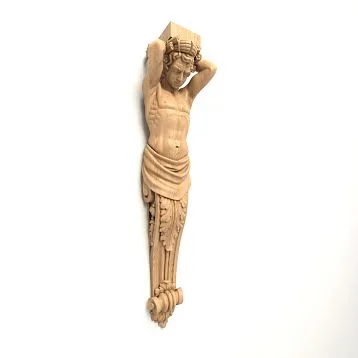
High relief or bas-relief is characterized by significant protrusion of volumetric elements — more than half of their actual volume is above the background surface. This technique opens wide opportunities for creating dramatic, expressive compositions with deep spatial planning. High reliefs are especially effective in interiors with high ceilings, where their monumentality receives appropriate framing.
Counter-relief represents the opposite approach — the image is recessed into the material thickness, creating a "negative" volume effect. This technique is especially popular in creating decorative panels and architectural details, where the play of light and shadow creates unexpected visual effects.
Translucent relief is either completely or partially devoid of a background, creating lace-like compositions that can serve as decorative partitions or standalone art objects. Such works look especially impressive with backlighting, creating complex shadow play on surrounding surfaces.




Material Diversity
Material selection fundamentally affects not only the appearance of the finished product but also its durability, decorative processing possibilities, and operating conditions. Modern production uses a wide spectrum of materials, each offering unique artistic opportunities.
Architectural plaster remains a classic material for interior reliefs due to its unique properties. High-quality plaster allows reproducing the finest details with remarkable precision, and its natural whiteness creates an ideal base for any type of decorative finish. Modern plaster compositions contain polymer modifiers, significantly increasing the strength and mechanical resistance of finished products.
Polyurethane compositions have revolutionized the decorative relief industry. This high-tech material combines exceptional lightness with high strength, moisture resistance, and resistance to temperature fluctuations. Polyurethane reliefs are several times lighter than plaster analogs, allowing them to be installed even on lightweight structures without additional reinforcement.
Fiber plaster is a composite material in which a plaster base is reinforced with fiberglass. This combination ensures maximum strength while retaining all the advantages of natural plaster. Fiber plaster reliefs can withstand significant mechanical loads, making them ideal for use in public spaces.
Artificial stone based on polymer binders allows creating reliefs indistinguishable from those carved from natural marble or granite. Various fillers — marble chips, quartz sand, perlite — create unique textural effects and expand the color palette of finished products.
Variety relief variants by manufacturing materials allows selecting the optimal solution for any operating conditions and budget constraints.
Our factory also produces:



Stylistic Diversity
The richness of artistic directions in modern relief art reflects centuries of global cultural development and current design trends.
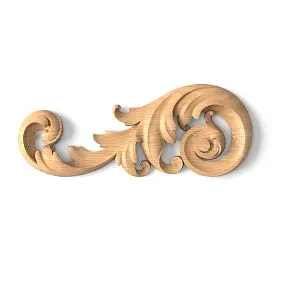
Neoclassical compositions remain the standard of aristocratic taste and intellectual refinement. Strict proportions, symmetrical constructions, traditional motifs — acanthus leaves, palmettes, rosettes — create an atmosphere of solemn grandeur. Portrait reliefs of historical figures, mythological scenes, allegorical images transform ordinary walls into galleries of high art.
Natural themes open up boundless opportunities for creative self-expression. Botanical motifs — from realistic depictions of flowers and leaves to stylized plant ornaments — create an atmosphere of harmony with nature. Relief sculptures featuring trees are especially popular, where every branch and leaf is meticulously detailed.
Animalistic compositions bring the energy of living nature into the interior. Images of noble animals — lions, eagles, horses — symbolize strength, freedom, and aristocracy. Marine themes featuring dolphins, seahorses, and shells create an atmosphere of freshness and lightness.
Abstract forms allow creating unique compositions, not bound by the constraints of representational canons. Geometric patterns, smooth organic shapes, rhythmic repetitions create dynamic works capable of radically altering the perception of space.
Ethnic motifs reveal the richness of global cultural traditions. African masks, Eastern ornaments, Celtic patterns, Slavic motifs — each culture brings its unique images and symbols, creating an unparalleled atmosphere of exoticism and cultural diversity.
Get Consultation
Technological manufacturing options
Modern relief production methods use both traditional craftsmanship techniques and high-tech processes, opening new horizons for artistic creation.
Hand sculpting remains the highest expression of a sculptor's skill. Each detail is created individually, bears the imprint of the author's personality, and possesses the unique energy of living creativity. Such works represent the highest artistic value but require significant time and financial investment.
Casting in molds allows reproducing original works without loss of quality. Modern silicone molds ensure precision reproduction down to fractions of a millimeter, enabling the creation of identical series. This technology makes high art accessible to a broad range of consumers.
CNC milling opens opportunities to create complex compositions with mathematical precision. Computer programs allow designing reliefs of any complexity, and CNC machines realize these designs in material with flawless accuracy.
3D printing of master models revolutionizes the relief creation process. Digital technologies allow creating forms of unprecedented complexity, opening new artistic possibilities and significantly reducing manufacturing time.
Size categories and scaling solutions
The choice of relief size is determined not only by aesthetic preferences but also by architectural features of the room and the functional purpose of the decorative element.
Miniature reliefs up to 30 cm are used as refined accents in small rooms or as elements of complex compositions. Their intimate scale invites contemplation, creating an atmosphere of intimacy and coziness.
Medium-sized compositions from 50 to 100 cm offer an optimal balance of expressiveness and practicality. They can become central decorative elements without overpowering the surrounding space.
Large-scale panels over 150 cm become interior dominants, radically altering the perception of space. Such works require spacious rooms with high ceilings and carefully planned lighting systems.
Architectural compositions can cover entire walls or even multiple surfaces, creating a unified artistic space. Such solutions transform interiors into artworks, where every element is subordinate to a single artistic concept.
Variety relief options by size allows finding the optimal solution for any space.
Color solutions and decorative finishing
Modern coloring and decorating technologies for reliefs open boundless possibilities for creating unique artistic effects.
Monochromatic solutions in classic white tones emphasize the purity of forms and perfection of proportions. White color is universal, harmoniously combines with any interior color palette, creating a sense of aristocratic elegance.
Patination gives reliefs an elegant antique appearance. Various aging techniques — from light toning to deep multi-layer patination — create an effect of multi-century history, imparting artworks with special artistic value.
Gilding remains a classic of decorative art. Modern technologies allow using both traditional leaf gold and innovative metallic coatings. Various shades of gold — from warm red to cool white — create different emotional effects.
Polychrome painting transforms reliefs into paintings. Careful rendering of color transitions, realistic texture depiction, and rich color palettes create an illusion of a painted canvas, gaining volume.
Metallic coatings create bronze, copper, and silver effects, imparting reliefs with special solemnity and grandeur. Modern compositions ensure coating durability, resistance to moisture and temperature fluctuations.
Functional varieties
Modern reliefs perform numerous functions far beyond simple decoration. They become active elements in organizing space and solving practical design tasks.
Decorative panels serve as central elements of interior compositions. Placed above a fireplace, above a bed, or opposite an entrance, they immediately attract attention, creating focal points in space.
Architectural frames emphasize structural elements of a building — columns, arches, niches, door and window openings. Reliefs integrate into architectural compositions, enhancing their expressiveness and artistic value.
Zoning elements help visually divide a single space into functional zones. Large reliefs or systems of multiple elements can serve as decorative partitions, preserving the sense of spaciousness.
Masking structures allow hiding engineering utilities, poor architectural solutions, or structural flaws. In doing so, problematic zones transform into artistic features of the interior.
Integration with modern technologies
The development of digital technologies opens new opportunities for creating interactive and multimedia reliefs.
Hidden lighting transforms static compositions into dynamic decorative elements. LED technologies allow creating lighting systems that change color and intensity depending on the time of day or the owner's mood.
Interactive elements respond to human presence, creating a unique user experience. Touch sensors can activate lighting, sound effects, even change the surface color.
Multimedia integration allows embedding displays and projection systems into reliefs, creating works that combine traditional sculpture with modern digital technologies.
Climate functions transform reliefs into elements of a microclimate system. Built-in humidifiers, ionizers, and aroma diffusers make them not only beautiful but also functional interior elements.
Regional characteristics and cultural traditions
Various cultural regions have developed their own relief art traditions, reflected in modern interior solutions.
Mediterranean motifs are characterized by abundant plant ornaments, marine themes, and ancient narratives. Olive branches, grapevines, and seashells create an atmosphere of southern warmth and leisurely contemplation.
Northern traditions lean toward more restrained, minimalist forms. Geometric patterns, stylized natural motifs, and minimalist compositions reflect the harsh beauty of northern nature.
Eastern influences bring exoticism and mysticism. Dragons, pagodas, hieroglyphs, and stylized plant motifs create an atmosphere of mystery and spirituality.
Slavic traditions are rich with folk motifs — images of birches, rowans, traditional ornaments, and epic heroes. Such reliefs create an atmosphere of national character and cultural identity.
Modern reliefs of various variants allow reflecting any cultural preferences and creating a unique atmosphere in the interior.
Economic categories and price segments
The relief market offers solutions for any budget — from affordable mass-produced items to exclusive original artworks.
The mass segment includes mass-produced items made of polyurethane and modified plaster. Modern mass-production technologies make high-quality reliefs accessible to a wide range of consumers without compromising on quality.
The mid-range segment includes limited-edition items made according to original sketches using premium materials. Such reliefs combine artistic value with reasonable cost.
The premium segment features unique original artworks handcrafted from exclusive materials. Each piece is an artwork with investment appeal.
Luxury solutions include large-scale architectural compositions made according to individual projects using rare materials and unique technologies. Such works become the signature features of interiors.
Trends in development and innovation
The modern development of relief art is defined by the integration of traditional techniques with innovative technologies and materials.
Ecological materials are becoming a priority for development. Biodegradable compositions, recycled materials, and eco-friendly coatings form a new philosophy of production.
Smart materials with changing properties allow creating dynamic compositions. Thermochromic coatings change color with temperature, photochromic coatings — with light exposure, creating living, responsive artworks to the environment.
Personalization reaches a new level thanks to digital technologies. Each customer can receive an absolutely unique artwork, created specifically for their interior and reflecting personal preferences.
Modular systems allow creating compositions from individual elements that can be combined and rearranged, creating new artistic solutions.
Conclusion
Variety relief variants in modern interior design, captivates the imagination. From classical plaster compositions to innovative interactive installations — each direction offers unique opportunities to create unique spaces.
The choice of a specific variant depends on many factors — architectural features of the space, stylistic preferences, budgetary possibilities, functional requirements. The key is to understand that a relief is not just a decorative element, but a powerful tool for creating an emotional atmosphere, expressing individuality, and forming a unique character of the space.
Modern technologies make high art accessible to anyone who seeks beauty and individuality. The variety of materials, techniques, and stylistic directions guarantees the possibility to find the ideal solution for any project.
Investing in quality reliefs is an investment in beauty, prestige, and longevity. Properly selected and professionally installed artworks serve for decades, retaining their aesthetic qualities and continuously delighting owners and impressing guests.
The future of relief art is linked to further development of technologies, ecological materials, and product personalization. Tomorrow's artworks will become even more sophisticated, interactive, and adaptive to human needs.
STAVROS, recognized as a leading company in creating exclusive interior solutions, offers a full spectrum of relief compositions — from classical works to avant-garde experiments. A team of highly skilled artists, designers, and technologists ensures an individual approach to each project, guaranteeing artworks that surpass the most daring client expectations.
Rich experience working with various styles and materials, deep understanding of modern design trends, and use of advanced production technologies make STAVROS a reliable partner in creating unique artistic spaces. From conceptual development to final installation — every stage is executed with maximum professionalism and attention to detail.