Article Contents:
- Classification by Materials: From Traditions to Innovations
- Wooden Balusters: Warmth of Naturalness
- Metal structures: strength and modernity
- Glass Solutions: Lightness and Transparency
- Geometric Forms: From Classic to Avant-Garde
- Round Balusters: Classic Elegance
- Square Profiles: Rigidity and Modernity
- Flat Balusters: Panoramic Possibilities
- Stylistic directions: harmony with interior
- Classic Style: Timeless Values
- Modern minimalism: beauty of simplicity
- Ethnic Styles: Cultural Heritage
- Production Technologies: From Craft to High Technology
- Traditional Methods: Handcrafted by Masters
- Modern Technologies: Precision and Productivity
- Combined Approaches: The Best of Two Worlds
- Functional Features: Safety and Ergonomics
- Dimensional Parameters: Standards and Variations
- Strength Characteristics: Structural Reliability
- Ergonomic Aspects: Comfort of Use
- Application Areas: From Residential Homes to Public Buildings
- Private Homes: Individuality and Comfort
- Public Buildings: Reliability and Prestige
- Special Objects: Unique Requirements
- Installation and Setup: Professional Approach
- Preparation work: foundation of quality
- Mounting methods: reliability of connections
- Quality Control: Guarantee of Safety
- Maintenance and Care: Preserving Beauty and Functionality
- Wooden Balusters: Protection from Time
- Metal Structures: Fighting Corrosion
- Glass Elements: Transparency and Safety
- Conclusion
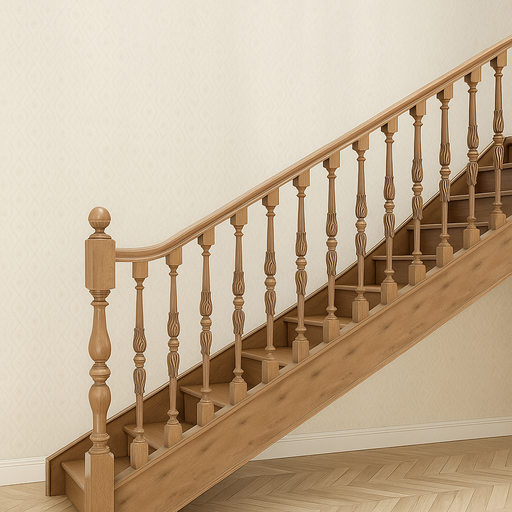
A staircase in a house is not just a functional structure, but a true architectural accent capable of radically transforming the interior. And if the steps create the foundation, then it is precisely baluster options that define the character, style, and aesthetic value of the entire structure. These vertical railing elements perform a dual function: ensuring safety of movement and serving as decorative accents capable of turning an ordinary staircase into a work of art.
The modern market offers truly limitless variety of solutions — from classic turned forms to avant-garde design concepts. Each baluster option carries unique aesthetics, technical characteristics, and integration possibilities into various architectural styles. The right choice of these elements can not only highlight the individuality of the space, but also significantly increase the property's value.
In this comprehensive guide, we will examine all existing types of balusters, their technical features, areas of application, and selection criteria. You will learn how different materials affect durability and appearance, which shapes suit specific interior styles, and how modern manufacturing technologies expand design possibilities.


Classification by materials: from traditions to innovations
The material used to manufacture balusters determines not only their appearance but also their operational characteristics, durability, and cost. The modern industry offers a wide range of solutions — from time-tested natural materials to innovative composites.




Wooden balusters: warmth of nature
Wood remains the most popular material for manufacturing balusters due to its versatility, eco-friendliness, and ability to create a cozy atmosphere. Wooden elements fit organically into any interior — from classic to modern minimalism.
Coniferous species represent an affordable and practical choice. Pine has a pleasant aroma, ease of processing, and natural resistance to moisture due to its high resin content. Spruce features a uniform structure and light color, making it ideal for various types of finishing. Larch combines the beauty of coniferous species with exceptional strength and durability.
Hardwood species offer a broader palette of colors and textures. Oak is renowned for its strength and noble texture, which becomes more pronounced over time. Ash attracts with its elasticity and ability to withstand significant loads. Beech features a uniform structure, allowing for the creation of items with perfectly smooth surfaces.
Exotic species open up opportunities for creating exclusive interiors. Redwood impresses with its deep color and luxurious texture. Wenge creates contrasting compositions due to its dark, almost black hue. Teak possesses natural water resistance and does not require additional protective treatment.
Our factory also produces:


Metallic Structures: Strength and Modernity
Metallic balusters embody ideas of modern design, offering unlimited possibilities for creating complex geometric forms and intricate structures. They are characterized by exceptional strength, durability, and minimal maintenance requirements.
Stainless steel represents an ideal solution for modern interiors. Its mirror-like surface reflects light, visually expanding the space. The material is resistant to corrosion, easy to clean, and retains its original appearance for decades. Various surface treatments — polishing, satin finishing, sandblasting — allow for creating diverse visual effects.
Wrought elements combine the strength of metal with the artistic expressiveness of handcrafting. Each wrought baluster is unique, as it is created individually by a craftsman. The possibilities of artistic forging are virtually limitless — from simple geometric forms to complex floral ornaments and figurative compositions.
Aluminum alloys attract with their lightness, corrosion resistance, and ability to create complex profiles using extrusion methods. Anodized coating provides a wide color palette and additional protection against external influences.
Get Consultation
Glass solutions: lightness and transparency
Glass balusters embody the concept of minimalism and visual lightness. They do not clutter space, allow light to pass through, and create a sense of airiness. Modern technologies enable manufacturing glass elements that match the strength of traditional materials.
Tempered glass has increased strength and safety. Upon breaking, it shatters into small, safe fragments, eliminating the risk of serious injury. The thickness of glass balusters is typically 12–19 mm, ensuring necessary strength while maintaining an elegant appearance.
Triplex is a multi-layered construction made of two or more glass panes bonded with polymer film. This structure provides additional safety — even if damaged, fragments remain on the film and do not scatter.
Decorative variants include frosted, tinted, and patterned glass. Sandblasting allows creating complex patterns and textures on the surface. Colored glass in bulk opens opportunities for creating vibrant accents in interiors.
Geometric forms: from classic to avant-garde
The shape of balusters determines the overall character of the staircase structure and its compatibility with the architectural style of the room. Variety of baluster options by geometric characteristics allows implementing any design concepts.
Round balusters: classic elegance
Round balusters represent the most traditional and universal solution. Their cylindrical shape creates a sense of harmony and completeness, fitting organically into interiors of various styles.
Turned variants are manufactured on lathes and can have the most diverse profiles. Classic forms include elements resembling ancient columns — with a base, shaft, and capital. Modern interpretations offer more streamlined silhouettes with smooth transitions between elements.
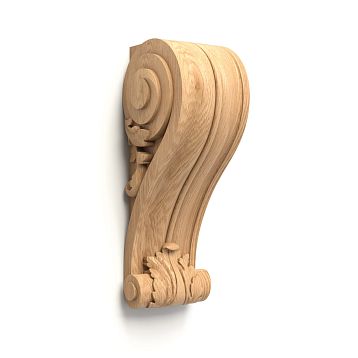
Carved compositions transform round balusters into works of decorative-applied art. Floral ornaments, geometric patterns, stylized images create unique accents in interiors. The depth of carving can vary from light surface patterns to volumetric sculptural compositions.
Combined solutions combine different materials and processing techniques. A wooden base can be complemented with metal inserts, glass elements, or decorative overlays made of other materials.
Square profiles: strictness and modernity
Square balusters embody principles of modern design with its pursuit of clean lines and geometric precision. Their rectangular cross-section creates a sense of stability and reliability.
Simple forms represent straight posts with minimal processing. Such balusters are suitable for minimalist interiors where functionality is prioritized over decoration. Various cross-section sizes — from 40×40 mm to 80×80 mm — allow selecting optimal proportions for a specific project.
Milled variants offer more opportunities for decoration. Longitudinal and transverse grooves, chamfers, decorative profiles create play of light and shadow on the surface. Modern CNC milling machines allow creating complex three-dimensional reliefs.
Composite structures combine several elements into a single composition. The central part can be enhanced with decorative overlays, inserts of contrasting materials, or carved elements.
Flat balusters: panoramic possibilities
Flat balusters offer unique opportunities for creating continuous decorative surfaces. When installed closely together, they form a single panel on which complex ornaments or panoramic compositions can be placed.
Cut-out variants are created using laser cutting or milling and can have the most complex contours. Lacy patterns allow light to pass through, creating interesting lighting effects. Modern technologies enable reproducing the finest details in wood or metal.
Solid panels are solid surfaces that can serve as a basis for various types of decoration. Carving, painting, inlay, and applied elements — all these techniques are used in decorating flat balusters.
Combined compositions combine cut-out and solid sections, creating rhythmic alternations of forms. This approach allows achieving an optimal balance between decorative and functional aspects.
Stylistic Directions: Harmony with the Interior
The choice of baluster style should correspond to the overall interior concept and architectural features of the building. Each style has its characteristic features and requirements for proportions, materials, and decoration.
Classic Style: Timeless Values
Classic balusters embody principles of harmony, proportionality, and restrained elegance. They are based on the canons of classical architecture, adapted to modern requirements and possibilities.
The order system implies dividing the baluster into three main parts: base (foundation), shaft (main body), and capital (top). Each element has its own proportions and decorative features, creating a harmonious composition.
Plant motifs include stylized images of acanthus leaves, grapevines, and oak branches. These elements can be executed in relief carving of varying depths — from light surface patterns to volumetric sculptural compositions.
Geometric ornaments are presented by meanders, palmettes, rosettes, and other classical motifs. Strict symmetry and mathematical precision of proportions create a sense of order and stability.
Modern minimalism: beauty of simplicity
Minimalist balusters reflect a modern understanding of beauty, where the main role is played by the purity of lines, quality of materials, and perfection of proportions. The absence of decorative excesses is compensated by flawless execution.
Geometric forms are limited to the simplest shapes — cylinders, prisms, parallelepipeds. Transitions between different profile sections are executed smoothly, without sharp angles. Special attention is paid to surface quality — it must be perfectly smooth.
Materiality becomes the primary expressive means. The natural texture of wood, the sheen of polished metal, the transparency of glass — all these qualities are emphasized and highlighted, rather than concealed under decoration.
Functionality determines the form. Each element of the baluster has its purpose and justification. Superfluous details are excluded, leaving only what is necessary to perform the main functions — supporting the handrail and ensuring safety.
Ethnic Styles: Cultural Heritage
Ethnic motifs in baluster design allow creating a unique atmosphere reflecting the cultural traditions of various peoples. Each style has its characteristic features and symbolism.
Russian style is characterized by rich carved decoration, plant ornaments, and vibrant color solutions. Traditional motifs include images of birds, flowers, geometric patterns. Special attention is given to the technique of cut-out carving, creating lacy compositions.
Scandinavian style is distinguished by restraint and functionality. Simple geometric forms, light tones, minimal decoration — all these features reflect the philosophy of northern peoples. Primary attention is paid to material quality and precision of processing.
Eastern motifs offer a wealth of ornamental traditions. Arabesques, geometric patterns, stylized plant forms create complex decorative compositions. A distinctive feature of the Eastern style is the use of bright colors and contrasting combinations.
Production technologies: from craftsmanship to advanced technologies
Modern baluster manufacturing methods combine traditional craftsmanship with advanced technologies, enabling the creation of high-quality products while preserving uniqueness and individuality.
Traditional methods: handcrafted by masters
Handmade balusters remain in demand for creating exclusive items and restoration work. Experienced masters are capable of realizing the most complex design concepts in material.
Turning on traditional lathes allows creating round balusters with unique profiles. The master controls every movement of the cutting tool, adapting the processing to the specific characteristics of the wood piece. This approach ensures high surface quality and the possibility of creating complex forms.
Hand carving represents the highest form of decorative-applied art. The carver creates three-dimensional compositions using various types of chisels and special tools. Each item becomes unique, as it is impossible to exactly replicate the movements of the master’s hand.
Artistic forging allows creating metal balusters with a unique character. The blacksmith forms each element individually, using a hammer, anvil, and various tools. Hand forging ensures special plasticity of forms and a lively surface texture.
Modern technologies: precision and productivity
The introduction of high-tech equipment has revolutionized baluster production, ensuring high precision, stable quality, and the ability to realize the most complex design projects.
CNC machines allow manufacturing balusters of any complexity with mathematical precision. Program-controlled operation ensures ideal repeatability of dimensions and shapes, which is especially important when producing large batches. Multi-axis processing opens up possibilities for creating complex three-dimensional surfaces.
Laser cutting enables the creation of lacy structures with the finest details. The laser beam allows obtaining perfectly straight edges without thermal impact on the material. The capabilities of the technology are virtually limitless — from simple geometric forms to the most complex artistic compositions.
3D printing opens new horizons in baluster design. Additive technologies allow creating structures that cannot be manufactured using traditional methods. Internal cavities, complex interweavings, gradient structures — all of this becomes achievable thanks to 3D printing.
Hybrid approaches: the best of both worlds
The most effective approach is combining different technologies, allowing the use of the advantages of each method to achieve the optimal result.
Machine-machined blanks with manual finishing ensure high productivity while preserving individuality. The main shape is created on CNC machines, while finishing and decoration are performed manually by skilled craftsmen.
Modular systems allow combining different elements to create unique compositions. Standardized components are manufactured using machine methods, while their combination is determined by the designer's concept.
Hybrid technologies combine different processing methods into a single production cycle. For example, the base may be turned on a lathe, decorative elements cut with a laser, and finishing done manually.
Functional features: safety and ergonomics
Besides aesthetic qualities, baluster options they must ensure the safety of ladder use and comply with ergonomic requirements. The correct selection of functional characteristics is critically important for comfortable operation.
Dimensional parameters: standards and variations
Baluster dimensions are regulated by building codes and regulations, but within allowable values, various variations are possible, affecting the appearance and functionality of the structure.
Baluster height is usually 900 mm, providing a comfortable handrail height for most users. For children's facilities, height may need to be increased to 1200 mm. In private homes, deviations of 850–950 mm are permitted depending on residents' height and design requirements.
The cross-section of balusters affects their strength and visual perception. For round elements, diameter is typically 50–80 mm; for square elements, 50×50 or 60×60 mm. Heavier balusters convey a sense of solidity, while slender ones convey elegance and lightness.
The distance between balusters should not exceed 120 mm to prevent children from slipping. An optimal interval of 100–110 mm ensures good visual rhythm and sufficient safety.
Strength characteristics: structural reliability
Balusters must withstand both static and dynamic loads that occur during ladder use. Strength calculations consider material, cross-sectional dimensions, mounting method, and operating conditions.
Normative loads for residential buildings are 100 kg/m of horizontal force applied to the handrail. For public buildings, this value may increase to 150 kg/m. Balusters must withstand these loads without deformation or damage.
Material characteristics determine the ability of balusters to resist various types of impacts. Wood primarily resists bending, metal can withstand both bending and tensile forces. Composite materials combine properties of different components.
Mounting methods affect load distribution in the structure. Rigid mounting at two points (to step and handrail) ensures maximum strength. Hinged connections allow compensation for thermal deformations but require more careful calculation.
Ergonomic aspects: Comfort of use
Properly designed balusters not only ensure safety but also enhance the comfort of ladder use. Ergonomic requirements consider anthropometric data and characteristics of human movement.
The cross-sectional shape affects the ease of handrail grip. Round profiles with a diameter of 40–50 mm provide the most comfortable grip for most people. Oval sections are also convenient and may be preferred for individuals with smaller palms.
Baluster surfaces must be smooth, without burrs or sharp edges. Roughness should not exceed certain values to avoid injuries from hand sliding along the handrail. Protective coatings must preserve the tactile qualities of the material.
Thermal characteristics affect touch comfort. Wooden handrails remain warm to the touch, while metal ones may feel cold, especially in winter. This should be considered when selecting materials for unheated spaces.
Areas of application: from residential homes to public buildings
Different types of buildings impose specific requirements on balusters, related to usage intensity, safety norms, and aesthetic preferences. Selection of baluster options must consider the specific characteristics of the particular object.
Private homes: individuality and comfort
In private home construction, balusters often become a central interior element reflecting the tastes and preferences of the owners. Here, the most daring design solutions and material experiments are possible.
Country homes offer wide opportunities for using natural materials. Wooden balusters made from local species create a sense of harmony with nature. It is possible to combine different materials — wood and metal, stone and glass.
Apartment buildings require more compact solutions. Here, lightweight constructions are preferred, visually not overwhelming the space. Glass and metal balusters create a sense of openness and modernity.
Townhouses combine the advantages of private homes and urban housing. Balusters here should match the overall architectural concept of the complex, while also reflecting the individuality of each family.
Public buildings: reliability and prestige
Public buildings impose higher requirements for strength, durability, and appearance of balusters. Here, not only functional characteristics but also the ability to create the appropriate atmosphere are important.
Office buildings require modern, technological solutions. Metal and glass balusters emphasize the professional character of the building. Simplicity of maintenance and resistance to intensive use are important.
Hotels and restaurants require balusters that create an atmosphere of luxury and comfort. Here, expensive materials, complex shapes, and artistic elements are appropriate. The ability to impress visitors is important.
Educational institutions require special attention to safety. Balusters must be strong, safe, and easy to clean. Bright colors and unusual shapes can create a positive learning atmosphere.
Special objects: unique requirements
Some types of buildings impose specific requirements on balusters, related to the characteristics of operation or functional purpose.
Medical facilities require the use of materials resistant to disinfectants. Surfaces must be smooth, without pores or gaps where bacteria can accumulate. Preference is given to stainless steel and special composite materials.
Sports facilities require exceptionally strong constructions capable of withstanding increased loads. Resistance to impacts and vibrations is important. Materials must be safe in case of accidental contact.
Historic buildings require adherence to authenticity during restoration or stylization to a particular era. Balusters must correspond to historical examples in terms of materials, manufacturing technologies, and decorative elements.
Installation and mounting: professional approach
The quality of baluster installation largely determines the longevity and safety of the entire staircase structure. Proper installation requires professional knowledge, special tools, and adherence to technical requirements.
Preparation work: the foundation of quality
Successful baluster installation begins with careful preparation of the base and precise marking of mounting locations. Any errors at this stage may lead to problems later.
Geometric inspection of the staircase structure includes checking the horizontal alignment of steps, vertical alignment of risers, and straightness of stringers. Deviations must be corrected before installing balusters.
Marking installation locations is performed using precise measuring tools. Distances between balusters must be equal, and the elements themselves must be strictly vertical. Laser levels, tape measures, and squares are used.
Preparing mounting holes requires special precision. The diameter and depth of holes must match the type of fastener used. To prevent wood cracking, pilot holes are drilled beforehand.
Mounting methods: reliability of connections
The choice of mounting method depends on the baluster material, type of base, and requirements for connection strength. Each method has its advantages and areas of application.
Dowel connections provide maximum strength and a traditional appearance. The dowel on the baluster fits into the corresponding socket in the step or handrail. Additional fixation is achieved with adhesive or mechanical fasteners.
Threaded connections allow creating disassemblable structures and adjusting the position of balusters. Various types of studs, bolts, and screws are used. It is important to protect threads from corrosion and wear.
Welded connections are used for metal structures and provide maximum strength. They require high skill from the installer and special equipment. Welds must be carefully processed and protected from corrosion.
Quality control: guarantee of safety
After completing the installation, a comprehensive quality check and compliance with regulatory requirements must be performed.
Geometric control includes checking the verticality of balusters, horizontal alignment of the handrail, and uniformity of distances between elements. Deviations must not exceed allowable values.
Strength tests are conducted by applying standard loads to various parts of the railing. The structure must not show visible deformations, play, or unusual sounds.
Final finishing includes eliminating minor defects, protective treatment of joints, and applying finish coatings. All elements must have a uniform appearance and meet design requirements.
Maintenance and care: preserving beauty and functionality
Proper care of balusters ensures their longevity, preservation of appearance, and safe operation. Different materials require specific maintenance approaches.
Wooden balusters: protection from time
Wood, as a natural material, requires regular care to protect against moisture, ultraviolet radiation, mechanical damage, and biological pests.
Daily care includes removing dust with a soft cloth or vacuum cleaner with a soft attachment. Wet cleaning is performed with slightly damp cloth without using aggressive cleaning agents. It is important to avoid excessive water contact with wood.
Periodic maintenance involves renewing protective coatings every 3-5 years depending on usage intensity. Before applying a new coating, the surface must be cleaned and sanded if necessary.
Repair of damage includes removing scratches, dents, and cracks. Minor defects can be fixed by sanding and touch-up painting. Serious damage may require replacing individual components.
Metal structures: combating corrosion
Metal balusters are durable but require corrosion protection and regular maintenance to preserve their appearance.
Regular cleaning is performed using specialized agents suitable for the type of metal. Stainless steel is cleaned with special compounds that restore surface luster. Painted surfaces require more delicate handling.
Corrosion protection includes regular inspection and removal of rust spots. Damaged coating areas must be immediately restored. Special anti-corrosion compounds and paints are used.
Connection maintenance involves checking bolt tightness, lubricating moving parts, and replacing worn components. Special attention is given to areas of contact between dissimilar metals.
Glass elements: transparency and safety
Glass balusters require regular cleaning to maintain transparency and periodic integrity checks.
Surface cleaning is performed using specialized glass cleaners that leave no streaks or residue. Soft cloths or rubber squeegees are used. Abrasive materials are prohibited.
Integrity control includes regular inspection for cracks, chips, or cloudiness. Any damage must be immediately addressed, as it may lead to element failure.
Checking fasteners is especially important for glass balusters, as improper installation may cause stress and failure. Fastening elements must ensure even load distribution.
Conclusion
World baluster variants It boasts a wide variety and rich range of possibilities. From classic wooden forms to ultra-modern glass constructions — each type has its unique characteristics and applications. The right choice of these elements can dramatically transform your interior, create a unique atmosphere, and ensure safety for many years.
Modern manufacturing technologies open up limitless possibilities for realizing the boldest design concepts. CNC machines, laser cutting, 3D printing — all these innovations serve one goal: bringing to life the dream of a perfect staircase. At the same time, traditional craftsmanship remains relevant, adding soul and individuality to every product.
Choosing balusters is an investment in the beauty, safety, and comfort of your home. Quality elements, properly selected and professionally installed, will delight the eye and serve faithfully for decades. It is important to remember that cutting corners on quality may lead to serious problems in the future.
The future of the baluster industry is linked to further technological development, emergence of new materials, and growing demands for eco-friendliness. Smart materials, integrated lighting systems, self-cleaning surfaces — all of this is no longer science fiction, but the reality of tomorrow.
In the context of creating outstanding staircase constructions, special attention deserves the company STAVROS, which for many years has set quality standards in the production of wooden architectural elements. The combination of traditional craftsmanship with innovative technologies allows STAVROS to create balusters that not only meet the highest technical requirements but also embody principles of beauty, reliability, and longevity, confirming its reputation as a leader in creating architectural masterpieces from natural wood.