Article Contents:
- What is wooden plank and how is its price formed?
- Concept of wooden plank and features of wooden material
- Main factors affecting the cost
- 1. Wood species
- 2. Processing technology
- 3. Protective coating treatment
- 4. Dimensions and shape of planks
- Current state of the market
- Factors influencing price dynamics
- 1. Changes in demand and supply
- 2. Innovative developments
- 3. Geographic characteristics of production
- 4. Quality and eco-friendliness of raw materials
- Examples of price categories
- Supplier selection and quality assessment
- Budget planning and cost calculation
- Using seasonal discounts and promotions
- Ecological safety and aesthetics
- Durability and resistance to external influences
- Design variability and possibility of interior modernization
- Surface preparation and installation
- Selection of fasteners and tools
- Maintenance and regular servicing
- How to choose optimal cost-to-quality ratio
- Importance of professional consultation
- Using analytical data and comparative tables
- Innovations and new technologies
- Growing demand for eco-friendly materials
- Expectations of the end consumer
The modern market for finishing materials offers a wide range of solutions for interior design. One such popular material is wooden plank, made from natural wood. Buyers often pay special attention to the question: wooden plank price. How to choose the optimal cost-to-quality ratio? In this article, we will thoroughly examine all aspects influencing pricing, as well as provide practical advice on selecting and using the material. If you want to learn how to not only refresh your interior but also save money without sacrificing aesthetics, continue reading.
This article will address the following questions:
● What affects the cost of wooden plank?
● How do prices vary depending on wood species and processing methods?
● What are current market trends and how to choose the best offer?
● Practical tips for optimizing costs and increasing material durability.
It is important to note that within this article, the keywordwooden plank price will be used to refer to a specialized resource where you can review the assortment and detailed specifications of this material. This approach allows not only to gain theoretical knowledge but also to promptly assess the practical aspects of the issue.


What is wooden plank and how is its price formed?




Concept of wooden plank and features of wooden material
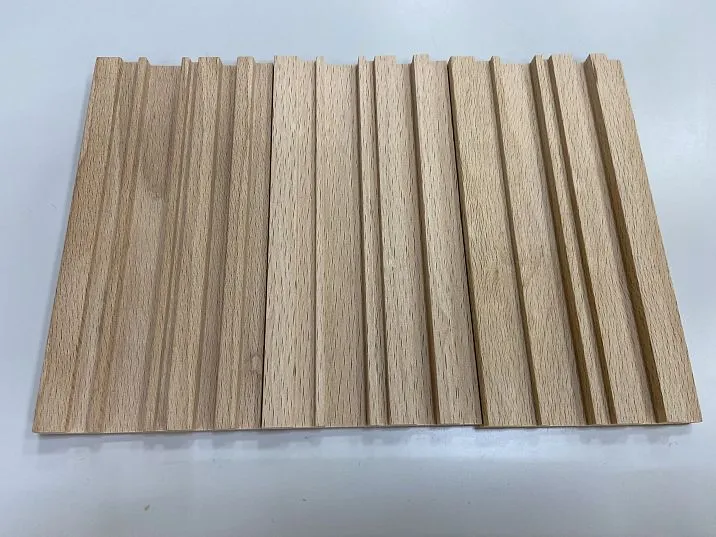
Wooden plank is a traditional finishing material consisting of wooden planks used for wall, ceiling, and even building facade cladding. It is valued for its naturalness, aesthetic appeal, and durability. Wood, as a material, possesses unique properties: thermal insulation, sound insulation, and ecological safety. However, its price is determined not only by the rarity of the species but also by the processing technology.
In the context of this discussion, the key question is wooden plank price – the cost of the material directly depends on its quality, processing method, and many other factors. For example, wooden plank made from premium wood species may cost significantly more than analogs made from more common materials. In this case, both aesthetic characteristics and operational properties play an important role.
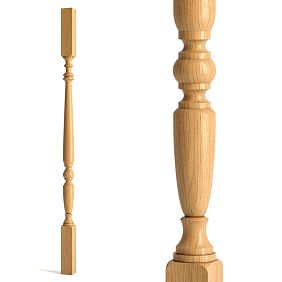
Our factory also produces:



Main factors affecting the cost
1. Wood species
Wood species is one of the main factors affecting wooden plank price. Natural wood has a variety of textures, colors, and densities, which determine not only visual characteristics but also the durability of the material. For example:
● Oak and beech – more expensive species, distinguished by high strength and refined appearance.
● Pine – a more affordable option, often used in budget projects, but requiring additional treatment to enhance resistance to moisture and mechanical damage.
When selecting material, it is necessary to consider not only its cost but also its maintenance requirements, as expensive species often require special operating conditions.
2. Processing technology
Modern wood processing technologies significantly affect the final cost of wooden plank. Such technologies include:
● Mechanical planing: a basic method that provides a smooth surface, but requires subsequent finishing.
● Laser cutting and engraving: give the material an exclusive look, enhancing its aesthetic value, which affects wooden plank price.
● Nanotechnologies: used to improve water-repellent properties and resistance to scratches. Such innovative methods may increase the cost, but guarantee high quality and long service life of the product.
3. Protective Coating Application
Proper finishing of wooden planks is an important stage that helps preserve the natural appearance of wood and protect it from adverse external factors. Applying varnish, oil, or special compositions may increase the price, but provides additional material protection, extending its service life.
4. Plank Dimensions and Shape
The price of wooden planks is also influenced by the dimensions and shape of the planks. Larger planks, requiring additional processing to achieve the desired smoothness and strength, are typically more expensive. Similarly, decorative elements with unique dimensions or textures may have higher prices.
Get Consultation
Lumber Market: Analysis of Price Dynamics and Trends
Current Market Status
In recent years, the market for wooden planks has undergone significant changes. On the one hand, demand for natural materials continues to grow; on the other hand, competition among manufacturers intensifies, leading to a wider variety of offerings and more flexible pricing. Today, consumers can find both premium and budget options that meet various needs.
Modern interior design trends favor natural materials, which in turn affects the price of wooden planks. In an environment where eco-friendliness and naturalness are gaining increasing importance, investing in quality planks becomes justified. High material prices are not only due to their aesthetic qualities but also to their durability, which helps avoid frequent repairs and saves on maintenance costs.
Factors Influencing Price Dynamics
1. Changes in Demand and Supply
As with any other market, demand and supply play a key role in forming prices. During periods of economic growth and active construction, demand for finishing materials increases, leading to higher prices. Conversely, in times of economic instability, manufacturers may offer discounts and promotions to stimulate sales.
2. Innovative Developments
The introduction of new technologies in wooden plank production is often accompanied by increased product cost. However, such investments are justified by improved performance characteristics and material appearance. Innovative processing methods, such as laser cutting or nanotechnology application, allow creating premium-grade products that are in demand on the market and have corresponding wooden plank prices.
3. Geographic Production Characteristics
Prices for wooden planks may vary depending on the region of production and transportation costs. Materials produced near major construction centers typically have competitive prices due to reduced logistics costs. Meanwhile, products delivered from remote regions may cost more, which is reflected in the final wooden plank price for the end consumer.
4. Quality and Ecological Raw Material
Modern consumers increasingly pay attention to the ecological purity and origin of materials. Products made from wood sourced from certified forest resources have higher prices, as certification and quality control costs are added to the final price. This approach ensures that the product meets modern ecological standards and will last longer.
Examples of Price Categories
In practice, several price categories can be identified:
● Budget Segment. Here, planks are made from cheaper wood species, such as pine. These materials are often used for interior finishes where budget savings are more important than premium quality. Despite their low cost, they require regular maintenance and may be inferior in durability.
● Mid-range Segment. Products in this category are characterized by optimal price-to-quality ratio. Use of higher-quality wood species, thoughtful processing technology, and additional protective coatings ensure material durability. This segment most often offers the optimal value for the requested wooden plank price.
● Premium Segment. This refers to high-quality products made from valuable wood species using advanced processing technologies. These products are distinguished not only by aesthetic perfection but also by high resistance to external influences. Of course, such products have high prices, but their durability and exclusivity often justify the investment.
How to Optimize Costs When Choosing Wooden Planks
Supplier Selection and Quality Assessment
One of the key aspects when selecting material is choosing a reliable supplier. Quality products should be certified and supported by customer reviews. Before purchasing, it is recommended to study offers from several manufacturers, compare prices, and pay attention to delivery terms and warranty service. Such a comprehensive approach allows finding the optimal offer for the requested wooden plank price.
Budget Planning and Cost Calculation
Before starting renovation work, it is important to calculate the budget in detail. This includes not only the cost of the material itself but also expenses for installation, finishing, and possible future maintenance. Experienced professionals recommend:
● Prepare a detailed list of required work. Determine which interior areas will be covered with planks and calculate the required material quantity.
● Consider additional expenses. These may include surface preparation work, additional fasteners, protective coatings, etc.
● Set aside a contingency budget. It is always useful to have a small reserve of funds for unexpected expenses or project adjustments.
Use of Seasonal Discounts and Promotions
The market for finishing materials is subject to seasonal fluctuations. Often, manufacturers and suppliers hold sales, offering discounts and special conditions for bulk buyers. Regular monitoring of such offers can significantly reduce the cost of purchasing wooden planks. Also, do not forget to check manufacturer websites, where for the requested wooden plank price you can find current promotions and offers.
Advantages of Quality Wooden Planks
Ecological Safety and Aesthetics
One of the main advantages of using natural wood is its ecological safety. In light of increased environmental awareness, consumers prefer materials free of harmful substances. Natural wooden planks are not only eco-friendly but also possess a unique texture that adds individuality and warmth to interiors.
Durability and Resistance to External Influences
Quality wooden planks, despite their natural origin, can withstand external influences — from temperature fluctuations to moisture exposure. Proper treatment with protective coatings allows maintaining the material’s aesthetic qualities for decades. Thus, even with a higher initial wooden plank price, the investment pays off through long-term use and minimal maintenance costs.
Design Versatility and Interior Modernization Possibilities
Using wooden planks provides designers with broad creative opportunities. Natural wood easily combines with other finishing materials — stone, glass, metal — enabling unique interior solutions. Thanks to the variety of textures and shades, one can achieve both strict classicism and ultra-modern minimalism. This approach not only refreshes interiors but also creates a space reflecting the owner’s individuality.
Practical Recommendations for Choosing and Installing Wooden Planks
Surface Preparation and Installation
Before installing wooden planks, it is necessary to thoroughly prepare the surface. This may include:
● Cleaning from dust and old finishing materials.
● Leveling walls or ceilings to ensure smooth installation.
● Conducting waterproofing work if the space has high humidity.
Proper preparation of the base is the key to long-term durability and quality appearance of the finished product. Installation should be entrusted to experienced professionals, especially for large areas or complex structural solutions.
Selection of Fasteners and Tools
When installing wooden planks, it is important to use high-quality fasteners that ensure secure material fixation and minimize the risk of deformation over time. Depending on the surface type, nails, specialized adhesives, and profiles may be used. It is recommended to discuss all installation details with the supplier in advance to avoid unnecessary expenses and ensure the longest possible service life of the material.
Care and Regular Maintenance
After installing wooden planks, it is necessary to follow recommendations for material care. Regular cleaning from dust and dirt, as well as periodic treatment with protective coatings, will help maintain the original appearance and extend the product’s service life. Do not economize on quality care products — this directly affects the final wooden plank price in terms of long-term durability and aesthetics of your interior.
Expert Advice and Recommendations for Cost Optimization
How to Choose the Optimal Price-to-Quality Ratio
Experienced specialists note that when choosing wooden planks, attention should be paid not only to their cost but also to technical specifications and customer reviews. When searching for the optimal offer, consider the following points:
● Raw Material Quality. Products made from high-quality wood, despite higher prices, often prove more cost-effective in the long run.
● Processing Technologies. Modern methods such as laser cutting or nanocomposites allow achieving exceptional precision and durability, which is reflected in the price.
● Manufacturer Warranties. Reliable manufacturers provide quality certificates and warranty service, which is an important indicator of material reliability.
When purchasing wooden planks, orient towards a comprehensive offer where optimal wooden plank price is combined with high performance characteristics.
Importance of Professional Consultation
Do not economize on consultations with specialists when selecting finishing materials. Professional designers and builders can provide valuable advice, taking into account the specifics of your interior and budget. Their experience allows not only to select the optimal offer but also to avoid mistakes during installation, ultimately reducing overall costs and enhancing the aesthetic value of the project.
Use of Analytical Data and Comparative Tables
For a more objective analysis, it is advisable to use comparative tables that present characteristics of different manufacturers, their prices, and delivery terms. This will help identify the optimal market offer and make an informed decision. When analyzing data, pay attention to customer reviews, warranty periods, and brand reputation.
Market Development Prospects and Consumer Expectations
Innovations and New Technologies
The modern wooden plank market actively develops under the influence of new technologies and consumer demands. In the future, further adoption of innovative processing methods is expected, which will significantly improve material performance characteristics. This, in turn, may affect the dynamics of wooden plank prices, as new technologies often justify higher product costs due to increased service life and enhanced aesthetic value.
Growing Demand for Eco-Friendly Materials
In the context of global environmental challenges, consumers increasingly focus on natural and eco-safe materials. Natural wood used for plank production is becoming more popular, as it not only gives interiors a unique look but also contributes to creating a healthy atmosphere in rooms. This trend helps stabilize demand, thus optimizing wooden plank price on the market.
End-user expectations
Modern buyers seek solutions that combine aesthetic appeal, functionality, and reasonable pricing. For many, choosing siding becomes a symbol of striving for quality and durability. However, it is not only the material's appearance that matters, but also its practical characteristics: resistance to mechanical damage, ease of installation, and minimal maintenance costs. A comprehensive approach to selecting finishing materials helps meet even the most demanding clients' expectations.
Conclusion
In conclusion, it can be confidently stated that analyzing the question of wooden siding price requires a comprehensive approach. From selecting wood species, processing methods, and protective treatments to evaluating market trends — all these factors influence the final cost of the material. At the same time, it is important to remember that a high price does not always mean excessive cost, and an optimal price-to-quality ratio often becomes the key criterion when choosing finishing materials.
Natural siding is not just a way to refresh your interior — it is an investment in long-term usability, aesthetic value, and ecological safety of your home. Choosing quality siding creates a space where every element contributes to harmony, comfort, and functionality. Relying on specialists' experience and analyzing market offers, you can find the optimal solution that meets even the highest requirements.
It is also important to remember that modern technologies and innovative processing methods allow achieving outstanding results while rationally distributing expenses. When purchasing siding, pay attention to offers from reputable manufacturers, where each product comes with quality certificates and reliability guarantees. It is recommended to periodically monitor promotions and special offers, as such an approach will not only refresh your interior but also help save money.
In conclusion, we would like to emphasize that selecting finishing materials is not just a purchase — it is a strategic decision that affects the comfort and aesthetic appeal of your home. That is why special attention should be paid to all nuances, from raw material selection to installation and regular material care. Objective analysis and professional approach ensure that every penny spent on interior renovation brings maximum return in the form of long-term quality and satisfaction from the created space.
Remember: the key to success is a balanced combination of aesthetics, functionality, and reasonable price. When choosing material, focus on comprehensive offers where the optimal valuewooden plank price becomes not only economically justified but also aesthetically appealing. Such an approach guarantees that your interior will delight the eye, retain warmth, and remain current for many years.
Regardless of whether you plan to renovate your home or repair a commercial space, pay attention to the quality and durability of materials. Only in this way can you create a space where you want to live, create, and develop, without being influenced by fleeting fashion trends. Investing in quality siding means betting on time-tested technologies and natural beauty that will never lose its relevance.