Article Contents:
- What is wooden planking and why is it so popular
- Factors influencing the choice of planking
- Wood Species
- Processing quality and grade
- Profile type
- Board thickness and width
- Interior finishing
- Exterior finishing
- Bathhouses and saunas
- Market analysis and price comparison
- Buying with a reserve
- Correct budget calculation
- Foundation Preparation
- Planking mounting
- Treatment with Protective Compounds
- Maintenance and care
- Combination with other materials
- Accent Walls
- Patina and staining
- Key point: where to buy
In the world of modern construction and finishing materials, one of the most sought-after products remains natural wood. Despite the abundance of artificial substitutes, wood retains its leading positions due to its beauty, ecological purity, and durability. Particularly high demand is for planking — a cladding material that helps transform interiors, making them more cozy and aesthetically pleasing. If you aim to create a comfortable atmosphere and value naturalness, then wooden planking to buy will be your optimal solution.
In this article, we will thoroughly examine the advantages and features of wooden planking, discuss the main selection criteria, and explain what to pay attention to when purchasing. The text is intended for those who want not only an aesthetically pleasing but also reliable and long-lasting finish. We will help you better understand the material's specifics so you can make an informed decision and enjoy the results for many years.


What is wooden planking and why is it so popular
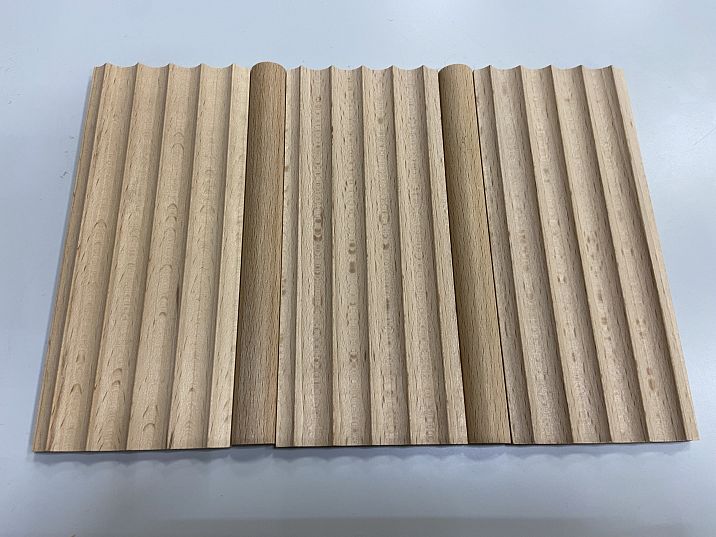
Planking is thin boards (planks) made from various types of wood and used for interior and exterior finishing. The popularity of this material is explained by a number of advantages:
- Ecological purity. Wood is a natural resource that does not emit harmful substances, is safe for human health and the environment.
- Attractive appearance. The texture and tone of the wood create a warm atmosphere that fits perfectly into both classic and modern interiors.
- Strength and durability. With proper care and adherence to usage conditions, siding can retain its qualities for decades.
- Easy installation. Installing wooden siding can be done by both professionals and individuals without extensive construction experience — the key is to follow basic rules and manufacturer recommendations.
- Variety of species. You can select the material based on your budget, desired appearance, and technical characteristics: pine, larch, spruce, oak, and others.
It's not surprising that so many people ask: wherewooden planking to buy at the most favorable conditions and yet receive a quality product. Next, we will examine how siding prices are formed, what factors affect its cost, and which factors influence the choice of a specific wood species.




Factors influencing the choice of siding
Our factory also produces:



Wood species
One of the key factors when choosing siding is the type of wood. Each species has its own characteristics:
● Pine: affordable price, pleasant light tone, and mild pine aroma. It has good thermal insulation and is easy to process, but requires additional protection from moisture and temperature fluctuations.
● Spruce: soft wood with a distinctive texture, suitable for interior finishing. It has good sound insulation properties but also requires regular treatment.
● Larch: a more expensive species, distinguished by high resistance to moisture and rot. An excellent choice for rooms with high humidity (bathrooms, saunas), as well as for exterior finishing.
● Oak: a premium species with high density and beautiful texture. Used in luxury interiors, it offers maximum strength and longevity, but requires significant financial investment.
● Ash: similar in properties to oak, but slightly cheaper. It has an original pattern and high mechanical strength.
Thus, the choice of wood species directly affects how much you are willing to invest in renovation. If you aim to save while preserving natural aesthetics, consider pine or spruce options. If prestige and longevity are important to you, investing in oak or larch is worthwhile. In any case, beforewooden planking to buyyou must match the material's features with the usage conditions in your space.
Get Consultation
Quality of processing and grade
When choosing siding, it's important not only the type of wood but also the quality of material processing. Siding can be divided into several grades: 'Extra', 'A', 'B', 'C'. The difference lies in the presence of knots, cracks, resin pockets, and other natural defects. The fewer defects, the higher the grade and, accordingly, the higher the price.
● Extra (Premium): nearly perfect surface, free of knots and cracks. The most expensive option, often chosen for luxury interiors.
● Grade A: allows for a small number of minor knots and insignificant defects that do not affect overall strength and appearance.
● Grade B: more noticeable knots and small cracks may be present, but with proper finishing, such material can look very respectable.
● Grade C: the most budget-friendly option, where numerous knots, resin spots, and other imperfections are allowed. Typically used for utility buildings, temporary structures, or when budget is limited.
In addition to grade, processing quality also affects the material — proper drying, calibrating, sanding, and protective coating application. If you want a material that will last for many years, be sure to ask the seller about the production technology.
Profile type
Siding can differ by profile type, which affects its appearance and installation method:
● Classic siding: has a tongue-and-groove joint along the long sides, ensuring tight and secure connections.
● Euro siding: features a deeper groove and ventilation channels, which improve moisture resistance and extend the material's service life.
● Block house: visually imitates a rounded log, giving interiors or facades a more 'rustic' style.
● Beam imitation: resembles a planed beam, creating an effect of a smooth wooden wall.
The choice of profile type depends on your design goals. If you prefer a strict classic look, standard euro siding is suitable. For more original projects where you want to highlight the beauty of natural wood, consider block house or beam imitation.
Board thickness and width
The thickness of the siding affects its strength and ability to retain heat. For interior work, boards of 12–15 mm thickness are usually preferred; for exterior finishing or rooms with high humidity, 18–20 mm is recommended. The width of the board affects the appearance of the cladding: narrow boards visually expand the space, while wide ones give walls a more substantial and solid look. When choosing, pay attention to the manufacturer's recommendations regarding the material's intended use.
Where and how best to use wooden siding
Interior finishing
The most popular use of siding is interior finishing of walls and ceilings in residential spaces. This may include:
● Living room: siding made from noble wood species gives the interior an atmosphere of luxury and coziness. It pairs especially well with a fireplace and furniture made of natural wood.
● Bedroom: wooden walls and ceilings help create a warm, relaxing atmosphere. With proper lighting selection, the space becomes more harmonious.
● Entryway and hallway: siding protects walls from mechanical damage and dirt, while also creating a cozy atmosphere at the entrance to the house.
Exterior finishing
Wooden siding can also be used for cladding facades, terraces, gazebos, and other outdoor structures. The key is to consider weather conditions and treat the material with special compounds that protect it from moisture, insects, and ultraviolet rays. Larch and other hardwood species are most often used in such projects due to their high resistance to external influences.
Bathhouses and saunas
Special attention should be paid to finishing bathhouses and saunas. Here, the choice of siding plays a decisive role, as the material must withstand high humidity and elevated temperatures. For bathhouses, linden or aspen are often chosen, as these species do not release resin and do not heat up to critical temperatures, making them ideal for such spaces.
How to determine that you need siding
Siding is a universal finishing material, but is it suitable for your project? The following criteria will help you answer this question:
- Ecological safety. If you aim for a healthy atmosphere in your home and value natural materials, choosing wooden siding is justified.
- Interior style. Siding fits into any style: from classic and country to Scandinavian minimalism and eco-style.
- Coziness and warmth. Wood is capable of maintaining a favorable microclimate, retaining heat and regulating humidity levels.
- Maintenance readiness. Any natural material requires certain care — treatment with oils, varnishes, or impregnations. If you are not prepared for this, it may be worth considering alternatives.
If the listed factors match your expectations, you can confidentlywooden planking to buy and begin creating the interior of your dreams.
How to choose a reliable supplier
To ensure that purchasing siding does not result in disappointment, you must responsibly approach the selection of a supplier. Pay attention to the following points:
- Company reputation. Study reviews and recommendations online, and ask acquaintances — they may already have experience working with this seller.
- Product range. Serious manufacturers and suppliers usually offer several types and grades of siding, allowing you to choose the optimal option in terms of price and quality.
- Documents and certificates. Confirm whether the seller has the necessary quality and compliance certificates. This guarantees that you will receive material matching the stated specifications.
- Delivery and storage conditions. Professional companies ensure proper storage and transportation, so the siding does not deform or get damaged during transit.
- Expert consultations. A reliable supplier is always ready to answer questions, provide recommendations, and assist with selecting the right option.
Purchase process and tips for saving money
, it is recommended to examine several offers on the market. Compare prices, consider delivery costs, and check if suppliers offer additional services — for example, discounts for large volumes, promotions, or sales. Sometimes you can save a significant amount by purchasing siding during off-seasons, when demand for construction materials drops.
Beforewooden planking to buyIt is recommended to examine several offers on the market. Compare prices, take into account delivery costs, and check if suppliers offer additional services — for example, discounts for bulk purchases, promotions, or sales. Sometimes you can save a significant amount by purchasing siding during off-season, when demand for construction materials drops.
Buying with a reserve
To avoid running out of material during renovation, it is recommended to purchase siding with a small reserve — about 10–15%. This is especially important if you plan to cover large areas. Extra material may be needed in case of defects or inaccurate measurements.
Correct budget calculation
When planning your budget, consider not only the cost of the siding itself, but also the expenses for its installation, treatment with protective coatings, and any decorative elements. Don’t forget about tools and consumables (nails, fasteners, guides). Often, people who focus only on the price per square meter underestimate additional costs and encounter unpleasant surprises during renovation.
Installation and care of wooden siding
Preparation of the Base
The quality of installation directly affects the durability and appearance of the finish. First, you must prepare the base:
- Cleaning: remove old finish, dust, dirt, and remnants of construction materials.
- Leveling: if necessary, level walls or ceilings to avoid misalignment.
- Waterproofing: if the room has high humidity, provide additional protection against moisture.
Siding installation
Depending on the type of base (concrete, brick, wood), choose the appropriate mounting method. The most common option is mounting on a subframe. Wooden battens are mounted to the wall, leveled, and then the siding is installed using clips, self-tapping screws, or small-headed nails.
It is important to control gaps for ventilation and to compensate for thermal expansion. A small gap between the siding and the wall will ensure air circulation and prevent condensation, mold, and rot.
Protective Treatment
Wood is a natural material that requires regular protection. Treatment with varnish, oil, or wax-based impregnation protects siding from moisture, UV radiation, and mechanical damage. Depending on the conditions of use, re-treatment may be required every few years. Pay special attention to joints and areas where moisture may accumulate.
Care and maintenance
To maintain siding in good condition, it is sufficient to regularly remove dust with a soft cloth or brush. Avoid using aggressive cleaning agents that may damage the surface. If necessary, you can use a slightly damp sponge, but afterward it is important to dry the surface thoroughly to avoid excess moisture.
Design trends using siding
Combination with other materials
Wooden siding combines beautifully with stone, glass, metal, and concrete. Such combinations allow you to create original interiors in loft, eco, scandinavian, or modern styles. The contrast — cold metal and warm wood — can become the "highlight" of your interior.
Accent walls
One popular design technique is to highlight one wall with siding, while the others are painted in neutral tones. This adds depth and visual interest to the space. Especially striking is the combination of siding with bright decorative elements — paintings, shelves, mirrors in stylish frames.
Patina and toning
If you want to give wood an antique, vintage look, you can use the patina technique. Special paints and impregnations create an "aged" surface effect, which is especially relevant for Provence or shabby chic styles. Toning, on the other hand, helps emphasize the wood's texture, make it more expressive, or achieve the desired shade.
Why siding is an investment in comfort and longevity
When it comes to finishing materials, many strive to find a balance between price and quality. Wooden siding is an excellent example of how to invest in a material that will serve for many years without losing its appeal. Wood never goes out of style, and its warm tones and natural beauty consistently delight the eye.
Moreover, wood contributes to creating a favorable microclimate in the room, maintaining optimal humidity and temperature. This is especially important in regions with cold winters and hot summers, where indoor comfort directly affects the quality of life.
Summary
Siding is a universal solution for those who value beauty, naturalness, and practicality. Whether you plan to renovate the interior of an apartment, clad the facade of a country house, or transform a sauna, siding can meet a wide range of needs. However, to ensure the result delights you for many years, you must carefully choose the material and supplier.
Remember that the wood species, grade, profile type, and processing technology — all these factors affect the final result. If you want to make a cost-effective purchase while still getting a quality product, consider reputable suppliers who offer certified products, provide warranties, and are ready to consult on all questions.
Key point: where to buy
Where to buywooden planking to buy● We can recommend trusted companies specializing in solid wood products. Choosing professionals, you get:
Wide variety of breeds and varieties.
● Quality guarantee and compliance with standards.
● Consultations with specialists for selection and installation.
● Convenient delivery conditions and the option to order material with reserve.
Conclusion
In today's world, where artificial materials often replace natural ones, wooden siding remains a classic that never loses its relevance. This is not just a finishing method, but a reflection of your attitude toward life, your pursuit of comfort and aesthetics. Thanks to the variety of wood species and processing options, you can create a unique interior or exterior that highlights your individuality.
If you are looking for a reliable and long-lasting solution, thenwooden planking to buy — it is a step toward creating coziness and harmony in your home. The key is not to rush your choice, carefully study the market, decide on the species and grade, and also plan your design project. Then the result will meet your expectations and delight you for many years.
May your home become a place where natural wood comes alive in every detail, adds a special charm, and makes the space truly warm and welcoming. After all, choosing wooden siding is choosing in favor of style, traditions, and comfort that will always remain relevant, regardless of changing fashion trends.