Article Contents:
- General Principles of Baluster Installation
- Planning and Preparation
- 1. Planning and Measurements
- 2. Preparation of Materials and Tools
- 3. Preparing the Work Area
- Stage 1. Marking Mounting Locations
- Marking and Planning
- Stage 2. Preparing Fasteners
- Selection of fastening elements
- Preparing Mounting Surface
- Stage 3. Installing Balusters
- Mounting Balusters to the Staircase
- Installing Balusters on Different Types of Staircases
- Fastening methods
- Preparing Work Area and Tools
- Installation Technology Secrets
- 1. Accuracy of Marking
- 2. Choosing Quality Fasteners
- 3. Proper Use of Adhesive Compounds
- 4. Quality Control of Installation
- Features of Installation on Different Types of Staircases
- Installation on Wooden Staircases
- Installation on Metal and Combined Staircases
- Hidden Installation for High Aesthetics
- Errors in Measurements and Marking
- Incorrect Choice of Fasteners
- Errors in Material Processing and Preparation
- Example 1: Installing Balusters on a Classic Wooden Staircase
- Example 2: Installing Combined Balusters on a Modern Staircase
- Example 3: Installing Balusters Yourself
- Surface treatment and protection
- Technical Condition Monitoring
- Question 1: What mistakes are most commonly made when installing balusters?
- Question 2: Can balusters be installed by oneself?
- Question 3: How to properly care for installed balusters?
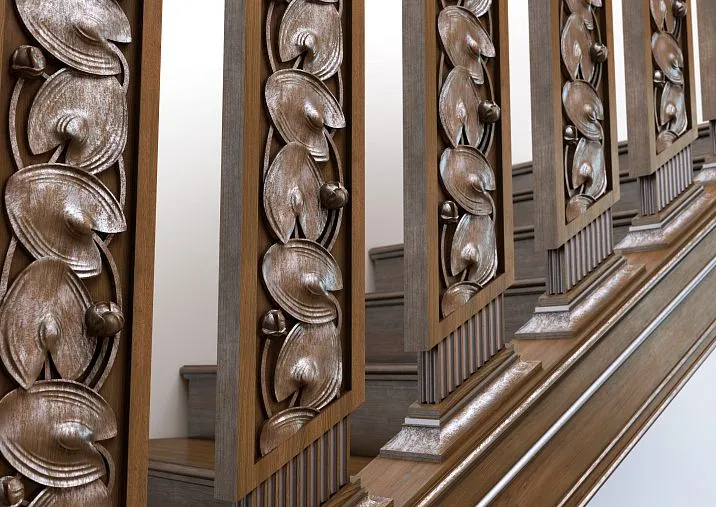
stairs are not just a means of moving between floors, but a true interior feature. A properly installed staircase sets the tone for the entire space, giving the home warmth, style, and elegance. One of the key elements of staircase construction are balusters. Their installation plays an important role not only in ensuring safety, but also in creating a harmonious design. In this article, we will thoroughly examine general principles of baluster installation for various types of staircases, share tips and recommendations from professionals, and explain how to properly install balusters by yourself. If you are planning to renovate or build a new staircase and wantbuy balustersread further – here you will find a detailed step-by-step guide, useful tips and recommendations for choosing staircase components.


General Principles of Baluster Installation
Correct baluster installation is the foundation of safety and longevity of the staircase structure. Regardless of the material used – whether wood, metal, concrete, or a combination thereof – there are general principles that must be followed during installation.Balusters for staircase Planning and Preparation




Planning and Preparation
Before beginning installation, it is necessary to carefully plan the entire process. Good planning helps avoid mistakes and ensures strict adherence to all safety regulations.
1. Plan Development and Measurements
● Sketching. Begin by developing a detailed installation plan for balusters. Determine where each component will be located:balusters for staircase to buy must be positioned according to safety norms, ensuring optimal spacing between them.
● Measurements and Marking. Accurate measurements are essential for quality installation. Use a tape measure, level, and laser level to mark mounting locations. Pay attention to baluster height – standard height must comply with regulations, and spacing between balusters should be comfortable for hands and eyes.
2. Material and Tool Preparation
● Material Selection. Decide which balusters you will install:Wooden balusters will give the staircase warmth and coziness,balusters to buy in Moscow metal or concrete balusters – for creating a modern industrial look.
● Tools. Prepare necessary tools: drill, screwdriver, level, tape measure, screwdrivers, fasteners, as well as protective gear – gloves, safety glasses, and helmet. Do not forget aboutstaircase componentswhich will help ensure secure fastening.
3. Preparation of Work Area
● Cleaning and Organizing Space. Ensure the work area is free of unnecessary items and sufficiently lit. This will allow you to work accurately and safely.
● Surface Protection. If installation is being performed on a wooden staircase, protect it from potential damage using special coatings or protective films.
Our factory also produces:


General Baluster Installation Stages
Get Consultation
Stage 1. Marking Mounting Locations
The first and one of the most important stages – proper marking. The accuracy of measurements directly affects the quality and reliability of installation.
Marking and Planning
● Definition of mounting points. Mark the locations where the balusters will be installedHandrails and balustersUse a level to check vertical alignment.
● Compliance with distances. The standard distance between balusters should ensure safety and ease of use. If you are unsure about the calculations, consult the relevant documents or professionals toHow to install balusters and handrails be carried out according to standards.
Stage 2. Preparation of fasteners
Selection of fastening elements
● Fastening systems. For installing balusters, special brackets, dowels, screws, and mounting adhesives are used. Good fastening is the guarantee of the structure's longevity. If you plan tobalusters for staircase to buypay attention to the quality of fasteners provided by reputable manufacturers.
● Mounting accessories. Usestaircase components to securely fix the balusters. They ensure a strong connection and prevent the structure from loosening even under heavy use.
Preparation of mounting surface
● Cleaning and preparation. The surface where the balusters will be installed must be clean, flat, and dry. This is especially important for wooden surfaces, where material deformation is possible.
● Pre-drilling. If screwing is planned, it is recommended to pre-drill holes to avoid material cracking. This approach is especially important when installingwooden balusters for staircases to buy.
Stage 3. Installing balusters
Mounting balusters on the staircase
● Alignment and fixation. Use a level to check the vertical alignment of each baluster. After marking and drilling mounting holes, install the balusters using a drill and fastening elements.
● Strength check. After installing each baluster, check its stability. If the item wobbles or has gaps, it must be additionally secured using mounting adhesive or additional fasteners.
● Installation tips. Professionals recommend not cutting corners on fastener quality, asinstalling balusters and railings by hand directly affects the safety of the entire staircase.
Installing balusters on different types of staircases
Balusters are installed not only on classic wooden staircases, but also on metal, concrete, and composite structures.
● Wooden staircases. When installingwooden balusters it is important to consider the material's characteristics — wood requires careful drilling and fastening to avoid cracking.
● Metal staircases. For such structures, balusters made of metal or composite items are used. Here, precision and use of special fasteners suitable for metal are important.
● Composite staircases. In such cases, balusters may be used where one element combines wood, metal, and concrete. Special attention is paid to alignment and precision of installation to ensure all materials harmoniously complement each other.
Mounting methods
There are several main methods of mounting balusters, and the choice depends on the material they are made of and the type of staircase:
- Mounting with screws. This method is one of the most common. It provides a secure connection, especially if pre-drilled holes are used.
○ It is recommended to useinstallation of balusters and handrails with screws to achieve maximum stability.
- Mounting on angles. In some cases, metal angles are used, which are attached both to balusters and to the main staircase structure. This is especially relevant forWooden balusterswhere protection against mechanical damage plays a major role.
- Adhesive connection. For some types of balusters (especially handmade ones), it is possible to use special adhesives that provide a secure connection without mechanical fasteners. This method is often used in combined constructions where several materials are used simultaneously.
- Hidden mounting. In this method, fasteners are positioned so that they are not visible, achieving perfect aesthetics. This is especially important for objects with a high design level, where every detail matters.
Professional Tips
Professional installers and designers share their experience and recommendations for installing balusters to ensure the work is done qualitatively and safely.
Workplace and tool preparation
Before starting installation, make sure you have everything necessary:
● Work area. Arrange your workspace so that it is clean, well-lit, and safe.
● Tools. Check the condition of the drill, screwdriver, level, tape measure, and other tools. Do not cut corners on quality — reliable tools significantly simplify the installation process.
● Protection. Use personal protective equipment: safety glasses, gloves, helmet — this will help avoid injuries.
Installation technology secrets
Professionals recommend following several important rules:
1. Accurate marking
● Each hole must be precisely measured and drilled. Incorrect marking can lead to misalignment and unreliable fastening.
● Use a level to check the verticality of balusters to ensure perfect alignment.
2. Choosing quality fasteners
● Fasteners must be selected based on the material of the balusters and the type of staircase.
● If you plan tobalusters for staircase to buyuse quality staircase components to ensure a reliable connection.
3. Proper use of adhesive compositions
● When using adhesive, it is important to correctly select a composition suitable for bonding different materials, such as wood and metal.
● Follow the adhesive manufacturer's instructions to ensure maximum adhesion and durability of the connection.
4. Quality control of installation
● After installing each baluster, perform a fastening check: verify stability, absence of gaps, and correct alignment.
● If any defects are detected, they should be promptly corrected using additional fasteners or corrective procedures.
Installation specifics for different types of staircases
Installation on wooden staircases
When installingwooden balusters on a wooden staircase, it is important to consider the characteristics of wood:
● Wood is prone to deformation, so fasteners must provide even load distribution.
● Use pre-drilling of holes and carefully secure balusters with screws.
Pay special attention to the quality of processing – processed and polished surfaces retain their beauty and strength for many years.
Installation on metal and composite staircases
Forrailings and balusters On metal or composite staircases, special fastening systems are used:
● Metal requires the use of corrosion-resistant fasteners.
● When installing composite balusters, where wood, metal, and concrete are combined in one element, it is important to consider their different expansion coefficients. This prevents deformations and damage to the joints.
● It is recommended to useinstalling balusters and railings by hand with mandatory checking of all connections for strength and stability.
Hidden mounting for high aesthetics
Hidden mounting allows achieving perfect line purity and makes fasteners invisible. This is especially important for objects with a high design level:
● Fasteners are positioned so as not to disrupt the overall design concept.
● Use special profiles and fastening systems that provide secure connections without visible elements.
● This mounting method is often used forbaluster forged buy, when it is important to preserve the aesthetic purity of the item.
Common mistakes when installing balusters and how to avoid them
Even experienced craftsmen may encounter problems when installing balusters. Below are the main mistakes to avoid and tips for resolving them.
Errors in measurements and marking
● Incorrect marking. Measurement errors lead to misalignment and uneven placement of balusters.
Recommendation: Use high-precision measuring instruments and check the marking several times before drilling.
● Neglecting regulations. Standards for spacing between balusters are important for safety.
Recommendation: Familiarize yourself with current standards and specialists' recommendations toHow to install balusters and handrails be carried out in accordance with regulations.
Incorrect choice of fasteners
● Using unsuitable fasteners. Poor-quality or inappropriate fasteners may cause balusters to loosen.
Recommendation: Use only provenstaircase components and monitor their condition.
● Incorrect pre-drilling. Lack of pre-drilling may cause wood splitting and uneven mounting of metal elements.
Recommendation: Always pre-drill holes, especially when installingwooden balusters for staircases to buy.
Errors in material processing and preparation
● Incorrect wood treatment. If wood is not treated with antiseptics and varnishes, it may deteriorate faster and lose its aesthetic qualities.
Recommendation: Process withWooden balusters special protective compounds.
● Incorrect material combination. When installing combined balusters, it is important to consider the physical properties of each material – their expansion coefficients, moisture resistance, and resistance to temperature fluctuations.
Recommendation: Carefully plan the design and use high-qualitymetal baluster purchase, to avoid material incompatibility.
Practical Examples of Baluster Installation
Example 1: Installing Balusters on a Classic Wooden Staircase
. The work began with careful marking of mounting locations, followed by preliminary drilling of holes. The balusters were secured using mounting brackets and screws, ensuring maximum stability. After installation, vertical alignment was checked using a level, and then a protective lacquer was applied to the surface. The final result – the staircase became not only safe but also transformed into a central interior element, accentuating its classic aesthetic.wooden balusters for stairs buyThe work began with careful marking of mounting locations, after which the craftsmen drilled pilot holes. The balusters were secured using mounting brackets and screws, ensuring maximum stability. After installation, vertical alignment was checked with a level, and then a protective lacquer was applied to the surface. The final result — the staircase became not only safe but also transformed into a central interior element, accentuating its classic aesthetic.
Example 2: Installing Combined Balusters on a Modern Staircase
. The main material – solid natural wood – was combined with metallic elements and concrete inserts. Work began with careful surface preparation, after which the craftsmen installed the balusters using a concealed mounting method. This achieved an ideal aesthetic, where mounting hardware was not visible. The result was a stylish, modern staircase that became a true work of art, demonstrating how traditional and modern materials can be combined.buy wooden balusters for the staircaseThe main material — solid natural wood — was combined with metallic elements and concrete inserts. The work began with careful surface preparation, after which the craftsmen installed the balusters using concealed mounting. This achieved an ideal aesthetic, where mounting hardware is not visible. The result was a stylish, modern staircase that became a true work of art, demonstrating how traditional and contemporary materials can be harmoniously combined.
Example 3: Installing Balusters Yourself
For those who want to tryinstalling balusters and railings by handand follow specialist recommendations. Thanks to careful preparation and attention to detail, the installation went smoothly, and the result exceeded expectations – the staircase became reliable and stylish, and the installation process brought great satisfaction and confidence in one’s abilities.staircase components and followed the recommendations of specialists. Thanks to careful preparation and attention to detail, the installation went smoothly, and the result exceeded expectations — the staircase became both reliable and stylish, and the installation process brought great satisfaction and confidence in one's abilities.
Recommendations for Maintenance and Care After Installation
After successful installation of balusters, it is important to properly care for the structure to preserve its aesthetic and functional characteristics for many years.
Surface Treatment and Protection
● Wooden balusters. Regular treatment with special compounds (oils, lacquers, waxes) will help protect wood from moisture, ultraviolet rays, and mechanical damage.
○ If you want %sBuy wooden balusters, choose pre-treated items with protective compounds, or periodically renew the coating yourself.
● Metallic elements. It is recommended to periodically check the condition of the anti-corrosion coating on metal balusters and perform polishing if necessary. This will help maintain the shine and longevity of the item.
● Concrete inserts. Concrete is easily cleaned of dust and dirt, but regular cleaning with mild cleaning agents will help preserve its aesthetic appearance.
Technical Condition Monitoring
After installation, regularly inspect the balusters and mounting hardware. Check for signs of weakened fasteners or material damage. If any defects are found, they should be promptly addressed to avoid compromising the overall safety of the staircase.
Frequently Asked Questions and Answers
Question 1: What mistakes are most commonly made during baluster installation?
Answer: The most common mistakes include inaccurate measurements and marking, using inappropriate fasteners, omitting preliminary drilling of holes, and improper material treatment. To avoid such errors, carefully plan the work, use high-qualitystaircase components and consult specialists.
Question 2: Can balusters be installed by hand?
Answer: Yes,installing balusters and railings by hand It is entirely possible if you have basic skills in working with tools and follow all instructions. The key is to carefully prepare the work area, properly mark and use quality fasteners.
Question 3: How to properly care for installed balusters?
Answer: Wooden balusters require regular treatment with protective compounds, maintaining their cleanliness, and promptly addressing minor damages. Metal elements require checking anti-corrosion coatings, while concrete needs periodic cleaning. Regular inspection of the structure will help prevent potential problems and preserve the aesthetic appearance of the staircase.
Conclusion
Installing balusters is an important process that affects not only the appearance but also the safety of the entire staircase structure. Adhering to general installation principles, thorough preparation of the work area, and using qualitystaircase components will allow you to achieve a professional result even during self-installation. Regardless of whether you plan to installbalusters for staircase to buy on a wooden, metal, or combined staircase, accuracy, neatness, and following all instructions are crucial.
We recommend paying attention to the following key points:
● Careful marking and measurements. This is the foundation of quality installation.
● Use of quality fastening elements. Only reliable connections ensure the longevity of the structure.
● Adherence to installation technology. Proper pre-drilling, use of adhesives and brackets — the key to successful installation.
● Regular maintenance and monitoring of the structure’s condition. This will help preserve the aesthetic appearance and safety of the staircase for many years.
If you dream of a unique interior and wish to contribute your own touch to creating a stylish and safe staircase, trybuy balusters and install them yourself. Use professional advice, don’t be afraid to experiment and improve your skills. After all, proper installation is not only about aesthetics but also about the safety of your home.
We hope this guide will help you understand the nuances of installation and avoid typical mistakes. Remember:Balusters for staircase is an important element that affects the overall appearance and functionality of the staircase structure, and quality installation ensures reliability and longevity for many years. ConsultHandrails and balusters andPosts for staircase, to create a harmonious ensemble, and don’t forget aboutNewel poststhat will complement your design.
Invest in quality, apply the recommendations received, and create an interior that will delight you and your loved ones every day. After all, installing balusters is not just a technical process, but true creativity, where every detail matters and reflects your pursuit of perfection!