Article Contents:
- Personal Code of Space
- Emotional Component of Design
- Philosophical Foundations of Individual Design
- Principles of Harmony and Contrast
- Temporal Layers in Interior Design
- Color Psychology in Creating Uniqueness
- Cultural Context of Color
- Personal color palette
- Evolution of Color Preferences
- Textures and Materials: Tactile Uniqueness
- Natural Materials as the Foundation of Authenticity
- Combining Textures
- Multi-layered Lighting
- Lighting as a Tool for Creating Atmosphere
- Natural Light as the Foundation
- Art of Zoning: Functional Uniqueness
- Flexible Zoning
- Visual and Physical Boundaries
- Ergonomics and Aesthetics
- Kitchen as the heart of a unique home
- Materials for Kitchen Spaces
- Bedroom: Intimacy and Uniqueness
- Color Palette for Sleep and Relaxation
- Textiles as the Foundation of Comfort
- Bathroom: Spa Zone in Your Own Home
- Lighting in the Bathroom
- Materials for wet areas
- Children's Rooms: Uniqueness Growing Alongside the Child
- Safety as the Foundation of Design
- Stimulating Environment
- Workspaces: Productivity and Inspiration
- Workspaces: Productivity and Inspiration
- Ergonomics of the workspace
- Motivating Atmosphere
- Technology in a Unique Interior
- Smart Home and Personalization
- Integration of Technology into Design
- Renovation as a Path to Uniqueness
- Working with Heritage
- Renovation as a Creative Process
- Collecting and Personalization
- Exhibition Solutions
- Exhibition Rotation
- Ecology and sustainability
- Natural and recycled materials
- Energy Efficiency and Resource Conservation
- Trends and Anti-Trends in Unique Design
- Biophilic design
- Maximalism as a Reaction to Minimalism
- Budget and Uniqueness
- Investing in Quality
- Creativity Instead of Cost
- Frequently Asked Questions
- Conclusion
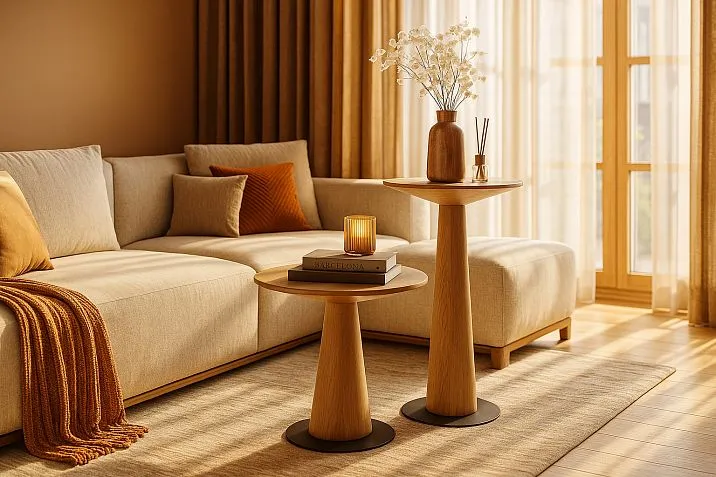
In a World of Standard Layouts and Mass-Produced Furniture, Creating Something Truly Unique unique interiors Becomes an Act of Creative Resistance Against Blandness. Every home, every apartment holds the potential to reflect the inner world of its owner — but not everyone succeeds in fully unlocking this potential. What transforms an ordinary dwelling into a work of art? How to create a space that tells a story no less compellingly than any novel?
The modern design industry offers thousands of ready-made solutions, millions of color and texture combinations, but true uniqueness arises not from catalogs or templates. It emerges where professional designer skill meets deep understanding of the client’s personality, where tradition blends with innovation, and where every detail carries meaningful content and emotional charge.




The Anatomy of Uniqueness: What Makes an Interior Irreplaceable
Uniqueness in interior design is not a random collection of expensive items or blind adherence to fashion trends. It is a complex system of interconnected elements, each contributing to the creation of a unified image that tells the story of a specific individual or family.




The Personal Code of Space
Each person possesses a unique set of characteristics — from temperament and life experience to professional interests and cultural preferences. The designer’s task is to decode this personal code and translate it into the language of space, color, form, and texture.
Unique Home Interior It begins with a deep interview with the client, studying their lifestyle, habits, and dreams. A professional designer pays attention not only to obvious preferences but also to hidden needs and subconscious desires that the client may not even be aware of.
Our factory also produces:




The Emotional Component of Design
The uniqueness of an interior largely depends on its ability to evoke emotions. The space must not only function but also resonate with the inner world of its inhabitants. This is achieved through subtle work with lighting, color, textures, and proportions.
Professional designers know: the same color can evoke completely different emotions depending on context, lighting, and surrounding hues. Red may be aggressive and overpowering, or warm and cozy. Blue can soothe or, conversely, create a sense of coldness and detachment.
Get Consultation
Philosophical Foundations of Individual Design
Creating a unique interior is a philosophical process requiring deep understanding of the essence of design as an art of organizing space for living. It is not merely decorating superficial elements, but creating a holistic living environment.
Principle of Harmony and Contrast
One of the foundational principles of creating unique interiors is skillfully balancing harmony and contrast. A space that is overly harmonious may appear dull and lifeless, while excessive contrast creates a sense of chaos and discomfort.
Unique Interior Designs They arise at the intersection of opposites: modern with antique, rough with elegant, dark with light. But these contrasts must be intentional, subordinate to a single concept.
Time layers in interior
True uniqueness often manifests in the ability of the interior to tell stories from different time periods. This does not mean mechanical mixing of styles — it is a delicate work with time layers, where each element finds its place within the overall chronology of the space.
Antique furniture can coexist with contemporary art, vintage accessories — with high-tech solutions. The key is that all elements should be united by a common idea, a shared understanding of beauty and functionality.
Color psychology in creating uniqueness
Color is one of the most powerful tools for creating a unique interior. But working with color requires not only artistic intuition, but also an understanding of the psychological mechanisms of its perception.
Personal color palette
Everyone has their own color preferences, often linked to life experience, cultural context, physiological characteristics of perception. Creating a personal color palette is a process of identifying not only favorite colors, but also those shades that have a beneficial effect on a specific person's psycho-emotional state.
Cultural context of color
Perception of color is largely determined by cultural context. What symbolizes joy and celebration in one culture may be associated with mourning or danger in another. When creating a unique interior, the designer must consider not only the client's personal preferences, but also their cultural background.
Evolution of color preferences
A person's color preferences may change with age, under the influence of life circumstances, seasonal mood changes. A unique interior should possess a certain flexibility, allowing it to adapt to the evolution of its owner's taste without major renovations.
Textures and materials: tactile uniqueness
Visual perception of the interior is only one channel of its impact on a person. Equally important are tactile sensations created by various materials and textures.
Natural materials as the basis of authenticity
In the era of synthetic materials, natural textures acquire special value. Wood, stone, metal, leather, natural fabrics — each material possesses its own energy, its ability to affect a person on a subconscious level.
Unique interior items are often created precisely from natural materials, which over time acquire a noble patina, tell the story of their use, become increasingly valuable and significant to the owner.
Combining textures
The art of creating a unique interior largely lies in skillfully combining different textures. Smooth with rough, soft with hard, shiny with matte — such combinations create a richness of tactile sensations, making the interior alive and dynamic.
Lighting as a tool for creating atmosphere
Lighting — one of the most underestimated, yet critically important elements of a unique interior. Properly designed lighting can radically change the perception of space, highlight its strengths and conceal its weaknesses, create the desired atmosphere at different times of day.
Multi-layered lighting
The concept of multi-layered lighting implies using several types of light sources with different functions: general lighting for comfortable movement through space, task lighting for specific activities, accent lighting to highlight significant interior elements, and decorative lighting to create mood.
Natural light as the foundation
When creating a unique interior, special attention is paid to working with natural light. Orientation of rooms relative to the cardinal directions, size and shape of windows, ways of their treatment — all these factors influence the character of the space.
The art of zoning: functional uniqueness
Modern lifestyle requires interiors to be highly functional while maintaining aesthetic appeal. The art of zoning lies in the ability to organize space so that each zone performs its function, yet all zones form a unified whole.
Flexible zoning
Unique apartment interior often implies creating multifunctional spaces capable of transforming according to the needs of the moment. A living room can become a home office, a bedroom — a yoga zone, a kitchen — a place for conducting workshops.
Zoning can be achieved both through physical partitions and visual means — by changing ceiling height, wall color, floor type, lighting. The designer’s skill is demonstrated in the ability to find a balance between the openness of space and its functional division.
Zoning can be achieved both through physical partitions and visual means—by changing ceiling height, wall color, floor type, or lighting. The designer's skill is demonstrated in the ability to find a balance between the openness of space and its functional division.
Kitchen as the heart of a unique home
In a modern home, the kitchen often becomes the center of family life, not only a place for food preparation, but also for communication, creativity, and relaxation. Unique Kitchen Interiors require a special approach combining high functionality with aesthetic appeal.
Ergonomics and beauty
Creating a unique kitchen begins with analyzing the family's culinary habits, frequency of use of various appliances and dishes, and preferences for organizing the workflow. Based on this analysis, an individual layout is created, where each element is in its proper place.
Materials for the kitchen space
Choosing materials for the kitchen should take into account not only aesthetic preferences but also practical requirements — resistance to moisture, high temperatures, mechanical impacts, and ease of maintenance. However, this does not mean the kitchen must be sterilely practical. Modern technologies allow creating materials that combine beauty with functionality.
Bedroom: intimacy and uniqueness
The bedroom is the most private space in the house, a place for restoring strength and quiet rest. Creating a unique bedroom interior requires special delicacy and understanding of the psychological needs of its occupants.
Color palette for sleep and rest
The color scheme of the bedroom should promote relaxation and quality sleep. This does not mean the palette must be dull or monotonous. Properly chosen shades can be bright and saturated, yet still create a sense of calm and coziness.
Textiles as the basis of comfort
In the bedroom, textiles play a special role — bedding, curtains, rugs, decorative pillows. The quality of fabrics, their texture, and their ability to allow air and moisture to pass directly affect the quality of sleep and overall well-being.
Bathroom: spa zone in your own home
A modern bathroom is not just a place for hygiene procedures, but a personal spa zone, a place for relaxation and self-care. Creating a unique bathroom interior requires combining functionality with luxury.
Materials for wet areas
Choosing materials for the bathroom is limited by moisture resistance requirements, but within these constraints, truly unique solutions can be created. Natural stone, quality ceramic, glass, metal — each material can become the basis for creating an incomparable look.
Lighting in the bathroom
Bathroom lighting should be both practical and atmospheric. Bright light is necessary for hygiene procedures, while soft light is ideal for relaxing baths. Modern technologies allow creating flexible lighting systems that adapt to different usage scenarios.
Children's rooms: uniqueness growing with the child
Creating a unique children's room interior is especially challenging, as the space must adapt to the rapidly changing needs of a growing child.
Safety as the basis of design
All design solutions in the children's room must comply with safety requirements. Rounded corners, eco-friendly materials, secure fastenings — these seemingly obvious requirements often determine the overall design concept.
Stimulating environment
The children's room should stimulate the child's development, encourage creativity, and support learning. Color choices, space organization, furniture and accessory selection — everything should contribute to creating a developmental environment.
Workspaces: productivity and inspiration
In the era of remote work, creating a comfortable home office is becoming an increasingly relevant task. A unique workspace should promote productivity, concentration, and creative thinking.
Ergonomics of the workspace
Proper organization of the workspace directly affects health and productivity. The height of the desk and chair, the monitor's tilt angle, the placement of light sources — every detail matters.
Motivating atmosphere
The workspace should motivate and inspire. This is achieved through thoughtful selection of colors, materials, lighting, and decorative elements. Personal achievements, sources of inspiration, favorite art pieces can become important elements of a unique workspace interior.
Technology in unique interiors
Modern technologies open new possibilities for creating unique interiors. Smart home systems, integrated technology, innovative materials — all of this can become part of individual design.
Smart home and personalization
Smart home systems allow adjusting environmental parameters — lighting, temperature, humidity, acoustics — according to individual preferences and current needs. This is a new level of interior personalization.
Integration of Technology in Design
The designer's task is to organically integrate modern technologies into the interior, making them invisible or, conversely, transforming them into decorative elements. A television can become a painting, speakers — sculptures, control systems — works of jewelry art.
Reconstruction as a Path to Uniqueness
Often, creating a unique interior is associated with reconstructing existing space. Interior project unique interior may involve significant structural changes — demolition of walls, alteration of layout, creation of new functional zones.
Working with Historical Heritage
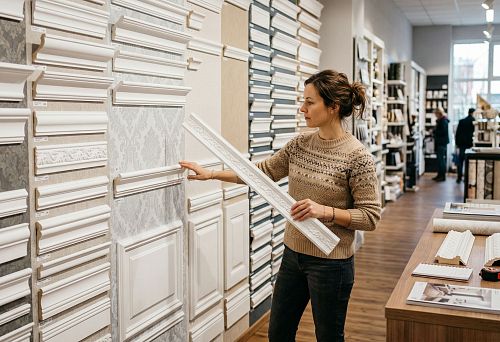
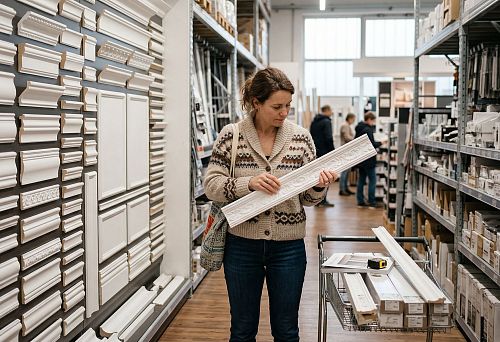
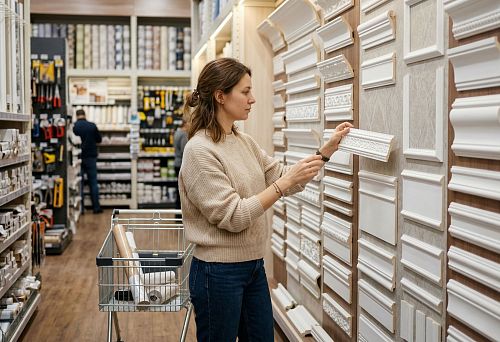
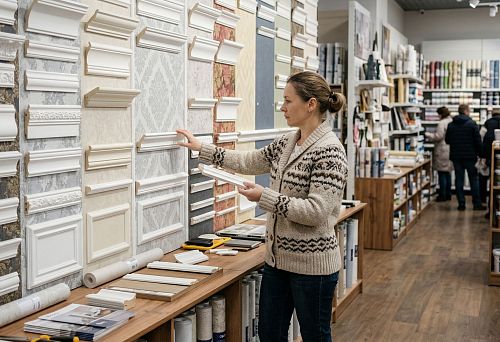
When reconstructing historical buildings, it is important to find a balance between preserving authentic elements and adapting the space to modern needs. Antique moldings can coexist with modern technology, historical beams — with innovative lighting systems.
Renovation as a Creative Process
Changing the layout is not only a technical task but also a creative process of creating new spatial relationships. Combining or dividing rooms, creating passageways, altering ceiling heights — all of this are tools for creating a unique interior.
Collecting and Personalization
Personal collections, works of art, and memorabilia play a key role in creating a unique interior. They tell the story of the owner, reflecting his interests and passions.
Exhibition Solutions
Placing collections and works of art requires a professional approach. Lighting, background, grouping of objects, creating visual connections — all of this affects the perception of individual artworks as well as the interior as a whole.
Exhibition Rotation
A unique interior can change over time through the rotation of artworks and collectible objects. This allows maintaining fresh perception and adapting the space to seasonal changes in mood.
Ecological and sustainable design
Modern unique interiors are increasingly created with principles of eco-friendliness and sustainable development. This is not merely a fashion trend, but a conscious pursuit of a healthy lifestyle.
Natural and recycled materials
Using natural materials, wood from sustainably managed forests, recycled materials has become an important element of the philosophy of unique design. These materials are not only eco-friendly, but also possess a special energy, soul.
Energy Efficiency and Resource Conservation
Energy-saving systems, water-saving technologies, renewable energy sources can become not only practical solutions but also design elements highlighting the eco-friendliness of the interior.
Trends and Anti-Trends in Unique Design
Creating a truly unique interior requires understanding modern design trends, but also the ability to not blindly follow them, but to use them as tools for creating an individual style.
Biophilic Design
One of the leading trends in modern design is biophilia, the desire to integrate natural elements into the interior. Living plants, natural materials, organic forms help create a harmonious connection between interior space and nature.
Maximalism as a Reaction to Minimalism
After the long dominance of minimalism, there is a growing interest in maximalist solutions — rich decoration, saturated colors, eclectic style combinations. But maximalism in a unique interior is not chaotic clutter of objects, but a thoughtfully composed arrangement, where each element has its place and meaning.
Budget and Uniqueness
A common misconception is that creating a unique interior necessarily requires significant financial investment. In reality, uniqueness is defined not by the cost of items, but by their thoughtful selection and composition.
Investments in Quality
A sensible approach to the budget for a unique interior involves investing in quality basic elements — good furniture, high-quality finishing materials, reliable engineering systems. These elements serve as the foundation upon which a unique style can be built.
Creativity Instead of Cost
Often, the most memorable elements of a unique interior are not expensive designer items, but creative solutions, found treasures, reinterpreted vintage items. The ability to see potential in ordinary things — an essential part of the philosophy of unique design.
Frequently asked questions
Can a unique interior be created in a standard apartment?
Absolutely! A standard layout is not an obstacle to creating a unique interior. On the contrary, working within constraints often stimulates creativity. You can change the functional purpose of rooms, use non-standard color solutions, and create unusual storage systems.
How long does it take to create a unique interior project?
The time required depends on the complexity of the project and the size of the space. On average, developing a design project takes 2-4 months, implementation takes 3-8 months. However, it's important to understand that a unique interior is a living system that evolves and improves over time.
Is it necessary to completely change the interior to create uniqueness?
Not necessarily. Often, it’s enough to change accents, add a few key elements, and reinterpret existing items. Uniqueness can be achieved through subtle changes — new lighting, textiles, color accents.
How to choose a designer for creating a unique interior?
Choosing a designer is a critically important decision. Study the portfolio, pay attention to the variety of styles and approaches. It’s important to find a professional who knows how to listen and understand the client, willing to invest time in studying your needs and preferences.
Can different styles be combined in one interior?
Eclecticism is one of the ways to create a unique interior. But mixing styles requires a professional approach. It’s important to find a unifying idea, common elements — color, material, shape — that will connect different style items into a single composition.
How to maintain the relevance of a unique interior?
A good unique interior does not become outdated, but evolves. Incorporate possibilities for changes into the project — movable furniture, interchangeable decorative elements, flexible lighting. Regularly update textiles, add new art objects, experiment with plants.
Should one follow fashion trends when creating a unique interior?
Trends can be a source of inspiration, but should not define the entire project. Use trendy elements selectively, as accents that are easy to replace. The foundation of a unique interior should be timeless.
How to create a unique interior for a family with children?
A family interior requires a balance between individuality and practicality. Create zones for different family members, use durable materials, provide storage systems for children’s items. But this does not mean giving up beauty and style.
Conclusion
Creating unique interiors is an art that requires not only professional skills but also a deep understanding of human nature, the ability to read between the lines, and to see potential where others see limitations. In a world of mass production and standard solutions, uniqueness becomes especially valuable — it allows a person to truly feel at home, surrounded by things and spaces that resonate with their inner world.
The path to creating a unique interior is a path of self-discovery, exploring one’s own needs, desires, dreams. It is a process that does not end with the completion of renovation, but continues throughout life, as we change, and our spaces must change with us.
In this complex and exciting process, it is important to find a reliable partner — a company that shares the philosophy of individualized approach, values uniqueness, and is willing to invest soul into every project. For many years, STAVROS has remained faithful to the principles of creating unique interior solutions, combining classical traditions with modern technologies. Deep understanding of client needs, attention to detail, use of only high-quality materials, and collaboration with the best craftsmen enable STAVROS to create not just beautiful interiors, but spaces that become reflections of their owners’ souls. Choosing STAVROS means choosing a partner who will help bring to life the boldest dreams of your dream home — unique, irreplaceable, created especially for you.