Article Contents:
- Philosophy of Invisible Technologies: Smart Home Without Plastic Panels
- Smart Moldings: How Classic Decor Becomes Functional
- Wooden Decor with Smart Functions
- Smart Furniture Hardware: When a Handle Is More Than a Handle
- Smart Lighting Combined with Natural Materials
- Climate Control and Ecology in Synergy with Wood
- Security and Privacy in a Smart Home
- Energy Efficiency and Ecology
- Voice Control and Artificial Intelligence
- Smart Furniture with Wooden Accents
- Design Solutions: Aesthetics and Technology in Harmony
- Practical Tips for Creating a Smart Home with Natural Materials
- Economic Viability of a Smart Home
- The Future of Smart Homes: Trends of Development
- Frequently Asked Questions About Smart Homes with Natural Materials
- Conclusion: Create a Smart Home with Soul Together with STAVROS

Technology no longer contradicts nature — in 2026, the smart home becomes invisible, blending into the texture of natural wood, the elegance of moldings, the tactility of furniture. IoT systems operate in the background, managing climate, lighting, security, but visually, the interior remains warm, alive, human.Polyurethane moldingshiding motion sensors and contour lighting.Wooden items— panels, rails, furniture — integrate wireless charging stations and touch panels.Furniture Handlesbecome biometric locks, preserving a classic appearance. The home of the future is a symbiosis of natural aesthetics and artificial intelligence, where technology serves humanity without disrupting the harmony of space.


Philosophy of Invisible Technologies: Smart Home Without Plastic Panels
The first-generation smart home was bulky — sensor screens on walls, plastic sensors, wires, routers. All of this disrupted aesthetics, turning the home into a kind of scientific laboratory. In 2026, the approach changes radically: technologies recede into the background, leaving only the beauty of natural materials visible.
Wireless technologies allow us to eliminate wires. IoT sensors operate on batteries that recharge from light or motion. Control is achieved through voice, gestures, facial recognition. Physical buttons and screens are minimized — they hide behindwooden panelsormolded overlays, appearing only when needed.
Artificial intelligence learns residents' habits. The system automatically understands when to turn on lights, what temperature to maintain in the bedroom, when to ventilate rooms. In the morning, it gently wakes you with natural light mimicking dawn. In the evening, it gradually dims lighting, creating a relaxing atmosphere. All this happens automatically, without commands or settings.
Integration with natural materials is a key principle.Wooden plankshiding LED strips for contour lighting.Ceiling moldingintegrates acoustic systems and air quality sensors.Wooden baseboardhas built-in cable channels for concealed wiring. Technologies are present but not visible—they are seamlessly integrated into architectural elements.




Smart Moldings: How Classic Decoration Becomes Functional
MoldingsIn the smart home of 2026, it is not just a decorative element but a multifunctional system. It conceals technologies, creates architectural expression, controls lighting and sound.polyurethane moldingsperfectly suited for IoT integration—it is lightweight, hollow inside, allows placement of sensors and wires without visible traces.
Moldings made of polyurethanewith integrated lighting create lighting scenes. LED strips are placed inside the molding, creating soft edge lighting. The smart system controls brightness and color temperature depending on the time of day. In the morning, the light is cool and invigorating. In the evening, it is warm and relaxing. At night, it is dimmed, not disturbing sleep.
Wall moldingsconceals motion and presence sensors. These sensors control lighting, climate control, and security. When you enter a room, the light turns on automatically. When you leave, it turns off. The system detects the number of people, their activity, and adjusts temperature and ventilation accordingly.
decorative rose outletsaround light fixtures integrate smart functions. Inside a socket, there may be a speaker for a distributed audio system, an air quality sensor, even a miniature security camera. All of this is hidden behind classic ornamentation, without compromising aesthetics.
Plaster ceilingbecomes the center of the smart system. Ceilings conceal acoustic panels for quality sound. Cornices integrate climate control sensors. The central socket around a chandelier can be smart—with adjustable brightness, color temperature, even projection onto the ceiling.
You can buy ready-made stucco matching the Baroque style. Calculate the quantity: linear meters of cornices and moldings, number of rosettes, pilasters, consoles, corner elements. Add a ten to fifteen percent allowance for trimming.for a smart home—means obtaining a foundation for integrating technologies without compromising beauty.— everything must correspond to the chosen era.easily customizable for specific technical tasks. The manufacturer can create hidden cavities for wires, holes for sensors, fixtures for lights—all of this remains unnoticed after installation.
Our factory also produces:


Wooden Decoration with Smart Functions
Wood in the smart home of 2026 is not only aesthetics but functionality.Wooden itemsintegrate technologies naturally, organically, almost invisibly. The natural texture and warm color of wood create coziness, while inside, smart systems are hidden.
wooden planks on the wall—a popular element of modern design—become multifunctional. Behind the slats are LED panels for accent lighting. Between the slats are wireless charging stations for smartphones. Some slats may be touch-sensitive—light touch turns on the light or music.
Slatted Partitionscreate zoning and simultaneously serve as a platform for technologies. Wires for lighting run inside the partition, acoustic panels and climate sensors are placed. The partition can be "smart"—change transparency (if glass with electrochromic coating is between the slats), regulate incoming light, even display information on built-in thin screens.
Wooden panelsfor wall finishing integrate wireless chargers. You simply lean your smartphone against the wall—and it begins charging. Panels may have built-in USB ports, hidden behind wooden covers. Or touch zones for controlling lighting and temperature.
Wooden baseboardin a smart home perform several functions. First, they are cable channels for concealed wiring—electrical, network, acoustic. Second, they serve as a base for perimeter floor lighting—LED strips behind baseboards create soft glow near the floor, especially pleasant at night. Third, some baseboard models integrate smart underfloor heating systems.
wooden baseboards for flooringcan be "speaking"—inside they house speakers for a distributed audio system. Sound is evenly distributed around the room, creating a 3D sound effect without visible speakers.buy wooden skirting boardwith technological internals—means obtaining an elegant solution that combines aesthetics and functionality.
Wooden cornicesalso become smart. They can integrate automated systems for curtains—curtains open and close according to schedule, light sensor, or voice command. The cornice may have built-in lighting that highlights ceiling texture or creates a decorative effect.
Wooden beamsin loft or country-style interiors become places for housing technologies. Wires run through hollow beams, acoustic systems and projectors are placed. The beam can integrate track lighting, ventilation systems, even a projector for a home theater.
Get Consultation
Smart Furniture Hardware: When a Handle Is More Than a Handle
Furniture Handlesin the smart home of 2026, they are interfaces for interacting with furniture and the entire system. Externally, they remain classic—wooden, metallic, carved. But inside, technologies are hidden that make them smart.
BiometricFurniture Handlesrecognize fingerprints. A cabinet with valuables opens only for family members. A child’s cabinet with hazardous items is locked for the child. A wine cabinet in the living room is accessible only to adults. All this without visible locks and keys—just touch the handle, and the cabinet opens.
Wooden furniture handlewith lighting helps navigate at night. Soft glow activates upon approach, illuminating the path to the cabinet or dresser. The lighting color can be informative—green means everything is fine, red means the security system is active, blue means child mode is on.
with smart functions can be of various styles—from classic carved to modern minimalist. The technological internals do not affect the appearance—the battery is miniature, sensors are hidden, connection is wireless.
Buy furniture handleswith smart functions can be of various styles—from classic carved to modern minimalist. The technological internals do not affect the appearance—the battery is miniature, sensors are hidden, connection is wireless.
furniture legsandfurniture legsalso become smart. Legs with weight sensors monitor what is on the shelf or in the cabinet. The system can remind you that laundry detergent is running low or that it's time to order pet food.Furniture legswith motors, allow adjusting the furniture height — the desk rises for standing work, lowers for sitting work, all automatically adapting to the user's height.
Smart lighting combined with natural materials
Lighting in the smart home of 2026 is adaptive, multi-level, integrated into the architecture. It works with natural materials, highlighting wood texture, moldings' relief, creating an atmosphere.
Cove lighting behindornate cornicescreates a floating ceiling effect. LED strips change brightness and color temperature throughout the day. In the morning — cool light, mimicking daylight, invigorating. In the evening — warm, relaxing. At night — dim, not disturbing sleep.
Accent lightingwooden stripscreates a play of light and shadow. Side lighting highlights wood texture, reveals relief, adds depth. Lighting can be dynamic — slowly changing throughout the day, creating a sense of a living space.
Lightingmoldingsemphasizes ornaments and relief. Directional light creates deep shadows, enhancing volume. The smart system automatically adjusts the direction and intensity of light depending on the time of day and activity in the room.
Floor lighting behindwooden skirting boardcreates soft glow at floor level. This is especially useful at night — no need to turn on bright light to reach the bathroom. The system detects movement and activates dim lighting sufficient for orientation.
Smart lights adapt to natural lighting. Sensors measure natural light levels and automatically adjust artificial brightness, maintaining comfortable illumination. Near windows, light is dimmed; deeper in the room — brighter. This saves energy and creates even lighting.
Lighting scenes are created for different activities. The 'reading' scene increases brightness above the chair, dims the rest. 'Movie' turns off main lighting, leaving soft backlighting behind the screen. 'Romantic dinner' creates dim, warm lighting, illuminatingceiling moldingThe 'party' scene activates dynamic colored lighting.
Climate control and ecology in symbiosis with wood
Smart climate control system in 2026 operates unnoticed, integrated with natural materials. Sensors are hidden behindmoldingsandwooden panels, creating a comfortable microclimate without visible devices.
Temperature control is adaptive. The system knows that in the bedroom in the morning it should be cool (18-20°C), in the living room during the day it should be comfortable (21-23°C), and in the bathroom in the evening it should be warm (24-26°C). It takes into account the number of people in the room, their activity, season, even weather outside.
Humidity control is important for health and preservationwooden items. The system maintains optimal humidity (40-60%), preventing wood from drying out in winter and excessive humidity in summer. Sensors are placed in different zones, and the system automatically regulates humidifiers and dehumidifiers.
Air quality is continuously monitored. Sensors measure CO2, volatile organic compounds, dust, allergens. If levels exceed norms, ventilation and air purifiers automatically activate. The system may open windows for ventilation if weather permits, or activate heat recovery.
Natural materials help with climate control.Wooden panelsnaturally regulate humidity — wood absorbs excess moisture and releases it when dry.Polyurethane moldingsdoes not fear moisture, allowing use of humidifiers without risk to finishes. The combination of natural materials and smart technologies creates a healthy microclimate.
Safety and privacy in the smart home
Safety in the smart home of 2026 is multi-level but unobtrusive. Cameras and sensors are hidden, the system operates intelligently, without creating a sense of constant surveillance.
Video surveillance is integrated into architectural elements. Miniature cameras are placed indecorative outletsformolded overlaysinwooden panelsThey are discreet but provide full coverage. The system analyzes video in real time, recognizes family members, and records suspicious activity.
Motion and presence sensors are placed throughout the house. They not only control lighting and climate but also monitor security. If the system detects movement when everyone should be sleeping, it sends an alert. If someone falls (especially relevant for elderly people), the system calls for help.
Smart locks on entry doors recognize owners by face, fingerprint, or smartphone. Guests can be given temporary access — a QR code for a specific time. The system records all entries and exits, sending notifications to the owner.
Furniture handles with biometricsprotect valuable items. A safe in a wardrobe, a document box, a wine cabinet — all accessible only by fingerprint. Any attempt at breaking in is recorded and sent to the owner.
Privacy is an important aspect of a smart home. The system has privacy modes when cameras and microphones are turned off. Data is stored locally, not in the cloud, and is encrypted. The owner fully controls which data is collected and how it is used.
Energy efficiency and ecology
The smart home of 2026 is an energy-efficient home. Technologies help save resources, minimize ecological footprint, and live more consciously.
Smart energy consumption tracks electricity usage per device. The system shows how much the refrigerator, TV, or lighting consumes. It automatically turns off devices in standby mode, optimizes climate control, and suggests ways to reduce consumption.
Integration with solar panels and batteries allows energy storage and usage during peak hours. The system automatically switches between grid power and batteries, choosing the most economical option. Excess energy can be sold back to the grid.
Water consumption control tracks water usage, detects leaks, and suggests ways to save. The system can collect rainwater for plant irrigation and use greywater for technical purposes.
Natural materials support eco-friendliness.Wooden items— a renewable resource that absorbs carbon.Polyurethane moldings— durable, does not require frequent replacement, fully recyclable. The combination of eco-friendly materials and smart technologies creates a home with minimal environmental impact.
Voice control and artificial intelligence
Voice assistants in 2026 have become smarter, more natural, and more useful. They understand context, consider preferences, and even anticipate needs.
Voice control of the home has become commonplace. "Turn on the living room lights" — and the lights turn on. "Create a reading atmosphere" — the light above the armchair brightens, the rest dims, and calm music plays. "I’m leaving" — lights turn off, doors lock, and security activates.
Contextual understanding makes communication natural. Instead of precise commands, you can use everyday phrases. "I’m cold" — temperature increases. "Too bright" — lights dim. "I want to watch a movie" — lights turn off, projector turns on, curtains close.
Personalization for each family member. The system recognizes voices and knows each person’s preferences. Dad says "morning coffee" — the coffee machine prepares espresso. Mom says the same — latte with almond milk. Children cannot use voice commands to control dangerous devices or change temperature.
Integration with natural materials creates acoustic comfort.Wooden panelsandMoldings— improve acoustics, helping the system better recognize voice. Microphones are hidden in architectural elements, discreet and effective.
Smart furniture with wooden accents
Furniture in the smart home of 2026 is not just interior decor — it’s intelligent systems integrated into the overall ecosystem.Wooden elements— make it warm and human.
The smart table automatically adjusts its height. It knows who is sitting at it and adapts to their height. It has built-in wireless charging for gadgets, USB ports, and even a heated surface for cold winter days.Legs for tablesWooden elements hide motors and electronics, preserving a classic look.
The smart bed controls sleep. Built-in sensors track sleep phases, heart rate, and breathing. The mattress automatically adjusts firmness and temperature. In the morning, the bed gently wakes you during the optimal sleep phase, gradually increasing lighting and playing invigorating music.
The smart wardrobe knows what's inside. RFID tags on clothing allow the system to create a wardrobe catalog, suggest combinations, and remind you of items you haven't worn in a long time. The built-in clothing care system refreshes garments, smooths wrinkles, and even disinfects using ultraviolet light.Furniture Handlesmade of wood with biometrics ensure security.
The smart kitchen is fully automated. The refrigerator knows what's inside, suggests recipes, and creates a shopping list. The oven has automatic cooking modes — choose a dish, and it sets the temperature and time itself. The range hood automatically turns on during cooking and adjusts power based on intensity. All fronts are made ofnatural woodcreate a warm atmosphere.
Design solutions: aesthetics and technology in harmony
Smart home design in 2026 is a balance between technology and aesthetics. The main principle — technology is invisible; only the beauty of natural materials remains visible.
Classic style with smart technology.Polyurethane moldingshide modern electronics within classic ornaments.Wooden panelsintegrate touch panels with carved details.Furniture Handlesin baroque style have biometric sensors. Outside — an 18th-century palace, inside — 21st-century technology.
Modern minimalism with wooden accents. Clean lines, light surfaces, minimal decor. ButWooden planksadd warmth and texture. Behind them lie all the technologies — wires, sensors, speakers. Technology is present, but not visible.
Scandinavian style with smart functionality. Light wood, simple shapes, natural fabrics.Wooden baseboardmade of ash or birch with built-in lighting.Furniture on wooden legsthat hide smart motors. Minimum visible technology, maximum comfort.
Loft with technology integration. OpenWooden beamsbrick walls, industrial aesthetics. Beams hide wires and acoustics. Smart lights are styled as industrial fixtures. Technology is organically integrated into the industrial atmosphere.
Practical tips for creating a smart home with natural materials
Creating a smart home with natural materials requires planning. Here are practical tips to harmoniously combine technology and aesthetics.
Plan in advance. A smart home is better to lay the foundation during renovation. Determine where sensors, cameras, and speakers will be placed. Plan cable routing — even in a wireless home, power is needed.Wooden panelsandMoldingsare installed after infrastructure routing, hiding all technical elements.
Choose compatible systems. Devices from different manufacturers must work together. Use open protocols — Zigbee, Z-Wave, Matter. This ensures flexibility and the ability to expand the system in the future.
Hide technology within architectural elements.plaster cornicesare ideal for LED strips.Wooden plankshide wires and sensors.Baseboardsserve as cable channels. This preserves aesthetics and simplifies maintenance.
Use wireless technologies where possible. Wireless sensors do not require cable routing, are easy to install and move. Batteries last for years, some sensors recharge from light or vibration.
Do not overload with automation. Automate only what truly improves life — lighting, climate, security. There's no need to make every switch and outlet smart. Simplicity of use is more important than the number of functions.
Keep manual control. Smart systems can fail. There must always be the option to manually control lighting, temperature, and doors. Ordinary switches, thermostats, locks — this is a backup option.
Choose high-quality natural materials.Wooden itemsMade from oak, beech, and ash, they serve for decades.Polyurethane moldingsDurable, moisture-resistant, easy to install. Quality materials are the foundation of a long-lasting interior.
Economic rationale for a smart home
A smart home requires investment, but it pays off through comfort, security, and resource savings. Let's consider the economic aspects.
Initial investments depend on the level of automation. A basic system (smart lighting, climate control, security) will cost a reasonable amount. A premium system with full integration, artificial intelligence, and biometrics is significantly more expensive. It is important to find a balance between functionality and budget.
Energy savings are noticeable. Smart lighting saves up to 30% of electricity. Smart climate control saves up to 25% on heating and air conditioning. Automatic shutdown of devices in standby mode saves another 10-15%. The system pays for itself in 3-5 years solely through resource savings.
Increased property value. Apartments or homes with smart systems cost more. Buyers value comfort, security, and energy efficiency. When selling, a smart home may cost 10-20% more than a similar property without automation.
Comfort and health are priceless. Quality sleep thanks to a smart bed, clean air thanks to air quality control, safety thanks to smart security — all of this improves quality of life. Health is worth more than any money.
The future of smart homes: trends of development
A smart home continues to develop. What trends will we see in the coming years?
Even smarter artificial intelligence. Systems will learn to predict needs with incredible accuracy. The home will know you better than you know yourself. It will prepare a bath when you’re tired, turn on uplifting music when you’re sad, suggest a recipe based on the products in the fridge and your mood.
Integration with medical systems. A smart home will monitor your health — blood pressure, pulse, blood sugar levels. If deviations occur, it will suggest rest, adjust lighting to reduce stress, even call a doctor if necessary.
Holographic interfaces will replace screens. Instead of smartphones or tablets for controlling the home, there will be holographic projections in the air. Gestures and voice will become the primary methods of interaction.
Full personalization of each element.Wooden itemsWill be manufactured according to individual sketches with integrated technologies.MoldingsWith unique patterns created by artificial intelligence based on your preferences.Furniture HandlesAdapted to your hand.
Even more eco-friendly solutions. Homes will generate more energy than they consume. Closed water cycles. Use of only recycled and recyclable materials. Natural materials will become the norm, not the exception.
Frequently asked questions about smart homes with natural materials
How difficult is it to install a smart home in an existing apartment?
Modern wireless systems allow you to create a smart home without major renovations. Sensors operate on batteries, communication via Wi-Fi or special protocols. You can start with basic functions — smart lighting and climate control — and gradually expand the system.Wooden elementsandMoldingsEasily added to existing walls and ceilings, concealing new infrastructure.
Are smart systems safe from hackers?
Modern systems use multi-level encryption, are regularly updated, and have anti-hacking protection. It is important to choose trusted manufacturers, use complex passwords, and regularly update software. Local data storage (not in the cloud) additionally increases security.
Are different smart devices compatible with each other?
Modern protocols (Matter, Zigbee, Z-Wave) ensure compatibility between devices from different manufacturers. A central hub unifies all devices into a single system. It is important to check for support of open protocols when purchasing.
How do natural materials affect the operation of smart systems?
WoodDo not create interference for wireless signals.Polyurethane moldingsIt is also transparent to radio waves. Moreover, wooden surfaces improve acoustics, helping voice assistants better recognize commands. Natural materials and technologies complement each other beautifully.
How much electricity does a smart home consume?
Smart devices consume minimal energy — sensors operate for months on a single battery, controllers consume watts, not kilowatts. At the same time, a smart home saves significantly more energy than it consumes — thanks to optimized lighting, heating, and appliance operation.
Can you create a smart home with a limited budget?
Yes, you can start with basic functions and gradually expand the system. Smart lighting, a thermostat, several sensors — this is affordable. The modularity of modern systems allows you to add new features as needed and as your budget allows.Wooden itemsandMoldingsThey also vary in price, allowing you to find the optimal price-to-quality ratio.
How to maintain a smart home?
Most systems operate autonomously, requiring minimal maintenance. Software updates occur automatically. Batteries in sensors are replaced once every year or two.Wooden elementsThey require periodic care — wiping, oiling.MoldingsThey are low-maintenance and easy to clean.
Is a smart home suitable for elderly people?
Even more so than for young people! Voice control is more convenient than buttons. Automation eliminates the need to remember to turn off lights or close doors. Fall sensors and medical monitoring ensure safety. The key is to configure the system simply and intuitively.
Conclusion: Create a smart home with soul together with STAVROS
The smart home of 2026 is not a cold technological shell, but a warm, living, adaptive space. Technologies serve humans while remaining invisible. On display — the beauty of natural materials, the warmth of wood, the elegance of moldings, the tactile quality of furniture hardware. It is a home that understands you, cares for you, and creates comfort automatically.
The company STAVROS offers all elements for creating a smart home with natural materials.Polyurethane moldings— ideal foundation for integrating technologies. Hollow moldings conceal LED strips, overlays mask sensors, cornices integrate acoustic systems.Decorative stucco— creates architectural expressiveness while simultaneously serving as a functional element of the smart system.
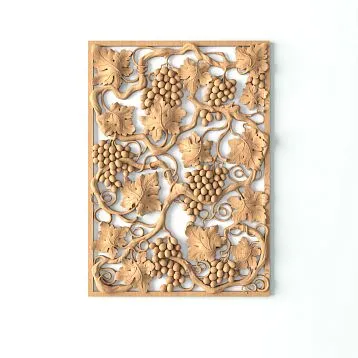
Wooden itemsSTAVROS adds warmth and naturalness to technologically oriented spaces.Wooden planks— create zoning and conceal wires.Wooden Skirting Boards— serve as cable channels and bases for underfloor lighting.Wooden panels— integrate wireless chargers and touch panels.
wooden furniture handlesSTAVROS elements can be adapted for integration with smart functions. We work with technology partners, creating handles with biometrics, lighting, and touch controls. Externally, they remain classic, beautiful, and pleasant to the touch. Internally — modern electronics.
furniture legsMade from solid wood, they provide strength and aesthetics for mobile smart furniture.buy furniture legsAvailable in various shapes and sizes, each can be adapted for integration with technology — weight sensors, height adjustment motors, wireless chargers.
We use only high-quality wood — oak, beech, ash — and modern polyurethane compositions. Each item undergoes quality control. We are ready to fulfill custom orders, creating elements according to your sketches while considering technological requirements. Our specialists will help integrate natural materials with smart systems, preserving aesthetics and ensuring functionality.
In the STAVROS catalog, you will find everything needed to create a smart home with natural materials — from basic skirting boards and moldings to exclusive carved panels and decorative elements. We offer delivery throughout Russia, consultative support, assistance in selecting elements and calculating materials.
Create a smart home with soul. A home where technologies serve you invisibly, where only beauty, warmth, and naturalness are visible. A home that understands your needs and cares for your comfort. Choose harmony between technology and nature, choose quality and individuality, choose STAVROS — and your home will become truly smart and alive.