Article Contents:
- Revolution in the perception of corner space
- Material science in the context of corner solutions
- Architectural typology of corner elements
- Technology of Flawless Installation
- Innovative approaches to corner decoration
- Stylistic diversity and design solutions
- Functional integration in modern interiors
- Production Technologies and Manufacturing Quality
- Individual design and exclusive solutions
- Economic Aspects and Investment Appeal
- Industry development trends and prospects
- Conclusion
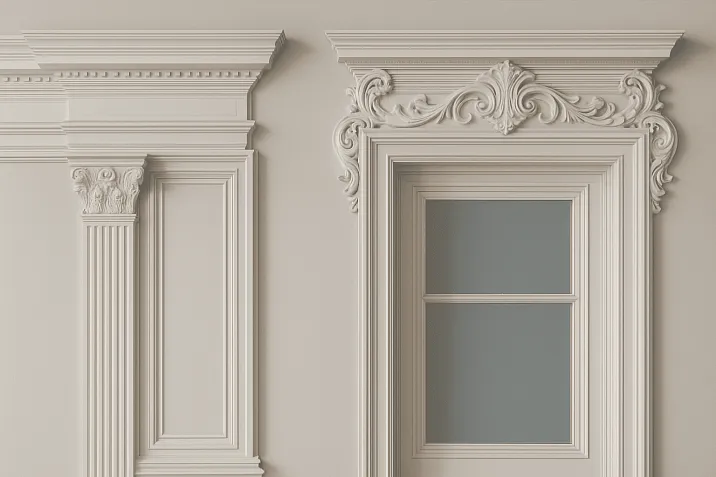
Every corner in an interior holds the potential for creating an exceptional design solution. It is precisely in these seemingly secondary zones that the secret lies in transforming an ordinary space into a work of architectural art. Corner decorative elements represent a universal designer tool capable of solving multiple tasks—from concealing technical flaws to creating luxurious visual accents.
Modern interior architecture increasingly turns to details that were previously overlooked. Corners of rooms, junctions of different surfaces, transitions between materials—all these zones require special attention and a professional approach. Proper use of decorative corner elements allows creating interiors where every detail contributes to the overall concept, and visual completeness is achieved through thoughtful consideration of all components.
The art of working with corner elements requires understanding not only aesthetic principles but also technical characteristics of materials, methods of their processing and installation. The correct choice of profile and material affects not only the appearance of the finished product but also its durability, functionality, and ability to harmoniously integrate into the existing interior.


Revolution in the perception of corner space
The traditional approach to decorating corners in interiors for a long time was limited to purely functional solutions—simple corner protectors for preventing damage or basic baseboards for covering joints. However, modern design trends have radically changed the perception of these elements, transforming them from technical details into full-fledged architectural accents.
Perception psychology shows that the human eye naturally focuses on transitions and junctions of different surfaces. Corners become sort of visual tension points that can either create discomfort due to incompleteness or, with proper decoration, form a sense of harmony and thoughtful design.
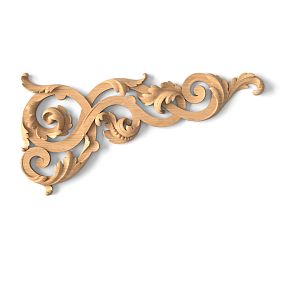
Wooden Corner Elements open up vast opportunities for creative self-expression. Natural wood allows creating items with unique texture and grain that cannot be replicated in artificial materials. Each element becomes individual and unique, which is especially valued in exclusive interior projects.
Technological capabilities of modern production allow creating corner elements of virtually any complexity—from the simplest geometric forms to intricate carved compositions with multiple levels of detail. Computer modeling and high-precision equipment ensure ideal geometry and repeatability of products, which is critically important for large-scale projects.




Material science in the context of corner solutions
The choice of material for corner decorative elements is determined by multiple factors, each of which affects the final result. Natural wood remains the gold standard for creating premium interiors, providing designers with unlimited opportunities to realize the boldest ideas.
Oak, with its expressive texture and high strength, is ideally suited for creating status interiors in the classical style. Its ability to undergo various types of finishing—from simple oiling to complex patination—makes this material versatile for solving the most diverse design tasks.
Beech demonstrates a more delicate, refined texture, making it preferable for modern interiors where clean lines and elegant forms are important. High density of the wood allows creating extremely fine details without compromising the strength of the product.
attracts designers with its ability to achieve contrasting toning, when different parts of the wood react differently to coloring agents, creating natural gradients and tonal transitions. Such Decorative corner elements become true works of art.
Modern composite materials based on MDF provide alternative possibilities for creating complex profiles with perfectly smooth surfaces. Paintable Molding made from such materials allow achieving flawless results when using any type of paint or enamel.
polyurethane compositions open up possibilities for creating water-resistant solutions, which is especially relevant for bathrooms, kitchens, and other rooms with high humidity. Corner Polyurethane Element combine ease of installation with long-term durability.
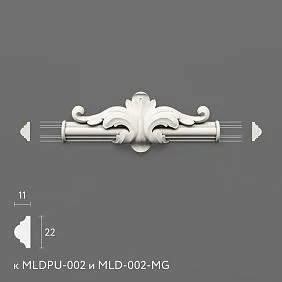
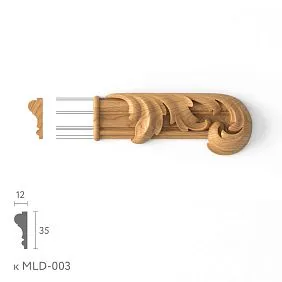
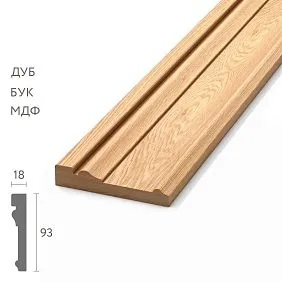
Our factory also produces:
Architectural typology of corner elements
Modern classification of corner decorative elements is based on their functional purpose and stylistic characteristics. Each type solves a specific set of tasks and has its own application features in various interior concepts.
should ensure perfect joint geometry regardless of deviations of base surfaces from an ideal plane. Corner element for ceiling should ensure perfect joint geometry regardless of deviations of base surfaces from an ideal plane.
External corner elements protect protruding corners from mechanical damage and simultaneously serve a decorative function. Their design must ensure maximum strength while preserving aesthetic qualities. This is especially important in high-traffic areas.
Transition corner elements are used at junctions of different materials or textures. They ensure visual and technical compatibility of dissimilar surfaces, creating harmonious transitions between different interior zones.
Specialized corner elements are developed to address specific tasks — such as niches, bay windows, or complex architectural forms. These items are often manufactured according to custom drawings and require a special approach to design and production.
Get Consultation
Technology of flawless installation
The quality of installing corner decorative elements largely determines the final result of the entire design project. Even the most sophisticated items may fail to realize their potential if improperly installed, whereas professional installation can transform relatively simple elements into refined interior accents.
The preparatory stage includes a thorough analysis of the room's geometry, identification of deviations from project dimensions, and planning compensatory measures. Modern measuring tools allow highly accurate determination of actual corner parameters and planning corresponding adjustments.
Corner finishing element requires special attention to the condition of base surfaces. Any irregularities, cracks, or contamination may negatively affect the quality of mounting and the appearance of the finished product. Surface preparation includes cleaning, priming, and if necessary, leveling the base.
The choice of mounting method depends on the material of the corner elements, the type of base surface, and operating conditions. Adhesive compositions provide the most aesthetically pleasing connection without visible fasteners, but require ideal surface preparation and adherence to technological procedures.
Mechanical mounting using screws or nails is used for heavy wooden elements or when adhesive bonding cannot ensure sufficient reliability. Mounting locations are carefully masked using putty and subsequent painting.
Combined mounting methods combine the advantages of different technologies, ensuring maximum connection reliability while preserving aesthetic qualities. This approach is especially relevant for large-scale elements or high-load conditions.
Quality control of installation includes checking the geometry of mounting, tightness of fit to base surfaces, absence of visible defects, and compliance with project requirements. Each stage of work is documented to ensure the possibility of subsequent servicing.
Innovative approaches to corner decoration
Modern design trends introduce numerous innovative elements into traditional corner decoration art. Integration of various materials, use of modern surface finishing technologies, application of intelligent lighting systems — all this opens new horizons for creative self-expression.
Facade Corner Elements demonstrate the possibilities of applying traditional interior solutions in exterior projects. Modern protective coatings ensure the longevity of wooden elements in outdoor conditions while preserving their aesthetic qualities.
Digital design technologies allow creating highly detailed three-dimensional models of corner elements. Virtual reality enables clients to visualize the future interior during the design stage and make necessary adjustments before production begins.
Customization has become a key trend in the production of corner elements. Each project receives unique details specifically developed to meet particular requirements and conditions. This approach ensures maximum integration of decorative elements into the overall interior concept.
Environmental aspects of production are gaining increasing importance. Use of renewable materials, safe coatings, energy-efficient technologies are becoming standards of quality production. and frames create a home atmosphere, making it truly cozy and individual. This is an investment in beauty, which pays off every day through aesthetic pleasure from admiring the beautiful. made from eco-friendly materials create a healthy atmosphere in living spaces.
Modular systems of corner elements allow creating complex compositions from standard parts, ensuring a balance between the uniqueness of the solution and the economic efficiency of the project. This approach is especially relevant for commercial projects with large-scale work volumes.
Integration of smart home systems into decorative elements opens new functional possibilities. Hidden lighting, motion sensors, climate control systems can be seamlessly integrated into corner elements, expanding their functionality beyond purely decorative purposes.
Stylistic diversity and design solutions
Corner decorative elements can adapt to any interior style, from strict minimalism to ornate baroque. Each direction dictates specific requirements for shape, proportions, material, and surface treatment, creating unique opportunities for creative self-expression.
Classic interiors require the use of traditional profiles with rich ornamentation. Mold Corner Element In such interiors, they become an integral part of the architectural ensemble, supporting the overall style and creating an atmosphere of luxury and refinement.
Modern minimalism implies the use of simple geometric forms with clear lines and minimal decorative elements. Corner elements for walls In such interiors, they should be practically invisible, performing purely functional tasks without drawing unnecessary attention.
Scandinavian style favors natural light-colored materials with emphasized wood texture. Corner elements in such interiors create a sense of closeness to nature and naturalness, which is a fundamental principle of Scandinavian design.
Loft and industrial styles can use non-standard materials and unusual finishing methods. Metal inserts, artificial aging, contrasting color solutions create an atmosphere of modern urban space.
Eclectic interiors allow bold experimentation with various styles of corner elements within a single project. Such an approach requires special skill in creating harmonious combinations of different elements.
Ethnic styles introduce traditional cultural elements into corner decoration. Carvings in Slavic style, Eastern ornaments, African motifs — each culture provides unique opportunities for creating distinctive interior solutions.
Functional integration in modern interiors
Modern corner decorative elements go far beyond purely decorative functions, becoming multifunctional components of the interior system. Integration of additional functions expands their applicability and increases their practical value.
Corner Ceiling Element may include hidden channels for wiring lighting fixtures, creating opportunities to implement complex lighting schemes without compromising interior aesthetics. Such a solution is especially relevant for modern interiors with multi-level lighting.
Ventilation functions can be integrated into large corner elements, ensuring unobtrusive air circulation in the room. Special profiles with hidden channels allow creating effective natural ventilation systems.
Acoustic properties of certain materials are used to create corner elements with sound-absorbing characteristics. Such solutions are especially in demand in home theaters, studios, and other spaces where acoustic comfort is important.
Thermostatic functions can be implemented through integration of elements of underfloor heating or other climate control systems into the corner element construction. This creates additional opportunities for maintaining a comfortable microclimate.
Security systems can also be seamlessly integrated into decorative elements. Motion sensors, surveillance cameras, fire alarm components become part of the interior without compromising its aesthetic integrity.
Production technologies and manufacturing quality
Modern production of corner decorative elements is based on combining traditional craftsmanship methods with high-tech equipment. This approach allows achieving maximum quality while preserving the individuality of each item.
Computer programming of CNC machines ensures ideal repeatability of geometric parameters in mass production. At the same time, it remains possible to quickly switch to manufacturing individual items according to special orders.
Wood quality control begins at the stage of raw material selection. Modern diagnostic methods allow identifying hidden defects, predicting material behavior during processing and operation, and excluding blanks that could lead to defective finished products.
Wood drying technologies ensure optimal moisture content for each type of product. Special chambers with programmable modes allow achieving uniform moisture distribution throughout the entire blank volume, which is critically important for preventing deformations.
Multi-stage quality control includes inspection at every stage of production — from raw material acceptance to packaging of finished products. Each item undergoes visual and instrumental inspection, ensuring compliance with the highest quality standards.
Buy corner molding High-quality production is possible only with manufacturers who invest in modern equipment and strictly control all stages of the technological process. Cutting costs on production quality inevitably leads to problems during operation.
Individual design and exclusive solutions
The modern market of decorative elements increasingly focuses on individual customer needs. Standard solutions are giving way to exclusive developments that perfectly match the concept of a specific interior project.
The individual design process begins with a deep analysis of the room's architectural features, the client's stylistic preferences, and functional requirements for future elements. Facade Corner Elements often require a special design approach taking into account climatic conditions and usage characteristics.
Three-dimensional modeling allows the client to see future elements within the context of the overall interior even before production begins. The ability to make changes during the design stage significantly reduces risks and ensures full alignment of the result with expectations.
Prototyping of critical elements allows not only evaluating the appearance but also the functional characteristics of future products. Modern rapid prototyping technologies significantly reduce the time required to develop new solutions.
Author supervision at all stages of design and production ensures that finished products correspond to the original concept. Experienced designers and technologists work in close contact, ensuring an optimal balance between aesthetic requirements and technological capabilities.
Documentation for individual projects includes detailed drawings, material specifications, technological cards, and other documentation necessary for accurately reproducing items if additional orders or repairs are required.
Economic aspects and investment attractiveness
Investments in high-quality corner decorative elements represent a long-term investment in increasing property value and improving quality of life. Properly selected and professionally installed elements can dramatically change the perception of the interior and significantly enhance its market appeal.
Market analysis shows that properties with quality finishes and thoughtfully designed solutions have significantly higher liquidity and value. Decorative Accents for Furniture and architectural elements are considered by potential buyers as indicators of the overall quality level of the property.
The durability of high-quality corner elements ensures their use for decades without loss of aesthetic or functional properties. This makes them more economically advantageous compared to cheap alternatives that require frequent replacement or repair.
Energy efficiency of modern interior solutions also takes into account the role of decorative elements in overall room insulation. High-quality corner elements can contribute to reducing heat loss and, consequently, operational heating costs.
Maintenance of high-quality decorative elements requires minimal costs when following the manufacturer's recommendations. Regular cleaning and periodic renewal of protective-decorative coatings ensure the preservation of the original appearance for many years.
Warranty service from a reliable manufacturer adds additional confidence in the correctness of the investment decision. The possibility of obtaining qualified support at all stages of operation increases the overall attractiveness of the product.
Industry Trends and Prospects
The industry of decorative elements is in a state of dynamic development, driven by changing market needs and the emergence of new technologies. Understanding key trends helps make informed decisions when selecting long-term interior solutions.
Product personalization is becoming a key factor in competitiveness. Consumers increasingly demand unique solutions that reflect their individuality and meet specific requirements of a particular project. This stimulates the development of flexible manufacturing technologies and expands customization capabilities.
Environmental responsibility is gaining increasing importance for both manufacturers and consumers. Use of sustainable materials, energy-efficient technologies, and waste minimization are becoming standard requirements for modern production.
Integration of digital technologies opens new opportunities for design, production, and service support. Virtual and augmented reality, artificial intelligence, and the Internet of Things — all these technologies find application in the industry of decorative elements.
Market globalization creates new opportunities for exchanging experience and technologies between different regions. Best practices spread quickly, raising the overall quality level of products and services in the industry.
Educational programs for designers and installers contribute to improving specialists' professional level and, consequently, the quality of the final result. Investments in employee training are considered a key factor in competitiveness.
Conclusion
The world of corner decorative elements is a remarkable universe where traditional craftsmanship meets innovative technologies, creating boundless opportunities for architectural creativity. Each element, whether a classic wooden molding or a modern polyurethane piece, holds the potential for a radical transformation of interior space.
A professional approach to selecting, designing, and installing corner decorative elements requires deep knowledge in materials science, manufacturing technologies, design principles, and building codes. Only a comprehensive understanding of all aspects allows creating interiors that are not only beautiful, but also functional, durable, and meet the highest quality standards.
Investments in quality decorative elements represent an investment in the long-term value of real estate and quality of life. Properly selected and professionally installed corner elements serve for decades, maintaining their beauty and functionality with minimal maintenance costs.
Advancements in technology and changing consumer preferences continuously expand opportunities for creative self-expression in interior design. New materials, innovative processing methods, and integration of smart technologies open horizons that were once considered unattainable.
STAVROS Company, with its rich experience and deep understanding of the needs of the modern market, offers a full range of solutions for creating exceptional interiors. From consultations on selecting optimal materials to manufacturing exclusive items based on individual projects — every stage of cooperation is built on principles of high professionalism and impeccable quality. A rich product range, including elements made of natural wood, MDF, polyurethane, and other modern materials, enables the realization of projects of any complexity and stylistic direction, creating interiors that become a source of pride and aesthetic enjoyment for many years.