












































































Article Contents:
- Why It's Important to Remove Lacquer Properly
- Main Methods of Removing Lacquer
- Mechanical Method: Reliability of Proven Tools
- Chemical Method: Effectiveness of Modern Lacquer Removers
- Thermal Method: Power of Controlled Heating
- Preparation Stage: Foundation for Successful Work
- Working with Carved Elements: Delicacy and Patience
- Safety During Work: Health Comes First
- Features of Working with Different Types of Lacquer
- Final Processing: Preparing for New Finish
- Traditional Methods: Time-Tested Solutions
- Common Mistakes for Beginners: How to Avoid Disappointment
- Professional Secrets: Nuances of Mastery
- Modern Technologies: Innovations in Restoration
- Economic Aspects: Cost Calculation
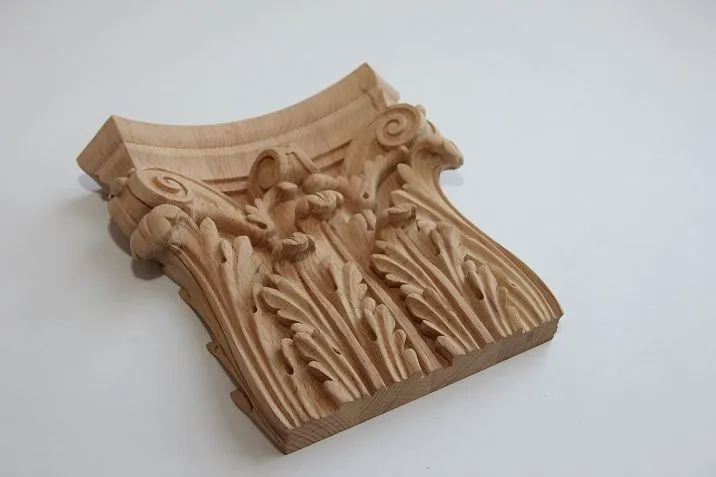
Restoring the Beauty of Wooden Furniture Begins with One Crucial Step — Removing the Outdated Lacquer Coating. This process requires patience, care, and knowledge of proper techniques. Many owners of antique items face the dilemma: how to restore their cherished chest or table to its original appearance without damaging the precious wood?
Lacquer coating inevitably loses its appeal over time. Scratches, dull spots, chips, and cracks appear. The old layer begins to flake off, creating an unattractive appearance. In such cases, the only solution is complete removal of the coating followed by surface restoration.


Why It's Important to Remove Lacquer Properly
Incorrect lacquer removal can lead to irreversible wood damage. Aggressive methods can leave deep scratches, dents, or even damage veneer structure. This is especially true for antique furniture, where every square centimeter of surface holds historical value.
Professional Approach to the Task How to Remove Lacquer from Furniture Allows preserving the original wood texture and preparing a base for new coating. Quality surface preparation is the key to long-lasting future finish.




Main Methods of Removing Lacquer
There are three fundamental methods of lacquer removal: mechanical, chemical, and thermal. Each has its advantages and limitations, so the choice of a specific method depends on the type of coating, condition of the wood, and size of the surface being treated.
Our factory also produces:


Mechanical Method: Reliability of Proven Tools
Mechanical lacquer removal involves physical action on the coating using special tools. This method is considered the safest for health, as it does not require the use of aggressive chemicals.
A scraper is a traditional tool for restorers, consisting of a thin steel plate with a sharp edge. Working with scrapers requires a certain skill, but it allows controlling the thickness of the removed layer. Movements should be smooth, directed along the wood grain at an angle of approximately 45 degrees.
A sander significantly speeds up the process, especially when working with large surfaces. It is recommended to use medium-grit discs (120), which effectively remove lacquer without damaging the wood. It is important to move smoothly, avoiding excessive pressure.
Sandpaper of various grits allows working manually on delicate areas. Start with a coarser grit, gradually moving to finer grit for final finishing.
Get Consultation
Chemical method: efficiency of modern strippers
Chemical strippers are specially developed compositions that soften the lacquer coating to a state allowing easy mechanical removal. Modern strippers come in several types: liquid, gel, and paste.
Liquid strippers are ideal for removing thin layers of lacquer. They quickly penetrate into the coating structure, but require immediate covering with a polyethylene film to prevent evaporation of active components.
Gel compositions are more convenient to apply since they do not spread over the surface and retain their activity longer. They are especially effective when working with vertical surfaces.
Paste strippers have the greatest penetration ability and are suitable for removing multi-layer coatings. They are applied in a thick layer and left for an extended period.
The process of removing lacquer using chemical means requires strict adherence to safety procedures. Mandatory use of protective gloves, goggles, and ensuring good room ventilation.
Thermal method: power of controlled heating
Thermal lacquer removal is based on the principle of softening the coating under high temperature. When heated to 70-80 degrees Celsius, the lacquer becomes plastic and easily separates from the surface.
A construction hair dryer is the main tool for the thermal method. It is important to maintain optimal temperature, avoiding overheating of wood. The appearance of bubbles on the lacquer surface indicates readiness for removal.
A soldering lamp requires special caution and professional skills. This tool allows rapid processing of large areas, but the risk of damaging wood is significantly higher.
The thermal method is especially effective for removing polyester lacquers, which were often used on Soviet furniture. Such coatings are poorly soluble in chemical strippers but soften well upon heating.
Preparation stage: foundation for successful work
Quality preparation of the work area and tools determines the success of the entire project. Before starting work, remove all detachable elements from furniture: drawers, doors, hardware. This ensures access to all surfaces and prevents damage to metal parts.
The work area must be well-lit and ventilated. Cover the floor with protective film or old newspapers to collect debris. When using chemical agents, it is especially important to ensure fresh air circulation.
All tools must be in good working condition. Sharp edges of sanders and putty knives should be checked and sharpened if necessary. Sanding discs must not have damage or clogging.
Working with carved elements: delicacy and patience
Carved furniture details require a special approach when removing lacquer. The complex geometry of the surface does not allow the use of flat tools, so special techniques must be employed.
Chemical stripper remains the most effective method for carved elements. Liquid composition easily penetrates into all recesses and folds of the ornament. After application, the surface is covered with film and left for the recommended time.
Brushes of various stiffness allow removing softened lacquer from hard-to-reach areas. Metal brushes must be used with special care to avoid damaging delicate carving details.
Toothpicks and wooden sticks are indispensable for cleaning small details and sharp angles. They allow carefully removing residue without leaving scratches.
The process of removing lacquer from carved elements may require several treatment cycles. Rushing is inappropriate here — it is better to spend more time but preserve the integrity of decorative details.
Safety during work: health comes first
The process of removing lacquer coating is associated with certain health risks. Chemical vapors, wood dust, and possible injuries from sharp tools require strict safety precautions.
Protection of the respiratory system is ensured by using respirators or gas masks when working with chemical strippers. A standard medical mask does not provide sufficient protection against aggressive vapors.
Skin protection includes using thick rubber gloves, closed clothing, and an apron. Chemical strippers can cause serious burns upon contact with the skin.
Eye protection is ensured by special goggles with side protection. This is especially important during mechanical processing, when there is a risk of small particles getting into the eyes.
The room's ventilation must ensure a constant supply of fresh air and removal of harmful vapors. When working in an enclosed space, a forced ventilation system must be installed.
Features of working with different types of lacquers
Different types of lacquer coatings require individual approaches. Knowledge of the specific characteristics of a coating allows selecting the most effective removal method.
Nitrocellulose finishes dissolve well in acetone and other organic solvents. They are relatively easily removed both chemically and mechanically.
Polyurethane coatings are characterized by high resistance to chemical exposure. Their removal often requires combining several methods.
Polyester finishes, typical of Soviet furniture, are practically resistant to common solvents. The thermal method remains the most effective way to remove them.
Shellac coatings dissolve easily in alcohol, making their removal a relatively simple process.
Correct identification of the coating type significantly reduces the time and effort required for restoration.
Final finishing: preparation for a new coating
After removing the old lacquer, the wooden surface requires careful preparation before applying a new coating. This stage is no less important than the lacquer removal itself, as the quality of preparation determines the appearance and durability of the future finish.
Cleaning from residue is performed using a weak vinegar solution or special neutralizing agents. All chemical residues must be completely removed from the surface.
Light sanding removes minor scratches and imperfections, creating a perfectly smooth surface. Movements should be directed along the wood grain.
Dust removal is performed using adhesive cloth or special anti-static agents. Even the tiniest particles of dust can ruin the appearance of the new finish.
Priming ensures better adhesion of the new lacquer to the wood surface. The choice of primer depends on the type of planned finish coating.
Traditional methods: time-tested solutions
In addition to modern chemical agents, there are traditional lacquer removal methods tested by many generations of craftsmen. These methods are especially relevant when working with antique furniture, where preserving the authenticity of materials is crucial.
Dimexid — a pharmacy product, unexpectedly proven to be an effective lacquer solvent. This agent is safer than many industrial compositions and has no strong odor.
Vinegar essence combined with alcohol creates a mild stripper suitable for delicate surfaces. This mixture acts slowly but safely for wood.
Natural solvents based on vegetable oils allow some lacquers to soften without aggressive chemical action.
These methods require more time but ensure the most careful treatment of valuable wood.
Common mistakes: how to avoid disappointments
Inexperienced craftsmen often make typical mistakes that can damage valuable furniture. Knowing these pitfalls helps avoid frustrating errors.
Excessive force during mechanical processing can damage veneer or solid wood. It is better to make several passes with moderate pressure rather than trying to remove all lacquer in one go.
Incorrect movement across the grain leaves visible scratches that are difficult to remove. Always move along the wood’s grain.
Insufficient ventilation while working with chemical strippers may lead to poisoning by vapors. Safety must be a priority.
Haste is the main enemy of quality restoration. Each stage requires a certain amount of time, and attempts to speed up the process usually result in poor outcomes.
Professional secrets: nuances of craftsmanship
Experienced restorers know many nuances that significantly simplify work and improve results. These secrets are passed from master to apprentice and rarely appear in printed sources.
Testing any method on an inconspicuous area beforehand allows evaluating its effectiveness and safety. This is especially important when working with valuable or rare furniture.
Gradually increasing the intensity of treatment from the mildest to more aggressive methods helps find the optimal balance between effectiveness and safety.
Combining methods often yields better results than using only one approach. For example, chemical treatment followed by mechanical removal.
Controlling temperature and humidity in the room affects the drying speed of compositions and the quality of the final result.
Modern technologies: innovations in restoration
The development of technology has not left the field of furniture restoration untouched. New tools and materials have emerged, significantly simplifying the process of removing varnish.
Infrared heaters provide even heating of the surface without the risk of overheating local areas. They are especially effective when working with large flat surfaces.
Pneumatic tools allow removing varnish with minimal physical effort. Special attachments ensure delicate processing of carved elements.
Ecologically safe water-based strippers replace aggressive organic solvents. They are safer for health and the environment.
Laser cleaning — the latest technology allowing removal of coatings with jewel-like precision. This technology is currently available only to professional restoration workshops.
Economic aspects: cost calculation
When deciding on DIY furniture restoration, it is important to properly assess upcoming costs. The cost of materials and tools may be significant, especially for a one-time job.
Chemical strippers vary in price from affordable solvents to expensive specialized formulations. The choice depends on the type of coating and the size of the surface being treated.
Tools represent the main expense during the first restoration. Quality sanders, grinding machines, and other equipment require significant investment.
Protective gear cannot be skipped — health is worth more than any furniture. Quality respirators, gloves, and protective clothing are expensive.
Time — often an overlooked factor. Quality restoration requires dozens of hours of work, which, when converted to hourly pay, may exceed the cost of professional services.
The process of removing varnish from furniture opens up boundless opportunities for creatively transforming favorite interior pieces. This meticulous work requires patience, care, and attention to technical details, but the result surpasses all expectations.
Each of the considered methods has its area of application and specific usage characteristics. Mechanical methods are suitable for strong surfaces without complex geometry. Chemical strippers are indispensable when working with carved elements and multi-layer coatings. Thermal methods are effective for durable Soviet-era polyester varnishes.
The success of restoration largely depends on proper preparation and adherence to safety protocols. Protection of the respiratory system, skin, and eyes must be a priority in any work. Adequate ventilation of the room and proper disposal of waste are mandatory conditions for safe work.
Modern technologies offer new opportunities to simplify the restoration process. Innovative formulations and tools make the work more efficient and safer. However, traditional methods remain relevant, especially when working with antique items.
For many years, STAVROS has specialized in producing high-quality products for caring for wooden surfaces. Our extensive experience in coatings allows us to offer professional solutions for the most complex restoration tasks. We understand the value of each piece of furniture and strive to provide products that will help preserve the beauty of wood for many years.





