Article Contents:
- History of Fine Wood Carving
- Skillful Carving: Mastery and Precision
- Where is Fine Carving Used?
- Modern Trends in Fine Carving
- How to Care for Items with Fine Carving?
- What is Skillful Carving?
- Where is Skillful Carving Used?
- Skillful Carving and Antique Furniture
- How Are Items with Skillful Carving Made?
- Modern Trends in Skillful Carving
- Care for Items with Skillful Carving
- Carved Elements as Part of Design
- Antique Furniture: Inspiration for Modern Craftsmen
- Advantages of Carved Decorations
- Modern Interiors with Carved Elements
- Care for Items Decorated with Carving
- Why is Skillful Wood Carving Still Relevant?
- Where is Skillful Wood Carving Applied?
- Skillful Carving as a Symbol of Status
- How to Choose an Item with Skillful Carving?
- Care for Items with Skillful Carving
- Conclusion: Skillful Wood Carving — An Art Connecting Eras
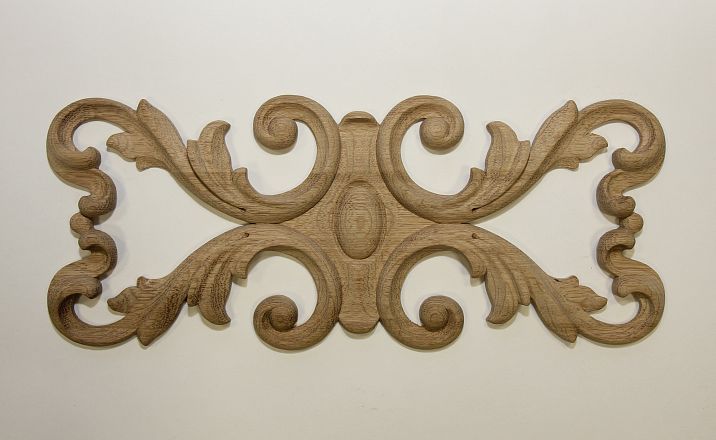
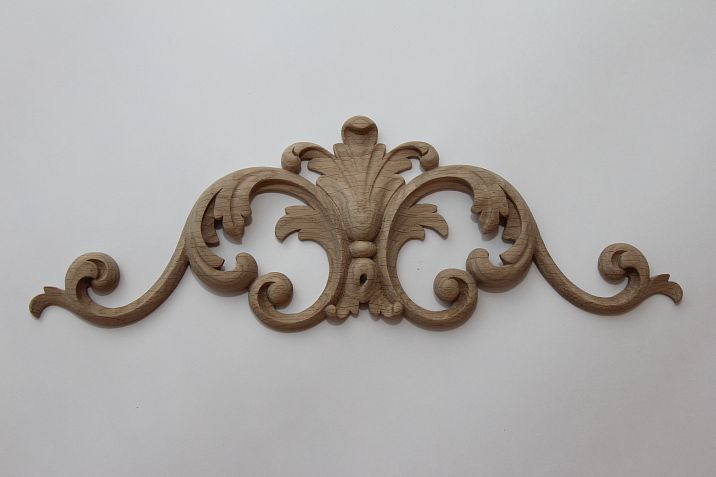
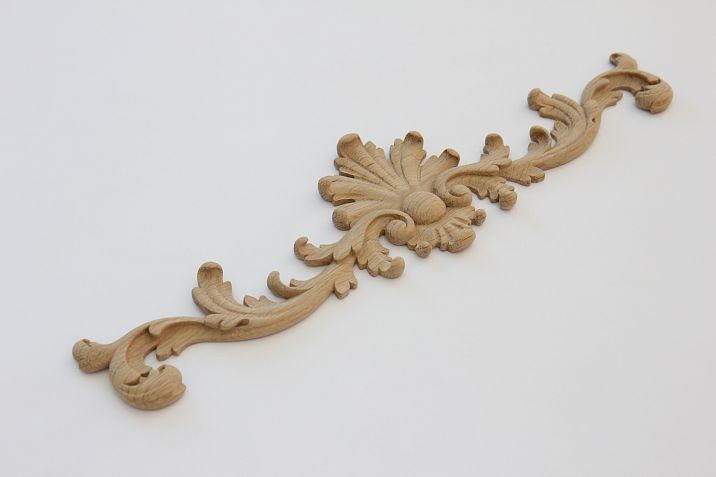
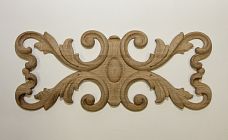
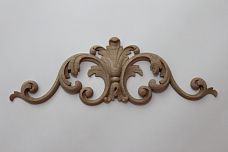
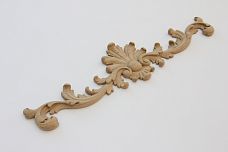


History of Fine Wood Carving
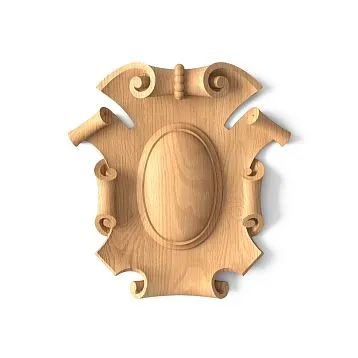
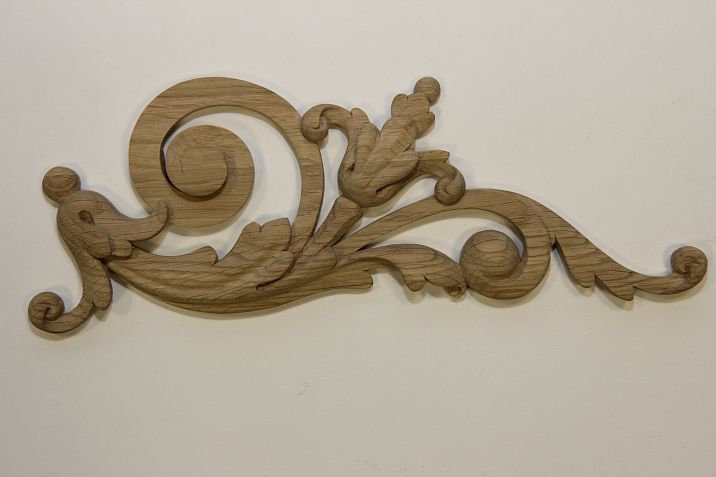
Fine Wood Carving — is one of the oldest crafts, tracing its roots back to the era when humans first began working with wood. In ancient times, wood carving served not only a decorative function but also played an important role in ritual life. Ornamental elements adorned homes, religious buildings, and everyday objects.
Have you ever wondered why wood became the foundation for this art? Wood is easy to work with, yet remains strong and durable. In various cultures, artisans created wooden items that became symbols of wealth, status, and spirituality.
Carving art reached its peak in the era of wooden architecture in Russia. Then, masters adorned houses with cornices, moldings, and columns, turning every building into a work of art. Especially notable wasartistic carving, created for churches and palaces.




Artistic Carving: Skill and Precision
artistic carving — this is the highest level of craftsmanship, requiring not only skills but also artistic taste. It is characterized by:
● Detailing. Each element is worked on with jewel-like precision.
● Harmony. The pattern does not merely decorate, but also emphasizes the object's form.
● Expressiveness. Even small fragments attract attention due to the master's delicate work.
Interestingly, in the pastartistic carving adorned antique furniture, making each item unique. Such furniture was considered a sign of wealth and refined taste.
Have you ever wondered how much time a master needs to create a single carved element? Sometimes, creating a complex pattern takes weeks, but the result justifies the effort.
Our factory also produces:


Where is fine carving used?
Today, fine carving remains in demand and is used in various fields:
- Furniture. Carved cabinets, chests, bedheads, and chairs add elegance to interiors.
- Interior decoration. Cornices, moldings, panels, and appliqués decorate walls and ceilings, creating accent zones.
- Architectural elements. Facades of houses and staircases adorned with carving acquire an elegant and individual appearance.
- Souvenirs and accessories. Carved boxes, frames, and figurines often become family heirlooms.
Tip: Add to your home an itemadorned with artistic carving, to highlight its individuality.
Get Consultation
Modern trends in fine carving
Today, woodworkers use both traditional and modern approaches. Among the trends:
● Combination of materials. Wood with metal or glass inlays makes items more modern.
● Ecological approach. Using natural wood without additional coatings highlights the material's natural beauty.
● Minimalism. Simple forms and patterns are popular in modern interiors.
● Custom design. More and more people want unique items made to order.
Have you ever thought about how carving can be modern while preserving its traditional roots? This art unites the past and the present, creating harmony.
How to care for items with fine carving?
To ensure items with fine carving retain their beauty, proper care is required:
- Dust removal. Use a soft brush or dry cloth to avoid damaging details.
- Treatment. Seal wood with protective agents to preserve it from moisture and sunlight.
- Restoration. If cracks or damage appear, consult professionals for restoration.
Tip: For caring for carved elements, use only natural and gentle products to avoid damaging the wood texture.
Fine Wood Carving — is an art that combines ancient traditions with modern craftsmanship. It adorns homes, makes furniture unique, and highlights the individuality of interiors. Want to add an element to your home that will delight the eye and inspire admiration? Browse the collection on our website Stavros and choose what will become your inspiration.
Fine wood carving: high craftsmanship and artistic expressiveness
What is fine wood carving?
Fine wood carving — is not merely decorative craftsmanship, but a true art requiring deep knowledge, patience, and virtuosity. This type of carving is characterized by high detail, complex patterns, and harmonious combinations of elements. Works by masters of fine wood carving are valued for their uniqueness and artistic expressiveness.
What features make fine wood carving so appealing?
● Individuality. Each piece is unique, as it is handmade.
● Durability. Carefully treated wood retains its qualities for decades.
● Aesthetics. Fine wood carving transforms ordinary items into works of art.
Question: Why is fine wood carving still popular even in the modern world of technology? Answer: It combines tradition, nature, and human talent.
Where is fine wood carving used?
artistic carving It is applied in various fields. Let’s consider the main ones:
- Furniture.
○ Fine wood carving adorned antique furniture, turning it into a symbol of wealth and status. Today, carving is used to decorate cabinets, chests, tables, and headboards.
○ For example, a cabinet with carved doors or a table with carved legs will become central elements in the interior.
- Interior decoration.
○ Cornices, moldings, panels, and appliqués adorned with delicate carving add elegance to the space.
○ Carved rosettes or columns can become accents in classic or modern interiors.
- Architecture.
○ On building facades, fine wood carving is used to decorate window sills, cornices, and balconies.
○ Especially popular are carved balustrades and stair railings, which add elegance to the structure.
- Decorative items.
○ Carved boxes, mirror frames, or photo frames often become family heirlooms.
○ These elements also make excellent gifts.
Fine wood carving and antique furniture
Antique furniture was adorned with fine wood carvingto emphasize its status and uniqueness. Such items were often handmade and passed down from generation to generation.
Which elements are most often decorated with carving?
● Headboards and sofa backs.
● Cabinet and buffet facades.
● Chair handles, legs, and armrests.
Today, carved antique furniture continues to inspire designers. Modern craftsmen create new pieces based on traditional motifs and techniques.
How are intricately carved items made?
The process of creating intricately carved items is complex and multifaceted. Here are the main stages:
- Material selection. Craftsmen use hardwoods such as oak, beech, or walnut to ensure the item is durable and long-lasting.
- Sketch. Before beginning work, a drawing is created to serve as the basis for carving.
- Carving. Using specialized tools, the craftsman cuts patterns, giving the item depth and texture.
- Finishing. The finished item is sanded, varnished, or oiled to protect the wood and highlight its natural beauty.
Have you ever seen how a simple piece of wood transforms into exquisite decor? This process is captivating in its magic.
Modern trends in intricate carving
Today, intricate carving adapts to the requirements of modern design. Here are several popular directions:
● Minimalism. Simple patterns and geometric motifs suit modern interiors.
● Eco-style. Use of unprocessed wood with natural lines and texture.
● Contrasts. Combination of carving with metal or glass to create modern accents.
● Personalization. More and more people order unique items reflecting their taste and style.
Tip: choose an item,decorated with intricate carving, to highlight the individuality of your space.
Care for items with intricate carving
To ensure items retain their beauty for many years, follow a few simple rules:
- Regularly remove dust using a soft brush.
- Use protective coatings to prevent exposure to moisture and sunlight.
- Refresh the lacquer or paint coating as needed.
Fine wood carving — it is an art that combines tradition, craftsmanship, and the natural beauty of wood. It adorns furniture, interiors, and architectural elements, adding elegance and expressiveness. Want to be inspired? VisitStavros, to find items that will decorate your home and highlight your individuality.
Decorated with intricate carving: elegance and refinement
Carved elements as part of design
Decorated with intricate carving Furniture and interior elements are the quintessence of style and refinement. They are not only able to decorate a space, but can also become its central accent. In modern design, carved details are often used to give furniture, architectural elements, or decorative items uniqueness and individuality.
Which items are most often adorned with intricate carving?
● Furniture. Tables, chairs, cabinets, and chests with carved fronts and legs.
● Architectural details. Cornices, balusters, door and window casings, and pediments.
● Decor. Boxes, mirror frames, and photo frames.
Have you ever thought about how an element with intricate carving can transform a space? These are details that make any item special.
Vintage furniture: inspiration for modern craftsmen
Historicallyartistic carving adorned antique furniturewhich emphasized the owner's status and taste. Each element was handmade, and the patterns were complex and expressive.
Examples of carved decorations on vintage furniture:
● Chair handles and legs. Often crafted in the form of whimsical scrolls or animals.
● Cabinet fronts. Adorned with complex floral or geometric ornaments.
● Headboards. With elegant carving, giving the bedroom a luxurious look.
Today, artisans are inspired by these traditions, creating modern items adorned with delicate carving that perfectly suit classical and eclectic interiors.
Advantages of carved decorations
Why choose itemsDecorated with intricate carving? They have several obvious advantages:
- Aesthetics. Carved elements add depth and texture, turning ordinary items into works of art.
- Uniqueness. Each detail is handmade, making it one-of-a-kind.
- Durability. When properly processed, wood retains its shape and beauty for many years.
- Harmony. Carving adds harmony to the interior, emphasizing its style.
Tip: Add at least one carved element to your home to create a sense of refinement and individuality.
Modern interiors with carved elements
Today, carved decorations find their place not only in classical, but also in modern interiors. Here are several ideas on how to use elements with intricate carving:
● Classic style. Carved cabinets, tables, and chairs emphasize the elegance of the interior.
● Scandinavian style. Minimalist carving adds warmth and texture to simple forms.
● Eclecticism. Combining modern forms with traditional carving creates an original accent.
● Minimalism. Even one carved element, such as a mirror in a carved frame, can become a striking accent in a minimalist space.
Have you ever thought about how to integrate carving elements into your interior? Start with small details, such as decorative frames or wall panels.
Care for items adorned with carving
To keep items attractive, it is important to follow simple care rules:
- Remove dust. Use a soft brush or cloth to clean carved elements.
- Protect from moisture. Apply a protective coating to prevent moisture exposure.
- Restoration. When necessary, renew varnish or oil to highlight the wood texture.
Decorated with intricate carving Interior items are a combination of aesthetics, craftsmanship, and tradition. They add uniqueness to a space, emphasize style, and create a cozy atmosphere. Want to transform your home? Browse the collection of carved items on the websiteStavros and find elements that highlight your individuality and taste!
Artistic wood carving: a refined detail for a stylish space
Why is artistic wood carving still relevant?
Fine wood carving It is a tradition proven over time, maintaining its appeal and significance even in the modern world. It is not only decoration but also an expression of craftsmanship, indicating deep respect for natural materials.
What is the secret to its popularity?
- Versatility. It is used in both classic and modern interiors.
- Aesthetics. Detailed carving creates a sense of refinement and style.
- Individuality. Each item is unique, as it is handmade, and the design can be adapted to your preferences.
Have you ever wondered why it is so pleasant to see natural wood adorned with carving? It is because it combines nature, art, and coziness.
Where is artistic wood carving applied?
Artisans used artistic carving in various fields, and it remains relevant to this day. Here are a few examples:
- Furniture. Carved chests, cabinets, beds, and chairs add elegance to interiors.
- Building facades. Carved cornices, window casings, and balconies make the facade expressive and memorable.
- Interior decor. Panels, moldings, and carved appliqués highlight the room's style.
- Architectural elements. Carved balustrades, newel posts, and columns create an elegant accent.
- Souvenirs and accessories. Carved frames, boxes, and figurines often become unique home decorations.
Tip: start with a small element,adorned with artistic carving, to understand how it will fit into your interior.
Artistic carving as a symbol of status
For centuries, items with artistic carving have been considered symbols of wealth and status. This was especially noticeable in furniture, where each detail emphasized the owner's prestige.
Which elements are most often adorned with carving?
● Headboards — symbols of elegance and coziness.
● Chair and table handles and legs — small but expressive accents.
● Cabinet and buffet facades — central elements in the room.
Today, artisans are inspired by these traditions, creating both replicas of antique furniture and modern interpretations using carving.
How to choose an item with intricate carving?
Choosing an item with carving depends on the style of your interior and your personal preferences:
- Define your purpose. Do you want to create a focal point in the room or emphasize the overall interior style?
- Choose the material. Oak, beech, walnut, or ash are ideal for durable items.
- Pay attention to patterns. Classic motifs suit traditional styles, while minimalist lines work well in modern spaces.
- Color and finish. Natural wood adds warmth, but bright or contrasting colors can become a striking accent.
VisitStavros, to choose the perfect carved elements that match your taste and needs.
Care for items with intricate carving
Items with carving require care to maintain their beauty:
- Regularly wipe the surface with a soft cloth to remove dust.
- Apply protective coatings such as varnish or oil to prevent damage from moisture and UV rays.
- In case of cracks or other damage, consult professionals for restoration.
Fine wood carving — it is an art that unites centuries-old traditions, natural beauty, and human craftsmanship. It adorns homes, makes furniture unique, and adds elegance to your interior. Want to be inspired? Browse the items on the siteStavros and create a home that is not only beautiful but also special.
Conclusion: Intricate wood carving — an art that connects eras
Fine wood carving — it is more than just decorative craftsmanship. It is an expression of skill that spans centuries, remaining relevant and captivating with its elegance. It allows you to see in wood not only a natural material, but also endless inspiration for creativity.
Today, wood carving retains its significance, adorning homes, interiors, and furniture. It creates an atmosphere of coziness, highlights individuality, and gives space a unique style. Items,Decorated with intricate carving, become not only interior accents but also reflections of the taste and status of their owners.
Looking for a way to add warmth and elegance to your home? Browse the collection of carved items on the siteStavros and find elements that will inspire you to create the interior of your dreams. Let intricate wood carving become the accent that makes your home truly special.