Article Contents:
- 1. Historical overview and cultural significance
- 1.1. Early history of stick usage
- 1.2. Antiquity and Middle Ages
- 1.3. Modern times and contemporary era
- 2.1. Pine and Spruce
- 2.2. Birch
- 2.3. Ash
- 2.4. Oak
- 2.5. Exotic species
- 3.1. Construction and repair
- 3.2. Gardening and vegetable patch
- 3.3. Decoration and interior
- 3.4. Creativity and hobbies
- 3.5. Sports and martial arts
- 4.1. Defining the purpose
- 4.2. Wood quality
- 4.3. Surface treatment
- 5.1. Protection from moisture and temperature fluctuations
- 5.2. Regular cleaning
- 5.3. Repair and restoration
- 6.1. Decorative installations in interior
- 6.2. Garden structures
- 6.3. Handicrafts and craftsmanship
- 6.4. Training and wellness practices
- 7.1. Metal sticks
- 7.2. Plastic and composite variants
- 7.3. Bamboo
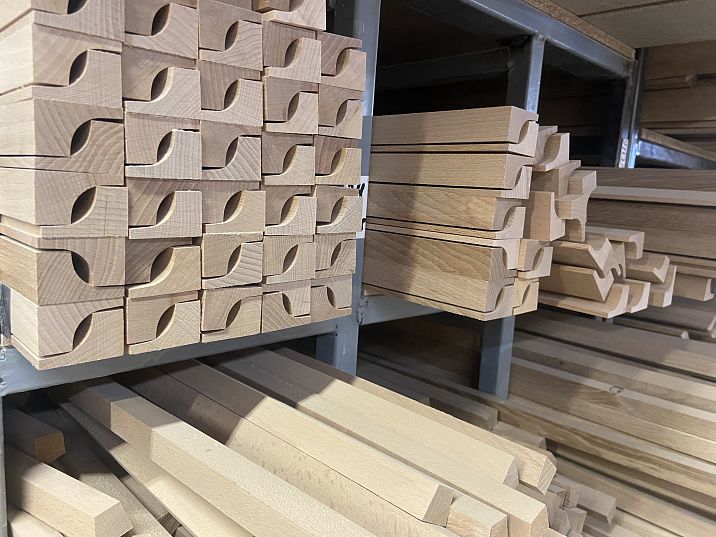
In the modern world, where high technologies and synthetic materials surround us, natural wood continues to maintain its popularity and relevance. Even something as seemingly simple asthin wooden stickcan become an indispensable element in daily life, decoration, craftsmanship, and even in the art world. In this article, we will examine the history of the emergence of thin wooden sticks, their areas of application, features of selection and care, as well as share ideas that will help you find a new, original use for this simple yet multifunctional item.


1. Historical Overview and Cultural Significance




1.1. Early Use of Sticks
Since ancient times, wood has been one of the first materials that humans learned to work with. Archaeologists find evidence that early humans used tree branches as weapons, tools, and implements for hunting and gathering. Over time, as woodworking skills developed, people began deliberately selecting the most suitable branches, stripping bark, giving them a smoother shape, and removing knots, producing slender wooden sticks suitable for various purposes.
Our factory also produces:



1.2. Antiquity and the Middle Ages
In ancient civilizations (Egypt, Greece, Rome), wooden sticks, including slender ones, were used in craftsmanship, warfare, and medicine. There are known references to sticks used as spear tips, supports, and even measuring tools. In the Middle Ages, slender wooden sticks could serve as components for weapons (bows, crossbows), musical instruments, and household items.
In some cultures, long and slender wooden sticks acquired symbolic significance: they could represent knowledge, wisdom, and sometimes even religious power. For example, in the hands of a philosopher or magician, a stick often symbolized a connection with nature, spiritual forces, and also served as a sign of authority.
Get Consultation
1.3. Modern Times and Contemporary Era
With the development of industry and the emergence of synthetic materials, wood has not lost its value. Today, slender wooden sticks are still actively used in various fields — from construction to hobbies and interior design. Craftsmen, designers, and artists increasingly return to natural wood to emphasize its eco-friendliness, beauty of texture, and versatility of application.
2. Variety of Wood Species and Their Characteristics
Slender wooden sticks can be made from various types of wood. The choice of a specific species depends on the tasks intended to be accomplished with the stick, as well as on preferences regarding color, texture, and strength.
● Characteristics: Inexpensive material, easy to process, with a pleasant light shade.
● Accessibility and ease: These species are among the most common and affordable.
● Soft structure: A thin wooden stick made of pine or spruce is easy to process, simplifying carving and sanding.
● Limited strength: For complex loads, such sticks are not always suitable. They are more often used for decorative purposes, as battens, small frames, and light structures.
2.2. Oak
● Moderate hardness: Oak has sufficient strength for many household and decorative tasks.
● Pleasant texture: The color of oak is light beige, often with barely noticeable wavy patterns.
● Easy processing: Oak sands and polishes well, allowing for thin and neat sticks to be made.
2.3. Ash
● High elasticity: Ash is known for its elasticity, making sticks from it resistant to bending and impacts.
● Expressive texture: Ash has clearly defined annual rings and distinctive patterns.
● Application: Ash is often used to make sports equipment (including thin training sticks), as well as decorative elements for interiors.
2.4. Oak
● Maximum strength: An oak stick can withstand significant loads while maintaining its shape.
● Moisture resistance: Due to its dense wood structure, oak does not deteriorate quickly from moisture, although prolonged exposure to water may cause darkening or deformation.
● Prestigious appearance: Oak has a beautiful dark tone and noble texture, often used in interior design and accessories.
2.5. Exotic Species
● Unique appearance: Wenge, padauk, teak, and other exotic species have unique patterns and vibrant shades.
● High price: The cost of such sticks may be significantly higher than that of local species.
● Application: Exotic species are typically chosen for design projects, exclusive decorative items, and items requiring special aesthetics.
3. Applications of thin wooden sticks
3.1. Construction and Repair
● Battens and guides: Thin wooden sticks are often used as battens when installing wall cladding, creating light frames, and leveling surfaces.
● Templates and measuring tools: During repairs, thin sticks may be needed for marking, checking flatness, or creating temporary supports.
3.2. Gardening and vegetable patch
● Plant supports: Thin wooden sticks are ideal for supporting tomatoes, peppers, peas, and other crops. They allow plants to grow vertically without breaking under the weight of fruit.
● Bed marking: When planning a plot, sticks help mark rows, corners, and boundaries of planting areas.
● Mini-fences: A few sticks can be used to construct a light fence around flower beds or vegetable rows.
3.3. Decoration and interior design
- Wall compositions: Thin sticks can be mounted on walls as patterns, abstract panels, or geometric shapes, creating an original accent in the interior.
- Curtain rods and hangers: For light curtains or small clothing items, thin wooden sticks become convenient and stylish curtain rods or hangers.
- Candlesticks and stands: Through carving or burning, sticks can be transformed into decorative items serving as bases for candles, vases, or books.
3.4. Creativity and hobbies
● Handicraft: Masters engaged in carving, painting, decoupage often use thin sticks as a base to create boxes, miniature structures, doll furniture, and much more.
● Musical Instruments: In some folk crafts, thin sticks are used to make flutes, recorders, percussion instruments, and their components.
● Model Projects: Creators of architectural models, airplane models, and boat models widely use thin wooden sticks to make frames, strips, and structural details.
3.5. Sports and Martial Arts
● Training Sticks: In Eastern martial arts (e.g., kung fu, arnis) and European fencing schools (baton, short stick), thin wooden sticks are used to practice strikes, blocks, and coordination of movements.
● Gymnastics and Fitness: Small-diameter sticks help with stretching exercises, strengthening the back and arm muscles, and forming proper posture.
4. How to Choose the Right Thin Wooden Stick
4.1. Defining the Purpose
Before buying or making a thin stick, it is important to clearly understand its purpose. For gardening tasks, a cheap and simple pine or spruce option is sufficient. For decorative or design purposes, consider beech, oak, or even exotic species. If physical stress is planned, pay attention to hardwoods (oak, beech).
Pay attention to the following points:
When inspecting, pay attention to:
- No Cracks: Even small cracks may expand over time, especially with humidity fluctuations.
- Minimum Knots: Knots weaken the wood structure and can become breakage points.
- Straightness: Place the stick on a flat surface or roll it to check for significant warping.
- Moisture Content: Too wet wood may deform over time, so it is preferable to choose well-dried stock.
4.3. Surface treatment
● Sanding: A smooth surface without splinters or roughness is especially important if the stick will contact hands or clothing.
● Finish: Lacquer, oil, or wax protect wood from moisture, mold, and mechanical damage. If you plan to decorate the stick yourself, you can choose an unfinished version and apply the final finish later.
5. Care and Storage of Thin Wooden Sticks
5.1. Protection from Moisture and Temperature Fluctuations
Wood is a material sensitive to fluctuations in humidity and temperature. To prevent cracking and deformation:
● Do not store it near batteries or heaters: Excessive dryness may cause cracking.
● Avoid Moisture: In high humidity, wood may swell and deform. If the stick is used outdoors, treat it with protective compounds (impregnations, oils).
5.2. Regular Cleaning
Wipe dust and dirt with a dry or slightly damp cloth. If stains appear on the surface, gently sand them with fine-grit sandpaper and, if necessary, reapply a layer of lacquer or oil.
5.3. Repair and Restoration
If the stick has chips or small cracks, they can be filled with specialized wood putty. After drying, sand the surface and, if necessary, apply a protective finish. Timely repair will extend the item’s lifespan and preserve its appearance.
6. Creative Ideas and Examples of Use
6.1. Decorative Installations in Interior
● Vertical Compositions: Several thin sticks mounted vertically on a wall create a sense of dynamism and visually raise the ceiling.
● Lighting: Attaching LED strips or small lamps to sticks creates an original lighting effect that highlights the wood’s texture.
● Branch Composition: Using sticks of different lengths and thicknesses, you can recreate an imitation of a forest or bamboo grove in the living room or hall.
6.2. Garden Structures
● Mini Greenhouse: Thin wooden sticks can easily form a frame for a small greenhouse or cover structure.
● Flower Supports: Create a decorative base for climbing plants by securing poles in the shape of a cone or pyramid.
● Pot Stands: Poles can serve as legs or supports for multi-tiered shelves for flower pots.
6.3. Handicrafts and Crafts
● Weaving: Some artisans use thin slats to weave baskets, boxes, and other items.
● Miniature Models: Architects, engineers, and modelers use poles to create frameworks for houses, bridges, and vehicles in miniature.
● Toys: Children's swords, bows, animal figurines — all of this can be carved or assembled from thin wooden poles.
6.4. Training and Wellness Practices
● Poles for Nordic Walking: Although metal or carbon fiber poles are more common, wooden alternatives also exist. They provide a natural grip and pleasant tactile sensations.
● Stretching and Gymnastics: A thin pole helps maintain proper body posture during flexibility exercises, strengthening the back and shoulder muscles.
● Massage Techniques: Some self-massage techniques involve using a thin wooden pole to work on muscles and relax after physical exertion.
7. Comparison with Alternative Materials
7.1. Metal Poles
● Pros: Strength, durability, resistance to moisture.
● Cons: Feel colder and heavier to the touch, require specialized tools for processing.
7.2. Plastic and Composite Variants
● Pros: Lightweight, variety of shapes and colors, low cost (depending on plastic type).
● Cons: Less aesthetic value, sometimes insufficient strength, difficult disposal from an ecological standpoint.
7.3. Bamboo
● Pros: Fast plant growth, lightweight, high strength under certain types of load.
● Cons: Hollow structure (not always suitable for compression or puncture loads), exotic appearance may not match classic interiors.
8. Environmental Aspect
Wood is a renewable resource, provided responsible forestry practices are followed. Many companies involved in timber harvesting and processing hold certifications (FSC, PEFC) confirming that forest areas are regenerated, logging is conducted legally, and ecological considerations are taken into account. Choosinga thin wooden pole, you contribute to supporting sustainable development while obtaining high-quality natural material. Unlike plastic or composites, wood is easily recyclable and does not create long-term waste that pollutes the environment.
9. Practical Recommendations and Tips
- Start simple. If you're new to woodworking, choose softer woods (pine, spruce) to practice sanding and carving.
- Use appropriate tools. For thin poles, use fine-grit sandpaper, small chisels and gouges, and a hand hacksaw.
- Check for straightness and quality before purchasing. Buy poles from reputable sources where you can inspect the product, verify the absence of defects, and assess the wood species.
- Plan storage. Store poles in a dry, well-ventilated area. If planning to use them outdoors, take care to apply water- and insect-repellent treatments.
- Follow safety procedures. When carving, cutting, or sanding, wear safety goggles and gloves to avoid injuries and skin irritation.
10. Conclusion
A thin wooden pole is an incredibly versatile item, finding applications in various fields: from construction and gardening to creativity and sports. Its simplicity is deceptive, as behind its modest appearance lies a whole world of possibilities. Wood remains a popular material due to its eco-friendliness, natural beauty, and pleasant tactile qualities.
When properly selecting the species, caring for it appropriately, and using it carefully, a slender wooden stick can serve for many years, retaining its properties and attractiveness. It can become a reliable helper in household tasks, an elegant decorative element, or a basis for realizing creative ideas. Ultimately, it all depends on your imagination and desire to experiment.
Thus, by turning to natural materials and traditional woodworking methods, we not only preserve our connection to cultural heritage but also take a step toward a more harmonious and meaningful way of life. A slender wooden stick is a wonderful example of how a simple and accessible item can bring comfort, beauty, and functionality into our everyday reality.