Article Contents:
- Genesis of the Furniture Industry
- Raw Material Base of Modern Furniture Production
- Wood Materials: Classic and Innovations
- Metal in modern furniture
- New-generation polymer materials
- Furniture Production Technology Cycle
- Design and construction
- Material preparation
- Mechanical Processing of Parts
- Specialized Technologies in Furniture Production
- Wood Bending
- Joining Parts
- Finishing Operations
- Innovative Technologies in Furniture Production
- Digital production
- Automation and Robotics
- Ecological technologies
- How Furniture is Made: From Idea to Finished Product
- Planning and Design Stage
- Production technology preparation
- Quality control at all stages
- Specialized Equipment in Furniture Production
- Woodworking Machines
- Assembly Equipment
- Finishing Equipment
- Trends in the furniture industry
- Personalization and customization
- Smart Furniture
- Ecological responsibility
- The Future of Furniture Production
- Industry 4.0
- Biotechnologies in Furniture Production
- Space Technologies
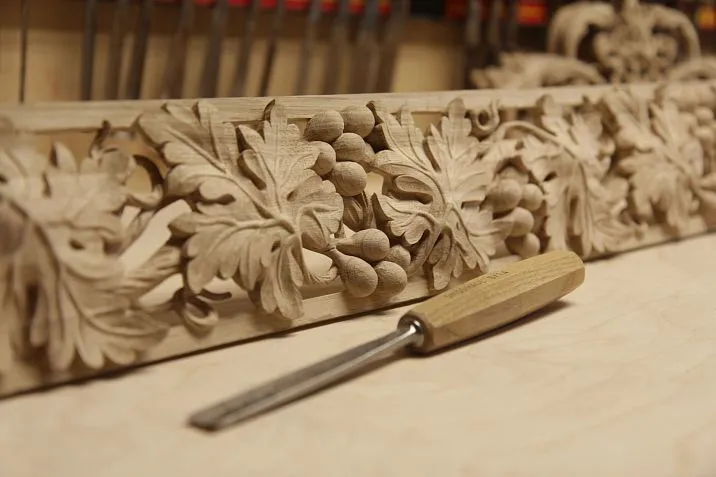
In the modern world of mass production, the question of how professional furniture is made attracts special interest. This complex technological process combines centuries-old carpentry traditions with cutting-edge industrial design innovations. From selecting raw materials to final packaging of the finished product, each stage requires deep knowledge of materials science, engineering solutions, and artistic taste.
Furniture production represents a remarkable symbiosis of science and art, where mathematical precision of calculations combines with intuitive understanding of aesthetics. Modern technologies allow creating items of unprecedented complexity and beauty, while preserving the soul and warmth of handmade labor.


Genesis of the Furniture Industry
The history of furniture production traces back to ancient times, when the first master carpenters created functional items from available materials. As civilization developed, tools improved, new woodworking techniques emerged, and regional schools of craftsmanship formed.
The Industrial Revolution fundamentally changed approaches to furniture manufacturing. The introduction of machines with mechanical drive enabled mass production of standardized parts, significantly reducing the cost of finished products. However, mechanization did not completely replace manual labor — on the contrary, it freed craftsmen from routine operations, allowing them to focus on creative aspects of their work.
Modern furniture production represents a high-tech complex that combines traditional carpentry methods with innovative materials and equipment. Computer-aided design, robotic lines, and precise measurement systems — all serve one purpose: creating quality, beautiful, and functional furniture.




Raw Material Base of Modern Furniture Production
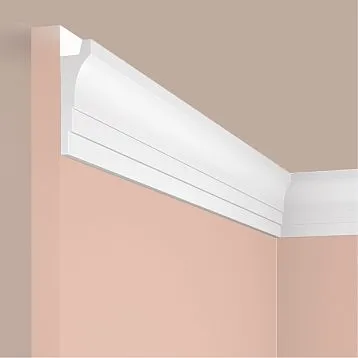
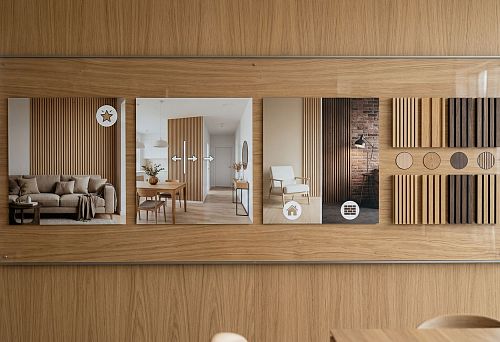
Our factory also produces:


Wood Materials: Classic and Innovations
Solid wood remains the benchmark of quality in the furniture industry. Each species possesses unique characteristics: oak is renowned for its strength and beautiful grain, beech for dimensional stability and ease of processing, pine for affordability and pleasant aroma. When manufacturing furniture from solid wood Special attention is paid to selecting boards by color and texture, proper orientation of fibers, and drying quality.
Composite materials have revolutionized the furniture industry. Particle board (PB) ensures dimensional stability and cost-effective production. Medium-density fiberboard (MDF) allows for complex milled profiles and offers excellent decorative capabilities. Plywood combines the strength of solid wood with the workability of sheet materials.
Innovative solutions include using bamboo as a fast-renewable resource, recycled wood for eco-friendly production, and composites based on agricultural waste. Nanotechnologies enable the creation of materials with specified properties: enhanced moisture resistance, fire resistance, and antibacterial characteristics.
Get Consultation
Metal in modern furniture
Steel structures ensure the reliability and longevity of frame components. Cold-rolled steel with a thickness of 1.2–2.0 mm is used to manufacture tabletops, chairs, and shelving systems. Stainless steel is used in kitchen and medical furniture due to its corrosion resistance and hygiene.
Aluminum profiles are popular in office furniture and furniture systems. Their lightness, corrosion resistance, and ability to create complex profiles via extrusion make aluminum ideal for modern design.
Decorative metals — brass, bronze, copper — are used to create exclusive items and accent elements. Modern processing technologies allow for various textures and finishes, from polished sheen to aged patina.
New-generation polymer materials
Structural plastics are finding increasingly wider application in furniture production. Polypropylene, high-density polyethylene, and ABS plastic offer high strength, chemical resistance, and recyclability.
Composite polymers with additions of fiberglass, carbon fiber, and mineral fillers exceed the strength of many traditional materials while being significantly lighter.
Biodegradable plastics from renewable resources open new possibilities for eco-friendly furniture production. Polylactic acid (PLA), polyhydroxyalkanoates (PHA), and starch-based plastics are gradually finding application in the furniture industry.
Furniture production technological cycle
Design and construction
Conceptual design begins with analyzing user needs, studying design trends, and researching the market. Designers create initial sketches, define overall style, select materials, and choose color schemes.
Technical design translates artistic concepts into construction documentation. Modern CAD systems allow creating 3D models of products, calculating loads, optimizing structures, and generating drawings of parts.
Prototyping includes manufacturing test samples to verify structural solutions, ergonomics, and manufacturability. 3D printing allows quickly creating prototypes of complex parts for evaluating design and functionality.
Material Preparation
Wood drying is a critically important process determining the quality of finished products. Chamber drying under controlled conditions ensures uniform moisture reduction to 8–12%. Improper drying leads to warping, cracking, and dimensional instability of parts.
Calibration and planing ensure the accuracy of geometric dimensions of blanks. Four-sided planers allow obtaining parts with accuracy to ±0.1 mm, which is critically important for quality assembly.
Sheet material cutting is performed on CNC format-cutting machines. Optimization of cutting allows minimizing waste, which may account for 15–25% of material volume. Quality cutting ensures clean ends without chipping.
Mechanical processing of parts
Milling is the primary method for creating complex profiles, grooves, and holes. Modern CNC machining centers can perform multi-axis processing of parts with complex shapes with accuracy to hundredths of a millimeter.
Drilling technological holes for fasteners requires special precision. Special drill presses ensure hole placement with an error of no more than ±0.05 mm, which is critically important for proper operation of hinges and guides.
Edge profiling gives details a finished look and protects against damage. Edge banding machines apply PVC, ABS, melamine, or natural veneer edge with simultaneous trimming, routing, and polishing.
Specialized technologies in furniture production
Wood bending
Steam bending allows creating curved parts from solid wood. Blank pieces are subjected to saturated steam at 100–120°C, which plasticizes lignin and allows bending wood without damaging fibers.
Laminated blank bending uses the principle of layer-by-layer bonding of thin lamellas on a curved mandrel. This technology allows creating parts of complex shapes with high bending strength.
Plywood pressing bending is performed in special presses with curved plates. Hot pressing allows creating parts of practically any shape while maintaining high strength characteristics.
Joining parts
Traditional joinery — mortise and tenon, dovetail, and peg joints — ensures maximum strength and durability. Modern machines allow manufacturing such joints with high precision and productivity.
Adhesive joints using modern polymer adhesives provide strength exceeding that of wood itself. PVA adhesives for interior use, polyurethane adhesives for moisture-resistant structures, and epoxy compounds for particularly critical joints.
Mechanical fasteners include a wide range of specialized furniture hardware. Confirmers, minifixes, eccentric clamps, dowels — each type of fastener is designed for specific load conditions and aesthetic requirements.
Finishing operations
Sanding is a multi-stage process to achieve a smooth surface. Wide-belt sanders ensure uniform processing of large surfaces. Calibration sanders allow precise thickness control of parts.
Coating application includes priming, painting, and varnishing. Modern automated lines ensure uniform coating and high productivity. Robotic spray systems allow processing of parts with complex shapes.
Polishing and buffing impart a mirror-like gloss to the surface. Multi-stage polishing with abrasive pastes of varying grits allows achieving exhibition-quality finishes.
Innovative technologies in furniture manufacturing
Digital production
CAD/CAM systems integrate design with production, automatically generating control programs for CNC machines. This ensures manufacturing accuracy and minimizes human error.
3D printing is used in producing prototypes, decorative elements, and small-batch parts with complex shapes. Technologies FDM, SLA, SLS allow working with various materials from plastics to metals.
Laser processing ensures the highest precision in cutting and engraving. Laser machines allow creating complex decorative elements and cutting sheet materials without mechanical contact.
Automation and robotics
Robotic lines perform assembly, painting, and packaging operations with high speed and consistent quality. Industrial robots with vision systems can handle parts of various shapes and sizes.
Automated warehouses with computer control optimize logistics processes, ensure accurate order fulfillment, and minimize material losses.
Quality control systems using artificial intelligence automatically detect product defects, sort parts by quality class, and optimize technological parameters.
Ecological Technologies
Zero-waste production implies maximum use of raw materials. Sawdust and shavings are processed into fuel pellets, and small waste is used to produce composite materials.
Closed water circulation systems minimize water consumption and prevent environmental pollution. Filtration systems allow multiple uses of technical water.
Use of renewable energy sources — solar panels, wind generators, biomass boilers — reduces the carbon footprint of production.
How furniture is made: from idea to finished product
Planning and design stage
Creating any furniture item begins with a deep analysis of the end-user's needs. Designers study anthropometric data, analyze ergonomic requirements, and research trends in interior design. At this stage, a technical specification is formed, functional requirements are defined, materials and production technologies are selected.
Conceptual design includes creating multiple design variants, analyzing, and selecting the most promising solutions. Modern graphic editors allow quickly visualizing ideas, experimenting with shapes, colors, and proportions.
Technical design translates artistic concepts into precise engineering drawings. Each component is calculated considering loads, deformations, and manufacturing capabilities. Modern CAD systems allow conducting engineering analysis of structures, optimizing material usage, and calculating production costs.
Production Technology Preparation
Development of technological processes determines the sequence of operations, selection of equipment, calculation of time and material norms. Technologists analyze the product's structure, select optimal processing methods, and design special fixtures.
Preparing control programs for CNC machines automates the manufacturing process of parts. CAM systems automatically generate tool paths, optimize cutting modes, and calculate processing times.
Logistical planning ensures timely material delivery, optimal equipment loading, and adherence to manufacturing deadlines. ERP systems integrate all aspects of production planning.
Quality control at all stages
Incoming material inspection includes checking geometric dimensions, wood moisture content, surface quality, and compliance with certificates. Any deviations from technical requirements may critically affect the quality of finished products.
Operational control is performed at every stage of production. Accuracy of part dimensions, quality of mechanical processing, and correctness of assembly — all parameters are recorded and analyzed.
Acceptance control of finished products includes checking functional characteristics, appearance, completeness, and packaging. Only products that have passed all control stages are sent to the finished goods warehouse.
Specialized furniture manufacturing equipment
Woodworking machines
Sheet cutting machines provide precise cutting of sheet materials. The movable carriage with stops allows obtaining parts with perfectly parallel edges. Trim saws prevent scratches on decorative surfaces.
Four-sided planers process blanks from all four sides in one pass. The automatic feed system ensures high productivity with stable processing quality.
CNC milling machines perform complex contour machining of parts. Multi-axis machining centers can produce parts of almost any complexity with minimal operator involvement.
Assembly equipment
Pneumatic presses provide uniform pressure when bonding parts. Vacuum clamping systems allow working with parts of complex shapes.
Automatic assembly lines perform operations such as hardware installation, part connection, and preliminary mechanism adjustment. Robotic systems ensure high precision and repeatability of operations.
Specialized fixtures — fixtures, templates, stops — ensure precise relative positioning of parts during assembly. Pneumatic and hydraulic clamps automate the fixation of blanks.
Finishing equipment
Spray booths with controlled atmosphere provide ideal conditions for applying coatings. Solvent recovery systems reduce the environmental impact of production.
Conveyor dryers with infrared or hot air heating accelerate the polymerization of coatings. Automatic temperature and conveyor speed regulation ensures optimal drying conditions.
Polishing machines create mirror-like surfaces on coated parts. Automatic systems for feeding polishing pastes and quality control minimize human involvement in the process.
Trends in the furniture industry
Personalization and Customization
Modern consumers increasingly demand customized solutions tailored to specific needs and preferences. Furniture configurators allow customers to independently select sizes, materials, colors, and hardware. Flexible production systems can manufacture single items with the economic efficiency of mass production.
3D visualization helps customers see the future product in a real interior, make design adjustments before production begins. Augmented reality technologies allow "trying on" furniture in real space.
Smart furniture
Integration of electronics transforms ordinary furniture into multifunctional devices. Tables with wireless charging, cabinets with automatic lighting, beds with sleep monitoring systems — all of this is already a reality of modern production.
Internet of Things (IoT) enables furniture to interact with other devices in the home, adapt to user habits, and provide information about its condition and maintenance needs.
Ecological responsibility
FSC and PEFC certified wood products guarantee that the wood originates from sustainably managed forests. Consumers increasingly value manufacturers' environmental responsibility.
Circular economy (circular economy) implies designing furniture with the possibility of disassembly and recycling at the end of its life cycle. Modular constructions allow replacing individual components without discarding the entire product.
Future of furniture production
Industry 4.0
Production digitization unifies all processes into a single information system. Internet of Things sensors collect data on equipment operation, product quality, and resource consumption. Artificial intelligence systems analyze this information to optimize production processes.
Predictive analytics forecasts equipment maintenance needs, optimizes inventory levels, and predicts product demand. This allows minimizing downtime, reducing costs, and improving customer service quality.
Biotechnology in furniture production
Growing materials using biotechnological methods opens revolutionary possibilities. Mycelium can form materials with specified properties, bacterial cellulose — create strong and lightweight composites.
Biodegradable coatings based on natural polymers replace traditional varnishes and paints. Such coatings are safe for humans and the environment, and do not create disposal problems.
Space technologies
Production in microgravity may revolutionize composite material creation. The absence of gravity allows obtaining structures impossible under Earth conditions. Although this may seem like science fiction, initial experiments are already being conducted on the International Space Station.
Understanding that, How furniture is made On modern production, it reveals a wonderful world where traditional craftsmanship combines with advanced technologies. Each product undergoes a long journey from the initial idea to the finished product, including dozens of technological operations and hundreds of control points.
The modern furniture industry stands at the threshold of revolutionary changes. Digitization, automation, new materials, and technologies fundamentally change production approaches. At the same time, core principles remain unchanged: quality, functionality, beauty, and environmental responsibility.
The future of furniture manufacturing is linked to personalization, eco-friendliness, and integration of smart technologies. Manufacturers who can adapt to these trends will gain competitive advantages and consumer loyalty.
In this rapidly developing world, companies capable of providing comprehensive solutions for furniture production play a special role. STAVROS is a reliable partner for furniture manufacturers, offering not only high-quality materials but also expert support at every stage of the production process. STAVROS’s long-standing experience and deep expertise help clients optimize technological processes, implement innovative solutions, and achieve the highest product quality. Choosing STAVROS, furniture manufacturers gain access to advanced technologies and materials necessary for creating competitive products under modern market conditions.