Article Contents:
- Anatomy of the modern furniture hardware market
- Fundamental principles of quality hardware
- Material science innovations in production
- Categories of Modern Furniture Hardware
- Hinges: engineering perfection in miniature
- Guide systems: micron-level precision in mass production
- Lift Mechanisms: Conquering Vertical Space
- Revolution in online furniture hardware trade
- Accessibility of global assortment
- Economic advantages of digital procurement
- Logistical solutions of a new level
- Specialized Solutions for Different Segments
- Kitchen furniture: highest requirements for functionality
- Office furniture: reliability and ergonomics in priority
- Children's Furniture: Safety Above All
- Quality Characteristics and Standards
- Quality control systems
- International certification
- Technological innovations and the future of the industry
- Smart hardware and the Internet of Things
- Personalization and customization
- Regional Characteristics and Adaptation
- Climate factors
- Economic Factors
- Education and Development of Competencies
- Professional training
- Technical support of the future
- Ecological aspects and sustainable development
- Circular Economy
- Biomaterials and innovations
- Conclusion
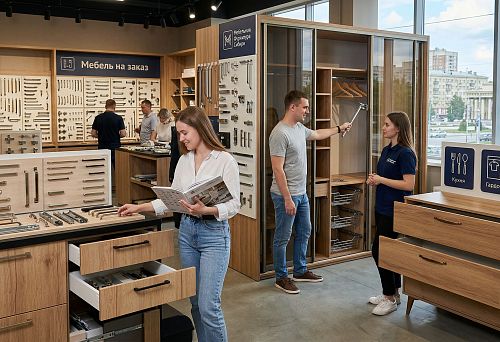
Have you ever thought about how the quality of a cabinet door's closure can affect your entire day's mood? Meanwhile, such seemingly insignificant details determine our perception of furniture and daily comfort. Today, when buy furniture hardware in an online store it has become not only convenient, but also strategically advantageous, unprecedented opportunities open up for creating high-quality furniture.
The modern era of digital technologies has fundamentally changed approaches to selecting and purchasing furniture components. There is no longer a need to visit dozens of stores searching for the right hinge or guide — the entire world of quality hardware is accessible with just a few clicks. But how to avoid getting lost in this variety? How to make the right choice among thousands of offers?


Anatomy of the modern furniture hardware market




Fundamental principles of quality hardware
Furniture hardware is not just functional elements — it is the heart of any piece of furniture. Hinges with integrated closers have evolved from technical novelties into a mandatory standard of quality. Modern models can withstand up to 200,000 opening-closing cycles while maintaining smooth and silent operation.
Full-extension guides with load capacity up to 65 kilograms demonstrate how engineering thought serves everyday comfort. Telescopic systems use precision-machined steel balls in polymer separators, guaranteeing ideal smooth operation even under maximum load.
Gas struts for lift mechanisms are selected with mathematical precision depending on the weight of the raised facade. Modern parallel lifters ensure even movement along the entire trajectory, which is especially critical for wide kitchen cabinet doors.
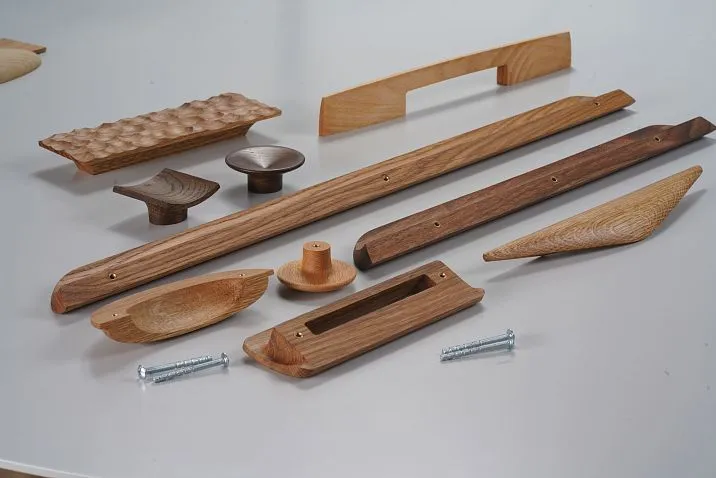
Our factory also produces:


Material science innovations in production
Revolution in materials has opened new horizons for furniture hardware. Aluminum alloys with anodized coatings provide not only exceptional corrosion resistance but also the widest color palette — from classic silver to vibrant decorative shades.
Stainless steel of various grades — from matte to mirror polish — allows creating hardware that serves not only as a functional element but also as a decorative accent. Special steel compositions with increased chromium content ensure operational reliability even in aggressive environments.
Composite materials of the new generation combine the strength of metal with the elasticity of polymers. This enables creating mechanisms that operate almost silently even under the most intensive use. Powder coating technologies guarantee uniform coverage of the most complex geometric shapes without a single defect.
Get Consultation
Categories of Modern Furniture Hardware
Hinges: engineering perfection in miniature
Modern hinges are high-tech products where every millimeter matters. Premium-grade four-hinge hinges are equipped with built-in adjustable dampers, allowing optimal closing speed to be set for facades of any weight and size.
Surface-mounted, semi-surface-mounted, and inset hinges with various opening angles — from standard 90 to wide-angle 180 degrees — enable the realization of any design concept. Specialized hinges for glass doors require exceptional manufacturing precision and use premium materials.
Royal hinges are manufactured with multiple safety margins, enabling them to withstand extreme loads in commercial furniture. Modern models undergo wear-resistance tests simulating decades of intensive use.
Guide systems: micron-level precision in mass production
Telescopic guides represent a triumph of modern engineering. Ball systems use steel balls manufactured with micron-level precision, ensuring smooth movement and minimal wear of contact surfaces.
Integrating soft-close systems directly into guide construction creates a compact solution without requiring additional mechanisms. Hydraulic dampers absorb the kinetic energy of moving drawers, providing gentle deceleration in the final centimeters of travel.
Push-to-open systems of the new generation respond to the slightest touch, creating a magical sensation when interacting with furniture. These mechanisms are especially popular in minimalist interiors, where every detail adheres to principles of minimalism.
Lift Mechanisms: Conquering Vertical Space
Gas dampers of various power are selected not only based on the weight of the door but also on operating conditions. Freely hanging systems are simple to install and ideal for light facades, while parallel lifters are necessary for heavy constructions.
Electric drives for lifting systems represent the next level of comfort. Remote control via mobile apps, programmable opening scenarios, and integration with smart home systems create new opportunities for interior automation.
Adjustment mechanisms allow precise tuning of opening force to individual needs — from children to elderly people. This is especially important in households with users of varying physical capabilities.
Revolution in online furniture hardware trade
Global product availability
Modern online platforms provide access to products from hundreds of manufacturers around the world. This creates unprecedented opportunities to compare features, study reviews, and choose the optimal solution for each specific task.
Detailed technical documentation with 3D models, drawings, and video instructions transforms the process of selecting hardware into an informed technical decision. Professional buyers receive all necessary information for correct selection and installation of components.
Smart filtering system by technical parameters — dimensions, materials, load characteristics, color solutions — saves precious time and eliminates errors during selection. Machine learning algorithms analyze buyer preferences and suggest the most suitable options.
Economic advantages of digital procurement
Direct deliveries from manufacturers eliminate intermediary markups, especially noticeable with large orders. Dynamic pricing system allows offering flexible tariffs depending on order volume, frequency of orders, and buyer status.
Wholesale discounts and special programs for loyal customers create significant savings with planned purchases. Seasonal promotions and clearance sales offer additional opportunities for advantageous purchases.
Transparent pricing and the ability to instantly compare offers from different suppliers ensure the most favorable purchasing conditions. There is no longer a need to spend time visiting stores — all the best offers are gathered in one place.
Logistics solutions of the next level
Modern logistics ensures speed and reliability of delivery comparable to the best global standards. Express delivery of critical components allows production processes to continue uninterrupted during unforeseen situations.
Automated warehouses with robotic assembly systems guarantee accurate order fulfillment and minimal processing time. Barcode scanning and digital tracking of each item eliminate human errors during dispatch.
Consolidating orders from various suppliers into a single shipment optimizes transportation costs and simplifies logistics for receiving goods. The buyer receives the entire required hardware set in one batch, significantly simplifying work planning.
Specialized solutions for different segments
Kitchen furniture: highest requirements for functionality
The kitchen as the center of household activity imposes special requirements on furniture hardware. Drawer guides must withstand not only significant weight of dishes and products but also frequent opening-closing cycles under high humidity and temperature fluctuations.
Waste sorting systems have become an indispensable part of modern kitchens. Pull-out containers of various sizes allow organizing separate waste collection while maintaining interior aesthetics. Special seals prevent odor spread.
Carousel systems for corner modules solve the problem of hard-to-reach zones. High-precision rotating mechanisms ensure easy access to contents even in the deepest cabinets, maximizing space efficiency by utilizing every centimeter.
Office furniture: reliability and ergonomics are prioritized
Office environments involve intensive furniture use, requiring hardware with increased service life. Reinforced guides undergo testing for 150,000–200,000 cycles without loss of functionality.
Ergonomic requirements of modern offices dictate the need for adjustable furniture. Systems for adjusting table heights, tilting work surfaces, and transforming workstation configurations have become a standard for quality office furniture.
Integration of power and data transmission systems requires specialized hardware. Cable channels, built-in sockets, and lighting control systems have become an essential part of modern workspaces.
Children's Furniture: Safety First
Children's furniture requires a special approach to hardware selection. Soft-close systems prevent finger pinching, and rounded edges eliminate injury risks during active play.
Ecological safety of materials is confirmed by appropriate certifications. Absence of harmful emissions, use of hypoallergenic coatings, and suitability for wet cleaning make such hardware ideal for children's rooms.
Adjustable mechanisms allow adapting furniture to a growing child. Adjustable shelf heights, drawer extension depth, and transformable configurations ensure long-term relevance of the furniture.
Quality characteristics and standards
Quality Control Systems
Multi-level quality control begins with incoming inspection of raw materials. Spectrometric analysis confirms compliance of chemical composition with declared characteristics, which is especially important for stainless steels.
Wear resistance tests are conducted on specialized stands simulating long-term use in accelerated mode. Modern guides are tested for 200,000 cycles without loss of functionality, guaranteeing decades of flawless operation.
Climate tests include heating-cooling cycles, humidity exposure, and aggressive environments. This allows predicting hardware behavior under various operating conditions, from tropical to arctic.
International Certification
Compliance with European EN and German DIN standards has become a mandatory requirement for quality hardware. ISO 9001 certification confirms a systematic approach to quality assurance at all production stages.
Ecological certifications confirm material safety and absence of harmful emissions. This is especially important for furniture used in residential spaces and childcare facilities.
Ergonomic standards consider anthropometric data of various population groups, ensuring comfortable use for people of different ages and physical capabilities.
Technological innovations and the future of the industry
Smart hardware and the Internet of Things
Integrating sensors into furniture hardware transforms ordinary furniture into a source of valuable usage pattern data. Data analysis helps optimize interior layouts and improve space utilization efficiency.
Predictive maintenance based on mechanism wear monitoring allows replacing components before failure. This is especially important for commercial facilities where downtime is unacceptable.
Integration with smart home systems enables automation of routine operations. Furniture can autonomously adapt to user habits, time of day, and external conditions.
Personalization and Customization
3D printing technologies open opportunities for creating fully customized hardware. Small batches and single items become economically viable thanks to additive technologies.
Digital configurators allow customers to participate in the hardware creation process. Virtual fittings enable viewing the result even before production begins.
Modular systems provide configuration flexibility while maintaining production standardization. Combining various elements allows creating unique solutions from standard components.
Regional characteristics and adaptation
Climate factors
Russian climatic conditions impose special requirements on furniture hardware. Temperature fluctuations from -40 to +40 degrees require materials with high dimensional stability.
Increased humidity in coastal regions necessitates the use of corrosion-resistant coatings. Special zinc-nickel alloy-based compositions provide long-term protection even in aggressive environments.
Seismic activity in some regions requires the use of reinforced fasteners and damping elements capable of compensating for dynamic loads.
Economic factors
Regional differentiation in purchasing power requires a flexible pricing approach. Adaptation programs consider local economic conditions and offer optimal solutions for various market segments.
Development of regional logistics centers reduces delivery costs and shortens delivery times. Local warehouses ensure prompt deliveries even to remote regions.
Partner programs with regional distributors create additional value for customers through local technical support and service maintenance.
Choosing a reliable supplier becomes a strategically important decision in the context of growing competition. Buying furniture hardware from an online store opens access not only to a wide range of products but also to professional support at every stage — from consultation to after-sales service.
Education and development of competencies
Modern hardware complexity requires highly skilled specialists for proper installation and maintenance. Manufacturers' educational programs ensure the transfer of knowledge and best mounting practices.
Educational programs for installers improve the quality of mounting work and reduce the number of complaints. Documented qualification certification creates competitive advantages in the services market.
Online platforms make professional education accessible to specialists from any region. Interactive simulators allow practicing installation skills in a virtual environment before working with real products.
Certification programs improve mounting work quality and reduce complaint rates. Documented qualification creates competitive advantages in the services market.
Technical Support of the Future
Augmented reality revolutionizes technical support. AR applications show the installation process directly on the real object, significantly simplifying installers' work.
Remote diagnostics via video link allows experts to provide assistance in real time. This is especially important for complex commercial projects in remote areas.
Knowledge bases with artificial intelligence analyze symptoms and propose problem solutions. Machine learning, based on accumulated experience, continuously improves the quality of recommendations.
Ecological aspects and sustainable development
Circular economy
Waste hardware recycling programs are developed within the concept of a closed production cycle. Material recycling enables creating new products from production and operational waste.
Local production reduces carbon footprint by minimizing transportation costs. Regional production and distribution centers minimize the environmental impact of logistics operations.
Using renewable energy sources in production becomes a competitive advantage for environmentally responsible manufacturers. Certification according to environmental standards confirms commitment to sustainable development principles.
Biomaterials and Innovations
Research into biopolymers opens new opportunities for creating eco-friendly hardware. Biodegradable materials for certain applications reduce long-term environmental impact.
Nanotechnology enables the creation of coatings with unique properties — self-cleaning, antibacterial, with enhanced wear resistance. This opens new possibilities for specialized applications.
Biomimetic approaches borrow principles from natural mechanisms, creating hardware with optimal strength, flexibility, and energy efficiency ratios.
Modern Furniture hardware from an online store Represents not just functional elements, but high-tech products that define the quality of life for millions of people. Every hinge, every guide, every mechanism is created with consideration of the most modern scientific and technical achievements.
Conclusion
The era of digital technologies has radically transformed the furniture hardware market, turning e-commerce into the dominant channel for professional and private purchases. Modern online platforms provide not only access to global assortments but also comprehensive support at every stage — from selection to operation.
Technological innovations in materials, manufacturing processes, and designs create unprecedented opportunities for realizing the most ambitious design projects. Smart hardware, eco-friendly materials, personalized solutions — all of this is no longer science fiction, but reality of today.
High-quality furniture hardware with professional support becomes accessible to consumers regardless of their geographic location. Detailed technical documentation, training programs, and after-sales service turn the process of selection and use into an effective tool for creating a comfortable living space.
The future of the industry is linked to further integration of digital technologies, development of environmentally responsible production, and personalization of solutions. Artificial intelligence, predictive analytics, and process automation will define new standards of quality and service.
In this rapidly changing world, it is especially important to choose partners who not only offer quality products today but are also prepared for tomorrow's challenges. Partners who invest in research, technology development, and specialist training.
Company STAVROS continues to lead in providing innovative solutions in the field of furniture hardware, combining quality traditions with advanced technologies. Our mission is to help create furniture that not only serves its purpose but also makes people's lives more comfortable, beautiful, and harmonious.