Article Contents:
- Living architecture of wood fibers
- Cellular engineering of natural perfection
- Mechanical properties of various species
- Technological revolutions in solid wood processing
- Innovative methods of wood stabilization
- Precision machining on CNC machines
- Functional solutions for modern kitchens
- Integrated drainage systems
- Thermal protection zones
- Modularity and transformation
- Protective coatings: balance of beauty and practicality
- New-generation polyurethane systems
- Wax-oil compositions
- Ergonomic design principles
- Anthropometric standards for work zones
- Lighting solutions
- Operational characteristics under kitchen conditions
- Water resistance and hygroscopicity
- Thermal resistance
- Mechanical strength
- Ecological Advantages of Natural Materials
- Carbon footprint and climate commitments
- Air quality in the room
- Design solutions and stylistic directions
- Scandinavian minimalism
- Industrial loft
- Classic elegance
- Technical innovations and the future of countertops
- Smart integration technologies
- Geographic Specificity: Workshops and Production in the Northern Capital
- Biomimetic solutions
- Economic aspects of investing in quality
- Total cost of ownership
- Impact on property value
- Care and maintenance: extending service life
- Daily care
- Preventive maintenance
- Restoration and renewal
- Psychological aspects of perception of natural materials
- Biophilia and emotional well-being
- Social semiotics of materials
- Russian traditions of wooden architecture
- Northern Traditions of Woodworking
- Asian traditions
- STAVROS: synonym of perfection in the world of wooden countertops
When your hands first touch the surface of an oak countertop, do you feel this invisible connection to centuries-old craftsmanship traditions? Wooden countertop It is not just a work surface, but a living work of art, where each fiber holds the memory of decades of growth under open skies. In a world of synthetic materials and fleeting trends, wooden countertops remain a symbol of constancy, quality, and enduring beauty.
Modern kitchens require not only functionality but also emotional comfort. Cold ceramics and artificial stone may impress with technical characteristics, but only natural wood can create an atmosphere of home coziness, where cooking transforms into a meditative ritual of unity with nature.

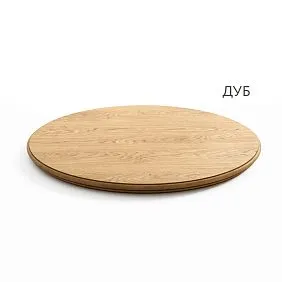
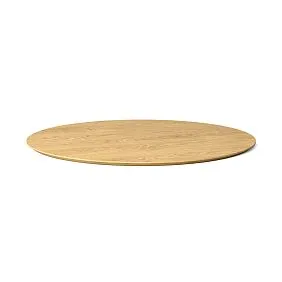


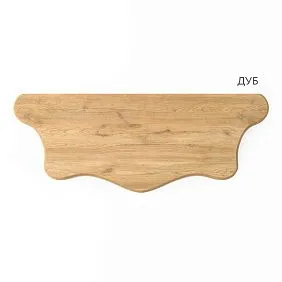
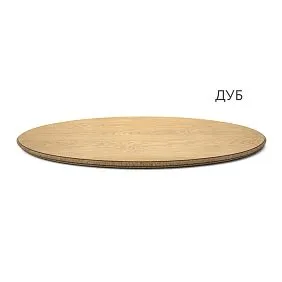
Living architecture of wood fibers




Cellular engineering of natural perfection
What transforms ordinary wood into a material capable of enduring decades of intensive use in the kitchen? The secret lies in the unique structure of wood — a natural composite created over millions of years of evolution. Cellulose microfibrils, forming the basis of cell walls, are oriented strictly along the stem axis, creating a natural reinforcement of incredible strength.
Lignin — a natural polymer — acts as a binding agent, uniting cellulose fibers into a single system. Its concentration in hardwoods reaches 20-25%, providing rigidity and resistance to deformation. Hemicellulose functions as a natural plasticizer, giving the material the ability to adapt to humidity changes without critical damage.
Our factory also produces:


Mechanical properties of various species
Oak demonstrates outstanding strength — compressive strength reaches 58 MPa, bending strength — 95 MPa. The density of dried wood is 690-750 kg/m³, providing exceptional wear resistance. High tannin content (up to 10%) creates natural protection against moisture and microorganisms.
Ash combines oak's strength with increased elasticity. The modulus of elasticity of 12500 MPa makes ash countertops especially resistant to impact loads. The contrasting texture creates a striking visual effect, particularly with radial cutting.
Walnut impresses with the elegance of dark tones while maintaining sufficient strength for kitchen use. Density of 630-670 kg/m³ combines with excellent workability, enabling the creation of complex edge profiles.
Technological revolutions in solid wood processing
Get Consultation
Innovative wood stabilization methods
Born in high-tech production complexes, where each processing stage is controlled with micron-level precision. Vacuum drying at reduced pressure of 0.1–0.2 atm allows moisture removal at 45–60°C, preserving the natural fiber structure.
Modern Wooden Countertop Radio frequency drying uses electromagnetic waves at 13.56 MHz for uniform heating throughout the entire thickness of the blank. The process proceeds from the inside out, eliminating surface cracks and internal stresses. Drying time is reduced by 3–4 times compared to traditional methods.
Thermo-modification at 180–220°C in an inert atmosphere alters the structure of hemicellulose, increasing dimensional stability by 50–80%. Treated wood practically does not react to changes in air humidity.
Multi-operation machining centers achieve positioning accuracy of 0.001 mm at cutting speeds up to 120 m/min. Diamond-tipped cutters with wear-resistant coatings create surfaces with roughness Ra 0.1 μm — mirror-smooth finish, unattainable by manual methods.
Precision machining on CNC machines
Laser engraving with 2400 dpi resolution allows creating detailed textures and patterns. Controllable penetration depth from 0.05 to 3.0 mm opens up limitless possibilities for surface decoration.
Ultrasonic welding of wooden elements creates joints stronger than the wood itself. High-frequency vibrations (20–40 kHz) generate heat at the contact zone, activating natural resins and forming a monolithic structure.
Functional solutions for modern kitchens
Integrated drainage systems
Hidden drainage channels, milled along the perimeter of the countertop, discreetly divert any accidentally spilled liquid. A 2–3° slope directs moisture toward special collectors, preventing it from reaching cabinet facades and the floor.
Capillary channels with diameter 0.5–1.0 mm create an invisible network of micro-channels for rapid condensate removal. Treated with hydrophobic compounds, they function as a natural drainage system.
Thermal protection zones
Built-in stainless steel heat-dissipating plates protect wood from direct contact with hot cookware. Plate thickness of 2–3 mm ensures effective heat dissipation with minimal impact on aesthetics.
Infrared temperature sensors automatically activate cooling systems upon exceeding critical thresholds. A 80°C threshold prevents damage to protective coatings.
Removable sections allow adapting the working surface to various tasks. Cutting inserts, built-in scales, and cooled zones — each element can be replaced or supplemented as needed.
Modularity and transformation
Lifting mechanisms adjust the height of individual countertop sections, creating a multi-level working surface. Electric drive enables smooth adjustment within a 20–30 cm range.
Protective coatings: balance of beauty and practicality
New-generation polyurethane systems
Two-component polyurethane coatings with nano-additives create a protective film with hardness 3H while retaining elasticity. Coating thickness of 120–150 μm ensures resistance to mechanical impacts and chemicals.
Self-healing coatings contain microcapsules with polymer components. When micro-scratches form, the capsules rupture, releasing polymer that seals the damage under heat.
Third-generation UV filters block 99% of ultraviolet radiation in the 280–400 nm range, preventing lignin photodegradation and color changes in wood.
Wax-oil compositions
Penetrating oil-based coatings based on tung oil create a breathable protection that preserves the natural tactile properties of wood. Penetration depth of 2–4 mm provides protection from within.
Carnauba wax — the hardest natural wax with a melting point of 85°C — creates an upper protective layer with unique water-repellent properties. Applied via hot spraying, it ensures uniform thickness of 20–30 μm.
Carnauba wax — the hardest natural wax with a melting point of 85°C — creates an upper protective layer with unique water-repellent properties. Application by hot spraying ensures an even thickness of 20–30 micrometers.
Antibacterial additives based on silver nanoparticles provide hygienic safety without compromising the eco-friendliness of the coating. A concentration of 0.1–0.3% effectively suppresses the growth of pathogenic microorganisms.
Ergonomic design principles
Anthropometric standards for work zones
The height of the work surface is calculated by the formula: user's height ÷ 2 + 5 cm. For an average-height person of 170 cm, the optimal height is 90 cm. The ±5 cm adjustability accounts for individual differences.
A countertop depth of 60–65 cm ensures comfortable placement of kitchen appliances while preserving working space. A front edge radius of 3–5 mm eliminates discomfort during prolonged use.
Surface zoning designates specialized areas: a cutting zone with a hard coating, a wash zone with moisture-resistant treatment, and a heat-resistant zone near the stove.
Lighting solutions
Built-in LED perimeter lighting provides even illumination of the work surface at an intensity of 500–700 lux. A color temperature of 4000K ensures natural color rendition of food products.
Spotlights in the cutting zone provide focused lighting up to 1000 lux for detailed work with products. An adjustable beam angle prevents glare.
Decorative edge lighting highlights the beauty of the wood grain, creating an effect of internal material illumination.
Operational characteristics under kitchen conditions
Moisture resistance and hygroscopicity
Quality processed wooden countertop Demonstrates water absorption of less than 2% after immersion for 24 hours. This is achieved through deep impregnation with hydrophobic compounds and a high-quality finish coating.
A vapor permeability coefficient of 0.02–0.05 mg/(m·h·Pa) allows wood to regulate air humidity, creating a comfortable microclimate in the kitchen. When humidity increases, the wood absorbs excess moisture; when it decreases, it releases it.
Dimensional stability within a humidity range of 30–70% is ±0.1% of linear dimensions. This prevents gaps or deformations due to seasonal humidity fluctuations.
Thermal resistance
Short-term contact with objects heated to 150°C leaves no marks on the protected surface. Prolonged exposure to temperatures up to 80°C does not affect the coating or wood properties.
A thermal conductivity coefficient of 0.15–0.20 W/(m·K) makes the wooden surface pleasant to touch — it does not heat up in summer or cool down in winter.
Thermal shock from a temperature change of 100°C does not cause cracking or peeling of the coating due to a specially selected coefficient of expansion for components.
Mechanical strength
Hardness by Brinell for oak is 3.7–4.0 HB, providing high resistance to dents from falling objects. Impact toughness of 70–90 kJ/m² prevents chipping from accidental impacts.
A bending strength of 80–120 MPa allows creating countertops with large cantilever overhangs without additional support. A standard overhang of 300–400 mm withstands a load of up to 50 kg.
Surface wear resistance under abrasion is less than 0.1 mm over 10,000 cycles, equivalent to 20–25 years of intensive use.
Ecological advantages of natural materials
Carbon footprint and climate commitments
Wood is the only construction material with a negative carbon footprint. During growth, trees absorb CO₂ from the atmosphere, binding carbon in cellulose and lignin. One cubic meter of oak wood contains 350–400 kg of bound carbon, equivalent to 1.3–1.5 tons of absorbed CO₂.
Energy consumption for producing wooden countertops is 2–3 GJ/m³, compared to 25–35 GJ/m³ for artificial stone and 45–60 GJ/m³ for stainless steel. This means 10–20 times less energy consumption for comparable functional characteristics.
Biodegradability of natural wood ensures complete disposal at the end of its service life. Production waste is recycled into biofuel or compost, closing the natural carbon cycle.
Indoor air quality
Natural wood does not emit formaldehyde, phenols, and other volatile organic compounds characteristic of composite materials. The concentration of VOCs in the air of kitchens with wooden surfaces is 5–10 times lower than regulatory limits.
Some wood species — oak, cedar, spruce — possess phytoncide properties that provide natural air disinfection. The concentration of pathogenic microorganisms decreases by 30–50% compared to rooms without wood.
Air ionization by negative airborne ions generated by wooden surfaces improves human well-being and performance. An optimal concentration of 1000–5000 ions/cm³ is achieved in rooms with large areas of wooden surfaces.
Design Solutions and Stylistic Directions
Scandinavian minimalism
The Northern School of Design praises the natural beauty of light-colored wood species. Birch, maple, and beech create a sense of cleanliness and freshness, visually expanding the kitchen space. Matte finishes highlight the texture without creating glare.
Functionality becomes the main ornament: every detail has a practical purpose. Built-in cutting boards, hidden storage systems, and integrated appliances create a minimalist and highly functional interior.
The ecological philosophy implies using only certified materials from sustainably managed forests. FSC certification guarantees responsible use of natural resources.
Industrial loft
The combination of rough-sawn wood with metallic elements creates an atmosphere of a creative workshop. Weathered oak slabs, retaining their natural edges, contrast with the coldness of steel structures.
The brushed surface reveals the structure of annual rings, creating an expressive tactile relief. Every irregularity, every trace of time becomes a unique design detail.
Open communication and rough finishes combine with high-tech equipment, creating an eclectic style suitable for creative personalities.
Classic elegance
Traditional species — walnut, mahogany, cherry — create an atmosphere of respectability and permanence. Dark tones emphasize the kitchen's status, transforming it into a place for leisurely family meals.
Profiled edges, carved elements, inlays of contrasting species add aristocracy. Each detail is executed with jewel-like precision, demonstrating the highest level of craftsmanship.
Patina and artificial aging create a sense of centuries-old history, turning new furniture into family heirlooms.
Technical innovations and future countertops
Smart integration technologies
Modern natural wood countertops integrate with "smart home" systems. Humidity sensors in the wood transmit real-time data about the material's condition. In case of critical deviations, climate control systems automatically activate.
Wireless charging is embedded into the countertop thickness almost invisibly. Induction coils are placed under a layer of wood up to 15 mm thick, ensuring efficient energy transfer.
Tactile control zones for lighting, ventilation, and music activate upon touching designated surface areas. Tactile feedback mimics pressing physical buttons.
Nanotechnology in Protective Coatings
Nanostructured coatings create self-cleaning surfaces based on the lotus leaf principle. Microscopic protrusions 20-30 nm high prevent wetting, causing water to bead up and roll off along with contaminants.
Photocatalytic coatings based on titanium dioxide break down organic contaminants under light. Activation occurs at illumination levels above 200 lux, typical for kitchen spaces.
Antimicrobial silver nanoparticles provide hygienic safety without chemical disinfectants. Prolonged effectiveness lasts throughout the coating's service life.
Biomimetic solutions
Studying the structure of plant tissues inspires the creation of new types of wood composites. Directed growth of wood in bioreactors allows obtaining materials with specified properties.
Copying leaf capillary structures creates self-draining surfaces. A system of microchannels with diameters of 10-50 microns ensures rapid moisture removal without visible drainage holes.
Adaptive coatings change their properties depending on operating conditions. Upon temperature increase, cooling additives activate; upon contamination, self-cleaning components activate.
Economic aspects of investing in quality
Total ownership cost
Initial cost of quality solid wood countertops may be 2-4 times higher than the price of composite alternatives. However, an analysis of total ownership cost over the product's lifecycle demonstrates the economic justification of such a choice.
The service life of a wooden countertop is 25-50 years with proper care, compared to 10-15 years for artificial materials. The possibility of multiple restorations extends service life up to 100 years, spreading initial costs over decades.
The residual value of a quality wooden countertop remains high throughout its service life. Antique samples from the 18th-19th centuries demonstrate an annual value growth of 7-12%, significantly outpacing inflation.
Impact on property value
A kitchen with natural wooden countertops increases the property's attractiveness to potential buyers. Expert appraisals show a 5-8% increase in apartment value when quality wooden furniture is present.
The status of natural materials forms a positive perception of the entire property. Buyers are willing to pay extra for the ecological, exclusive, and long-lasting qualities of wooden interior elements.
The liquidity of properties with wooden countertops is 15-20% higher than average. Sale times are shortened due to the emotional appeal of natural materials.
Care and maintenance: extending service life
Daily Care
Proper care of a wooden countertop does not require special skills but demands consistency. Dry cleaning with a microfiber cloth removes dust and light contaminants without leaving scratches on the surface.
Wet cleaning is performed with slightly damp cloth using minimal water. Movements should follow the direction of wood grain, avoiding crosswise movements that may damage the coating structure.
Immediate removal of stains prevents them from being absorbed into wood pores. Acidic liquids — lemon juice, vinegar, wine — require especially rapid neutralization with weak alkaline solutions.
Preventive Maintenance
Monthly treatment with special agents maintains the protective properties of the coating. Wood conditioners nourish fibers, preventing drying out and cracking.
Polishing with wax-based compounds every quarter restores water-repellent properties and surface gloss. Natural waxes penetrate micro-pores, creating an additional protective layer.
Controlling air humidity within the range of 45-65% prevents wood deformation. Using humidifiers in winter and conditioners in summer maintains stable operating conditions.
Restoration and renewal
Local repair of minor damage is performed using special wax pencils or wood putties. The color is matched as precisely as possible to the main tone of the countertop.
Renewing the coating every 5-7 years includes light sanding with P320-P400 abrasive and applying a fresh layer of protective compound. This restores the original appearance and protective properties.
Major restoration after 20-25 years may include replacing damaged sections, deep sanding, and complete recoating. With quality execution, the countertop receives a second life for decades.
Psychological aspects of perceiving natural materials
Biophilia and emotional well-being
The presence of natural wood in the kitchen activates ancient instincts of connection with nature. Biophilia — an innate tendency to interact with living systems — manifests as an intuitive preference for wooden surfaces.
Tactile sensations from touching wood stimulate the production of serotonin and oxytocin — hormones of happiness and bonding. This explains the calming effect of wooden interiors and improved mood while working in the kitchen.
The fractal structure of wood grain is perceived by the brain as harmonious and natural. Contemplating natural patterns reduces stress levels and improves concentration.
Social semiotics of materials
Choosing natural wood conveys certain values: ecological awareness, commitment to quality traditions, financial stability. In modern society, this forms a positive social image of the owner.
Hospitality in the kitchen with wooden countertops is perceived as an expression of care and respect for guests. The warm atmosphere of natural materials promotes open communication and the formation of friendly relationships.
Family identity is formed around significant interior items. A kitchen with natural countertops becomes a family gathering place, the center of home coziness and traditions.
Regional characteristics and cultural traditions
Northern traditions of woodworking
Scandinavian furniture design school has developed a unique aesthetic based on functionality and the natural beauty of light wood species. Birch, pine, and spruce create a sense of purity and freshness of northern nature.
Finnish wood thermo-treatment alters the wood structure, enhancing its stability and moisture resistance. Processing at 200-230°C imparts wood a noble dark tone without using dyes.
Norwegian masters developed unique methods of wood protection using linseed oil with added beeswax. Such a coating preserves wood's breathability, allowing it to 'breathe'.
Asian traditions
Japanese wabi-sabi philosophy sees beauty in imperfection and natural aging. Countertops retain natural wood defects — knots, cracks, irregularities — as unique characteristics of the material.
Chinese tradition of using tropical woods — teak, mahogany, rosewood — created a culture of luxurious kitchen interiors. Intricate carving and inlays transform countertops into decorative art pieces.
Korean wood smoking technique imparts antiseptic properties and a distinctive aroma. Smoke from burning special herbs penetrates the wood structure, creating natural protection.
STAVROS: synonym of perfection in the world of wooden countertops
Summarizing our fascinating journey into the world of wooden countertops, it is impossible not to note the outstanding contribution of the company STAVROS to the development of this ancient art. For more than two decades, the company has remained an unrivaled leader in the Russian premium natural wood products market, setting new standards of quality and perfection.
STAVROS creates countertops exclusively from premium-grade Caucasian oak and beech, each slab undergoing a multi-stage selection process based on density, absence of defects, and correct grain direction. The company’s proprietary kiln-drying technology in specialized equipment reduces wood moisture to ideal 8-9%, ensuring geometric stability of products for decades.
The company’s production complex is equipped with the most modern European equipment from leading German and Italian manufacturers. Multi-axis CNC machining centers achieve precision down to microns, enabling the creation of countertops of any complexity — from strict minimalist forms to sophisticated custom compositions with integrated functional elements.
STAVROS pays special attention to the final surface finishing. The company’s multi-stage sanding system includes up to ten stages with gradually decreasing abrasive grit from P80 to P600. The final coating with premium-grade natural oils and waxes not only reliably protects wood from all types of exposure but also reveals the full depth of its natural beauty.
STAVROS’s unique experience includes restoring countertops in federal cultural heritage sites — the Alexander Palace in Tsarskoye Selo, the Trinity Cathedral in St. Petersburg, and other historical landmarks. This invaluable experience working with antique samples allows the company’s craftsmen to recreate items from any historical period with archaeological precision.
Today, STAVROS offers a complete range of kitchen countertops — from classic rectangular designs to complex corner compositions with integrated sinks, cooktops, and storage systems. Each countertop is created strictly individually, taking into account the architectural features of the space, stylistic preferences, and functional requirements of the client.
Choosing STAVROS countertops, clients invest not just in kitchen furniture, but in a genuine work of art that will serve several generations of the family, gaining even greater value and charm over time as it develops a noble patina. This is the choice of those who understand the true value of craftsmanship, beauty, and quality in the world of mass production and compromises.