Article Contents:
- 1. Factors Affecting the Cost of Wood Materials
- 1.1 Wood Species
- 1.2 Processing Methods
- 1.3 Market and Seasonal Fluctuations
- 2.1 Solid Wood
- 2.2 Plywood and Laminated Products
- 2.3 Composite Wood Materials
- 3.1 Modern Drying and Conditioning Technologies
- 3.2 Precision Processing Technologies
- 3.3 Lamination and Thermal Modification
- 3.4 Eco-Friendly Stains and Finishing Materials
- 4.1 Seasonality and Demand Dynamics
- 4.2 Impact of Global Economy and Currency Fluctuations
- 4.3 Regional Production Characteristics
- 5.1 Procurement Planning and Market Forecasting
- 5.2 Selection of High-Quality Raw Materials
- 5.3 Use of Modern Technologies
- 5.4 Collaboration with Verified Suppliers
- 6.1 Innovative Technologies and Production Digitization
- 6.2 Sustainable Development and Environmental Responsibility
- 6.3 Globalization and International Cooperation
- 6.4 Growing Role of Composite Materials
- 7.1 Market Analysis and Long-Term Planning
- 7.2 Selection of Technologies and Suppliers
- 7.3 Attention to Environmental Standards
- 8.1 Residential Complexes and Private Homes
- 8.2 Commercial and Public Buildings
- 8.3 Infrastructure Objects and Landscape Design
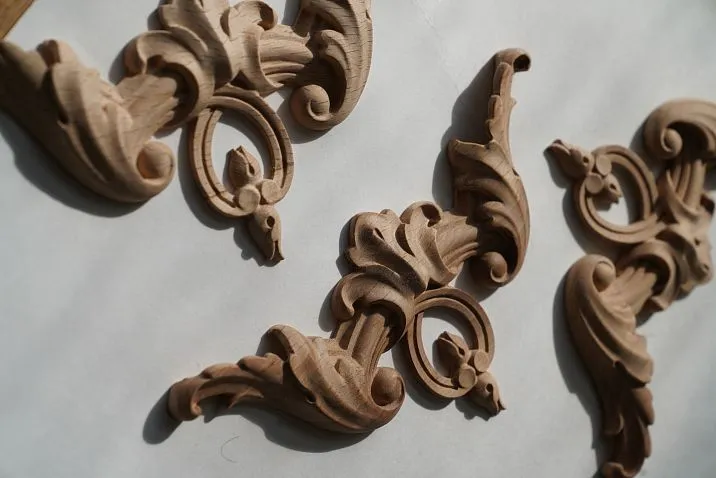
Additional information and assortment can be found atthe solid wood products catalog.


1. Factors Affecting the Cost of Wood Materials




1.1 Wood Species
Oak is one of the most popular species for making furniture and finishing materials. It is characterized by high strength, durability, and an attractive grain pattern. Due to these qualities, oak products have a high cost, but they justify it with their longevity and classic appearance.
● Oak.
Oak is one of the most popular species for making furniture and finishing materials. It is characterized by high strength, durability, and an attractive wood grain pattern. Due to these qualities, oak products have a high cost, but they justify it through longevity and classic appearance.
● Walnut
Walnut wood is valued for its noble appearance, rich tones, and unique textural features. Items made from walnut are often associated with luxury and exclusivity, which is reflected in their price.
● Ash.
Ash is known for its elasticity and light, fresh tone. It is used in modern interiors and the production of functional furniture. The cost of ash may be lower than that of oak or walnut, making it a popular choice for projects with limited budgets.
● Pine and Birch
These species are more affordable. Although they are inferior in strength compared to more expensive species, their ease of processing and natural appearance allow for the creation of quality items suitable for mass production.
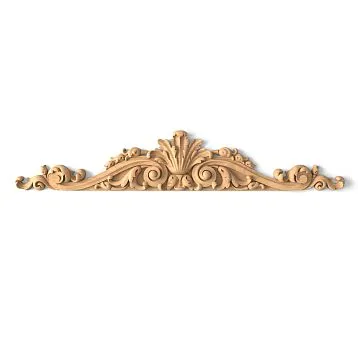
Our factory also produces:


1.2 Processing Methods
The cost of wood depends not only on its species but also on the processing methods applied to the material. The more complex the technological process, the higher the final price of the product.
● Drying
Proper wood drying is critically important to prevent warping and deformation. Modern drying chambers with automatic humidity control allow achieving optimal conditions, but this requires additional costs, which are reflected in the material's price.
● Mechanical Processing
Planing, milling, sanding, and CNC carving – all these processes require the use of modern machines such as CNC, which increases processing accuracy. Items processed using advanced technologies have a higher cost but ensure flawless quality and durability.
● Laminating and Facing
Applying decorative layers, veneer, or laminate onto an MDF or particleboard base allows them to imitate the appearance of solid wood. Although such materials are cheaper compared to solid wood, the cost of the laminating process is also factored into the final product price.
● Thermal Treatment
This method allows improving wood's resistance to moisture, rot, and insects without using chemicals. Thermally modified wood is valued for its enhanced performance characteristics, which affects its cost.
Get Consultation
1.3 Market and Seasonal Fluctuations
The price of wood is also influenced by economic conditions, global trends, and seasonality.
● Demand and Supply
The wood market may experience fluctuations depending on demand in the construction and furniture industries. During periods of high demand (e.g., spring or autumn during active construction), prices may rise.
● Geographic Origin
The location of the manufacturer, transportation costs, and customs duties – all these factors influence the final cost of materials. Imported wood may be more expensive than domestic wood, even if the quality of materials is comparable.
● Economic Situation
Changes in the global economy, inflation, and fluctuations in exchange rates can significantly affect the cost of raw materials and finished products.
2. Main Types of Wood Materials and Their Cost
2.1 Solid Wood Stock
Solid wood is a classic variant consisting of solid boards and beams. Its cost is determined by the type of wood and the quality of processing.
● Solid oak.
Oak products are more expensive due to their high strength, durability, and attractive appearance. Oak panels, steps, and furniture often become investment items, as they have high resale value and long service life.
● Solid walnut.
Walnut wood is distinguished by its nobility and unique color solution, which also affects its price. Walnut products are often used in luxury projects where exclusivity and aesthetics are valued.
● Solid beech.
Beech is a more affordable option that perfectly suits modern interiors. It provides good strength and is easy to process, making it a popular choice for mass production of quality furniture.
2.2 Plywood and laminated products
Plywood is a multi-layer material obtained by gluing thin veneer sheets. Its cost is lower than that of solid wood, but plywood has high stability and versatility.
● Plywood.
The price of plywood depends on the number of layers, the type of adhesive used, and the species of veneer. High-quality plywood for decorative panels can cost significantly more than cheap variants used in mass production.
● Laminated products.
Laminated materials, where a decorative veneer or laminate layer is applied over an MDF or particleboard base, represent an economical solution for imitating natural wood. Such products are cheaper than solid wood, but their appearance and performance characteristics also depend on the quality of processing and finish.
2.3 Composite wood materials
Composite materials obtained using wood flour, fibers, and synthetic polymers represent an innovative direction in woodworking.
● Composites (MDF, particleboard).
The cost of composites is determined by the production technology and quality of raw materials. These materials have increased resistance to moisture and mechanical damage, making them attractive for use in environments where durability and dimensional stability are important.
Composites are often used where a combination of natural appearance and modern performance characteristics is required, and their price may vary depending on the degree of processing and additives.
3. Processing technologies and their impact on cost
3.1 Modern drying and conditioning technologies
Quality wood drying is one of the most important stages affecting material cost. Modern drying chambers with automatic parameter control allow optimal conditions to be maintained, reducing the likelihood of cracks and deformations. Investments in modern drying technologies are justified by the high quality of the final product and the long service life of the items.
3.2 Precision processing technologies
Using modern CNC machines, laser cutting, and digital modeling allows achieving high precision and refinement in wood processing. Precision technologies increase the cost of finished products but simultaneously ensure their uniqueness, flawless quality, and longevity. This is especially important for decorative and architectural elements, where every detail matters.
3.3 Laminating and thermal modification
Laminating is a process that improves the appearance and protects wood from moisture, UV radiation, and mechanical damage. Thermal modification, in turn, increases material strength and stability without using chemicals. These technological processes add to the cost, but they are justified by increased service life and improved performance characteristics of the products.
3.4 Eco-friendly stains and finishing materials
Treating wood with eco-friendly compounds and applying protective coatings is an important stage affecting material longevity. Modern eco-friendly varnishes, oils, and waxes with low toxicity increase the cost of products but allow preserving the natural beauty of wood and protecting it from adverse environmental effects.
4. Market and economic trends
4.1 Seasonality and demand dynamics
The cost of wood materials can vary significantly depending on seasonal fluctuations and market conditions. During periods of high demand (e.g., spring and autumn, when construction activity increases), wood prices may rise. It is important to consider seasonality when planning purchases and construction projects to optimize the budget.
4.2 Impact of the global economy and currency fluctuations
The global economic situation, inflation, and currency fluctuations directly affect the cost of timber. Imported timber, especially from regions with high quality standards, may be more expensive than domestic timber. Economic instability and changes in customs policy may also reflect in prices, so when planning large projects, these factors must be considered.
4.3 Regional production characteristics
The geographical origin of timber plays a significant role in its cost. In regions rich in forested areas, timber prices may be lower due to reduced transportation costs and greater availability of raw materials. However, regional processing standards, environmental regulations, and production quality may vary, which also affects the final cost of materials.
5. Practical tips for cost optimization
5.1 Procurement planning and market forecasting
Cost optimization for timber begins with careful procurement planning. Analyzing seasonal fluctuations, monitoring market prices, and forecasting demand will help select the optimal time to purchase materials. This will reduce costs and avoid sharp price spikes.
5.2 Selection of quality raw materials
Investing in quality raw materials is a guarantee of the durability and reliability of products. When selecting timber-based materials, it is important to consider not only price but also quality, presence of FSC or PEFC certifications, and supplier reputation. High-quality timber may have a higher cost, but it pays off through longevity, aesthetic value, and resistance to environmental influences.
5.3 Use of modern technologies
Modern processing technologies, such as production automation, CNC machines, and thermal modification, allow reducing production costs and improving product quality. Despite initial investments, implementing innovative technologies in the long term reduces product cost and ensures consistent quality.
5.4 Cooperation with verified suppliers
Reliable partnership with verified timber and component suppliers is an important aspect of cost optimization. Choose suppliers with a good reputation who can offer competitive prices, flexible cooperation terms, and quality guarantees. You can explore the range of high-quality materials atthe solid wood products catalog.
6. Development prospects and future trends
6.1 Innovative technologies and digitalization of production
The future of the wood processing industry is linked to the adoption of new technologies that will optimize production processes and reduce product cost. Digital modeling, automation, and use of robotic production lines will enable the creation of high-precision products with minimal waste, directly affecting material cost.
6.2 Sustainable development and environmental responsibility
Growing consumer awareness of environmental issues increases demand for eco-friendly materials. Natural wood produced according to sustainable forestry principles is becoming increasingly popular. Development of certified production and adoption of environmentally safe technologies will help reduce costs and increase consumer trust.
6.3 Globalization and international cooperation
The global timber market is actively developing, and international cooperation among producers, suppliers, and consumers helps stabilize prices and improve product quality. International exchange of technologies and experience helps implement advanced processing methods, leading to reduced production costs and optimized final product pricing.
6.4 Growing role of composite materials
Composite wood materials combining natural wood with synthetic components are becoming increasingly popular due to their improved performance characteristics. Their use allows reducing production cost while maintaining aesthetic qualities, opening new opportunities for mass production of high-quality products.
7. Recommendations for investors and builders
Investors and builders are advised to conduct a thorough analysis of the timber market, taking into account seasonal fluctuations, global economic trends, and regional production characteristics. Long-term procurement planning and use of forecasts will help optimize the budget and avoid unexpected expenses.
Investors and builders are advised to conduct a thorough analysis of the wood market, taking into account seasonal fluctuations, global economic trends, and regional production characteristics. Long-term procurement planning and use of forecasts will help optimize the budget and avoid unexpected expenses.
Cooperation with verified suppliers and implementation of modern timber processing technologies are key to a successful project. Choose materials certified to international standards and pay attention to manufacturer reputation. This will ensure consistent product quality and reduce risks associated with market fluctuations.
Cooperation with verified suppliers and implementation of modern wood processing technologies are the key to a successful project. Choose materials certified to international standards and pay attention to manufacturers' reputations. This will ensure consistent product quality and reduce risks associated with market fluctuations.
7.3 Attention to environmental standards
The modern construction market increasingly focuses on eco-friendly materials. When selecting timber for construction, prefer products made according to sustainable development principles. Environmental responsibility is becoming an important competitive advantage, contributing not only to improved quality of life but also to strengthening the reputation of your project.
8. Examples of successful projects and application cases
8.1 Residential complexes and private homes
In many modern residential projects, natural wood is used as a primary construction material and decorative element. From frame construction to facade cladding — the use of quality wood ensures high energy efficiency, aesthetic appeal, and durability of buildings. Examples of such projects demonstrate how properly selected materials can create a cozy and eco-friendly space that will delight its owners for decades.
8.2 Commercial and public buildings
In commercial projects such as offices, hotels, shopping centers, and restaurants, the use of wood allows for stylish and functional interiors. Wooden panels, staircases, furniture, and decorative elements contribute to creating a pleasant atmosphere, improve acoustics, and promote energy savings. Innovative solutions using thermally modified wood and composites allow reducing operating costs and increasing the durability of structures.
8.3 Infrastructure objects and landscape design
Natural wood is increasingly used in the finishing and cladding of infrastructure objects — bridges, gazebos, sports facilities, and even tall wooden buildings. In landscape design, wooden structures create a harmonious transition between architectural forms and natural surroundings, emphasizing the ecological orientation of projects. Such solutions not only beautify the space but also ensure its resistance to external influences.
9. Conclusion
The cost of wooden materials is determined by numerous factors: from species and processing methods to market conditions and environmental standards. Natural wood remains one of the most sought-after materials in construction due to its unique aesthetics, strength, ecological purity, and ability to create cozy and harmonious spaces. Modern technologies, innovative processing methods, and global cooperation among manufacturers allow optimizing costs and ensuring high product quality.
When selecting wood for construction, it is important to consider not only price but also durability, eco-friendliness, and aesthetic value of the material. Investing in quality wood is investing in the stability and beauty of your project, whether it is a private home, residential complex, or commercial building.
For more detailed information about wooden materials, their range, and application possibilities, we recommend visitingthe catalog of solid wood productsHere, you will find the best solutions for implementing your construction projects and can make an informed choice in favor of natural, durable, and aesthetically pleasing materials.
Natural wood is not just a construction material — it is part of culture, natural heritage, and a symbol of striving for ecological purity. It combines centuries-old craftsmanship traditions with advanced technologies, enabling the creation of objects that retain their beauty and functionality for decades. May your building, home, or office be filled with the warmth, coziness, and natural beauty of wood, and may every invested ruble be repaid by reliability, style, and ecological responsibility.
Thus, the cost of wooden materials is not merely a number on a price tag, but a reflection of the value of the natural material, its uniqueness, and its potential for creating durable and beautiful structures. Choose natural wood, invest in quality and sustainability, and let your construction become a manifestation of harmony between humanity and nature.