Article Contents:
- Evolution of Furniture Styles
- From Craftshops to Industrial Production
- Formation of Modern Directions
- Key Features of Classic Style
- Why Classic Style Never Gets Old
- Main Characteristics of Minimalism
- Who Minimalism Is For
- Distinctive Features of Loft
- Loft: A Style for Creative and Bold Individuals
- Characteristic Features of Art Deco
- Who Art Deco Appeals To
- Features of Scandinavian Style
- Scandinavian Coziness
- Country: Returning to Roots
- Provence: Romance of Southern France
- Features of High-Tech
- When High-Tech Is Appropriate
- Main Features of Modernism
- Modern Interpretation of Modernism
- Principles of Eclecticism
- Fusion as an Art of Experimentation
- Difference Between Vintage and Retro
- Characteristic Features
- Modern revival
- Selection Tips
- Eclecticism: The Art of Mixing
- Ecological sustainability and development
- Furniture Digitization

Furniture design is always a combination of functionality and artistic vision, which changes under the influence of time, culture, and technological progress. Some styles emerge and quickly disappear, while others, on the contrary, have been tested over decades and remain relevant for centuries. Each style has its unique character, reflecting not only the aesthetic preferences of the era but also the lifestyle of people. Sometimes designers challenge established canons, creating eclectic projects where several directions intertwine. Sometimes they soften provocative forms to ensure furniture harmoniously fits into everyday surroundings. In any case, furniture design is an exciting journey, where each style can tell a special story.
In this article, we will thoroughly examine the main furniture design styles and understand how they differ from each other. We will learn whyClassic Furniture does not go out of fashion, what attracts minimalism, and what features are characteristic of loft or, say, art deco. This is a broad topic, but we will try to cover the key aspects so that everyone can find their ideal interior design option.


Evolution of Furniture Styles
When we talk about furniture design styles, we inevitably think about how this diversity formed. The history of furniture art may go back to deep antiquity, but it was only in the last couple of centuries that the world saw the most clearly defined stylistic directions.




From Craft Shops to Industrial Production
For many centuries, furniture making was a craft passed down from generation to generation. Masters worked in guilds, using proven technologies and decorative elements characteristic of their regions. Over time, national styles emerged, linked to historical periods: for example, Gothic, Baroque, Rococo, and others.
The real revolution began in the 19th century with the advent of industrialization. Machine production allowed furniture to be mass-produced and made more accessible. At the same time, there was an increased demand for original design: the first designers appeared, who began to "sign" their works. Thus, the concept of "industrial design" was born. Since then, furniture has begun to reflect not only craft traditions but also the aesthetics of mass consumers.
Our factory also produces:


Formation of Modern Directions
At the beginning of the 20th century, independent styles emerged that are still popular today: modern (art nouveau), art deco, modernism. In the post-war years, designers turned to functionality and simplicity, laying the foundations of Scandinavian style and minimalism. Parallel to this, in the USA and Europe, directions such as pop art and loft developed, and from the 1970s–1980s, postmodernism, high-tech, and later — eclecticism — took center stage.
We can encounter in one city studios specializing inclassic furnitureand workshops that create avant-garde masterpieces from recycled plastic. It is precisely this combination of tradition and innovation that makes the furniture market rich and interesting.
Get Consultation
Classic style
Classic style is one of the most recognizable and popular. When we imagine luxurious palace halls, antique buffets, and soft chairs with carved frames, we immediately envision classicism. It has existed for hundreds of years, drawing inspiration from ancient art, and later — from the Baroque and Empire eras. But at the same time, it is quite capable of fitting into modern realities.
Key Features of Classicism
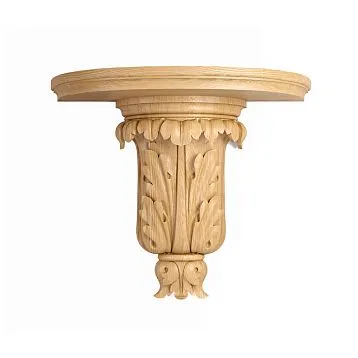
- Natural materials: solid wood (oak, beech, walnut, mahogany), marble and granite inlays, silk and cotton fabrics. These are high-quality, expensive, and durable materials.
- Carving and decoration: three-dimensional finishes, molded elements, ornaments, and inlays. The shape of the furniture itself may resemble ancient columns or architectural elements.
- Neutral color palette: various shades of beige, brown, white, gold. A classic interior is not overloaded with bright contrasts.
- Symmetry and proportionality: the most important canons dating back to the Renaissance. Furniture items harmoniously complement each other, forming a balanced appearance of the room.
Why Classicism Does Not Fade
Many consider classic furniture a choice for spacious country houses or palace halls. However, modern design has long learned to "lighten" classical elements, making them more airy and adaptable even for ordinary apartments. Classicism does not fade because it relies on canonical forms understandable to the human eye and always creates an atmosphere of comfort and nobility.
Moreover,Classic Furniture It is often perceived as a sign of status and good taste. It fits into fashion trends because fashion comes and goes, while classicism remains "above time." It lacks excessive ornamentation, but instead offers refined elegance and durability, as solid wood, with proper care, can serve for many years and be passed down to future generations.
Minimalism
The opposite pole to classicism is often considered minimalism. This is a style of the 20th–21st centuries, emerging on the wave of striving to simplify life and eliminate unnecessary details. Minimalism is not only about aesthetics but also philosophy: the fewer things around, the more freedom in the mind. This style is often associated with Scandinavian aesthetics, where clean forms and functionality take center stage.
Key Features of Minimalism
- Simplicity of forms: straight lines, absence of complex decorative elements, geometric outlines.
- Monochrome or soft shades: white, gray, beige, black — basic palette. Bright colors may appear as a small accent.
- Functionality: cabinets with smooth fronts, hidden storage systems, transformable furniture that easily adapts to different needs.
- Visual lightness: lots of light, space "breathes." Metal, glass, plastic are often used, and wood without excessive ornamentation.
Who Is Minimalism For
Minimalism style fits perfectly into the rhythm of urban life, where people value order and compactness. If you frequently move, love traveling, and don’t want to accumulate many things, this style will be an ideal choice. It suits small apartments as well, since the absence of unnecessary furniture visually expands the room.
However, be prepared for the fact that minimalism requires discipline: do not fill empty spaces with various trinkets, otherwise the meaning of 'minimalism' is lost. But if you are ready to follow the concept of 'less is more', you will get a truly harmonious and bright space.
Loft
Loft (loft) originated in the United States in the mid-20th century, when former industrial spaces — factories, warehouses — began to be converted into housing. High ceilings, open layouts, brick walls, and concrete floors became inherent features of this style. Today, loft is relevant in many countries, although its decoration requires spacious rooms and a certain rebellious spirit.
Loft Characteristics
- Open layouts: minimal partitions, maximum air. Zones (kitchen, living room, bedroom) are separated not by walls, but by furniture or lightweight structures.
- Rough textures: brick, concrete, metal. Everything that reminds of the past of the room — beams, pipes, ventilation ducts — is not hidden, but displayed prominently.
- Large furniture and unconventional details: sofas, shelves, bar counters can be substantial in size. Metal lamps, leather chairs, vintage items will become striking accents.
- Mix of old and new: industrial ambiance can be complemented by ultra-modern technology. An old wooden table easily coexists with chrome bar stools.
Loft: Style for Creative and Bold Individuals
Loft is considered a youth and bohemian direction, as it allows experimenting without rigid constraints. Different eras and materials can coexist in one room, creating an atmosphere of freedom. However, be prepared for the fact that loft looks natural only in sufficiently large spaces with high ceilings. In a Khrushchev apartment or a small apartment, recreating a true industrial spirit will be difficult, although designers sometimes manage to incorporate individual loft elements (for example, an accent wall made of brick).
Art Deco
Art Deco (Art Deco) — a style that reached its peak in the 1920s–1930s, the era of jazz and Hollywood. It combined the luxury and glamour characteristic of the 'roaring twenties' with geometric clarity and exotic motifs. Art Deco elements are often found in luxury hotels, grand interiors, and sometimes even in modern apartments.
Characteristics of Art Deco
- Geometric patterns: zigzags, radial motifs, stepped forms.
- Luxurious materials: glossy surfaces, lacquered wood, leather, rare wood species, brass, marble, mirrors.
- Contrasts: black-and-white elements, bright colored accents against a neutral base.
- Symbols and ornaments: sun, exotic animals, palm leaves; inserts of ivory (in modern versions, imitation is used) are often encountered.
Who is Art Deco for?
If you want a rich, almost cinematic interior, andClassic Furniture it seems 'too calm', then Art Deco can be an interesting solution. This style allows playing with extravagant details: mirrored panels, designer lamps, striking chairs upholstered in satin. And although it requires significant investment and spacious rooms — the result can astonish the imagination and turn the interior into an art object worthy of photo shoots.
Scandinavian style
Scandinavian countries, where winter lasts long and sunny days are few, gave the world a style oriented towards light and simplicity. Scandi — this is coziness, functionality, eco-friendliness, and clarity of forms. If you value natural materials, neutral colors, and practical furniture, then this style may become an excellent choice.
Scandi Characteristics
- Light tones: white, milk, pastel shades of gray and beige. They reflect the sparse northern light, making the room visually more spacious.
- Natural materials: wood (pine, birch), linen, cotton, wool. Rugs, blankets, cushions complement the interior, adding warmth.
- Minimal decoration: open shelves, simple forms, neat lamps. Usually, Scandinavian furniture does not have ornate elements or carvings.
- Functionality and comfort: ergonomic chairs, lightweight tables, thoughtfully designed storage systems. Everything to ease daily life.
Scandinavian Coziness
Scandi — a choice for those who strive for a harmonious, warm space that 'embraces' its owner. It suits small apartments well, as light shades visually expand the area. At the same time, Scandinavian style combines easily with others: for example, adding classic details or mixing it with loft elements. The key is to preserve the idea of visual lightness and commitment to natural materials.
Country and Provence
Country — this is a rustic style whose main idea is to recreate the atmosphere of a countryside home. The French variant, Provence, is distinguished by romantic notes and soft pastel shades. Both directions love naturalness and simplicity, but are not averse to decorative details.
Country: Returning to the Roots
- Rough but warm textures: solid wood with natural grain, clay, stone, checkered textiles, woven furniture.
- Color palette: warm and muted tones — beige, brown, dark green, burgundy.
- Cozy atmosphere: checked tablecloths, lace curtains, wooden beams on the ceiling, antique trunks and chests of drawers.
- Handcrafted details: embroidery, handmade cushions, wrought iron elements.
Provence: romance of southern France.
- Pastel tones: lavender, soft blue, cream, light green, white.
- Slightly aged surfaces: patina effect, cracked paint, as if the furniture was inherited from grandma.
- Floral motifs: dried flower decor, fabrics with small floral patterns, ceramics and faience in the style of rural France.
- Wrought iron: elegant wrought iron bed and chair backs, candlesticks.
Country and Provence evoke a sense of home warmth, as if you are in a countryside cottage, even if it's an urban apartment. This design style particularly appeals to those who wish to escape aggressive urban trends and immerse themselves in an atmosphere of simplicity and sincerity.
High-tech
High-tech (High Tech) — embodiment of technology and modernity. This style emerged in the second half of the 20th century and absorbed characteristics of industrial design, minimalism, and constructivism. High-tech does not aim for coziness in the conventional sense: it rather represents a "digital" lifestyle, speed, bright lighting, and functionality pushed to the absolute extreme.
Signs of high-tech
- Clear shapes and smooth surfaces: metal, glass, plastic. Wood is practically not used, except for minimal inserts.
- Metallic structures: steel frames, aluminum profiles, chrome details. Cabinet facades are glossy or glass, emphasizing the technological appearance.
- Space and light: large windows without curtains or with blinds, built-in LED lights and neon lines.
- Minimal decoration: all attention is directed toward functionality and the latest technology. TVs, computers, kitchen gadgets can become "the composition's focal point."
When high-tech is appropriate
If you love gadgets, consider modern technology a key element of interior design, and don't particularly like warm natural textures, high-tech may appeal to you. This style looks great in studio apartments with panoramic windows. But don't forget the emotional aspect: some people find high-tech too "cold" and detached. Sometimes designers soften the design by adding wood and a few bright accents.
Modern (Art Nouveau)
Modern, or Art Nouveau, flourished at the end of the 19th — beginning of the 20th century. It was inspired by nature — smooth lines of stems and vines, delicate flowers, curved branches. This is a romantic style aiming to unite art and life, creating a cohesive masterpiece — from architecture to furniture and tableware.
Main features of modern style
- Smooth curved lines: no sharp angles or harsh contours. Forms flow, echoing natural motifs.
- Botanical ornaments: flowers, leaves, patterns resembling stems. Motifs of field plants and grapevines.
- Stained glass and glass: an important decorative element; often colorful glass inserts are used, creating light play.
- Wood and metal: wood is used for the main furniture bodies, metal (wrought or cast) often appears in finishes, repeating "botanical" curves.
Modern interpretation of modern style
Today, modern style sometimes blends into "neo-modern": designers are inspired by smooth forms and stained glass, but simplify decoration. Furniture becomes elegant, feminine, filled with natural motifs. This style appeals to those tired of rigid geometry and loft brutality. Modern materials such as acrylic, composites, and soft lighting work well in modern interiors. The key is to preserve the main idea: smooth lines and the charm of botanical themes.
Eclecticism and fusion
Eclecticism and fusion — styles allowing combination of elements from different directions. Once considered a sign of bad taste, as such interiors could appear chaotic. However, modern designers have learned to skillfully combine incompatible elements, achieving very bold and expressive solutions.
Principles of eclecticism
- Freedom of combinations: classic armchairs next to bright pop-art paintings, oriental rugs next to high-tech tables.
- Unifying idea: to avoid turning the interior into a 'bazaar', a single concept is needed — for example, a common color palette or repeating textures.
- Items from different cultures: ethnic motifs, elements from Asian, African, and Mediterranean styles.
- Playing with contrasts: an old chest and a modern sofa, rough wood and silk upholstery.
Fusion as an art of experimentation.
Fusion goes even further, mixing not only styles but also materials, textures, and forms. Unexpected encounters may arise between industrial metal structures andClassic Furniture carved legs. Everything depends on the designer’s and client’s imagination. The important thing is that the final result harmonizes with the homeowners, reflects their individuality, and does not cause dissonance.
Vintage and Retro
Vintage and retro — styles looking back to the past. They use furniture created 30, 40, 50, or even 70 years ago, or modern items styled as 'antique'. Such an approach is especially appreciated by history enthusiasts, collectors, and people who love things with 'soul'.
Difference between vintage and retro
- Vintage: usually refers to furniture and items that are at least 20–30 years old. They may show signs of wear, but this only adds to their charm.
- Retro: a broader concept, often referring to styles from the mid-20th century (especially popular in the 1950s–1970s).
- Antique: stands apart, as it implies items older than 100 years. They may cost a fortune and require careful handling.
Vintage interiors often look very romantic: old chests, worn chairs, large clocks. If you choose the 1960s–1970s era, the interior will be vibrant, with bold colors, geometric prints, and iconic pieces such as the 'Egg Chair' or plastic chairs designed by Werner Panton.
Mid-century modern
Mid-century modern (Mid-century modern) — a direction that gained special popularity after World War II, roughly in the 1940s–1960s. It is called the 'golden age' of American design, when iconic furniture pieces from Charles and Ray Eames, Arne Jacobsen, and George Nelson emerged. The hallmark of mid-century modern is smooth yet clear lines and bold color solutions.
Key characteristics
- Curved forms: chairs and stools with gently curved backs, resembling organic shapes.
- Vibrant but not loud colors: mustard, olive, turquoise, orange, dark blue, warm-toned wood.
- Functionality and simplicity: furniture is compact, without excessive carving or decoration.
- Stiletto legs: many items stand on thin wooden or metal legs, creating a sense of lightness.
Modern revival
Today, mid-century modern is back in fashion: designers release reissues of famous chairs and tables, and vintage originals sell at auctions for hefty sums. This style easily adapts to modernity, as it already preached the idea of 'less decoration, more comfort'. With the right approach, such furniture looks fresh, giving the interior a unique character and a touch of retro charm.
Choosing your own style and combining directions
We have only considered the main furniture design styles, but there are many more: boho, shabby chic, glam, neoclassicism, Japanese minimalism, African ethnic — the list can go on endlessly. Each style has the right to exist and finds its admirers. But how to choose 'your' option among such variety?
Selection tips
- Analyze your preferences: think about what visually attracts you — smooth lines or strict geometry, bold colors or pastels, natural wood or gloss?
- Consider room size: heavyClassic Furniture in a tiny room may look too bulky, whereas minimalism, on the contrary, will effectively expand the space.
- Budget: different styles may require different levels of expenditure. Solid natural wood is more expensive than MDF and plastic. Carving, inlay, and complex forms also increase the cost.
- Lifestyle: if you enjoy hosting guests, loft or scandi may suit you. If you prefer solitude, coziness, and warm atmosphere — country or Provence. If you value luxury and status — art deco or classic.
Eclecticism: the art of mixing
Many people do not want to limit themselves to one style. Eclecticism or fusion allows you to express individuality by choosing elements from different directions. The key is to maintain balance so the interior does not look like a 'random pile'. Designers often recommend selecting 2–3 key styles and finding a common 'thread' (color, texture, form) that ties them together.
In the end, you can achieve a unique interior where an antique cabinet stands next to high-tech chairs, and walls are painted in a bright modern shade. If done thoughtfully, the result will be impressive and very personal, reflecting your tastes and lifestyle.
Trends of the future: combining technology and tradition
The modern world stands at the threshold of another breakthrough: 3D printing, smart technology, eco-friendly materials, and "zero waste" approaches are entering interior design trends. Meanwhile, demand forclassic furniture and vintage items does not decrease. Stylistic diversity is likely to only grow, as globalization allows drawing inspiration from different cultures.
Ecological Sustainability
Many designers today focus on "green" design principles, using recycled materials, certified wood, non-toxic varnishes and paints. Entire brands are emerging specializing in eco-friendly furniture made from bamboo, organic cotton, and recycled plastic. The style can be any — whether minimalism or loft — the key is that production and use of furniture do not harm the planet or human health.
Furniture Digitization
Smart sensors embedded in cabinets and tables ease daily life. Systems with automatic door and drawer opening, motion-sensor lighting, built-in gadget charging modules — all this is no longer a miracle and becomes commonplace. Perhaps in the future, we will be able to control furniture configuration with a single button press or voice command, and 3D printing will allow us to "print" custom items directly at home.
Conclusion
Furniture design styles — a broad and captivating topic reflecting different eras, cultural traditions, and modern innovations. Fromclassic furnitureproven by centuries, to bold fusion projects — your choice depends only on your personal preferences, budget, and lifestyle. The key is to understand that an interior is not just decoration, but a space where you spend a significant part of your time. It must align with your values, tastes, and rhythm.
● If you appreciate elegance and luxury — pay attention to classic, art deco, or modern styles.
● If you prefer light and minimalism? Scandinavian style, high-tech, or mid-century modern will be an excellent solution.
● If you love a distinctive atmosphere? Country or Provence will give you the feeling of rustic coziness and peace.
● If you lean toward informality and boldness — loft or eclectic may become your choice.
Do not be afraid to experiment: mix styles, textures, eras — if you feel it reflects your individuality. After all, an interior is an extension of yourself, your personal story, and your comfort zone. Furniture design allows you to realize the boldest fantasies, combine styles, return to roots, discover new forms, and reinterpret old canons. And most importantly — choose what truly pleases your eyes and soul, making life more colorful, convenient, and pleasant.