












































































Article Contents:
- Introduction: The Significance of Furniture Design Styles
- Main Furniture Design Styles
- Classic style
- Modern style
- Minimalism
- Eco-style
- Loft and Industrial Style
- Retro and Vintage
- Space Analysis and Functional Requirements
- Coordination with Overall Interior
- Examples of Successful Combinations
- Consultations with Professionals
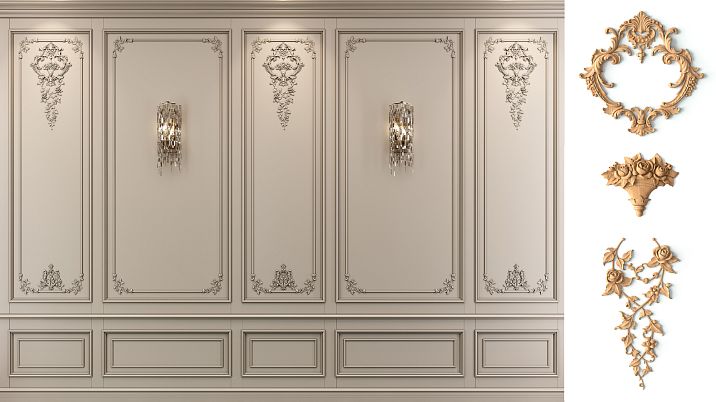
The modern world of interior design is amazed by the diversity of ideas, concepts, and design solutions. One of the key elements in creating a unique space is furniture. It is furniture that sets the tone for the entire interior, and its design can highlight the individuality and character of the owner. If you want to learn more about the variousfurniture design stylesthis article will be a detailed guide to the world of furniture: from classic directions to ultra-modern concepts.


Introduction: The Significance of Furniture Design Styles
Furniture design is not just about selecting items for the interior. It is a whole philosophy reflecting culture, traditions, technological achievements, and even the worldview of society. Each style has its own history, distinctive features, and emotional perception. The right choice of style helps create a harmonious space where all elements work in unison, providing not only functionality but also aesthetic pleasure.
Modern trends in furniture design demonstrate that every era leaves its mark, and it is precisely in the synthesis of traditions and innovations that truly unique solutions are born. Familiarize yourself with the main directions infurniture design stylesto choose the one that suits your taste and lifestyle.




Main Furniture Design Styles
Our factory also produces:


Classic style
Classic is an eternal direction that is always associated with elegance, refinement, and nobility. Furniture in the classic style is characterized by refined lines, rich decorative detailing, and the use of natural materials, especially wood. Main features of the classic style:
● Traditional forms: Straight or slightly curved shapes, carved patterns, decorative legs, and carved elements.
● Materials: Natural wood, expensive fabrics and leather, natural stones.
● Color palette: Warm, rich tones – burgundy, dark green, gold, brown.
● Finishing details: Carving, inlay, gilding, and exquisite fabrics.
The classic style is ideally suited for creating luxurious interiors where every detail is carefully thought out. It conveys a sense of stability and continuity across generations, highlighting the owner's taste and culture.
Get Consultation
Modern Style
Modern style in furniture is a pursuit of simplicity, functionality, and minimalism. This style emerged as a reaction to the excessive ornamentation of classicism and is characterized by minimalism, clean lines, and the absence of unnecessary details.
● Simplicity of forms: Geometric shapes, straight lines, minimal decorative elements.
● Materials: Modern composites, glass, metal, artificial materials.
● Color palette: Neutral and cool tones – gray, white, black, with accents of bright colors.
● Functionality: High ergonomics and practicality – every detail serves a specific purpose.
Modern style is especially popular in city apartments, offices, and public spaces, where practicality and clean lines are valued. It allows creating a space where each element serves a functional purpose, without overloading the interior with excessive ornamentation.
Minimalism
Minimalism is not just a style, but a whole philosophy reflecting the idea 'less is more'. In minimalism, furniture appears as simple as possible, yet remains functional and elegant.
● Clean lines: Absence of complex decorative elements, smooth and clear lines.
● Materials: Use of modern materials – metal, glass, laminates, often combined with natural elements.
● Colors: Dominance of neutral, monochromatic shades – white, gray, black.
● Functionality: Each detail has a strictly functional purpose, allowing the creation of a maximally convenient and practical space.
Minimalism is ideal for those who value order and strictness. It allows creating a clean, modern space where everything unnecessary is discarded, and functionality and material quality take center stage.
Eco-style
Eco-style is a direction focused on using natural, eco-friendly materials and natural tones. Furniture in this style creates an atmosphere of calm, harmony, and closeness to nature.
● Natural materials: Predominant use of wood, rattan, linen, natural stones.
● Color palette: Earthy tones – green, brown, beige, shades of gray.
● Simplicity and naturalness: Absence of bright decorative elements, emphasis on the natural beauty of materials.
● Ecological responsibility: Use of materials obtained with minimal impact on the environment.
Eco-style is especially popular among those who strive to create in their home an atmosphere of coziness and natural harmony. It combines simplicity and functionality with care for the environment, making the interior not only beautiful but also safe for health.
Loft and industrial style
Loft and industrial styles are directions that originated in industrial zones and later were adapted for residential interiors. These styles are characterized by open space, raw materials, and emphasis on functionality.
● Raw appearance of materials: Exposed brick walls, untreated concrete, metal with visible seams and welds.
● Rough textures: Furniture with metal and wood elements, often with rust or patina accents.
● Space and light: High ceilings, large windows, minimal use of decorative elements.
● Functionality: Practical and multifunctional solutions that allow maximum use of space.
These styles create an urban chic atmosphere, combining the aesthetics of industrial production with a creative approach to interior design.
Retro and vintage are styles that take us back to the past, allowing us to immerse ourselves in the atmosphere of bygone eras. Furniture in this direction reproduces the images of the 1950s, 1960s, or 1970s, but adapted to modern comfort requirements.
Retro and vintage are styles that take us back to the past, allowing us to immerse ourselves in the atmosphere of bygone eras. Furniture in this style reproduces images from the 1950s, 1960s, or 1970s, but is adapted to modern comfort requirements.
● Classic forms: Elegant lines, rounded corners, decorative elements characteristic of the era.
● Color solutions: Soft pastel tones, as well as bright accents typical of certain decades.
● Use of vintage elements: Restored or styled items that give the interior a nostalgic atmosphere.
● Quality materials: Often use natural wood, fabric, and leather, processed while preserving the vintage appearance.
This style is ideal for creating a cozy and warm interior, where every detail breathes history and culture of the past.
Practical tips for choosing furniture design style
Analysis of space and functional requirements
Before choosing a specific style, it is important to thoroughly analyze the space you plan to furnish. Consider what function the furniture will serve, what tasks it must fulfill, and what mood you want to create. For example, minimalism or modern style suit small city apartments, while eco-style or classic suit country homes.
Coordination with overall interior
Furniture is one of the components of overall interior design. When choosing a style, it is important to consider the color palette, finishing materials, architectural features of the room, and even lighting. Harmonious combination of all these elements will create a unified concept that highlights your taste and individuality.
Examples of successful combinations
● Classic and vintage. Combining classic furniture with vintage elements creates an atmosphere of elegance and sophistication.
● Modern style and minimalism. Clean lines, neutral tones, and functionality – an ideal solution for modern interiors.
● Eco-style and loft. An interesting combination of natural materials with industrial elements will give the room freshness and originality.
Consultation with professionals
If you are unsure about choosing a style, it is recommended to consult with designers. Professionals will help you determine the optimal solution, taking into account your preferences, functional needs, and the technical capabilities of the space.
Role furniture design styles in modern culture
Modern culture increasingly values individuality and uniqueness. Furniture designed in a particular style not only fulfills its functional role but also becomes a reflection of the owner's personality. Each chosen style is an opportunity to tell your story, highlight your character, and create a unique atmosphere.
● Classic style offers a sense of eternal elegance, affirming a connection with history and traditions.
● Modern style demonstrates technological sophistication and dynamism, reflecting a drive toward innovation.
● Minimalism emphasizes the importance of functionality and purity of form, allowing focus on the essentials.
● Eco-style shows care for the environment, creating a healthy and cozy space.
● Loft and industrial styles embody the spirit of urbanization, emphasizing openness and practicality.
● Retro and vintage styles take us back to the past, evoking nostalgia and creating a warm, cozy atmosphere.
These styles not only define the appearance of furniture but also shape the overall perception of space, making it unique and irreplaceable.
How to learn more about furniture design styles
For a deeper study of the topic, we recommend reviewing materials onfurniture design styles. On this resource, you will find detailed reviews, examples of successful projects, and advice from leading specialists, which will help you make an informed choice and bring your boldest design ideas to life.
Conclusion: Your choice reflects your style
Furniture styles are not merely fashion trends but a complete philosophy that allows you to create a space reflecting your individuality. The right choice of furniture style determines the overall look of the interior, creates a harmonious blend of functionality and aesthetics, and transforms your home into a work of art.
Choose the style that resonates most with your heart, and don't be afraid to experiment! Let every detail, whether classic carved patterns, minimalist forms, or natural materials, become a reflection of your taste and pursuit of perfection.
Familiarize yourself with detailed materials onfurniture design styles, to find inspiration for your interior. Consult professionals, study the latest trends, and remember: quality begins with small details, and each chosen style is a step toward creating a unique space that will delight you and your loved ones for years to come.
Thus, furniture design styles are the key to creating an interior that reflects your individuality, meets functional requirements, and inspires new achievements. Make thoughtful choices, experiment with forms, colors, and materials, and your home will become a symbol of harmony, comfort, and aesthetic perfection.





