Article Contents:
- Vertical and Horizontal Lines as the Basis of Design
- Polyurethane Moldings - Structuring Wall Space
- Wooden Planks - Tactility and Warmth
- Techniques of Combining Materials in One Volume
- Finishing Options and Modern Trends
- Questions and Answers
- Conclusion - Wall as a Work of Art

Modern wall is not just a vertical plane dividing space. It is a canvas on which the designer creates a composition of lines, volumes, textures, light and shadow.Moldings made of polyurethaneandwooden planks on the wall- two tools that, in the hands of STAVROS professionals, transform an ordinary wall into an architectural artwork. Moldings create classical panels, frames, geometric structures - the language of traditional architecture. Planks introduce modern linearity, dynamism, the natural warmth of wood. Their combination creates a new visual language - modern classicism, where historical depth merges with current aesthetics.
The philosophy of this combination is based on contrasts. Horizontal moldings create a static structure, vertical planks add dynamism. The smooth surface of polyurethane contrasts with the texture of wood. Classical molding profiles correspond with the minimalist geometry of planks. The flawless cast polyurethane meets the natural individuality of wood. These contrasts do not conflict - they mutually enhance each other's expressiveness, creating a multi-layered space interesting to perceive.


Vertical and Horizontal Lines as the Basis of Design
Vertical lines in architecture and design create a sense of height, aspiration upward, dynamism.Decorative wooden stripPlaced vertically on the wall, they visually raise the ceiling, making the room appear higher. This effect is especially valuable in standard apartments with ceiling heights of 2.7 meters. Vertical planks with a cross-section of 20x40 mm or 30x50 mm, spaced 50-100 mm apart, create a rhythmic structure directing the gaze upward.
The psychology of verticality is linked to archetypes - trees reaching for the sun, temple columns, spires of Gothic cathedrals reaching toward the sky. Verticality is associated with growth, development, spirituality. A room with vertical decorative elements is perceived as more solemn, significant, noble. This makes vertical planks ideal for living rooms, offices, formal spaces.
Horizontal lines create a sense of calm, stability, continuity.polyurethane wall moldingsPlaced horizontally, they divide the wall into sections, creating a classic three-part structure - lower section (panels), middle (main field), upper (frieze). This system organizes perception, creating visual logic.
The psychology of horizontality is linked to the horizon line - the boundary between earth and sky, a symbol of infinity and peace. Horizontal elements are associated with landscapes, seas, plains. A room with horizontal divisions is perceived as more calm, inviting relaxation. This makes horizontal moldings suitable for bedrooms, living rooms, relaxation spaces.
The combination of verticals and horizontals creates a geometric grid organizing the wall. Horizontal moldings form frames - panels. Within these panels, vertical wooden planks are placed. This results in a composition where the classical structure of moldings is filled with modern plank decoration. This combination combines order and dynamism.
The proportions of verticals and horizontals influence perception. If vertical elements dominate, the space appears higher and narrower. If horizontals dominate, the space appears wider and lower. Balance is achieved through equal presence of both directions. The designer, like a composer, balances verticals and horizontals, creating visual harmony.
The rhythm of line alternation creates musicality in the composition. Regular rhythm - equal spacing between elements - creates calmness. Progressive rhythm - gradual reduction or increase of intervals - creates dynamism. Chaotic rhythm - varying intervals - adds complexity and interest.
The thickness of lines determines their visual weight. Thin planks 20x30 mm create a delicate texture, almost graphic. Wide planks 60x80 mm form large-scale elements dominating the wall. Thin moldings 30-40 mm create elegant framing. Wide moldings 80-100 mm form a powerful architectural structure.
The direction of gaze is controlled by lines. Vertical planks guide the gaze upward toward the ceiling, where a chandelier, decorative ceiling, or artwork may be placed. Horizontal moldings guide the gaze along the wall toward a window, painting, or interior focal point. The designer uses lines to control the viewer's attention.
Depth is created by layering lines. Moldings protruding 15-30 mm from the wall create the first level of relief. Planks protruding 20-40 mm form the second level. This multi-layered structure creates a shadow relief that changes with the movement of the sun. The wall becomes dynamic, alive.
Intersections of verticals and horizontals create compositional focal points. In the corners of molding panels,Polyurethane corner moldingsare placed with decorative rosettes. Points where vertical planks intersect horizontal moldings are emphasized with contrasting colors or additional overlays. These accents organize the composition.
The scale of elements relates to the size of the wall and room. On a large 4x3 meter wall, wide moldings 80-100 mm and massive planks 40x60 mm are used. On a small 2x2.5 meter wall, delicate elements 40-50 mm for moldings and 20x40 mm for planks are used. Scale must match the space.
Symmetry and asymmetry create different characters. Symmetrical placement of elements relative to the central axis forms classical solemnity. Asymmetrical placement adds modern freedom. Balance is achieved through the visual weight of elements, even if they are placed asymmetrically.




Polyurethane Moldings - Structuring Wall Space
Wall Decoration with PolyurethaneIt begins with understanding the material's capabilities. Polyurethane is lightweight - a meter of 80 mm wide molding weighs 200-400 grams. This allows creating large-scale compositions without worrying about overloading walls. Water resistance makes polyurethane suitable for kitchens, bathrooms, and high-humidity areas where wooden decor is problematic.
The casting accuracy ensures perfect profile repeatability along the entire length. Each curve, each protrusion, each line is absolutely identical. This mathematical precision creates the visual perfection of classical compositions. Molding joints, executed at 45 degrees, form ideal panel angles.
The variety of profiles is impressive. Simple flat strips 30-50 mm wide for minimalist frames. Classic profiles with curves and Ionic elements 60-80 mm wide for neoclassical panels. Carved Baroque moldings 100-120 mm wide for opulent palace interiors. The choice of profile determines the style.
Molding panels - a classic method of structuring walls. Rectangular frames made of moldings divide the wall into fields. The size of the panels is determined by the golden ratio - side ratio 1:1.618. Within the panels, wallpapers, contrasting coloring,Polyurethane molding on walls, wooden strips.
The height of the panels affects perception. Low panels 90-120 cm high create a classic boiserie - wooden cladding of the lower part of the wall. Medium panels 150-180 cm high divide the wall in half. High panels 200-240 cm high, almost to the ceiling, create a sense of grandeur. The choice of height determines the character of the space.
The number of panels on the wall creates different decorative density. One large panel centered on the wall forms a focal point. Two vertical panels create a symmetrical composition. Three to four panels in a row form a rhythmic structure. Multiple small panels create a highly decorative coffered system.
The distance between panels is determined by proportions. Minimum distance 20-30 cm creates a dense composition. Medium distance 40-60 cm forms a balanced rhythm. Wide gaps 80-100 cm create a free composition. The distance should be proportional to the size of the panels themselves.
Vertical placement of moldings creates pilasters - vertical elements imitating classical architectural details. Pilasters with bases and capitals divide the wall into sections. Panels, windows, and mirrors are placed between pilasters. The pilaster system creates architectural logic for the wall.
Horizontal placement creates friezes - decorative bands dividing the wall into horizontal zones. A frieze at 90-100 cm height separates panels from the main wall field. A frieze near the ceiling at 220-240 cm height separates the wall from the ceiling. These horizontals organize the wall architecturally.
Color treatment of moldings expands possibilities. Classic solution - white moldings on colored walls. Contrast solution - dark moldings on light walls. Monochromatic solution - moldings in wall color, distinguishable only by relief. Patination with gold or silver creates palace luxury.
Combining different profiles creates complex compositions. The outer perimeter of the panel is formed by a wide 80 mm molding. The inner frame - a narrow 40 mm molding. Between them remains a 20-30 mm strip of contrasting color. This multi-level system creates visual depth.
Integration with door and window openings creates architectural unity. Door and window casings continue onto the wall moldings. Panels are aligned with the boundaries of openings. This synchronization creates thoughtfulness and architectural integrity.
Functional properties of moldings include hiding wall irregularities, joints between different finishes, boundaries of painted zones. A molding placed on a problematic area turns a defect into a decorative element. Function and aesthetics are unified.
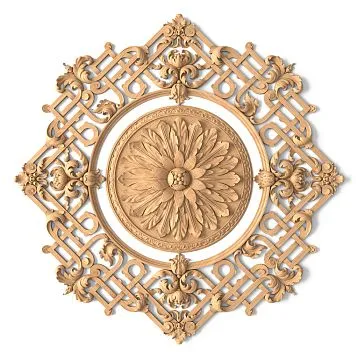
Our factory also produces:


Wooden strips - tactility and warmth
Natural wood brings to the interior what synthetic materials cannot imitate - natural warmth, organic quality, liveliness. Eachcladding with wooden stripsis unique - natural grain patterns, wood grain direction, color variations make each strip individual. This natural variability creates visual richness unattainable by homogeneous synthetics.
The tactility of wood creates a special interaction with space. Touching a smoothly sanded wooden strip is pleasant - the material is warm, responsive, pleasant to the skin. Brushed surface with emphasized relief of annual rings creates an expressive texture. This tactile dimension enriches the perception of the interior.
The scent of wood, especially coniferous species, creates an atmosphere. Fresh resinous aroma of pine calms the nervous system. Subtle aroma of oak creates a sense of solidity. Cedar possesses healing phytoncides that purify the air. These aromas connect the home with nature on a subconscious level.
Acoustic properties of wood improve the sound environment of a room. Lattice structures with gaps between strips partially absorb sound, especially high frequencies. Diffusive properties of textured surfaces eliminate echoes. A room with wooden strips has more comfortable acoustics than one with smooth hard walls.
Wood species create different visual and color effects. Oak with expressive coarse-grained texture and noble brown tones forms a sense of status. Ash with contrasting light annual rings creates graphic effect. Walnut with noble brown-purple tones adds luxury. Pine with light honey-colored tone creates warmth.
The cross-section of strips determines their visual character. Thin strips 20x30 mm create a delicate, almost graphic texture. Medium strips 30x50 mm are universal, suitable for most projects. Heavy strips 50x80 mm form a brutal character, suitable for large spaces and industrial aesthetics.
The spacing between strips affects visual density. Dense placement with 30-50 mm spacing creates almost continuous surface with fine shadow lines. Medium spacing 60-100 mm forms a balanced structure. Wide spacing 120-200 mm creates a sparse composition with deep shadows.
The direction of placement determines the visual effect. Vertical strips raise the ceiling, creating dynamism. Horizontal strips expand the wall, creating calmness. Diagonal strips at 45 degrees add activity. Combined - vertical in the center transitioning to horizontal at the edges - create complexity.
Color treatment expands the palette. Natural color under transparent oil demonstrates the beauty of the species. Staining with stains creates darker, more saturated tones - wenge, stained oak, padaisand. Painting with enamels in white, gray, black integrates strips into any color scheme. Patination creates an effect of antiquity.
Installing strips requires precision. A frame of 30x40 mm beams ensures ventilation gap between wall and strips. Strips are attached to the frame with concealed-head screws or hidden fasteners. Verticality and horizontality are controlled with a level - deviations are visible and spoil the impression.
Integration of lighting between strips creates lighting effects. LED strips are placed in gaps, creating soft diffused glow. Directional lights highlight the texture of wood. Dynamic lighting with color change transforms the latticed wall into a light panel.
Protective treatment is mandatory for longevity. Impregnation with antiseptics protects against mold and insects. Coating with oils or varnishes protects against dirt and moisture. For rooms with high humidity, thermally treated wood or moisture-resistant species - larch, teak - are used.
Get Consultation
Techniques for combining materials in one volume
Frame composition - a classic technique for combining materials. Polyurethane moldings form a rectangular frame - panel. Within the panel, the wall is finished with vertical wooden strips. The molding creates a classic frame, while the strips fill it with modern content. This technique combines tradition and contemporaneity.
Zoning the wall by materials creates visual diversity. The lower part of the wall, 90-120 cm high, is finished with horizontal planks — practical and beautiful. The middle section is decorated with molding panels, painted or wallpapered inside. The upper section is simple paint with a molding frieze. This three-part system creates a classic structure.
Alternating vertical zones creates rhythm. Narrow vertical plank panels alternate with wide molding panels. Or vice versa — wide plank zones alternate with narrow molding pilasters. This rhythm organizes the perception of an extended wall.
An accent insert of planks within a molding panel creates a focal point. A system of molding panels is formed on the wall. The central panel is filled with vertical planks, the side panels — with wallpaper or paint. The plank insert becomes the visual center of the composition.
Symmetrical composition creates grandeur. A large molding panel with plank filling is centered on the wall. On the sides — smaller panels without planks, painted. Symmetry relative to the central axis creates a classic grandeur.
Asymmetrical composition adds modernity. The plank zone is offset from the center, occupying 2/3 of the wall. The remaining third is finished with molding panels. Asymmetry creates dynamism, avoiding academic rigidity.
Layering is created by overlaying elements. The base layer — wall paint. The second layer — moldings forming panels. The third layer — wooden planks within panels. This layering creates depth, shadow relief, visual complexity.
Color coordination creates harmony. Moldings are painted to match wall color — distinguishable only by relief. Planks remain natural wood color — becoming the only color accent. Or vice versa — planks white to match moldings, walls colored. Color strategy determines what dominates.
Textural coordination uses similar surfaces. Moldings are patinated, acquiring a slightly rough texture. Planks are brushed, emphasizing the relief of annual rings. Both surfaces become textured, tactilely harmonious.
Scale correspondence ensures visual balance. Molding width 60-80 mm corresponds to plank section 30x50 mm. Both elements are perceived as proportionate. Too massive moldings with thin planks create imbalance.
Stylistic unity is ensured by profile selection. Classic moldings with scrolls combine with simple rectangular planks — contrast of classic and modern. Minimalist flat moldings harmonize with similar minimalist planks — stylistic unity.
Functional integration unites materials through shared tasks. Moldings and planks work together on zoning, structuring, creating visual order. Moldings define zone boundaries, planks fill zones with content. This functional partnership.
Variants of finishing and modern trends
Scandinavian minimalism uses minimal elements effectively. White simple-profile moldings create one or two panels on the wall. Inside panels — vertical planks of light ash or birch, painted white or left natural light. The rest of the wall — simple white paint. Minimalism, functionality, freshness.
Neo-classical elegance combines classic forms with modern execution. Classic profile moldings with scrolls create a panel system. Planks of natural oak or walnut fill central panels. Color palette is restrained — white, gray, beige, natural wood. Gilding is used delicately.
Loft eclecticism mixes industrial and classic. One wall — bare concrete or brickwork. Opposite — classic molding panels with plank filling. Contrast of rough and refined creates artistic tension. Planks of weathered wood with rough texture enhance eclecticism.
Modern classic balances tradition and current trends. Simplified moldings without excessive decoration create structure. Planks with clear lines fill panels. Colors restrained — gray, beige, natural wood. Hidden backlighting behind planks adds modernity. Result — classic, current today.
Japanese minimalism values emptiness and simplicity. Moldings are minimal — simple flat strips create one large panel occupying most of the wall. Inside — horizontal planks of dark wood with wide spacing 100-150 mm. Much empty space. Sense of Zen, meditative simplicity.
Maximalism with abundant decoration creates luxury. Multiple panels of carved baroque moldings cover the wall. Inside each panel — vertical planks of exotic species with expressive texture. Patination, gilding, complex color combinations. Result — palace opulence.
Ecological style emphasizes naturalness. Polyurethane moldings are painted in natural tones — beige, terracotta, olive. Planks from solid wood without aggressive toning, under transparent oil. Natural color palette. Connection to nature through materials and colors.
Industrial aesthetics uses contrasts. Moldings are painted in dark colors — graphite, black. Planks of metal or wood painted to match metal. Or vice versa — light moldings with rough unprocessed planks. Industrial brutality meets classic refinement.
Monochromatic composition uses one color in various shades. All elements — walls, moldings, planks — in shades of gray from light to dark. Difference is shown through texture and relief. This refined restraint requires subtle nuance sensitivity.
Color accents on neutral background create dynamism. Walls light gray, moldings white, planks painted in bright accent color — emerald, blue, terracotta. Colorful planks become visual center. Moldings frame this color accent.
Patination and aging create historicity. Moldings are covered with patina — dark in recesses, light on protrusions. Planks are artificially aged — scratches, scuffs, traces of time. New interior acquires antiquity nobility.
Integration of technology makes decor interactive. Behind plank structures hide dynamic LED panels changing color. Moldings are illuminated by hidden lights. System is controlled via smartphone. Classic decor becomes technological.
Questions and answers
Can polyurethane moldings be combined with wooden planks in one room?
Not only can, but this is one of modern design trends. Moldings create classic structure — panels, frames. Planks add modern dynamism and natural warmth. Key to success — color unity (e.g., all white or natural wood with white polyurethane) and proportional correspondence of elements. STAVROS designers help find harmonious balance.
Which wood species are best for planks in combination with moldings?
For classic interiors, suitable are noble species — oak, ash, walnut. Their expressive texture harmonizes with classic moldings. For Scandinavian — light species: pine, birch, ash. For modern — any, but often painted in neutral colors. Avoid exotic species with aggressive texture in classic interiors — style dissonance.
How to determine correct proportions of moldings and planks?
Molding width is usually 60-100 mm for standard rooms. Plank section 30x50 mm or 40x60 mm for scale correspondence. Moldings and planks should be visually proportional — no element should overpower another. Ceiling height, wall area influence choice. In small rooms — more delicate elements, in large — scaled elements.
How much does it cost to decorate a wall with moldings and planks?
It depends on the area, complexity, and materials. Estimated cost for a 3x2.5 meter wall: moldings 15-20 linear meters at 300-600 rubles = 4500-12000 rubles. Planks 30-40 linear meters at 150-400 rubles = 4500-16000 rubles. Frame, fasteners, installation = 10000-20000 rubles. Total 19000-48000 rubles per wall. More expensive than standard painting by 3-5 times, but the result is incomparable in expressiveness.
Can this combination be used in wet areas?
It can, with reservations. Polyurethane moldings are completely moisture-resistant — ideal for bathrooms and kitchens. Wooden planks require protection. Use moisture-resistant species (larch, teak) or thermally treated wood. High-quality oil-based impregnation for wet areas is mandatory. Avoid direct contact with water. With proper protection, wood can last decades in humid conditions.
How to care for such a wall?
Care is simple: periodically wipe with a dry or slightly damp cloth. Moldings are low-maintenance — just wiping. Wooden planks may require special wood treatments if needed. Avoid aggressive cleaning agents. If planks are coated with oil, it’s advisable to renew the coating every 2-3 years. Overall, care is no more complicated than for ordinary walls.
Does such decoration visually reduce the size of the room?
No, if properly designed. Vertical planks visually raise the ceiling. Light colors expand the space. Rhythmic structure organizes perception without overloading. Mistakes: overly massive elements in small rooms, dark colors, excessive decor. Professional design from STAVROS considers room scale, ensuring optimal proportions.
How long does it take to install such a wall?
For a standard 3x2.5 meter wall: surface preparation — 1 day, installing frame for planks — 1 day, installing moldings — 1 day, installing planks — 1-2 days, finishing (joint spackling, painting) — 1-2 days. Total 5-7 working days for one wall. A crew of 2-3 people can complete the work faster. Complexity and accessibility of the area affect the timeline.
Can it be done independently, or are professionals needed?
Technically possible for someone with skills. Installing moldings requires precise 45-degree angle cuts and even gluing. Installing planks requires an accurate frame and control of vertical/horizontal alignment. Without experience, there’s a high risk of poor results — crooked lines, loose joints, misalignment. Professional installation from STAVROS guarantees perfect quality. However, enthusiasts can manage with video instructions and patience.
Will this solution become outdated in a few years?
It does not become outdated with classic execution. Moldings are elements of classical architecture with centuries of history. Wooden planks are natural materials outside fast-changing trends. Their combination creates a style of modern classicism, not tied to fleeting trends. Avoid extremely trendy colors or forms. Choose classic proportions, neutral colors, quality materials — such an interior remains relevant for decades.
The wall becomes a work of art
Combinationof polyurethane moldingsandwooden stripsContrast of materials enriches perception. The flawless smoothness of polyurethane highlights the natural organic quality of wood. The manufactured precision of cast forms contrasts with the individuality of each wooden plank. The cold whiteness of polyurethane tones down the warmth of natural wood tones. These contrasts do not conflict — they create a dialogue between materials.
Verticals and horizontals organize space. Vertical planks raise the ceiling, creating dynamism. Horizontal moldings structure the wall, creating a classic order. Their interaction forms a geometric grid, organizing perception. Proportions, rhythm, scale — all are tools for creating visual harmony.
Verticals and horizontals organize space. Vertical rails raise the ceiling, creating dynamism. Horizontal moldings structure the wall, creating a classic order. Their interaction forms a geometric grid that organizes perception. Proportions, rhythm, scale — all are tools for creating visual harmony.
Techniques for combining materials are diverse. Framing composition uses moldings as framing for plank inserts. Zoning divides the wall by height or width between materials. Alternation creates a rhythmic structure. Layering forms depth. Each technique creates its own visual effect.
Stylistic flexibility allows projects from Scandinavian minimalism to Baroque opulence. A restrained combination of simple moldings and white planks creates a Nordic aesthetic. Ornate moldings with exotic wood planks form luxury. Balance between elements determines the style.
Functionality of the combination is no less important than aesthetics. Moldings hide wall irregularities and surface junctions. Planks mask utilities, create lighting frames, improve acoustics. Decorative elements solve practical problems — beauty and function are unified.
Longevity of quality materials guarantees relevance for decades. Polyurethane moldings do not age, do not deform, retain their original appearance. Wooden planks from hardwoods last centuries with proper care. This is an investment in long-term quality.
Economic efficiency is achieved through material balance. Selective use of expensive wood in accent zones creates a sense of prestige. Affordable polyurethane covers other decorative needs. Reasonable budget distribution allows creating expressive interiors.
Individuality of the result is guaranteed by the uniqueness of each project. Combinations of profiles, colors, and joining techniques are infinite. Natural variability of wood makes each plank wall unique. A home with such an interior has character, unlike typical projects.
Company STAVROS offers a full spectrum of solutions for creating wall artworks.Moldings made of polyurethaneHundreds of profiles, from minimalist to carved.Wooden planksFrom oak, ash, walnut, and pine in various cross-sections. From consultation and 3D visualization to material delivery and professional installation. Experience from hundreds of completed projects, understanding of proportions, sense of style — the foundation for creating spaces where walls cease to be mere boundaries and become art.