Article Contents:
- Philosophy of Modern Interior Design with Decorative Planks
- Aesthetic Principles of Applying Decorative Planks
- Material Science: Choosing Wood for Decorative Planks
- Advantages of Different Wood Species
- Technological aspects of production
- Design Solutions: From Classic to Avant-Garde
- Scandinavian minimalism
- Loft: industrial aesthetics
- Modern classicism
- Installation Technology: Secrets of Professional Mounting
- Preparation stage
- Mounting methods
- Interior Solutions for Various Rooms
- Living Room: The Center of Home Universe
- Bedroom: oasis of peace
- Kitchen: Functionality and Beauty
- Entryway: First Impression
- Color Solutions and Finishing
- Natural Beauty of Wood
- Modern Coating Systems
- Lighting and Decorative Planks: Synergy of Functionality and Beauty
- Types of Integrated Lighting
- Lighting Scene Management
- Combination with Other Interior Elements
- Harmony with Floor Coverings
- Furniture and Decorative Planks
- Care and Maintenance Features
- Protection from External Influences
- Regular Maintenance
- Economic Aspects of Applying Decorative Planks
- Price-to-Quality Ratio
- Long-term benefit
- Modern Trends and the Future of Decorative Planks
- Ecological sustainability and development
- Integration with smart technologies
- Conclusion: The Art of Creating Space
- Frequently Asked Questions
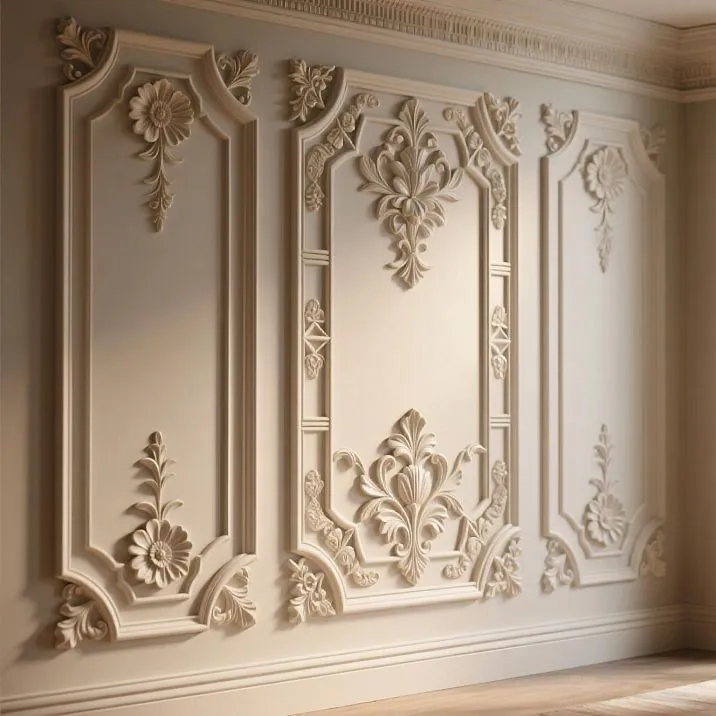
Modern interior design is undergoing a true revolution in its approach to natural materials. Against the backdrop of universal striving for eco-friendliness and coziness,decorative wall plankbecomes the main tool for creating expressive and functional spaces. This decorative element can radically change the perception of a room, introducing rhythm and dynamism into the most rigid interiors.
What makes decorative wall planks so popular among designers and homeowners? The answer lies in their versatility and ability to solve multiple tasks simultaneously. From visual zoning of space to creating accent walls – the possibilities of applyingdecorative wall planksare impressive in their variety.


Philosophy of Modern Interior Design with Decorative Planks
In the era of minimalism and functionalitydecorative plankit becomes the element that adds soul to the space. It does not merely decorate walls – it tells a story, creates an atmosphere, and shapes the character of the room.
Psychology of spatial perception suggests that vertical lines visually increase ceiling height, while horizontal lines expand the room.Decorative wooden stripallows masterfully playing with these optical illusions, creating an illusion of greater space where it is insufficient.




Aesthetic principles of applying decorative planks
proper use ofdecorative planks in interioris based on understanding the basic principles of composition. Rhythm, proportions, contrast – all these elements must work in harmony.
Rhythmic organization of space using planks creates a musical quality in the interior. Even alternation of planks and gaps between them forms a calm, measured rhythm, suitable for relaxation zones. Increasing or decreasing rhythm adds dynamism and energy, which is especially effective in public areas of the home.
Proportionality is a key aspect of successful design. The width of the planks should correspond to the size of the room and ceiling height. In compact spaces, thinframe profiles, in spacious rooms, one can use more substantial elements.
Our factory also produces:


Wood Science: Choosing Wood for Decorative Planks
The quality of the final result directly depends on the correct choice of material.Decorative MDF railsrepresent a modern alternative to solid wood, combining accessibility with high performance characteristics.
Get Consultation
Advantages of Different Wood Species
Oak remains a classic choice for creating decorative elements. Its dense structure, expressive grain, and natural durability make it ideal for manufacturingdecorative planks to buywhich will serve for decades.
Spruce and pine attract with their accessibility and ease of processing. The soft wood of coniferous species is excellent for staining and painting, offering unlimited possibilities for color solutions.
Beech, with its uniform structure and neutral tone, becomes a universal solution for modern interiors. It looks equally well in its natural form or after various types of processing.
Technological aspects of production
Modern technologies allow creatingdecorative plank panelswith perfect geometry and flawless surface. The process begins with careful selection of raw material, proceeds through drying, calibration, and final finishing stages.
Drying wood is a critically important stage, determining the stability of the finished product. Properly dried wood does not deform over time, does not crack, and maintains its dimensions unchanged.
Calibration ensures dimensional accuracy, which is especially important when creating rhythmic compositions. Even minor deviations in thickness or width can disrupt the harmony of the entire structure.
Design solutions: from classic to avant-garde
Applicationdecorative planks for walls to buywhich can be applied in various stylistic directions, requires understanding the specifics of each style and the ability to adapt solutions to specific tasks.
Scandinavian minimalism
Scandinavian style, with its cult of simplicity and functionality, finds in decorative planks an ideal partner. Light-colored wood such as spruce or birch, treated with transparent finishes, creates a sense of lightness and naturalness.
The characteristic use of white color in Scandinavian design harmonizes beautifully with the natural texture of wood.White decorative plankbecomes a link between modern technologies and natural materials.
Loft: industrial aesthetics
Loft style, with its deliberate roughness and open communication, may seem incompatible with wooden decorative elements. However, properly selectedwall decorative plankscan soften industrial rigidity and bring warmth to a cold space.
Dark wood with pronounced texture, possibly artificially aged, harmoniously fits into the loft aesthetic. The contrast between the smoothness of metal and the naturalness of wood creates an interesting play of textures.
Modern classic
Classic style in a modern interpretation requires a delicate approach to decorative elements.Narrow profile framecan create an elegant lathwork structure on walls, reminiscent of traditional English interiors.
Symmetry and proportionality are key principles of classic design. Decorative rails should create a clear geometric structure, highlighting the architectural features of the room.
Installation technology: secrets of professional mounting
QualityMounting decorative beamsis an art requiring not only technical skills but also an understanding of the building's structural features. Proper preparation of the base, selection of fasteners, and adherence to the technological sequence of work determine the durability and aesthetic quality of the result.
Preparation Stage
Preparing walls for installing decorative rails begins with a thorough analysis of the surface condition. Irregularities, cracks, and traces of old finishes must be removed before starting the main work.
Wall leveling is a critically important stage. Even minor deviations from flatness can lead to uneven gaps between rails, disrupting the overall harmony of the composition. Using high-quality putty compounds and primers ensures reliable adhesion to the base.
Marking is the foundation of future success. Precise measurements, use of a laser level and chalk lines allow creating an ideally flat grid for installingdecorative rails for zoning.
Methods of mounting
The choice of mounting method depends on the wall material, weight of the rails, and expected loads. For lightweight MDF rails, adhesive bonding with additional fixation using finish nails is sufficient. Heavy wooden elements require more secure mounting using screws and anchors.
Hidden mounting provides the best aesthetic result. Special clamps and hidden mounting systems allow installing rails without visible fasteners.
Adhesive bonding is suitable for smooth, well-prepared surfaces. Modern polyurethane adhesives provide strong and durable bonding with most base materials.
Interior solutions for various rooms
Each room in the house has its own characteristics and requires an individual approach to applying decorative rails. The choice of material, size, and placement method of elements depends on the room's functional purpose.
Living room: the center of home universe
The living room is the heart of the home, the place where the whole family gathers and receives guests.decorative strips in interior design of a living roomshould create an atmosphere of comfort and elegance simultaneously.
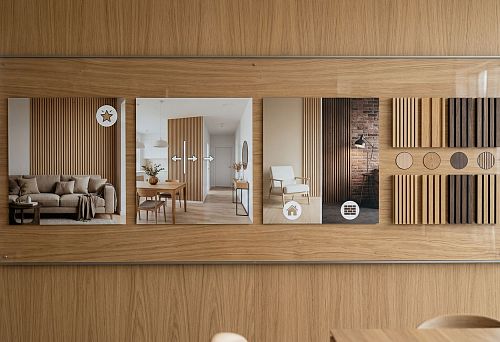
Accent wall behind the sofa or TV – a classic solution for the living room. Vertical rails visually increase ceiling height, creating a sense of grandeur in the space. Built-in lighting between the rails adds intimacy and creates soft ambient lighting.
Zoning an open space usingdecorative partition made of railsallows visually separating the relaxation zone from the workspace or dining area, while maintaining the feeling of a single space.
Bedroom: oasis of peace
The bedroom requires a special approach to decorative elements. Here, a calming atmosphere conducive to relaxation and rest is important.Decorative rails in the bedroomshould create a sense of security and comfort.
The headboard is an ideal place to apply decorative rails. Vertical placement of elements creates a sense of height and grandeur, transforming a simple bed into a central element of the interior.
Soft lighting integrated into the rail structure creates ideal conditions for reading and relaxation. Dimmable LED strips allow adjusting brightness according to the time of day and mood.
Kitchen: functionality and beauty
The kitchen is a place where functionality comes first, but this does not mean you have to sacrifice beauty.Decorative planks in the kitchenshould harmoniously match furniture and appliances, not interfere with daily activities.
A decorative plank backsplash – a bold and stylish solution. Special wood treatment with protective coatings ensures resistance to moisture and temperature fluctuations. This solution creates a warm, homey atmosphere in the functional kitchen space.
Zoning a kitchen-living room using plank structures allows visually separating the working area from the relaxation zone, while maintaining the feeling of a single space.
Entryway: first impression
The hallway is the first impression of the house, the first thing guests see upon entering.Decorative plank for the hallwayshould create a favorable first impression and set the tone for the entire interior.
The small size of most hallways requires a special approach to decoration. Vertical planks visually increase ceiling height, creating a sense of greater space. Light wood tones reflect light, making the room brighter and more spacious.
Functionality in the hallway is no less important than aesthetics. Integrating hooks and shelves into the plank structure allows creating a stylish and convenient storage system.
Color Solutions and Final Finish
The color of decorative planks determines not only their appearance but also the overall perception of the interior. From natural wood tones to bright accent colors – the choice is vast and depends on the overall design concept.
Natural beauty of wood
Natural wood tones remain the most popular choice for decorative planks.Decorative oak plankWith its noble pattern and warm tone, it creates a sense of luxury and solidity.
Transparent varnishes and oils highlight the natural beauty of wood, preserving its texture and pattern. Various gloss levels – from matte to high-gloss – allow creating different effects and moods.
Wood staining opens additional design possibilities. Stains and tinting agents allow changing the color of wood while preserving its natural texture.
Modern coloring systems
Painting decorative planks opens boundless opportunities for creativity.Decorative plank blackcreates a strict, modern look, ideally suited for minimalist interiors.
White color remains a classic choice for decorative elements. It is universal, visually expands space, and serves as an ideal background for other interior elements.
Accent colors allow creating bright, memorable compositions. A properly chosen color can radically change the perception of space, making it more energetic or, conversely, calming.
Lighting and decorative planks: a symbiosis of functionality and beauty
Combining decorative planks with lighting systems opens new horizons in interior design.Decorative planks with backlightingcreate unique lighting effects, transforming an ordinary wall into a work of art.
Types of integrated lighting
LED strips are the most popular solution for backlighting plank structures. Their flexibility, low energy consumption, and durability make them an ideal choice for integration into decorative elements.
Spotlights embedded between planks create a rhythmic light pattern. This solution is especially effective when combined with smart home systems, allowing programming various lighting scenes.
Hidden lighting creates an effect of floating planks. Light emanating from behind the structure softly illuminates the wall, creating a cozy and intimate atmosphere.
Lighting scene control
Modern lighting control systems allow you to create various moods with a single button press. Morning awakening, workday, evening relaxation – each part of the day can have its own unique lighting scenario.
Dimming allows smoothly adjusting the brightness of lighting, creating comfortable conditions for various activities. From bright work lighting to intimate evening light – the possibilities are limitless.
Color lighting adds an additional dimension to design. RGB strips allow creating any color effects, from soft pastel tones to bright festive compositions.
Combination with other interior elements
Decorative slats do not exist in a vacuum – they must harmoniously blend with other interior elements. Furniture, textiles, flooring – all of this affects the perception of slat structures.
Harmony with floor coverings
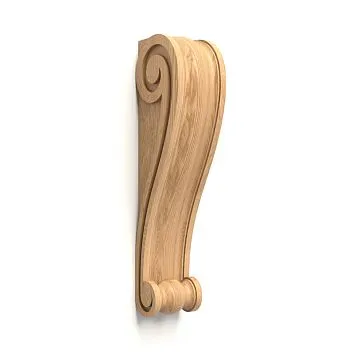
The connection between walls and floor – an important aspect of interior design.with a classic profile creates a sense of solidity, reliability.can become a connecting element between decorative slats on walls and flooring.
Combining different wood species requires a delicate approach. Contrasting combinations create dynamic, energetic interiors, while similar-toned materials form a calm, soothing atmosphere.
wooden skirting board purchaseshould be used together with decorative slats – this ensures material and finish unity, creating a cohesive interior image.
Furniture and decorative slats
The interaction between furniture and slat structures can be either harmonious or contrasting.wooden baseboardmade of the same wood species as furniture creates a sense of unity and wholeness in the interior.
Built-in furniture integrated into slat structures creates a unified spatial solution. Shelves, niches, storage systems become part of the room’s architecture.
Contrasting combinations of furniture and decorative elements can create interesting visual effects. Dark furniture against light slats or vice versa – such solutions add depth and character to the interior.
Care and Usage Characteristics
The durability and beauty of decorative slats depend not only on material quality and installation, but also on proper maintenance. Wood is a living material that requires attention and care.
Protection from external influences
Humidity is the main enemy of wooden decorative elements. Proper treatment with protective coatings creates a reliable barrier against moisture, preventing deformation and cracking.
Ultraviolet radiation can change the color of wood over time. Special UV filters in varnishes and stains protect wood from fading, preserving its original color for many years.
Mechanical damage – scratches, chips, dents – can ruin the appearance of decorative slats. Using hardwoods and quality protective coatings minimizes the risk of such damage.
Regular Maintenance
Regular cleaning of decorative slats maintains their original appearance. A soft dry cloth removes dust and light dirt. For more serious cleaning, a slightly damp cloth and specialized wood care products can be used.
Periodic renewal of protective coating extends the service life of decorative elements. Depending on usage conditions, this may be required every few years.
Controlling humidity in the room prevents wood deformation. The optimal humidity for wooden structures is 40-60%.
Economic aspects of using decorative slats
Using decorative slats is an investment in the beauty and comfort of your home. Proper planning and material selection allow achieving maximum effect at optimal cost.
Price-to-quality ratio
Price of decorative slatsdepends on many factors: wood species, processing complexity, dimensions, quantity. Solid oak will cost more than pine, but will also last significantly longer.
MDF slats represent a compromise between price and quality. They are cheaper than solid wood, but have sufficient strength and beauty for most interior tasks.
Saving on material quality may result in additional expenses in the future. Low-quality, cheap slats quickly lose their appearance and require replacement or repair.
Long-term benefit
Quality decorative slats are a long-term investment. With proper care, they can last for decades, maintaining their beauty and functionality.
The versatility of decorative slats allows their use in various renovations and reconfigurations. This makes their purchase especially cost-effective from an economic standpoint.
Increased property value is another argument in favor of using quality decorative elements. A stylish, thoughtfully designed interior increases the market value of the property.
Modern trends and the future of decorative slats
The world of interior design is constantly evolving, with new trends and technologies emerging. Decorative planks are not left behind in this process, adapting to modern requirements and possibilities.
Ecological Sustainability
Environmental responsibility is becoming an increasingly important factor when selecting materials for interior design. Using wood from sustainable sources, certified under FSC standards, is becoming standard practice.
Recycling and reusing materials is another important trend. Old wooden structures can be given a new life as decorative planks, reducing environmental impact.
Water-based biodegradable protective coatings replace traditional lacquers and paints based on organic solvents, making decorative elements more eco-friendly.
Integration with smart technologies
Smart homes are a reality today. Decorative planks integrate with automation systems, sensors, and security systems. Built-in motion sensors can automatically turn on lighting when a person appears.
Changing lighting scenarios synchronized with human circadian rhythms create optimal conditions for living and working. Morning awakening with gradual brightness increase, evening relaxation with warm light — all of this is now possible.
Interactive surfaces are another direction of development. Planks with built-in touch elements can respond to touch, changing lighting or activating various devices.
Conclusion: the art of creating space
decorative wall plankIt is not just a decorative element, but a tool for creating space, an instrument of expressing individuality, a tool for creating a dream home. It combines functionality and beauty, tradition and innovation, natural beauty and human craftsmanship.
In a world where standardization and mass production often strip interiors of individuality, decorative planks offer the opportunity to create a unique, irreplaceable space. Each plank, each wood grain pattern, each play of light and shadow creates an incomparable atmosphere in the home.
For many years, the company STAVROS has specialized in creating high-quality decorative elements from natural wood. Combining traditional wood processing technologies with modern equipment allows the creation of products that meet the highest standards of quality and aesthetics. Each item is the result of meticulous work by craftsmen who understand the beauty and characteristics of wood.
Choosing STAVROS decorative planks means choosing not just a material for finishing — you are choosing a philosophy of quality, beauty, and durability. This is an investment in the comfort and aesthetics of your home, which will delight you for many years.
Frequently asked questions
How to correctly calculate the number of decorative planks for a room?
Calculating the number of planks depends on the wall area, plank width, and spacing between them. Standard formula: (wall width ÷ (plank width + spacing between planks)) × wall height. Add 10-15% to the result for cuts and possible errors. It is recommended to create a detailed drawing indicating all dimensions.
Can decorative planks be used in humid rooms?
Yes, but only if the wood is specially treated with water-resistant compounds. For bathrooms and saunas, it is better to choose planks made from moisture-resistant wood species (teak, larch) or use special composite materials. Adequate ventilation of the room is mandatory.
What distance between planks is considered optimal?
The optimal distance depends on plank width and overall design. For planks 20-30 mm wide, a spacing of 15-25 mm creates a harmonious rhythm. For wide planks (50+ mm), spacing can be increased to 30-50 mm. It is important to maintain proportionality and uniformity across the entire surface.
How to care for decorative planks made of natural wood?
Regularly wipe the surface with a dry, soft cloth to remove dust. Once a month, you can use a slightly damp cloth. Avoid aggressive cleaning agents. Every 2-3 years, renew the protective coating with specialized wood treatments. Maintain indoor humidity levels between 40-60%.
Can decorative planks be mounted on uneven walls?
Minor irregularities (up to 3-5 mm) can be compensated with shims or adjustable brackets. For significant unevenness, it is recommended to pre-level the walls with plaster or drywall. The quality of the base preparation directly affects the appearance of the finished structure.
What advantages do MDF planks have over solid wood?
MDF planks are more dimensionally stable, do not crack, and have uniform density throughout their length. They are cheaper than solid wood and easier to process. However, they are less durable and lack natural wood grain texture. The choice depends on budget and requirements for appearance.
How to properly cut decorative planks?
Use a circular saw with fine teeth for a clean cut without chipping. If you don't have specialized tools, you can use a hand saw with a guide. Cover the cut area with painter's tape before cutting to prevent chipping. Always cut with a small allowance for subsequent fitting.
Is it possible to combine planks of different colors in one room?
Yes, contrasting combinations can create interesting design effects. The key is to maintain overall style and proportions. It is recommended to use no more than 2-3 colors and create a clear rhythm in their alternation. Natural wood tones combined with white or black look great.