Article Contents:
- Circadian rhythms and wooden surfaces
- Psychological comfort
- Architecture of comfort: planning the bedroom space
- Ergonomic principles of furniture placement
- Lighting scenarios and wooden furniture
- Wood species: characteristics and purpose
- Oak — the royal choice for the bedroom
- Spruce — northern freshness in interior design
- Birch — Scandinavian elegance
- Furniture solutions: every item matters
- Walnut — aristocratic luxury
- Bio-tech: Organic forms of the future
- Classic Luxury
- Scandinavian minimalism
- Eco-style and biophilic design
- Modern eclecticism
- Bed — the central element of the bedroom
- Nightstands — functionality in details
- Commode and storage systems
- Closets and wardrobe systems
- Modern wood finishing
- Technological aspects of production
- Joinery and fastening systems
- Microclimate of the bedroom: wood as a natural regulator
- Final Finishing and Protective Coatings
- Humidity balance
- Thermal regulation and energy efficiency
- Color psychology in wooden bedroom
- Influence of shades on sleep quality
- Combining with textiles and decor
- Lighting in wooden bedroom
- Natural lighting and UV protection
- Artificial lighting and lighting scenarios
- Acoustic properties of wooden bedroom
- Sound absorption and insulation
- Sound absorption and insulation
- Resonance Properties
- Care and Maintenance of Wooden Bedrooms
- Daily care
- Seasonal maintenance
- Protection against damage
- Ecological aspects and sustainable development
- Certified wood
- Durability as an ecological value
- Economic Aspects of Investing in Quality
- Ownership cost
- Impact on property value
- Modern Trends and the Future of Wooden Bedrooms
- Integration of smart technologies
- Personalization and individual approach
- Ecological innovations
- Conclusion: Investment in Healthy Sleep and Quality of Life
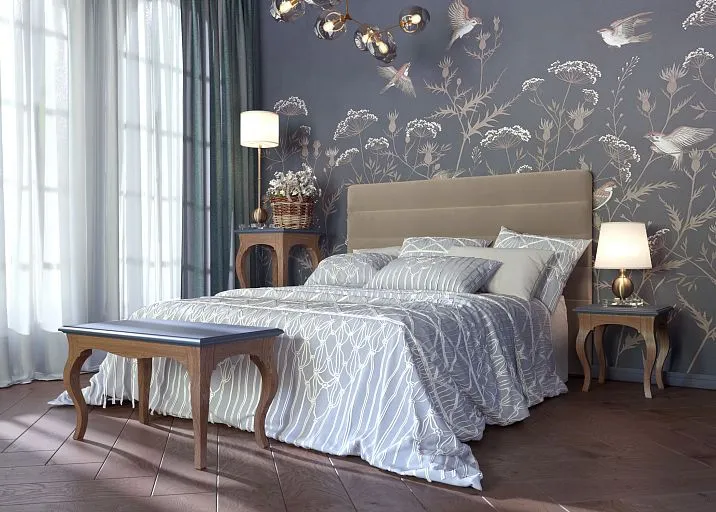
Is there any more intimate space in the world than a bedroom? A place where we begin and end each day, where we restore our strength and immerse ourselves in the world of dreams. That is why the choice of materials for this sacred corner of the home requires special care. Wooden Bedroom It is not just a design choice, but a philosophy of healthy sleep, an eco-friendly lifestyle, and harmony with nature.
In the age of synthetic materials and artificial coatings, natural wood remains an oasis of authenticity. Each wood fiber breathes centuries of history, each texture pattern is unique, like a fingerprint of time. When you sleep surrounded by wooden surfaces, you return to the roots of human existence — to the time when people lived in harmony with nature.


Biology of Sleep and the Influence of Natural Materials




Circadian Rhythms and Wooden Surfaces
The human body is finely tuned to natural cycles. Our ancestors for millennia slept in wooden dwellings, and this connection is ingrained at the genetic level. Natural wood emits special phytoncides — biologically active substances that have a calming effect on the nervous system.
Modern sleep research confirms: people sleeping in rooms with wooden finishes fall asleep, on average, 7-10 minutes faster. Their deep sleep phase lasts longer, contributing to more complete body recovery. Wood creates a special microclimate, regulating humidity and maintaining optimal temperature.
Our factory also produces:


Psychological and Emotional Comfort
The color palette of natural wood — from gentle honey tones to deep chocolate shades — creates visual calm. These natural tones do not stimulate the nervous system but instead promote relaxation. Warm wood tones stimulate the production of melatonin — the sleep hormone.
Tactile sensations also play an important role. Touching wooden surfaces — headboard, nightstand, dresser — activates tactile receptors and reduces cortisol levels, the stress hormone. This creates a chain reaction of relaxation, preparing the body for sleep.
Get Consultation
Architecture of Comfort: Planning the Bedroom Space
Ergonomic Principles of Furniture Placement
Creating the ideal bedroom begins with understanding ergonomic principles. The bed should be positioned so that at least 70 centimeters of free space remains on both sides. This ensures comfortable access to the sleeping area and creates a sense of spaciousness.
The height of the sleeping surface should be optimally 50-60 centimeters from the floor — this allows easy sitting and standing without placing strain on joints. A wooden bed with these parameters provides not only aesthetic pleasure but also functional comfort for many years.
Lighting Scenarios and Wooden Furniture
Natural wood has a unique ability to interact with light. Morning sunlight gliding across the surface of an oak nightstand creates a play of shadows and highlights. Evening light from a floor lamp reflecting off the polished walnut surface of a dresser fills the room with warmth and coziness.
It is important to consider the direction of wood grain when planning lighting. Longitudinal grains create linear highlights, while transverse grains produce diffused illumination. An experienced designer uses these features to create the desired atmosphere at different times of day.
Wood Species: Character and Purpose
Oak — The Royal Choice for Bedrooms
An oak bedroom is a manifestation of strength, stability, and longevity. The dense wood structure (up to 700 kg/m³) ensures exceptional furniture durability. High content of tannins provides natural antibacterial protection, which is especially important for sleeping areas.
The color palette of oak ranges from light golden to rich brown tones. Thermal treatment allows achieving deep chocolate and even black shades. The characteristic coarse texture with prominent growth rings creates a majestic decorative effect that never gets old.
Spruce — Northern Freshness in the Interior
A spruce bedroom offers the feeling of a pine forest. Light wood with characteristic resin inclusions creates an atmosphere of purity and naturalness. Natural resins release phytoncides that purify the air and have a mild sedative effect.
The softness of spruce wood allows creating furniture with delicate carving and refined decorative elements. At the same time, proper treatment with antiseptics and quality finishes ensure the longevity of the items.
Birch — Scandinavian elegance
Birch wood embodies the aesthetics of northern minimalism. Its uniform structure with fine pores creates a smooth, silky surface. The light, almost white color of birch visually expands space and fills the room with light.
Birch is easily stained, allowing for various color effects. From natural light tones to imitating more expensive species — the possibilities are virtually limitless.
Walnut — aristocratic luxury
Walnut bedroom — the choice of true connoisseurs of luxury. A rich color palette ranging from light brown to deep chocolate tones creates an atmosphere of nobility. Wavy wood grain forms unique decorative patterns.
Walnut has natural resistance to humidity and temperature fluctuations, making it ideal for bedrooms. Dimensional stability ensures furniture longevity without warping or cracking.
Stylistic Directions: From Classic to Avant-Garde
Classic Luxury
Classic bedroom made of solid natural wood — it embodies eternal principles of beauty and harmony. Strict proportions based on the golden ratio create a sense of perfection. Symmetry in furniture placement brings a feeling of calm and stability.
Carved elements add elegance. Cornices with finely detailed work, turned bed legs, three-dimensional cabinet panels — every detail speaks to the craftsmanship of the creators. Patina enhances the depth of carving, creating a sense of noble antiquity.
Scandinavian minimalism
Scandinavian design philosophy brought the world the concept of 'lagom' — sufficiency in everything. A Scandinavian bedroom made of natural wood embodies this idea in every detail. Simple forms, light tones, absence of excess create an atmosphere of calm.
Functionality above decoration — the main principle of the style. Every piece of furniture should have a practical purpose. Hidden storage systems, multifunctional furniture, thoughtful ergonomics — all serve comfort without compromising aesthetics.
Eco-style and biophilic design
The current trend toward eco-friendliness gives rise to new approaches to bedroom design. Eco-style implies maximum preservation of the natural beauty of wood. Minimal processing, natural finishes, retaining natural imperfections as decorative elements.
Biophilic design goes even further, including live plants, natural textures, organic forms. Wooden furniture becomes the foundation for creating a green oasis in the bedroom.
Modern Eclecticism
Current design trends allow bold experiments with material combinations. Wood combines beautifully with metal, creating interesting contrasts. Glass elements add lightness, textiles — coziness.
LED lighting integrated into wooden structures creates striking light accents. Asymmetric compositions, unconventional shapes, play of scales — modern style opens up boundless opportunities for creativity.
Furniture solutions: every item matters
Bed — the central element of the bedroom
A wooden bed is not just a place to sleep, it is an altar of rest. A massive headboard made of oak or walnut creates a sense of security and stability. Carved elements add individuality, but moderation is important — excessive ornamentation may hinder relaxation.
The headboard height should be sufficient for comfortable reading in bed — usually 120-140 centimeters from the floor. Side rails of the bed provide mattress support and create a finished look of the structure.
Nightstands — functionality in details
Nightstands are small helpers for big rest. They should be sufficiently spacious for necessary small items, but not clutter the space. A nightstand height 5-10 centimeters below the mattress level ensures convenient access.
Drawers with soft-close systems eliminate loud noises at night. Built-in lighting or cable holes for charging devices add modern functionality.
Commodes and storage systems
A wooden commode in the bedroom is not only a place to store linens, but also an additional horizontal surface. You can place a mirror, lamp, decorative items on it. The top lid should be strong enough to withstand the load.
Internal organization of drawers is no less important than external appearance. Dividers, organizers, soft-close systems — all these details affect usability.
Cabinets and wardrobe systems
A wardrobe in the bedroom should be maximally functional and minimally noticeable. Large mirrored surfaces visually expand space, but may interfere with relaxation. Matte or tinted glass — a compromise solution.
The internal filling of the wardrobe is planned according to the owners' wardrobe. Rods for hanging clothes, shelves for folded items, pull-out drawers for linens — every centimeter should be used rationally.
Technological aspects of production
Modern wood processing
The quality of bedroom furniture is established at the raw material preparation stage. Kiln-drying of wood — a high-tech process requiring precise parameter control. The moisture content of the finished material should not exceed 8-10%, which eliminates subsequent deformations.
Wood stabilization includes not only moisture removal but also relieving internal stresses. Special processing modes preserve all valuable properties of natural material while simultaneously enhancing its characteristics.
Joinery and fastening systems
The strength of wooden furniture largely depends on the quality of joints. Traditional methods — mortise and tenon, dovetail, dowel joints — provide maximum reliability. Modern routers allow creating joints with precision down to tenths of a millimeter.
Using high-quality adhesives enhances joint strength. Modern adhesives create bonds that are often stronger than the wood itself. Drying time, water resistance, and eco-friendliness — all these parameters are considered when selecting an adhesive system.
Final finishing and protective coatings
The choice of finish determines not only the appearance but also the longevity of furniture. For a bedroom, the eco-friendliness of finishes is especially important. Natural oils and waxes do not emit harmful substances and preserve the wood's ability to "breathe".
Polyurethane varnishes create a durable protective film, but it is important to choose formulations with low volatile organic compound content. Modern water-based varnishes are practically harmless and provide excellent protection.
Bedroom microclimate: wood as a natural regulator
Humidity balance
Natural wood continues to "live" even after processing. It can absorb excess moisture from the air and release it when needed. This natural process maintains optimal bedroom humidity at 45-55%.
Different wood species have varying hygroscopicity. Pine and spruce actively interact with moisture, while oak and walnut are more stable. Knowing these characteristics allows creating an optimal microclimate in the bedroom.
Thermal regulation and energy efficiency
Wood has low thermal conductivity, making it a natural insulator. Wooden furniture does not heat up from radiators or cool down from air conditioners, maintaining a comfortable surface temperature.
This property is especially valuable in bedrooms, where temperature comfort is crucial. Touching wooden surfaces is always pleasant — it does not burn in hot summer and does not feel cold in winter.
Color psychology in a wooden bedroom
Influence of shades on sleep quality
Different wood shades affect human psychophysical state differently. Light tones — birch, maple, beech — create a sense of freshness and cleanliness. They are especially suitable for small bedrooms, where visually expanding space is important.
Dark shades — oak, walnut, wenge — promote deep relaxation and quick sleep. They create a sense of security and intimacy, which is ideal for bedrooms. However, it is important not to overdo dark tones in small rooms.
Combining with textiles and decor
Natural wood combines beautifully with various textures and materials. Cotton and linen bedding highlights the eco-friendliness of the interior. Wool blankets add coziness, while silk fabrics bring luxury.
The color of textiles should harmonize with the wood tone. Light wood pairs well with almost any color, while dark wood better matches light and neutral tones.
Lighting in a wooden bedroom
Natural lighting and UV protection
Natural wood is sensitive to ultraviolet radiation. Direct sunlight can cause fading and drying of wood. Therefore, it is important to provide protection — heavy curtains, blinds, or special UV filters on windows.
Diffused daylight, on the contrary, positively affects the perception of wooden surfaces. It highlights the natural texture and creates shadows playing on the wood's relief.
Artificial lighting and lighting scenarios
Evening bedroom lighting should promote relaxation. Warm light (2700-3000K) is better than cool light, as it does not suppress melatonin production. Wooden surfaces beautifully reflect warm light, creating a cozy atmosphere.
Multi-level lighting allows creating various lighting scenarios. Central lighting for cleaning, local lighting for reading, dimmed lighting for relaxation — each situation requires its own solution.
Acoustic properties of a wooden bedroom
Sound absorption and isolation
Natural wood has excellent acoustic properties. The porous structure of wood absorbs sound waves, reducing noise levels in the bedroom. This is especially important in urban conditions, where external noise can disturb sleep.
Different wood species have different acoustic properties. Softwoods (pine, linden) absorb high frequencies better, while hardwoods (oak, beech) absorb low frequencies. The right combination of species creates optimal acoustics.
Resonant Properties
Wood possesses unique resonant properties used in musical instruments. In a bedroom, these properties create a special acoustic atmosphere. Wooden surfaces not only absorb noise but also enhance sound, making it softer and more pleasant.
Care and Maintenance of Wooden Bedroom Furniture
Daily Care
Maintaining the beauty of wooden furniture requires regular but simple care. Daily cleaning with a soft dry cloth removes dust and prevents its accumulation in wood pores. Microfiber is especially effective — it does not scratch the surface and leaves no fibers behind.
Wet cleaning is performed using special wood furniture cleaners. It is important to avoid water getting into joints and connections — this may lead to structural deformation.
Seasonal maintenance
Seasonal changes require special attention to wooden furniture. The heating season reduces air humidity, which may cause wood to dry out. Using humidifiers maintains an optimal microclimate.
Periodic renewal of protective coatings extends the life of furniture. Oil-based finishes are renewed every 2-3 years, while lacquered finishes require less frequent renewal but demand professional handling during repairs.
Protection against damage
Proper placement of furniture in the bedroom prevents many problems. The distance from heating appliances should be at least 60 centimeters. Direct sunlight is harmful to most wood species.
Using coasters under glasses, protecting from sharp objects, careful handling of hardware — simple measures that will preserve the beauty of wood for decades.
Ecological aspects and sustainable development
Certified Wood
Choosing materials for the bedroom is not only about aesthetics and comfort, but also ecological responsibility. FSC certification guarantees that the wood comes from managed forests without harm to ecosystems.
Local wood species have a smaller carbon footprint due to reduced transportation costs. Russian oak, beech, and birch do not fall short of foreign analogs in quality and beauty.
Durability as an ecological value
Quality solid wood furniture lasts for decades, unlike items made from composite materials. Durability is not only an economic benefit, but also a contribution to environmental preservation.
The ability to repair and restore wooden furniture extends its lifespan. Even serious damage can often be repaired, restoring the item to its original beauty.
Economic Aspects of Investing in Quality
Ownership cost
When evaluating the cost of a wooden bedroom, it is important to consider not only the initial price but also the total expenses over the entire period of use. Quality solid wood furniture can last 30-50 years, making it a worthwhile long-term investment.
Calculating the cost of one year of use shows the economic efficiency of quality furniture. High initial costs are offset by durability and preservation of consumer properties.
Impact on property value
Wooden Bedroom significantly increases property attractiveness. Potential buyers are willing to pay extra for quality finishes and thoughtful design. The price difference may amount to 10-15% of the total property value.
For luxury real estate, this indicator is even higher. Unique designer solutions using premium wood species make the property exclusive and increase its investment appeal.
Modern Trends and the Future of Wooden Bedrooms
Integration of smart technologies
The future of wooden furniture lies in harmonious combinations of natural materials and advanced technologies. "Smart home" systems can be seamlessly integrated into wooden structures without compromising aesthetics.
Hidden lighting, built-in charging devices, climate control, security systems — all of this can be organically incorporated into the design of a wooden bedroom. Technology serves comfort without disrupting the connection to nature.
Personalization and Individual Approach
Modern consumers increasingly value uniqueness. Mass customization systems allow creating individual solutions without significant increases in production costs.
The client can choose the wood species, finish type, dimensions, and furniture configuration. 3D modeling allows seeing the result before production begins, enabling necessary adjustments.
Ecological Innovations
The development of "green" technologies also affects the furniture industry. New wood processing methods allow improving its properties without using harmful chemicals. Biodegradable coatings replace traditional synthetic materials.
Closed production cycles minimize waste. Every piece of wood finds application — from main furniture to decorative details.
Conclusion: Investment in Healthy Sleep and Quality of Life
Choosing a bedroom made of natural wood is a choice in favor of health, beauty, and harmony with nature. In a world of synthetic materials and rapidly changing trends, wooden furniture remains an island of stability and authenticity.
Every night spent surrounded by natural wood is a return to the roots, a restoration of connection with natural rhythms. Wood creates a special microclimate that promotes deep, restorative sleep.
Modern manufacturing technologies allow creating furniture that combines traditional beauty with contemporary functionality. Precise processing, eco-friendly finishes, thoughtful ergonomics — all serve one goal: to create the ideal space for rest.
The economic justification for investing in high-quality wooden furniture is obvious when planning for the long term. High initial costs are more than offset by durability, the possibility of restoration, and an increase in property value.
The ecological advantages of wooden furniture are becoming increasingly relevant. Choosing natural wood from certified sources supports sustainable forestry and cares for future generations.
The psychological impact of natural wood on humans is scientifically proven. Reduced stress, improved sleep quality, and overall health improvement — all are results of choosing the right materials for the bedroom.
STAVROS embodies the best traditions of furniture craftsmanship in every project. The combination of centuries-old experience with modern technologies, individual approach to each order, and use of only premium materials — all make STAVROS the ideal partner for creating the dream bedroom.
STAVROS masters understand: the bedroom is not just a room, it is a sanctuary of rest and recovery. Every element is created with an understanding of its role in people’s lives, with care for their health and comfort.
STAVROS philosophy is based on deep respect for natural wood and understanding of its unique properties. Each item is created as a work of art, capable of serving generations and bringing joy every day.
Choosing STAVROS means choosing not just furniture, but a philosophy of healthy lifestyle, harmony with nature, and care for loved ones. This is a partnership with professionals who turn dreams of the ideal bedroom into beautiful reality, creating spaces where sweet dreams are born and strength is restored for new achievements.