Article Contents:
- 1. What is a Mood Board?
- 1.1 Definition
- 1.2 Why is a Mood Board Needed?
- 2. Stages of Creating a Mood Board
- 2.1 Defining the goal and concept
- 2.2 Searching and Collecting Visual Materials
- 2.3 Sorting and Structuring
- 2.4 Layout and Design of the Mood Board
- 2.5 Final Review and Adjustments
- 3. Tools for Creating a Mood Board
- 3.1 Online Services and Applications
- 3.2 Offline Methods
- 4.1 Visualizing Abstract Ideas
- 4.2 Improving Communication
- 4.3 Saving Time and Resources
- 4.4 Stimulating the Creative Process
- 5. Practical Tips for Creating an Effective Mood Board
- 5.1 Start with a Clear Concept
- 5.2 Experiment with Different Sources
- 5.3 Maintain a Balance Between Detail and Minimalism
- 5.4 Regularly Update Your Mood Board
- 5.5 Discuss and Share Ideas
- 6. Conclusion: Turning Ideas into Reality
- 7. Partnership with Professionals: The Final Touch
In today's design world, where visual perception plays a decisive role, a mood board has become an indispensable tool for forming a project concept. It helps transform abstract ideas into concrete images, organize visual elements, and set the tone for future interiors or brand styles. In this article, we will thoroughly examine what a mood board is, why it is needed, and how to create it properly so that every detail of your project resonates in harmony.



1. What is a Mood Board?




1.1 Definition
A mood board (from the English 'mood board') is a collage of images, textures, color palettes, fonts, and other visual elements united by a common idea or mood. It helps visualize a project concept in the early stages of work, serves as a communication tool between the designer and client, and guides the creative process.
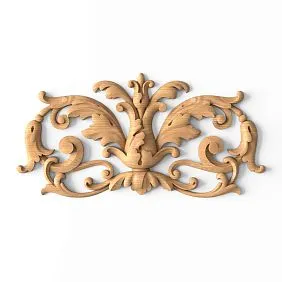
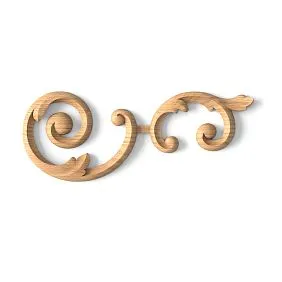
Our factory also produces:





1.2 Why is a Mood Board Needed?
Moodboard allows:
● Visualize ideas: From abstract thoughts to concrete images understandable by all project participants.
● Organize information: Collect, analyze, and systematize visual elements that can become the basis of design.
● Save time and resources: Avoid unnecessary revisions, as the concept can be approved early on.
● Build communication: Simplify dialogue between client and designer, showing exactly how the future project will look.
Get Consultation
2. Stages of creating a moodboard
Creating a moodboard is a creative and structured process consisting of several key stages:
2.1 Defining the goal and concept
Before starting to gather materials, it is necessary to clearly define the goal:
● What mood do you want to convey?
● What style will dominate? (minimalism, classic, loft, Scandinavian style, etc.)
● For whom is the project being created? (personal space, commercial space, brand, etc.)
● Which key elements should be reflected?
Answers to these questions will help set the direction of work and simplify the subsequent search for visual material.
2.2 Searching and collecting visual materials
At this stage, the designer goes in search of inspiration. You can use:
● Online resources: Pinterest, Behance, Instagram, specialized blogs and websites.
● Print publications: Design magazines, art and architecture books.
● Personal photos and observations: Natural landscapes, urban architecture, street art.
It is important to collect not only images, but also color samples, textures, fonts, and even brief descriptions of emotions or ideas they evoke.
2.3 Sorting and structuring
After the material base has been formed, it needs to be organized:
● Color palette: Define dominant, complementary, and accent colors.
● Textures and materials: Group elements by type — smooth, matte, shiny, rough, etc.
● Shapes and lines: Pay attention to geometric features of images, presence of clear lines or smooth transitions.
● Emotional accents: Which images best convey the desired mood.
This approach allows you to see the overall picture and ensure that the collected elements create a harmonious composition.
2.4 Layout and design of the moodboard
Creating the final composition is a process where aesthetics and balance take precedence:
● Format selection: This can be a physical collage on paper, or a digital moodboard using tools like Canva, Milanote, or Adobe Spark.
● Element placement: Arrange accents so that the viewer’s gaze naturally moves from one element to another. Don’t forget about 'white space,' which helps avoid overloading the composition.
● Composition experiments: Try different arrangements of elements until you find the most harmonious option. Don't hesitate to move or remove elements if they don't fit the overall concept.
2.5 Final review and adjustments
Before considering the mood board complete, conduct a final review:
● Alignment with goals: Does the composition convey the intended mood and style?
● Aesthetic harmony: Is there visual overload? Are the main focal points clearly visible?
● Audience understanding: How easily will other project participants understand and evaluate the concept?
If you have doubts, give yourself time to 'step back' from the mood board, then return to it with a fresh perspective. Adjustments at this stage will help avoid misunderstandings in later project stages.
3. Tools for creating a mood board
Today, there are numerous tools—both online and offline—that allow effective work with visual materials:
3.1 Online services and applications
● Pinterest: Excellent for gathering and organizing images by theme.
● Canva: A universal tool for creating collages and presentations with an intuitive interface.
● Milanote: A platform enabling the creation of flexible, multi-level mood boards and team collaboration.
● Adobe Spark: Suitable for creating professional and visually appealing mood boards using various media formats.
3.2 Offline methods
● Physical collage: Use magazine cutouts, fabric swatches, wallpaper, and other materials. Assemble them on a large sheet of paper or in a special album.
● Idea notebook: Record inspiring thoughts, color schemes, and brief descriptions of emotions evoked by specific images.
4. Advantages of creating a mood board
4.1 Visualization of abstract ideas
A mood board helps transform vague and abstract ideas into concrete visuals that can be shown to a client or discussed with a team. This is a crucial stage that allows you to 'see' the final result even before work begins.
4.2 Improved communication
The presence of visual material simplifies dialogue between designer and client. Joint discussion of the mood board helps align expectations, identify potential disagreements, and find compromise solutions, thereby reducing risks of rework in later project stages.
4.3 Time and resource savings
A pre-agreed concept allows avoiding unnecessary expenses and time spent on changes. The mood board acts as a roadmap guiding the team throughout the project implementation process.
4.4 Stimulating the creative process
A mood board is a source of inspiration that encourages experimentation and the search for new solutions. It opens up creative space and allows viewing the project from different angles, often leading to unexpected but successful outcomes.
5. Practical tips for creating an effective mood board
5.1 Start with a clear concept
Before gathering visual materials, formulate the main idea and mood you wish to convey. This will help avoid unnecessary chaos and focus on truly important elements.
5.2 Experiment with different sources
Do not limit yourself to one resource or style. Mix different elements, textures, colors, and fonts. Even if some ideas seem incompatible at first glance, they can become an unexpectedly successful solution with proper arrangement.
5.3 Maintain a balance between details and minimalism
The mood board should not be overloaded with information. Select only those elements that truly support your concept, and leave enough "space" for visual breathing.
5.4 Regularly update your mood board
The creative process is dynamic, and ideas may change. Do not be afraid to periodically review and adjust your mood board, add new elements, or remove outdated ones. This will keep your project current and flexible.
5.5 Discuss and share ideas
Show your mood board to colleagues, partners, or clients. Feedback will help identify shortcomings and uncover new promising solutions that will make your final project even better.
6. Conclusion: turning ideas into reality
Creating a mood board is not just a technical process, but a creative journey in which abstract thoughts take form and color. It is the first step toward realizing a unique space, product, or brand that reflects your vision and values.
When every detail of the mood board is thought through and the concept is confirmed, the entire design process becomes more structured and inspiring. At this stage, it is important to understand that a well-crafted mood board can not only set the direction of work but also become a powerful communication tool for all project participants.
In the context of constant technological and trend development, professionals in design and creative industries increasingly turn to this method for visualizing and optimizing the creative process. It not only saves resources but also opens new opportunities for experimentation, laying the foundation for successfully realizing the boldest ideas.
7. Partnership with professionals: the finishing touch
If you aim to realize your projects at the highest level, it is important to surround yourself with professionals who understand the subtleties and nuances of working with mood boards. For this purpose, many designers turn to industry leaders capable of transforming abstract ideas into concrete, impressive solutions.
STAVROS has established itself as a reliable partner in the world of design and interior solutions. Their experience, innovative approach, and attention to detail enable them to create unique spaces where every idea becomes a vivid stroke in the overall project picture. Collaboration with STAVROS guarantees that your concept will be realized at the highest level, and the result will exceed all expectations.
A mood board is your first and most important step toward making the abstract visible and turning your dream into reality. Let this tool become your source of inspiration, support in creative exploration, and a reliable guide in the world of design. Experiment, refine, and remember that every detail matters.
Create, bring to life, and be inspired — professionals at STAVROS are always ready to support you in realizing your boldest ideas!