Article Contents:
- How to combine classic and modern styles in one space
- Wood - warm base of interior
- Polyurethane - means of precise and clean finishing
- Material contrast as a design technique
- How to use moldings, trim and rosettes together
- Nuances of the STAVROS style
- Questions and Answers
- Conclusion - interior where classic sounds modern

Modern classicism is not an attempt to recreate palace interiors of the past in 21st-century city apartments. It is a new design language, where classic forms are adapted to contemporary lifestyles, and traditional materials are enhanced with modern technologies.Polyurethane DecorandSolid Wood Itemscreate a unique balance - tribute to traditions without archaism, elegance without stiffness, luxury without excess. These are interiors for people who appreciate beauty but live in the present.
The paradox of modern classicism lies in its being simultaneously conservative and progressive. Conservative in form selection - symmetry, proportions, classic details remain unshakable. Progressive in approach to materials and functions - polyurethane replaces plaster, layouts consider modern needs, technologies are integrated unobtrusively. The result - spaces where both the modern person and the admirer of tradition feel comfortable.


How to combine classic and modern styles in one space
Combining classic and modern begins with understanding that these are not opposites, but different dimensions of design. Classicism is responsible for aesthetics, proportions, visual harmony. Modernity - for functionality, technology, adaptation to current lifestyles. A successful synthesis occurs when these dimensions complement, rather than compete with each other.
The architectural base remains classical. Symmetry in layout, central composition of rooms, proportionality of elements - these principles are unchanged. The living room is built around a fireplace or media center as a focal point. The bedroom is organized symmetrically relative to the headboard. The dining room is centered on the dining table. This centralization creates visual order.
The decorative system uses classic forms in modern materials.molded decoration made of polyurethanereproduces cornices, rosettes, moldings of historical styles with perfect accuracy. But its lightness, moisture resistance, and ease of installation make it a practical solution for modern conditions. Classic forms receive a modern interpretation.
The color palette is restrained and neutral. White, gray, beige, cream - these colors create a calm base, on which natural tones of wood and textiles serve as accents. Bright colors are used sparingly - in artworks, decorative cushions, vases. This restraint is characteristic of classicism and relevant to modernity.
Materials combine natural and technological elements. Natural wood for furniture, panels, moldings creates warmth and prestige. Polyurethane for ceiling decoration ensures lightness and practicality. Modern textiles with classic patterns - damask, scrolls - unite eras. Marble or marble-effect ceramic tiles in bathrooms and kitchens combine visual luxury with practicality.
Furniture has classic silhouettes, but simplified, without excessive decoration. A sofa with a stitched back, but without heavy carving. Chairs with high backs, but upholstered in modern fabric. A dining table on turned legs, but without complex inlays. This restraint makes classic forms current.
Lighting is multi-level and functional. The central chandelier preserves tradition, but is supplemented with recessed lights for zone lighting. Wall sconces of classic forms use modern LED sources. Hidden lighting behind cornices creates a floating ceiling effect. Light serves atmosphere and purpose.
Technologies are integrated unobtrusively. The TV is hidden behind panels or artwork, the air conditioner is masked by decorative grilles, speakers are embedded in walls. Smart home controls lighting, climate, and security without visible modern gadgets. Technologies serve comfort without destroying aesthetics.
Proportions of elements are adapted to modern room dimensions. Standard ceiling height of 2.7-3 meters requires more delicate cornices and moldings than palace-style 4-5 meters. Room area of 15-30 square meters determines the scale of furniture and decor. Modern classicism considers real dimensions, not trying to force a palace into an apartment.
Functionality prevails over decoration. A beautiful chest of drawers must hold things, an elegant sofa must be comfortable, an elegant dining table must gather family. Decoration does not interfere with life, but organizes it. This is a fundamental difference from historical classicism, where decoration often prevailed over function.
Individuality is expressed through details. Collection of artworks, family photos in classic frames, books in beautiful bindings, items brought from travels. These personal stories animate formal classicism, making it lived-in and cozy.
The balance between richness and restraint is critically important. Excess decoration turns the interior into a museum, lack of it into a bland space. Classic elements are used selectively - in key zones, on accent walls, in formal rooms. Secondary spaces remain more minimalist.




Wood - warm base of interior
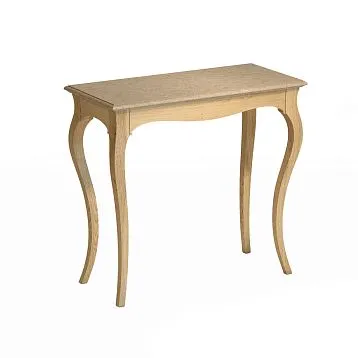
Solid wood productscreate the foundation of modern classic interior. Natural wood brings warmth absent in synthetic materials, creates tactile appeal, forms a sense of prestige and durability. Wood is a connection to nature in urban space, a material with history in modern context.
Wood grain texture is unique and irreplaceable. Each board, each panel, each element has an individual pattern of growth rings, direction of fibers, color variations. This living surface contrasts with the industrial uniformity of modern materials. Even when using veneer, the natural beauty of wood is preserved.
Wood species determine the character of the interior. Oak - classic choice, symbol of strength and nobility. Its expressive texture, warm honey or dark chocolate tones create solidity. Ash with contrasting light texture suits a modern interpretation of classicism. Walnut with noble brown-purple tones forms a respectable atmosphere.
Wooden panels on walls - a classic approach, relevant in modern interiors. Panels 90-120 cm high create a protective and decorative zone at the lower part of walls. Lattice structure with frames and recesses adds architectural expressiveness. Simple smooth panels suit a minimalist interpretation of classicism.
Moldings, cornices, skirting boards from solid woodcreate architectural structure of the room. High skirting board 120-150 mm visually lifts walls, creating solidity. Wooden cornice under the ceiling completes the wall composition. Vertical moldings-pilasters divide long walls, creating rhythm.
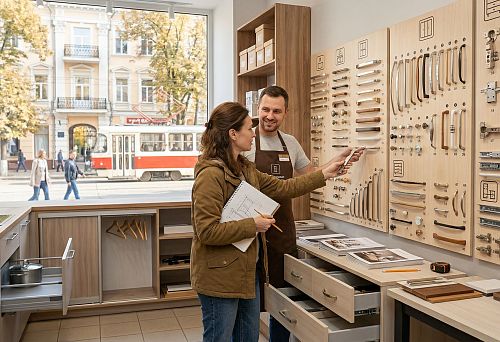
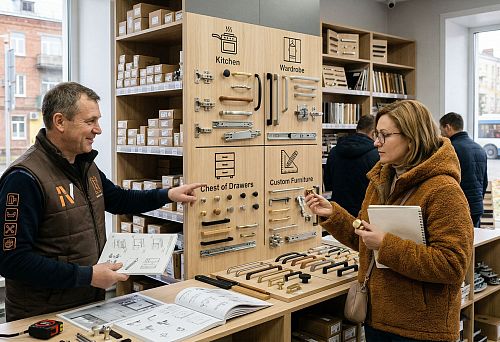
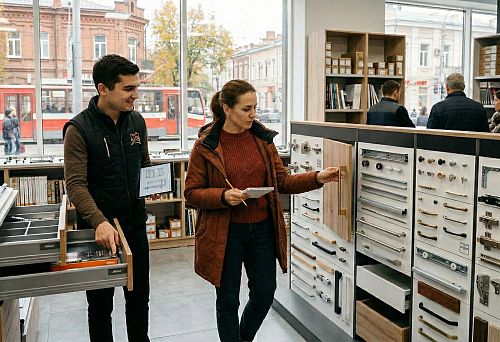
Doors from solid wood or veneer of valuable species - an important element of classic interior. Lattice doors with framed structure correspond to traditions. Smooth doors in molding frames suit modern classicism. Quality hardware - handles, hinges - must match the level of doors.
Solid wood furniture creates visual and functional centers in rooms. Oak dining table gathers family, serves for decades, acquiring noble patina. Solid wood bookcases in the office create a respectable atmosphere. Commodes and chests in the bedroom combine beauty and capacity.
Parquet or solid wood parquet flooring - traditional floor covering for classic interiors. Pine, French pine, plank layout - various patterns create their own character. Modern protective coatings make wooden floors practical even in kitchens.
Wood color treatment affects interior perception. Transparent oil or lacquer preserves natural color and texture. Staining with stains creates darker, more saturated shades. Whitewashing gives Scandinavian freshness. Painting in white, gray, or colored tones allows integrating wood into any palette.
Patina creates an effect of noble antiquity. Base color is covered with patina, which partially wears off on protruding parts. Scratches, chips, traces of time are artificially imitated. This technique is especially popular in Provence style and vintage interpretations of classicism.
Combining different species creates visual richness. Light beech panels with dark oak moldings form a contrasting structure. Inlaying with different species creates picturesque panels. These techniques require skill, but the result is unique.
Ecological safety of natural wood is becoming an increasingly important selection factor. Wood from responsibly managed forests with FSC certificates is a conscious choice. Wood does not emit harmful substances, regulates air humidity, creates a healthy microclimate.
Longevity of wooden elements is measured in decades. Quality wood from hardwood species, with proper care, serves for centuries. The possibility of restoration - scratches are sanded, wear is touched up, coating is renewed - extends life indefinitely.
Our factory also produces:


Polyurethane - a precise and clean finishing material
Polyurethane Decorhas revolutionized classical decoration, making historical forms accessible to a wide audience. Modern high-density polyurethane combines the aesthetics of traditional plaster molding with the practicality of synthetic material. This is an optimal balance between beauty and functionality, classicism and modernity.
Accuracy of detail reproduction is phenomenal. The molding method ensures perfect repeatability of ornament elements. Each acanthus leaf, each bead, each profile line is absolutely identical along the entire length of the element. This mathematical precision corresponds to classicist ideals of harmony and order, impossible with handcrafted execution.
Material lightness is critically important for ceiling and upper wall decoration. A 150 mm wide cornice weighs 300-500 grams per linear meter, compared to 3-5 kilograms of gypsum analog. A 60 cm diameter rose weighs 500-700 grams compared to 3-5 kilograms of wooden analog. This simplifies installation, eliminates risk of collapse, and does not create load on structures.
Water resistance allows using polyurethane decoration in rooms with high humidity. Kitchens, bathrooms, pools can be decorated without risk. The material does not absorb moisture, does not swell, does not deform, does not develop mold. Water absorption coefficient less than one percent ensures stability under any conditions.
Variety of forms is impressive. Manufacturers offer thousands of models - cornices from minimalist 30 mm to large-scale 300 mm, roses from elegant 200 mm to palace-scale 1500 mm, moldings of any profile, appliqués of all styles. All historical epochs are reproduced - classicism, baroque, empire, modernism.
Cost is democratic. A linear meter of cornice costs from 200 to 1500 rubles depending on complexity. A rose costs from 800 to 8000 rubles depending on size. This is 3-5 times cheaper than wooden and 5-10 times cheaper than gypsum analogs. Savings allow decorating the entire house without significant expenses.
Installation is simple and accessible for self-execution. The back side of the element is treated with special glue - polyurethane or acrylic. The element is pressed against the surface and fixed for several minutes. After drying, it lasts for decades. Joints are spackled and painted, becoming invisible.
The possibility of painting opens up unlimited color solutions. Polyurethane accepts any interior paints - acrylic, latex, alkyd. Classic white color is universal. Painting in wall or ceiling color creates monochromatic effect. Gilding, silvering, patination form luxurious accents.
Flexible polyurethane elements allow decorating curved surfaces. Arched openings, bay windows, oval rooms are decorated with flexible cornices and moldings that replicate any curve. This possibility is unavailable for rigid wooden or gypsum elements.
Service life is practically unlimited. The material does not age, does not yellow, does not deform over time. The only thing that may be required is repainting every 10-15 years. The element itself remains in perfect condition, preserving relief clarity and geometry.
Ecological safety of modern polyurethane is confirmed by certificates. The material does not emit harmful substances, has no odor after curing, does not cause allergies. Quality manufacturers provide documentation confirming compliance with European and Russian standards.
Resistance to temperature fluctuations is important for various operating conditions. Polyurethane retains its shape at temperatures from -40 to +80 degrees Celsius. This allows using decoration on balconies, verandas, in country houses with seasonal occupancy.
Combining several elements creates complex compositions. Cornice is complemented by frieze, moldings form panels, roses combine with corner elements. Modularity allows constructing unique decorative systems from standard elements.
Get Consultation
Contrast of materials as a design technique
Contrast between polyurethane and wood is not a compromise, but a deliberate design technique creating visual richness and functional perfection. Each material operates where its advantages are most needed, creating an optimal balance of aesthetics, practicality, and economy.
Textural contrast enriches perception. Perfectly smooth polyurethane surface contrasts with the lively texture of wood - its annual rings, medullary rays, natural pattern. Touching warm wood creates a different sensation than visual perception of white plaster. This multi-layered quality makes the interior interesting for all senses.
Visual weight of materials creates natural distribution. Light white plaster dominates at the top - cornices under the ceiling, roses on the ceiling, upper wall moldings. Solid wood dominates at the bottom - skirting boards, panels, furniture, doors. This vertical distribution corresponds to our experience of gravity - heavy at the bottom, light at the top.
Color contrast emphasizes material differences or, conversely, unifies them. White plaster against natural honey oak creates a classic contrast of warm and cool. Plaster painted to match wood visually unifies materials while preserving textural differences. The choice of strategy depends on the concept.
Scale contrast creates visual hierarchy. Large wooden elements — wide panels, heavy furniture, tall baseboards — form the composition's foundation. Elegant polyurethane details — thin moldings, small rosettes, delicate appliqués — add decoration without visual overload.
Functional contrast optimizes solutions. Wood in tactile contact zones — panels at touch level, furniture, doors, floors — creates tactile comfort. Polyurethane at inaccessible heights — ceiling decor, upper moldings — provides visual beauty without requiring contact.
Temperature contrast affects the perception of atmosphere. Wood — warm material literally and metaphorically. It slowly releases heat, is pleasant to the touch, creates coziness. White molding is perceived as cool, fresh, airy. Together, these temperatures create a comfortable balance.
Stylistic contrast creates temporal depth. Classical molding forms evoke historical interiors, wooden elements emphasize naturalness and durability. Modern materials and installation techniques introduce contemporaneity. This combination creates timelessly styled interiors.
Economic contrast optimizes budget. Expensive wood is used selectively — in key zones, on furniture, in panels. Affordable polyurethane covers other decorative needs. This distribution allows creating luxurious interiors at reasonable cost.
Tactile contrast is important for comfort. Touching warm wooden panel surfaces, opening doors with wooden handles, walking on parquet — these tactile sensations create a connection with the material. Polyurethane on ceilings requires no touch, works purely visually.
Acoustic contrast affects the sound environment. Wooden panels on walls partially absorb sound, softening acoustics. Smooth molding on ceilings reflects sound. This combination creates a comfortable sound environment without excessive echo or deadness.
Light contrast enhances visual expressiveness. White molding reflects light most efficiently, creating bright highlights and deep shadows in relief. Wood absorbs part of the light, creating soft mid-tones. This play of light and shadow enriches perception.
How to use appliqués, moldings, and rosettes together
Comprehensive use of various types of decorative elements creates complex multi-level compositions, transforming flat surfaces into architectural artworks. Each type of element performs its function, complementing and enhancing others.
Ceiling composition begins with a cornice along the perimeter.Polyurethane corniceWidth of 100–200 mm creates a boundary between walls and ceiling. Behind the cornice, hidden LED lighting can be installed, creating a floating ceiling effect. Cornice width is determined by room height — the higher the ceiling, the wider the cornice.
Central rosette frames the fixture mounting point. Rosette diameter corresponds to chandelier size and room area — typically 40 to 120 cm. Rosette ornament matches interior style — classical palmettes, baroque scrolls, geometric patterns. Rosette becomes the visual center of the ceiling.
Cove structure is created by a system of moldings on the ceiling. Polyurethane moldings form square or rectangular frames dividing the ceiling into sections. A small rosette may be placed in the center of each cove. Cores visually structure large ceilings, creating rhythm and scale.
Wall panels are formed by moldings on walls. Rectangular or square frames from moldings create wall structure. Accent wallpapers, contrasting paint, or decorative appliqués are placed within frames. These panels are especially effective on accent walls.
Wooden panels at lower wall sections are framed by molding capitals. Upper edge of panels is finished with a horizontal molding creating visual closure. This molding may be wooden, continuing panel material, or polyurethane, initiating decorative molding zone.
Vertical pilasters create rhythmic wall structure. Polyurethane pilasters with bases and capitals divide long walls into segments. Panels made of moldings are placed between pilasters. Pilasters are especially effective in rooms with high ceilings.
Doorways are adorned with a complex of elements.Wooden door panelIs framed by door casings. Above the door, a polyurethane sash — horizontal projection, often with consoles — is placed. Pilasters may be installed on sides. This complex transforms the opening into a grand portal.
Fireplace portal — the culmination of decoration in the living room. Solid oak or walnut fireplace mantel creates functional and decorative horizontal line. Portal side posts are adorned with polyurethane pilasters or appliqués. Above the mantel, a molding panel or decorative appliqué is placed.
Mirror frames are created by a combination of elements. Inner frame from thin molding abuts the mirror. Middle zone may be wooden, forming the main mass of the frame. Outer frame from polyurethane molding or appliqués adds decoration.
Furniture decor uses appliqués of various materials. Main facade moldings may be wooden, forming a framing structure. Central and corner appliqués — polyurethane, lightening the structure. Uniform coloring unites materials.
Niche in walls is framed by a complex of elements. Perimeter of niche is finished with polyurethane molding. Inner surface may have contrasting paint or wallpaper. Back wall is adorned with decorative appliqué. Upper lighting in niche highlights relief.
Corner zones require special solutions. Molding joints in corners are executed at 45 degrees. Corner appliqués — special elements for corners — create decorative corner solutions. When combining materials, transitions must be logical and neat.
Stylistic nuances of STAVROS
Company STAVROS developed its own philosophy of modern classicism, based on harmonious combinationpolyurethane decorandof solid woodThis philosophy is based on several key principles, tested by hundreds of implemented projects.
Principle of functional material distribution determines where to use polyurethane and where to use wood. Polyurethane works at height — ceiling cornices, rosettes, upper wall moldings. Wood is placed in contact zones — baseboards, panels, doors, furniture. This distribution optimizes budget and operational qualities.
The principle of color unity unites various materials into a cohesive composition. Monochromatic white finishing of all decorative elements creates classic elegance. The contrasting combination of white polyurethane and natural wood forms expressiveness. Patination imparts an antique nobility to both materials.
The principle of proportional correspondence ensures visual harmony. Large wooden elements require proportionally sized polyurethane decor. Elegant, slender moldings harmonize with delicate wooden details. Disproportion between elements creates visual imbalance.
The principle of stylistic unity requires all elements to speak the same language. Classic cornice harmonizes with classic wooden panels. Baroque rosette demands ornate wooden elements. Modern minimalist decor harmonizes with sleek wood.
The principle of uncompromising quality defines the selection of materials and manufacturers. STAVROS works exclusively with proven suppliers of high-density polyurethane. Wood is sourced from reliable manufacturers with quality certifications. Quality control at every stage ensures an ideal result.
The principle of individualized approach considers the specifics of each project. Ceiling height, room area, interior style, budget — all these factors are analyzed when selecting elements. Standard catalog solutions are supplemented with custom-made items to create unique interiors.
The principle of professional installation guarantees quality execution. Even the highest-quality elements lose value with careless installation. STAVROS recommends trusted craftsmen or provides its own crews for installation. Precision marking, clean joints, paint quality — all at the highest level.
The principle of long-term perspective focuses on creating interiors that do not become outdated. Classic forms timeless, high-quality materials serve for decades, thoughtfully composed arrangements never grow stale. This is an investment in long-term quality of life.
The principle of ecological responsibility determines material selection. Wood from responsibly managed forests, polyurethane without harmful emissions, water-based paints — a conscious choice for health and nature.
The principle of educational support helps clients make informed choices. STAVROS consultants do not merely sell products, but teach understanding of style, explain principles of harmony, and help develop personal taste. An educated client is the best client.
The principle of comprehensive solution offers everything necessary to create an interior.moldings, cornices, baseboards, rosettes, overlays, panels — a full spectrum of elements from various materials. No need to collect decor from different sources — everything is in one place, professionally selected.
Questions and answers
What is the main difference between modern classicism and historical classicism?
Modern classicism adapts classical forms to current lifestyle and technologies. Aesthetic elements — symmetry, proportions, ornamentation — are preserved, but forms are simplified, and modern materials such aspolyurethane— are considered with real room dimensions. Historical classicism requires high ceilings, large areas, and expensive materials everywhere. Modern classicism creates a similar atmosphere in standard apartments at a reasonable budget.
Can polyurethane and wood be mixed in one room?
Not only can, but it is recommended. This is the main principle of modern classicism — use each material where its advantages are most needed.Polyurethane Decoris optimal for ceilings and upper wall zones — it is lightweight, moisture-resistant, and inexpensive.Solid Wood Itemsare indispensable in tactile contact zones — panels, furniture, doors. The key is to unite materials by color and style.
How to choose the right cornice width for a room?
There is a rule: the cornice width should be approximately 1/20 of the wall height. For standard 2.7-meter ceilings, cornices 130-140 mm are optimal. For high 3.5-meter ceilings — 170-180 mm. Too narrow a cornice disappears, too wide one overwhelms the space. Style is also important — minimalist interiors require thinner cornices, classic ones — more expressive ones.
Do wooden and polyurethane elements need to be painted the same color?
It depends on the concept. Monochromatic white finishing of all elements creates unity while preserving textural differences — a classic solution for neoclassicism and Scandinavian interiors. Contrasting combination of white polyurethane and natural wood highlights material differences, creating expressiveness. Both approaches are correct; the choice depends on the desired effect.
What is the minimum budget for decor in a 70-square-meter apartment?
For basic decor of a 70 sq.m. two-room apartment: cornices around all rooms (about 50 linear meters) — 15-20 thousand rubles,Baseboards(50 linear meters) — 10-15 thousand, 2-3 ceiling rosettes — 5-10 thousand, moldings for wall panels (optional) — 10-20 thousand. Total material cost: 40-65 thousand rubles. Installation work costs approximately equal to material cost. Overall budget of 80-130 thousand rubles will create a worthy classic decor.
Polyurethane
polyurethaneRelief Decorationis extremely low-maintenance. It is sufficient to wipe it occasionally with a slightly damp soft cloth. Do not use abrasive agents or stiff brushes — they may scratch the painted surface. Mild cleaning agents may be used for stains. Painted surfaces can be refreshed with interior paint every 10-15 years.
How long does wooden decor last?
QualitySolid Wood ItemsHardwood species (oak, beech, ash) last for decades and centuries. Antique and medieval furniture with carved decor is preserved in museums. With proper care — regular cleaning, renewal of protective coating, humidity control — wooden elements are practically eternal. Restoration possibilities extend their life indefinitely.
It is possible and necessary, but with adherence to scale. In small rooms, use thin cornices 60-80 mm, small outlets 30-40 cm, delicate moldings. Avoid overloading — better to have fewer elements, but properly placed. White decor visually expands the space. Vertical moldings raise the ceiling. Thoughtful classical decor improves proportions even in small apartments.
How to combine classical decor with modern technology?
Modern technology integrates subtly. The TV is placed in a niche framed by moldings or concealed behind a panel. The air conditioner is masked by a decorative grille. Speakers are built into walls. Wires are hidden behind panels and baseboards. A smart home manages everything via smartphone without visible switches. Technology serves comfort without destroying aesthetics.
Modern technology integrates seamlessly. The TV is placed in a niche framed by moldings or concealed behind a panel. The air conditioner is masked by a decorative grille. Speakers are embedded into walls. Wires are hidden behind panels and baseboards. The smart home controls everything via smartphone without visible switches. Technology serves comfort without compromising aesthetics.
Common mistakes: excessive decor turning the interior into a museum; mismatched scale of elements to room size; mixing incompatible styles; poor installation with crooked joints; glossy surfaces instead of matte; lack of color harmony; cutting corners on material quality; ignoring functionality for the sake of aesthetics. Working with STAVROS professionals helps avoid these errors.
Common mistakes: excessive decoration turning the interior into a museum; mismatched scale of elements to room size; mixing incompatible styles; poor installation with crooked joints; glossy surfaces instead of matte; lack of color harmony; cutting corners on material quality; ignoring functionality for the sake of aesthetics. Working with STAVROS professionals helps avoid these errors.
Conclusion — an interior where classicism sounds modern
Modern classicism is not nostalgia for the past, but confidence in timeless values adapted for the present. The combinationpolyurethane decorandof solid woodcreates interiors where traditions harmonize with technologies, beauty combines with functionality, prestige coexists with practicality.
Polyurethane gave classical decor a second life, making historical forms accessible, practical, and universal. Lightness, moisture resistance, precision, variety, affordability — these qualities expanded decorating possibilities. Classical aesthetics ceased to be a privilege of palaces, becoming accessible to ordinary apartments.
Wood retains its role as a warm base of interior design, a material that creates a connection with nature and history. Tactile appeal, individuality of texture, prestige, durability — these qualities make natural wood indispensable in key interior zones.
Contrast of materials creates visual richness and functional perfection. Textural, color, scale, and temperature differences enrich perception, making the interior multi-layered and interesting. Each material reveals its best qualities, complementing the other.
Comprehensive use of various elements — cornices, outlets, moldings, appliqués, panels — transforms flat surfaces into architectural masterpieces. Ceilings, walls, doors, furniture gain structure, rhythm, expressiveness. Space is organized, proportions are corrected, character is formed.
STAVROS philosophy is based on principles of functional distribution, color harmony, scale correspondence, stylistic integrity, and uncompromising quality. These principles, tested in hundreds of projects, guarantee a harmonious result.
Modern classicism is relevant because it meets deep psychological needs. The need for order is satisfied by symmetry and structure. The need for beauty — classical proportions and decor. The need for comfort — thoughtful functionality. The need for prestige — quality materials and craftsmanship.
The longevity of properly designed interiors is measured in decades. Classical forms do not become outdated, quality materials serve generations, thoughtful composition never tires. This is an investment in long-term quality of life, in a space that will delight for years.
Ecological compatibility of natural wood and safe polyurethane creates a healthy living environment. Wood regulates humidity, emits no harmful substances, creates a comfortable microclimate. Quality polyurethane is also safe, holding all necessary certifications.
Interior individuality is formed through unique combinations. Standard catalog elements are supplemented with custom wooden details. Color solutions, proportions, accents are chosen individually. The result — an irreplaceable space reflecting the owners' character.
Accessibility of classical beauty — the main achievement of the modern approach. The combination of democratic polyurethane and selective use of expensive wood makes luxurious interiors attainable within a reasonable budget. Beauty is no longer a privilege of the chosen few.
STAVROS offers a full spectrum of solutions for creating modern classic interiors.Polyurethane Decor— hundreds of models of cornices, outlets, moldings, appliqués.Solid Wood Items - moldings, cornices, baseboards, panels, doors in oak, ash, walnut.
Professional consultants will help create the dream interior. Considering the room’s features, lifestyle, and budget, specialists will select optimal solutions. Individual approach, attention to detail, responsibility for the result — STAVROS’ working principles.
An interior where classicism sounds modern — a space outside time, where eternal principles of harmony are embodied through modern means, where beauty serves life, where every element is in its place, where it’s pleasant to be every day, where home becomes home.