Article Contents:
- History of Mouldings: From Ancient Traditions to Modern Technologies
- Craft Heritage and Significance of Wooden Mouldings
- Transformation of Traditions in the Modern Context
- Aesthetic Expressiveness and Individuality
- Strength, Durability, and Sustainability
- Ecological purity and safety
- Universality and Adaptability to Interior Design
- Use of Laser Cutting and Computer Modeling
- Automated planing and sanding
- Protective Coatings and Finishing
- Wall Cladding and Decorative Panels
- Moldings and Cornices
- Baseboards as the Final Touch
- Criteria for Choosing Modern Wooden Mouldings
- Installation and Integration into the Interior
- Care for Wooden Mouldings
- Durability and Cost Efficiency
- Ecological responsibility
- Support for Traditional Crafts
- Residential spaces
- Office and commercial interiors
- Restaurants, cafes, and hotels
- Cultural and public spaces
- How to Choose Modern Wooden Mouldings
- Installation and Integration into the Interior
- Care for Wooden Mouldings
- Durability as an economic asset
- Ecological Responsibility and Sustainability
- Support for Traditional Craftsmanship
- Classic Interiors
- Minimalist Interiors
- Eclectic Projects
- Corporate Interiors and Public Spaces
- Choosing Quality Items
- Installation and Integration into the Interior
- Care for Wooden Mouldings
- Durability as a Guarantee of Cost Savings
- Ecological responsibility
- Support for Traditional Craftsmanship
- Conclusion
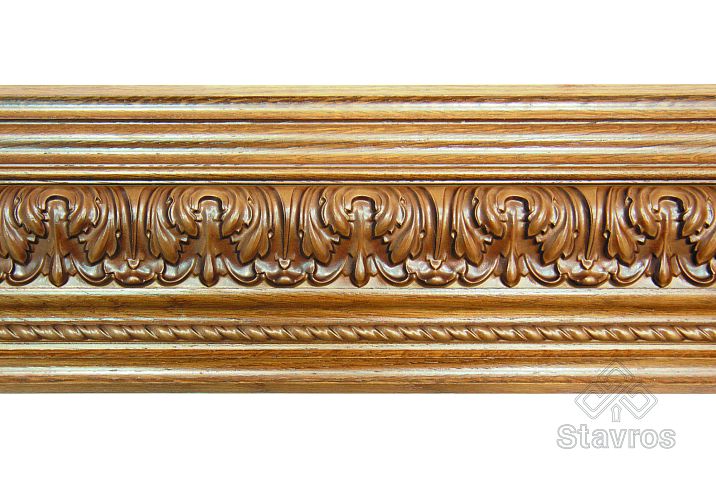
Natural wood has always been one of the most popular materials in interior design. Its unique texture, rich palette of tones, and durability allow for creating cozy, stylish, and functional spaces. One of the most important elements that can transform the appearance of any room aremodern wooden mouldingsThese decorative elements not only serve a practical function – hiding joints between surfaces and protecting walls from damage, but also become a central accent, giving the interior individuality and completeness.
In this article, we will examine the history and evolution of door and window casings, their key advantages, modern design trends, wood processing technologies, and practical advice on selecting, installing, and maintaining contemporary wooden casings. We will explain why natural wood remains a relevant choice for modern interiors, how to integrate these elements into the overall room design concept, and how they contribute to creating a cozy and harmonious atmosphere.


History of casings: From ancient traditions to modern technologies




Craftsmanship heritage and significance of wooden casings
The use of wood as a decorative material has deep roots in history. In ancient times, wooden casings were handcrafted with love and attention to every detail, and were an essential part of architectural decoration of homes, palaces, and temples. Wood carving, decorative ornaments, elegant lines — all these elements were passed down from generation to generation, becoming a symbol of the richness of craftsmanship and the culture of the people.
Wooden casings made of natural wood served not only to protect joints between walls, floors, and ceilings, but were also important decorative elements that emphasized the status and individuality of the owner. The art of wood carving, used to create casings, demonstrated the skill of craftsmen, their ability to work with natural materials, and to create true works of art from them.
Our factory also produces:


Transformation of traditions in a modern context
With the emergence of new technologies, the process of manufacturing door casings has undergone significant changes. Modern manufacturers have successfully combined centuries-old craftsmanship with innovative processing methods such as laser cutting, automated planing, and computer modeling. This has enabled achieving unprecedented precision, reproducibility of complex decorative patterns, and perfection in wood processing.
Modern wooden door casings
Advantages of modern wooden door casings
Get Consultation
Aesthetic expressiveness and individuality
Using modern wooden door casings, one can create striking decorative solutions: from minimalist lines to intricate carved patterns that become the focal point. Such a choice allows adapting the design to various interior styles — from traditional to ultra-modern.
With modern wooden casings, you can create striking decorative solutions: from minimalist, clean lines to intricate carved patterns that become the focal point. Such a choice allows you to adapt the design to various interior styles — from traditional to ultra-modern.
Strength, durability, and resistance
Quality wooden door casings retain their aesthetic appeal and functional properties for decades, requiring infrequent updates or repairs. This is not only cost-effective but also allows maintaining stylistic unity and harmony in the interior over a long period.
High-quality wooden casings retain their aesthetic appeal and functional properties for decades, requiring infrequent updates or repairs. This is not only economical, but also allows maintaining stylistic unity and harmony in the interior over a long period.
Ecological purity and safety
In the modern world, ecological safety has become one of the key criteria when selecting materials for interior design. Natural wood is a renewable resource and, when properly processed, does not emit harmful substances, making it safe for use in residential and public spaces.
Versatility and adaptability to interior design
Versatility and adaptability to interior design
One of the main advantages of modern wooden door casings is their versatility. They easily fit into any interior, whether classic, modern, minimalist, or eclectic style. Thanks to the variety of shapes, textures, and finishes, wooden door casings can be used to create diverse decorative accents: from subtle, barely noticeable lines to bold, expressive decorative inserts.
Modern technologies in the production of wooden door casings
Modern technologies in the production of wooden casings
Use of laser cutting and computer modeling
One of the innovations that have transformed modern production of wooden items is the use of laser cutting and computer modeling. These technologies allow creating door casings with remarkable precision, reproducing complex decorative patterns, and achieving a high level of detail, which was previously practically impossible using only manual labor.
Laser cutting ensures clean and precise lines, while computer modeling allows predicting the final appearance of the product even during the design stage. This enables optimizing the production process, improving the quality of finished products, and ensuring product uniformity.
Automated planing and sanding
Automated machines used for planing and sanding wood allow significantly reducing processing time without compromising quality. Modern planing technologies ensure even material removal, resulting in an ideal surface for further finishing. Sanding provides smoothness and uniformity, making the surface ready for applying protective coatings.
Protective coatings and finishing
Protective Finishes and Finishing
Modern wood finishing methods include the use of eco-friendly oils, waxes, and varnishes. These protective compositions not only highlight the natural beauty of wood but also protect it from moisture, ultraviolet radiation, and mechanical damage. Proper application of protective coatings ensures the longevity of products and preserves their aesthetic properties for decades.
Examples of using modern wooden door casings in interior design
Examples of application of modern wooden casings in interior design
Wall cladding and decorative panels
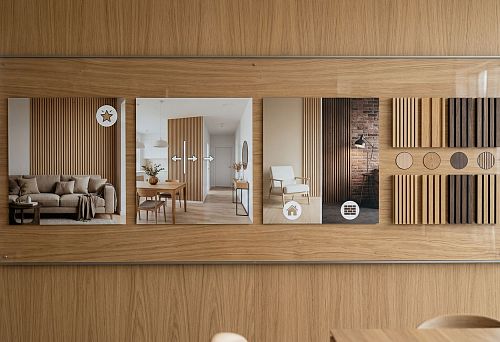
One of the most popular applications of modern wooden door casings is wall cladding. Natural wood is used to create decorative panels that not only protect surfaces but also serve as a powerful design tool. Cladding with wooden door casings gives walls depth, texture, and character, creating a sense of continuity and unity in the interior.
Usingmodern wooden mouldingsUsing %s, one can create an eye-catching decorative accent that highlights the uniqueness of the space. For example, in a living room or dining room, such elements can serve as a harmonious frame for artistic compositions, photographs, or other decorative items, adding elegance and sophistication to the space.
Moldings and Cornices
Moldings and cornices made of natural wood play an important role in unifying various interior elements. They serve both decorative and practical functions: concealing joints between walls, ceilings, and floors, as well as emphasizing architectural features of the room. Modern wooden door casings used as moldings and cornices allow creating an effect of completeness and harmony in the space.
These elements can be executed in a classic, minimalist, or modern style depending on the interior concept. They beautifully complement other finishing elements, creating a cohesive and stylish look that highlights the individuality of a home or office.
Baseboards as the finishing touch
Baseboards are the final decorative finishing element, designed to protect the lower part of walls and create a neat interior finish. Modern wooden baseboards, crafted using natural wood, not only serve a protective function but also act as an important decorative accent, unifying all finishing elements into a single composition.
Baseboards can be either thin and minimalist or substantial, with intricate carving or simple smooth lines. Everything depends on the overall interior concept and the owner's preferences. Withmodern wooden trim you can create baseboards that become a logical continuation of wall cladding, emphasizing the natural beauty of the material and adding completeness to the overall design.
Practical recommendations for selection, installation, and maintenance
Criteria for selecting modern wooden trim
When selecting wooden trim for interior finishing, it is necessary to consider several key aspects:
● Wood species. The choice of material depends on the desired style and functional requirements. Oak, beech, walnut — each species has its unique properties affecting color, texture, and strength.
● Processing quality. Pay attention to the smoothness of sanding, precision of carving, and quality of protective coating application. High-quality processing ensures longevity and resistance of the item to external influences.
● Design solution. Trim should harmonize with the overall interior style. Choose items that highlight the uniqueness of the space, complement other decorative elements, and create a unified whole.
● Ecological safety. Ensure that the items are manufactured using environmentally friendly technologies and meet high quality standards, which is especially important for residential spaces.
Installation and integration into interior
To successfully integrate wooden trim into the interior, follow these recommendations:
● Surface preparation. Before installation, ensure that walls are flat, clean, and dry. This ensures reliable adhesion of the trim to the surface and prevents defects.
● Use of high-quality fasteners. Reliable fastening elements will help preserve the integrity and longevity of the finish, avoiding gaps and deformations.
● Stylistic harmony. Trim should naturally fit into the overall interior design, harmonize with furniture, accessories, and other decorative elements. This approach allows creating a unified visual space where each element contributes to the overall look.
Care for wooden trim
To ensure wooden trim retains its beauty for many years, it is recommended:
● Regular cleaning. Use soft cloths and specialized care products for natural wood. This will help remove dust and dirt without damaging the protective layer.
● Periodic renewal of protective coating. Natural wood requires protection from moisture, sunlight, and mechanical damage. Regularly renew the coating using natural oils, waxes, or varnishes to preserve the natural texture and gloss.
● Control of room conditions. Maintain a stable temperature and optimal humidity level to prevent wood shrinkage or deformation.
● Regular inspection. Conduct preventive inspections of the trim, especially at joints, to promptly detect and address minor defects before they become serious damage.
Economic and ecological efficiency
Durability and cost savings
Investments in quality wooden trim pay off due to the longevity of the product. Properly processed natural materials can retain their properties for decades, allowing you to avoid frequent replacement or repair costs. The economic efficiency of such items is especially important for owners aiming to create a high-quality interior capable of enduring the test of time.
Ecological responsibility
Natural wood is an environmentally friendly material that helps maintain a healthy environment and meets the highest ecological safety standards. Using natural wood in finishing contributes to improving the microclimate, reduces the risk of allergic reactions, and supports sustainable development. Choosing wooden trim means contributing to nature protection, supporting production based on renewable resources and eco-friendly technologies.
Support for traditional craftsmanship
Natural wood is not only aesthetically appealing but also culturally significant. Choosingmodern wooden mouldings, you support local craftsmen, preserve the traditions of artisanal art, and promote sustainable wood processing methods. Each item created using time-honored technologies is part of cultural heritage and reflects high craftsmanship.
Examples of Implementation in Interiors
Residential spaces
In modern homes and apartments, wooden trim can become a central design element, emphasizing the aesthetic refinement of the interior. Trim made from natural wood is used for wall finishing, creating decorative panels, or finishing transitions between different surfaces. They naturally fit both classic and minimalist interiors, adding warmth and character.
In classic interiors, casings can be richly adorned with carving and decorative elements, highlighting the richness of traditional craftsmanship. In minimalist interiors, preference is given to smooth, clean lines that allow focus on the natural beauty of the material. In both cases, wooden casings create a sense of coziness and cohesion, emphasizing the individuality of each space.
Office and commercial interiors
In offices and business spaces, wooden casings contribute to creating a strict yet warm interior. Using natural wood helps create a favorable working atmosphere, improves acoustics, and adds a sense of solidity. In modern office interiors, casings can be used to decorate walls, create accent zones, or unify various interior elements into a cohesive whole.
Modern designers strive to create a space where every detail is thoughtfully considered, and the presence of natural materials such as wooden casings underscores a commitment to quality and eco-friendliness. This is especially relevant for companies that value sustainability and wish to demonstrate their dedication to eco-friendly technologies.
Restaurants, cafes, and hotels
In the hospitality industry, the presence of natural materials plays an important role in shaping the establishment's image. Wooden casings in restaurants and cafes add natural texture, warmth, and elegance, making the venue cozy and welcoming. Using natural wood in finishes helps create a unique, memorable image that attracts customers and leaves a positive impression.
In hotels and cafes, natural casings can be used to decorate walls, create decorative panels, and visually unify different zones, resulting in a cohesive, elegant interior with elements of traditional craftsmanship and modern technology.
Cultural and public spaces
In museums, galleries, libraries, and other public places, natural wood helps create an atmosphere of solemnity and historical significance. Decorative casings made of natural wood add depth and refinement to the interior, highlighting the building's cultural heritage. Such elements not only decorate the space but also contribute to creating favorable acoustics and enhancing the overall visual perception of the space.
In public interiors, natural wood becomes a symbol of refined taste and commitment to quality, positively influencing the overall impression of the establishment or institution.
Practical recommendations for selection, installation, and care
How to choose modern wooden casings
When choosing wooden casings, consider the following criteria:
● Wood species. Different types of wood have unique properties — oak casings are strong and feature a striking texture, beech and ash give interiors brightness and lightness, while walnut adds elegance and warmth. The choice depends on the overall interior style.
● Workmanship quality. Pay attention to the smoothness and neatness of the finish: sanded surfaces, precise carved details, and quality protective coatings indicate a high level of craftsmanship.
● Design and style. Casings should harmonize with the overall interior concept. Modern models can be crafted in both classic and minimalist styles, allowing for customization to suit any preferences.
● Environmental safety. Ensure that selected items are made using eco-friendly technologies and do not contain harmful chemicals. This is especially important for residential and public spaces, where air quality and material safety are paramount.
Installation and integration into interior
For quality integration of wooden casings into the interior:
● Prepare the surface. Walls to which casings will be attached must be flat, clean, and dry. This ensures secure material adhesion and minimizes the risk of defects.
● Use quality fasteners. Secure attachment guarantees the longevity and stability of decorative elements, preventing deformation and peeling over time.
● Follow manufacturer instructions. Each item has specific installation requirements. Careful adherence to recommendations will preserve the aesthetic appeal and functionality of casings for many years.
● Design integration. Ensure stylistic harmony between wooden casings and the overall interior concept. They should naturally fit into the composition, complement decorative elements and furniture, creating a unified whole.
Care for wooden trim
To maintain the beauty and longevity of wooden casings, the following measures are recommended:
● Regular cleaning. Wipe casings with soft cloths and specialized natural wood cleaning agents. This will help remove dust and dirt without damaging the protective coating.
● Periodic renewal of protective coating. Renewing the coating with natural oils, varnishes, or waxes will preserve the wood’s luster and natural texture, protecting it from moisture, UV rays, and mechanical damage.
● Climate control. Maintaining stable temperature and humidity levels in the room prevents wood shrinkage and deformation, keeping the items in ideal condition.
● Preventive inspection. Regularly check the condition of casings, especially at joints and connections, to promptly detect and address minor defects before they escalate into serious damage.
Economic and ecological efficiency
Durability as an Economic Asset
Investing in quality wooden casings proves economically advantageous, as natural wood products made with modern technologies last for decades. This significantly reduces costs associated with replacing or repairing finishing materials. The reliable longevity of natural wood makes it an attractive choice for creating a stable, high-quality interior that will delight the eye and function flawlessly for a long time.
Environmental responsibility and sustainability
Using natural wood meets modern requirements for environmental purity and sustainable development. Natural wood is a renewable resource, and modern production involves eco-friendly technologies that minimize negative environmental impact. This is especially important for residential and public spaces, where creating a healthy and safe environment is a priority.
Furniture and decorative items made of natural wood contribute to improving indoor microclimate, reducing allergen levels, and creating a favorable living atmosphere. The ecological safety and sustainability of natural wood make it an excellent choice for those seeking a harmonious and mindful lifestyle.
Support for traditional craftsmanship
By purchasing modern wooden casings, you not only obtain a high-quality product, but also support traditional crafts passed down from generation to generation. Masters working with natural wood use time-tested technologies that ensure the uniqueness and high quality of the products. Such a choice contributes to the development of local production, preservation of cultural heritage, and support of sustainable methods of work, which is important for the modern economy.
Examples of implementing modern wooden casings in interior design
Classic interiors
In classic interiors, wooden casings play an important role, emphasizing the elegance and refinement of the space. Carefully crafted casings, adorned with carved patterns or smooth and minimalist designs, add completeness and harmony to the interior. They can be used to decorate door and window casings, create decorative frames around paintings or mirrors, and also to frame walls, giving the room a special atmosphere of home coziness.
Using modern wooden casings allows preserving a traditional style while updating it with modern processing technologies and design. Every detail crafted using natural wood becomes an accent that unifies all interior elements into a cohesive whole.
Minimalist interiors
Minimalism in interior design values simplicity, purity of lines, and the natural beauty of materials. In such interiors, modern wooden casings serve as subtle, almost imperceptible decorative elements that highlight the natural wood texture and give the space lightness and airiness.
The presence of well-executed casings allows creating a sense of completeness and harmony without overloading the interior with unnecessary decorative elements. This approach is ideal for modern apartments and offices, where it is important to preserve the feeling of space and simplicity, while adding touches of warmth and natural aesthetics.
Eclectic projects
Eclecticism is the free mixing of various stylistic elements, allowing to create a unique and distinctive space. In interiors designed in an eclectic style, modern wooden casings can combine with elements of modern minimalism, industrial design, or even vintage style. This allows highlighting the uniqueness of each interior element and creating interesting visual contrasts.
In such projects, casings can be used as accent elements framing specific zones of the interior, creating unique decorative panels that unify the space and give it individuality. Thoughtfully designed, original patterns, and high-quality finishing make modern wooden casings an indispensable attribute of eclectic and bold design solutions.
Corporate interiors and public spaces
In corporate interiors and public spaces, wooden casings contribute to creating a strict, yet warm and attractive image. Furniture made of natural wood highlights the status and prestige of the company, creating an atmosphere of stability, coziness, and professionalism. In such interiors, harmony and unity of all elements — from decorative panels to finishing details — are essential to create a cohesive space that reflects corporate philosophy.
Using modern wooden casings in offices, conference halls, lobbies, and public areas helps improve the visual perception of space, making it more pleasant for work and communication. Natural wood, due to its warmth and durability, becomes an essential part of corporate style, highlighting the company's commitment to quality and environmental responsibility.
Practical advice on selection, installation, and maintenance
Choosing quality items
When choosingmodern wooden mouldings Pay attention to the following aspects:
● Wood species. The quality, texture, and color of wood depend on the chosen species. Oak, beech, walnut — each has its own unique characteristics. Choose the material based on your design preferences and functional requirements.
● Processing methods. It is important to assess the quality of planing, sanding, and application of protective coatings. A smooth surface without burrs or defects indicates a high level of craftsmanship.
● Design. Casings should harmonize with the overall interior style. Choose items that highlight the uniqueness of the space, complement other decorative elements, and create a unified composition.
● Ecological safety. Ensure that the products are made using environmentally friendly technologies, which is especially important for residential and public spaces, where ecological safety is of primary importance.
Installation and integration into interior
To make wooden casings a harmonious element of the interior:
● Prepare the surface. Before installation, ensure the surface is flat, clean, and dry. This will help ensure reliable adhesion of the casings to the surface.
● Use high-quality fasteners. Secure mounting prevents gaps, peeling, and deformation of items over time.
● Maintain stylistic harmony. Mouldings should blend organically with the overall interior design. They can complement both wooden panels and furniture, as well as modern materials such as metal, glass, or ceramic.
● Follow the manufacturer's instructions. Each type of moulding has its own characteristics, so it is important to adhere to installation and care recommendations to preserve the original beauty of the product.
Care for wooden trim
To ensure natural wood retains its natural beauty and longevity:
● Clean regularly. Use soft, gentle cloths to wipe mouldings, removing dust and dirt without damaging the protective coating.
● Renew protective coatings. Periodically reapply natural oils, varnishes, or waxes to maintain the natural sheen and protect the wood from moisture, UV rays, and mechanical damage.
● Maintain stable indoor conditions. Optimal temperature and humidity levels help prevent wood deformation and shrinkage.
● Conduct preventive inspections. Regularly check the condition of mouldings, especially at connection points, to promptly detect and address minor defects.
Economic and ecological efficiency
Durability as a guarantee of savings
Investing in high-quality wooden mouldings pays off through their incredible longevity. High-quality products, manufactured using modern processing technologies, retain their aesthetic and functional properties for decades. This significantly reduces costs associated with replacing or repairing decorative elements, which is especially important for both commercial and residential interiors.
Ecological responsibility
Using natural wood aligns with principles of sustainable development and ecological responsibility. Natural wood not only preserves natural beauty but also contributes to creating a healthy and safe environment. Eco-friendly production technologies allow minimizing negative environmental impact, making furniture made from natural wood an ideal choice for those concerned about their health and the planet’s future.
Support for traditional craftsmanship
Purchasing wooden mouldings supports local artisans and traditional craftsmanship techniques passed down from generation to generation. This not only helps preserve cultural heritage but also stimulates the development of sustainable production methods that enable the creation of high-quality items with meticulous attention to detail.
Conclusion
modern wooden mouldings — is a universal decorative element capable of transforming any space. They are a perfect example of the synthesis of centuries-old artisanal craftsmanship traditions and modern technological achievements. Natural wood, thanks to its unique texture, natural tones, and high strength, becomes an indispensable part of the interior, offering warmth, comfort, and an unforgettable atmosphere.
Using wooden mouldings allows creating striking compositions, highlighting architectural features of a room, and adding individuality. This decorative element combines both functional and aesthetic qualities, making the interior cohesive, harmonious, and stylish.
When choosing modern wooden mouldings, focus on material quality, processing methods, and ecological safety. Modern technologies enable achieving perfect surface smoothness, precise carving, and high-quality finishing, guaranteeing the product’s durability and reliability.
If you aim to create an interior filled with natural beauty, warmth, and style, pay attention to the wide range ofModern Wooden Itemsoffered on the manufacturer’s official website. Natural wood used in mouldings can transform any space, bringing a touch of nature, elegance, and unique individuality.
Let your choice be thoughtful, and every interior element, whether wooden mouldings or other natural wood products, become a symbol of striving for perfection, ecological responsibility, and respectful care for nature. Modern wooden mouldings are not just decorative elements—they are part of your home, telling a story, uniting traditional craftsmanship with innovative technologies, and making your interior unique and memorable.