Article Contents:
- Historical Aspect: From Traditions to Innovations
- Roots of Craftsmanship
- Transition from Classical Solutions to Modern Technologies
- Natural Aesthetics and Uniqueness
- Strength, Durability, and Sustainability
- Ecological purity and safety
- Modern Wood Processing Methods
- Combination of Automation and Handcraft
- Decorative Finishing Elements
- Furniture Design
- Architectural and Landscape Solutions
- Basic Principles of Care for Natural Wood
- Installation and Integration into the Interior
- Economic Efficiency and Ecological Safety
- Residential interiors
- Commercial spaces
- Architectural Projects and Landscape Design
- Individual designer projects
- Conclusion
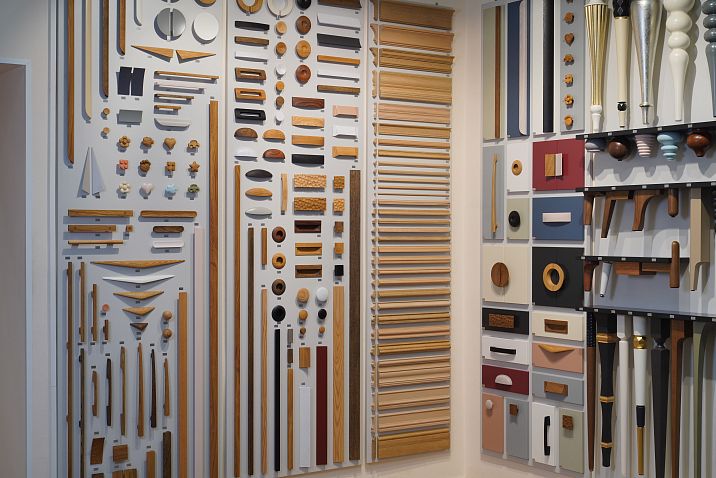
Natural wood has been the primary material for creating household items, furniture, and architectural details since ancient times. Today, as the demand for eco-friendliness, durability, and unique design becomes a priority,modern wood materials play a key role in interior and exterior design, as well as in creating exclusive design solutions. In this article, we will thoroughly examine how traditional knowledge and innovative technologies combine to produce modern wood materials, what advantages they offer, and how they influence the formation of new residential and commercial spaces.


Historical Aspect: From Traditions to Innovations




Roots of Craftsmanship
The history of working with wood spans several millennia. Even in ancient times, craftsmen used wood to make furniture, decorative elements, and buildings. Traditional processing methods, such as planing, carving, and sanding, were passed down from generation to generation, and each piece of natural wood became a reflection of the culture and customs of its time. These traditions not only allowed the creation of practical and durable items but also imbued them with aesthetic value, forming a timeless style.
Our factory also produces:


Transition from Classical Solutions to Modern Technologies
Modern wood materials represent a synthesis of age-old traditions and the latest technological achievements. Today, wood product manufacturing includes the use of computer modeling, laser cutting, automated machines, and high-precision finishing techniques, enabling unprecedented accuracy and quality. Nevertheless, despite technological progress, the art of working with wood remains unchanged — every detail retains the individuality, warmth, and uniqueness that natural material provides.
The use of modern technologies allows traditional crafts to significantly expand their capabilities, creating complex decorative patterns, experimenting with forms and textures. The result is the emergence ofmodern wood materialscapable of meeting even the most demanding requirements in design and architecture.
Advantages of Modern Wood Materials
Get Consultation
Natural Aesthetics and Uniqueness
Natural wood is a living material with a unique texture, natural tones, and an unmistakable wood grain pattern. Each board, beam, or panel differs in character, making wooden products exclusive and individual.modern wood materials They bring warmth, comfort, and natural beauty into interiors, creating an atmosphere of harmony with nature.
The aesthetic value of wood is especially high when creating interiors in eco, Scandinavian, or minimalist styles. Natural wood tones help soften the coldness of modern materials such as metal and glass, creating a balance between technology and natural organic elements.
Strength, durability, and resistance
One of the main advantages of modern wood materials is their strength and durability. Thanks to modern processing methods such as pre-drying, planing, and sanding, wooden products achieve stability and resistance to mechanical damage, moisture, and temperature fluctuations. This makes them ideal for use in both residential and commercial interiors.
High-quality wooden materials can serve for decades, maintaining their functionality and aesthetic appeal. Such longevity is an important economic advantage, as investments in quality materials are justified by the absence of frequent replacements.
Ecological purity and safety
In today's world, awareness of the need to protect nature and choose eco-friendly materials for interior design is growing. Natural wood is a renewable resource, free of toxic substances.modern wood materials meet the highest standards of ecological safety, which is especially important for residential spaces, public areas, and offices.
Using natural wood contributes to creating a healthy atmosphere in the home, improves the microclimate, reduces stress levels, and supports a positive psychological and emotional state of the inhabitants.
Production Technologies of Modern Wood Materials
Modern Wood Processing Methods
Modern wood material production includes complex technologies ensuring high-quality end products. Among the key stages are:
- Wood drying. Proper drying is the key to product stability. Modern drying chambers significantly reduce wood moisture content, minimizing the risk of shrinkage and deformation in the future.
- Cutting and planing. Using automated machines and computer modeling ensures precise cutting and planing, resulting in products with perfectly smooth surfaces.
- Sanding. Careful sanding removes minute defects and prepares the surface for subsequent finishing, highlighting the natural beauty of the wood.
- Decorative finishing. Depending on design decisions, wood may undergo additional processing: carving, engraving, or pattern formation using laser technology.
- Final finishing. Applying protective and decorative coatings—natural oils, waxes, or varnish—not only gives the product a luster but also protects it from moisture, ultraviolet rays, and mechanical damage.
Combination of automation and manual labor
Modern technologies allow achieving high precision and repeatability in products, yet manual labor remains an essential part of creating unique decorative elements. Experienced artisans infuse each item with soul and individuality, making them irreplaceable and valuable from an artistic standpoint.
Such a synthesis of modern technologies and traditional craftsmanship allows creatingmodern wood materialsthat possess not only high functional characteristics but also aesthetic refinement capable of transforming any space.
Application of modern wooden materials in interior design
Decorative finishing elements
Natural wood is actively used to create decorative elements that set the tone for the entire interior. Among them are:
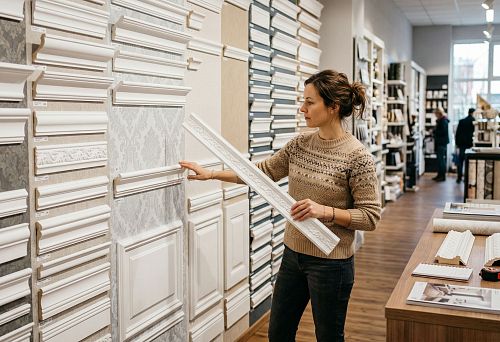
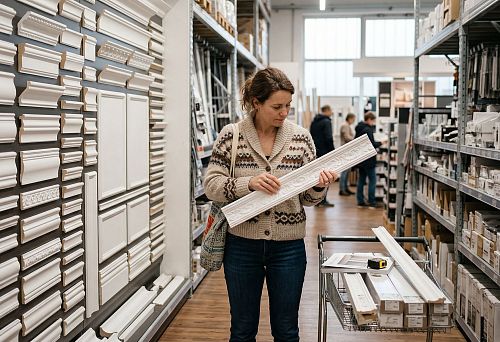
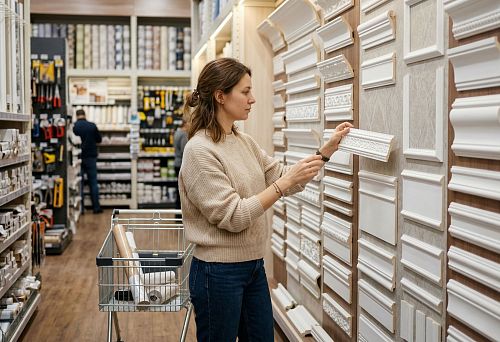
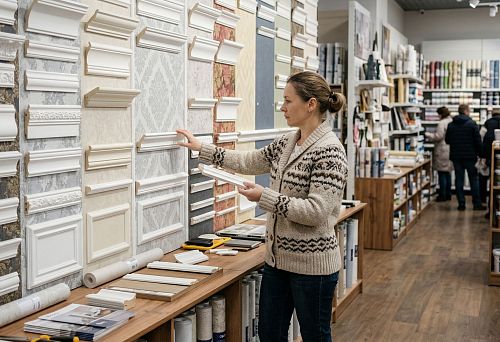
● Mouldings, cornices, and skirting boards. These elements not only unite different parts of the interior but also emphasize architectural features of the room, creating a sense of completion. Thanks to the use of natural wood, the interior gains warmth and natural depth.
● Decorative panels and inserts. Modern designers often use wooden panels to create accent zones or highlight specific wall areas. This allows adding a unique character to the space and creating a harmonious combination of textures.
● Furniture details. Elements such aslong wooden handles andlong wooden legsbecome an integral part of furniture, giving it individuality and style. These elements emphasize the naturalness of the material and give products an exclusive appearance.
Furniture design
In modern furniture design, natural wood occupies a central place. Masters create furniture where every detail—from the frame to decorative elements—is made of natural material. This allows achieving a unique combination of functionality and aesthetic expressiveness. The application ofmodern wood materials in furniture makes products not only durable but also visually appealing.
Modern designers actively experiment with forms, combining wood with other materials such as metal, glass, or stone, enabling the creation of furniture that seamlessly fits any interior style—from classic to ultra-modern minimalism.
Architectural and landscape solutions
Natural wood finds wide application not only in interior design but also in architecture. Modern wooden panels, facade cladding, decorative elements, and even landscape design elements—all this allows creating a harmonious unity between the building and its surrounding nature.
For example, using wooden elements in building exteriors creates a "living wall" effect, where architecture seamlessly blends with the natural landscape. This is especially relevant for country houses, cottages, and public spaces, where the natural beauty of wood contributes to creating a comfortable and ecologically clean environment.
Practical recommendations for care and use
Main principles of caring for natural wood
To ensure thatmodern wood materials to maintain their aesthetic and functional qualities over many years, it is necessary to follow a set of care recommendations:
● Regular cleaning. Use soft cloths and specialized wood care products to avoid scratches and surface damage.
● Periodic treatment with protective compounds. Natural oils, waxes, or varnishes help protect wood from moisture, ultraviolet rays, and mechanical damage while simultaneously enhancing its natural beauty.
● Climate control. Stable indoor conditions, such as moderate humidity and temperature, contribute to preserving the integrity and appearance of wooden items.
● Preventive inspection. Regularly check the condition of items to promptly detect and eliminate minor defects, preventing them from developing into serious damage.
Installation and integration into interior
Correct installation of wooden elements is the key to their longevity and aesthetic appeal:
● Before installation, ensure that the surface on which the items will be mounted is flat, clean, and dry.
● Use high-quality fasteners and follow the manufacturer's instructions for secure mounting.
When integrating wooden materials into interior design, strive to maintain the overall design concept so that each item harmonizes with other elements of the space.
Economic efficiency and eco-friendliness
Investments in qualitymodern wood materials pay for themselves through their durability, aesthetic appeal, and ecological purity. Such items can serve for decades, reducing costs for repairs and replacements, and contributing to creating a healthy and safe environment in the space.
Moreover, using natural wood supports sustainable development, as wood is a renewable resource, and many manufacturers adhere to principles of responsible forestry. This is an important argument in favor of choosing natural materials for those who aim to minimize their impact on the environment.
Examples of successful implementation of modern wooden materials
Residential interiors
Modern wooden interiors are becoming increasingly popular in private homes and apartments. In such projects, wood is used to create harmonious spaces filled with warmth and coziness. Natural panels, moldings, decorative elements, and furniture made of wood create an atmosphere where one feels connected to nature. Thanks to their versatility,modern wood materials easily integrate into any style—from Scandinavian minimalism to classic luxury.
Commercial spaces
In offices, restaurants, cafes, and other public places, wooden materials are used to create a pleasant and stylish atmosphere. The natural texture and warmth of wood contribute to improving the microclimate and create a cozy ambiance conducive to communication and creative work. Decorative panels, furniture elements, and facade finishes made of natural wood help establish a positive image of the establishment, which is especially important for attracting customers and maintaining reputation.
Architectural projects and landscape design
Natural wood is actively used not only indoors but also for decorating outdoor spaces. Wooden elements of facades, fences, railings, and decorative structures allow creating a harmonious unity between the building and the surrounding nature. In landscape design, natural wood is used to create gazebos, garden paths, and decorative panels, which give the exterior a special charm and contribute to forming an ecologically clean environment.
Individual design projects
exclusive interiors, custom-made, often include unique items made of natural wood, developed according to all the client's wishes. In such projects, wood becomes not just a finishing material, but the main element reflecting the individuality and taste of the owner. Carefully crafted moldings, decorative inserts, handles, and legs, made usingmodern wood materials, transform the interior into a unique work of art, where every detail has its own meaning and history.
Conclusion
Modern wooden interiors are an ideal combination of traditional craftsmanship and advanced technological solutions. The use ofmodern wood materials allows creating a space filled with natural beauty, durability, and ecological purity. Natural wood remains a symbol of warmth, coziness, and timeless aesthetics, contributing to forming a harmonious interior that pleases the eye and creates a favorable atmosphere for living and working.
When choosing wooden items, it is important to consider not only their appearance but also their functional characteristics, durability, and compliance with ecological standards. Modern processing technologies allow achieving incredible precision and reproducibility, while experienced craftsmen impart each item with individuality and unique character. This makes modern wooden materials not just a fashionable trend, but a true philosophical approach to interior design, where nature and innovation go hand in hand.
By investing in high-quality natural materials, you create a space that will delight you and your loved ones for many years. Your home, office, or any other space can become a manifestation of harmony, where every detail contributes to creating a unified whole reflecting your taste, style, and commitment to quality.
If you want to realize your boldest design ideas and create a unique space, pay attention to the wide range ofmodern wood materials, available on the manufacturer's official website. Here you will find everything necessary to implement your projects, whether it's furniture, decorative elements, or architectural solutions made from solid natural wood.
May your interior be filled with natural warmth and beauty, and every wooden item become a symbol of high quality, traditional craftsmanship, and innovations capable of transforming any space. Modern wooden interiors are not just an aesthetic solution, but a choice in favor of sustainable development, ecological safety, and eternal beauty of nature.
Natural wood has always been a source of inspiration for creative people. Modern wooden materials, created using the best technologies and craftsmanship, are capable of turning any interior into a work of art, where every detail tells its unique story. May your space be filled with harmony, warmth, and unique aesthetics, and the choice of natural wood become a guarantee of longevity and ecological purity of your home.