Article Contents:
- History of Wood Finishing: From Craft Traditions to Modernity
- Roots of Craftsmanship
- Evolution of Technologies: From Handcraft to Automation
- Natural Aesthetics and Individuality
- Strength and durability
- Ecological safety
- Minimalism and Clean Lines
- Eclectic Mix of Styles
- Technologies of the Future and Innovative Solutions
- Decorative Panels and Cladding
- Moldings, cornices, and baseboards
- Furniture and Accessories
- Interiors in Different Styles
- Material and Product Selection
- Installation and Integration into the Interior
- Care for Wood Finishing
- Durability as Key to Savings
- Ecological responsibility
- Support for Local Crafts and Sustainable Development
- Residential interiors
- Office and Commercial Spaces
- Public and Cultural Spaces
- Individual designer projects
- Conclusion
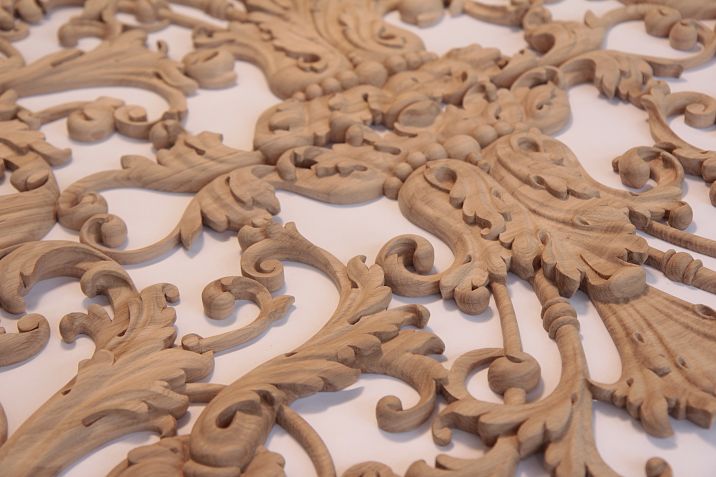
Natural wood has long attracted attention with its unique beauty, warmth, and durability. In modern interior design, wood finishing has become not merely a decorative method, but a true art form that combines centuries-old craft traditions with the latest technological advancements.Modern Wood Finishing Can transform any space, bring natural harmony, and highlight the uniqueness of the environment. In this article, we will thoroughly examine the history and evolution of wood finishing, modern trends in wood processing and application, its advantages, practical tips for selection and maintenance, as well as examples of successful implementation in residential, commercial, and public interiors.


History of Wood Finishing: From Craft Traditions to Modernity




Roots of Craftsmanship
The use of wood in interior finishing has ancient roots. In antiquity, before the advent of modern building materials, craftsmen created wooden items, paying special attention to every detail. Wood carving, planing, and hand sanding were an essential part of artisanal art. Each carved casing, molding, or panel told its own story, conveying the warmth and spirit of its time.
In those times, wood finishing served not only practical purposes — protecting surfaces and creating structural supports — but also fulfilled an aesthetic function, decorating homes, temples, and palaces. It was natural wood that gave spaces a sense of warmth, coziness, and vitality. Traditional processing techniques were passed down from generation to generation, and each family could be proud that their home was adorned with items created with great love and skill.
Our factory also produces:


Evolution of Technologies: From Handcraft to Automation
Over time, wood processing methods underwent significant changes. The emergence of machine tools, laser cutting, and computer modeling allowed not only to speed up production but also to increase its precision. Despite this, the value of handcraft remains undeniable: experienced artisans still bring a unique character to each item, emphasizing the individual characteristics of the wood.
Modern wood finishing combines the best traditional methods with innovative technologies. The use of high-precision tools allows creating complex decorative elements, delicate carvings, and unique textural solutions while preserving the naturalness and ecological properties of the material. This enables obtaining items capable of satisfying even the most demanding requirements of modern designers and architects.
Advantages of Modern Wood Finishing
Get Consultation
Natural Aesthetics and Individuality
One of the main advantages of natural wood is its unique texture and natural beauty. Each element of wood finishing — whether moldings, panels, cornices, or decorative inserts — has an incomparable wood grain pattern, individual shades, and natural luster. Such items create an atmosphere of warmth and coziness, transforming any space into one filled with life and natural harmony.
Modern Wood Finishing Allows highlighting the individuality of the interior. Unlike synthetic materials, wood has an unpredictable structure, and each board and panel is unique. This makes the interior exclusive, where every detail becomes an accent telling its own story. Natural wood finishing easily adapts to various styles — from classic to modern, from eclectic to minimalism.
Strength and durability
Natural wood is a material tested by time. With proper processing and protective treatments, wooden items can retain their aesthetic and functional properties for decades. Modern drying, planing, sanding, and finishing technologies significantly enhance wood's resistance to mechanical damage, moisture, and temperature fluctuations.
The longevity of wooden finishes is an important economic advantage. Quality wooden items do not require frequent replacement or repair, substantially reducing operational costs and making them a worthwhile investment for residential, office, and commercial spaces.
Ecological Safety
Modern society increasingly favors the use of eco-friendly materials. Natural wood is a renewable resource containing no toxic chemicals. Unlike synthetic materials, wood does not emit harmful substances and contributes to creating a healthy atmosphere indoors.
UsageModern Wood Finishing Complies with the highest ecological standards, which is especially important for residential spaces, schools, hospitals, and offices. The natural texture, warm tones, and authenticity of the material positively influence the microclimate, improving air quality and overall well-being of occupants.
Current Trends in Wooden Finishing Design
Minimalism and Clean Lines
One of the current trends in modern interior design is minimalism. Simple, uncluttered forms, absence of unnecessary ornamentation, and emphasis on functionality are defining features of minimalist design. In such interiors, modern wooden finishes are used to create accent elements, highlighting the natural beauty of wood and adding warmth to the space.
For example, minimalist wooden panels, moldings, or wall cladding can become a striking element that seamlessly integrates into the overall room style while retaining practicality and elegance. Simple yet expressive design allows highlighting the high quality of the material and makes the interior appear more spacious and bright.
Eclectic Mixing of Styles
Modern interiors are increasingly becoming platforms for experimenting with various styles and elements. An eclectic approach implies combining traditional and contemporary elements, where wooden finishes can play either a leading or supporting role. Combining classic carved panels with modern minimalist forms creates unique compositions where every detail matters.
Eclectic mixing of styles allows creating an interior that is not only functional but also emotionally rich. Natural wood used in finishes becomes a connecting element between different eras and styles, uniting traditional craftsmanship with modern technological solutions.
Technologies of the Future and Innovative Solutions
The development of digital technologies and automation in production opens new horizons for processing natural wood. Laser cutting, computer modeling, and automated planing enable creating items with unprecedented precision and complexity of forms. These innovative methods not only enhance the quality and longevity of products but also allow realizing the most daring design concepts.
Modern wooden finishes may include complex decorative elements, intricate carving, and unique patterns previously accessible only to master craftsmen with decades of experience. Technologies of the future open new opportunities for customization and creating exclusive interior solutions, where each element is the result of careful planning and high-precision processing.
Application of Modern Wooden Finishes in Interiors
Decorative Panels and Cladding
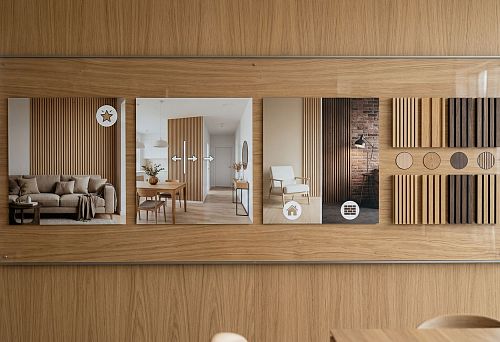
One of the most popular ways to apply wooden finishes is using decorative panels. They can be used for wall cladding, creating accent zones, or decorating ceilings. Wooden panels have natural textures and warm tones that give interiors coziness and harmony.
Modern wooden panels, produced using the latest technologies, are characterized by high precision and durability. They easily integrate into interiors, creating a sense of unity and coherence. Using natural wood for wall cladding not only decorates the space but also improves its acoustic properties, adding additional comfort.
Moldings, cornices, and baseboards
Decorative details such as moldings, cornices, and baseboards are important elements that define the architectural style of a space. Modern wooden finishes in the form of moldings and cornices can create a "frame" effect, highlighting the space and emphasizing its elegance.
These elements can be crafted in a classic style with decorative carved patterns or in a minimalist version with a smooth, polished surface. The choice depends on the overall interior concept. Wooden moldings and cornices not only decorate the space but also serve a practical function — protecting surfaces from damage and giving the design a finished look.
Furniture and accessories
Natural wood finds wide application in furniture production. Modern wooden tables, chairs, cabinets, and other interior items are characterized by strength, durability, and aesthetic appeal. Finishing furniture with natural wood gives it a unique charm, making each item one-of-a-kind.
Wooden accessories such as decorative stands, photo frames, lamps, and shelves can become striking accents in interiors. They highlight the natural beauty of the material and add warmth and coziness to the space. Using modern technologies allows creating furniture with individual design solutions that perfectly fit the concept of the space.
Interiors in Different Styles
Modern wooden finishes are versatile and can be used in interiors of various styles:
● Classic Style. In classic interiors, wood is used to create carved moldings, decorative panels, and furniture elements with intricate carving, emphasizing traditional craftsmanship and luxury.
● Minimalism and Scandinavian Style. Here, emphasis is placed on clean lines, natural tones, and functionality. Wooden panels and accessories help create a bright, spacious, and cozy environment.
● Industrial Style and Loft. Natural wood combined with metal and concrete creates a contrast that softens the coldness of industrial materials, adding warmth and individuality to the interior.
● Eclecticism. In mixed interiors, wood becomes a connecting element between different styles, combining traditional elements with modern accents and creating a unique, multi-layered space.
Practical Recommendations for Choosing and Maintaining Wooden Finishes
Material and Product Selection
When selecting wooden finishing elements, it is important to consider several key aspects:
● Wood species. Different species have different characteristics – oak panels are distinguished by solidity and rich texture, ash and beech add lightness and brightness to the interior, while walnut items exude elegance and luxury.
● Processing methods. Quality processing is the key to longevity. Pay attention to the smoothness of sanding, the quality of protective coatings application, and the precision of decorative elements.
● Ecological safety. Choose items that meet high ecological standards, made from natural materials using eco-friendly compounds.
● Design and functionality. Finishing elements should harmonize with the overall interior style and serve both aesthetic and practical purposes.
Installation and integration into interior
Proper installation of wooden finishing plays a key role in preserving its appearance and functionality:
● Surface preparation. Ensure that the walls, ceilings, or floors where the finish will be installed are flat, clean, and dry.
● Use of high-quality fastening materials. Reliable fixation prevents gaps and deformations, which is especially important for decorative panels and moldings.
● Adherence to manufacturer instructions. Each item has its own characteristics, so it is important to follow installation and maintenance recommendations.
Care for wooden finishing
To preserve the beauty and longevity of natural wood, regular care is required:
● Cleaning. Use soft cloths and specialized wood care products. Avoid aggressive chemicals that may damage the surface.
● Protective coating. Periodically treat the finishing with natural oils, waxes, or varnish to protect the wood from moisture, UV rays, and mechanical damage.
● Climate control. Maintain optimal humidity and temperature levels in the room to minimize the risk of warping and shrinkage of wood.
● Preventive inspection. Regularly check the condition of the finishing, especially at joints, and carry out repair work as needed.
Economic and ecological efficiency
Durability as the key to savings
Investments in quality wooden finishing are justified by its durability and resistance to wear. Properly processed and installed natural wood can serve for decades, avoiding frequent repair or replacement costs. This is especially relevant for commercial and public spaces, where reliability and longevity are critically important.
Ecological responsibility
Using natural wood in interior finishing is a choice in favor of ecological purity. In the context of modern urbanization and increasing requirements for indoor air quality, natural wood serves as an ecologically safe material, free of harmful substances. The use of eco-friendly finishing and treatment technologies contributes to creating a healthy and favorable environment for living and working.
Support for local crafts and sustainable development
By choosing products made of natural wood, you support traditional crafts and local production. Woodworkers use time-honored techniques passed down from generation to generation, contributing to the preservation of cultural heritage and the development of sustainable production methods. This is an important aspect for those who value not only quality but also social responsibility aimed at preserving natural resources.
Examples of modern wooden finishing implementation
Residential interiors
In modern apartments and houses, wooden finishing is used to create harmonious and cozy spaces. Natural panels, moldings, decorative inserts, and wall cladding create an atmosphere of warmth and comfort, transforming the home into a true refuge from urban hustle. Finishing can vary from classic to ultra-modern, depending on the owner's preferences and the overall interior concept.
For example, in Scandinavian interiors, light wooden panels complement minimalist design, creating a sense of spaciousness and purity. In classic interiors, natural wood adorned with carved elements emphasizes traditional elegance and luxury. Every detail, from wall finishing to built-in furniture, contributes to creating a unified composition where the home is filled with natural beauty and harmony.
Office and commercial spaces
Modern wooden materials are actively used in both office and commercial interiors. Offices decorated with natural wood create an atmosphere of stability, warmth, and professionalism, positively affecting employee productivity. Decorative panels, moldings, tables, chairs, and other elements made of natural wood are not only functional but also give the space a unique style.
In restaurants, cafes, and hotels, wooden finishing helps create a cozy and inviting atmosphere, contributing to the establishment's positive image. Natural wood used in finishing tables, walls, and other interior elements becomes a symbol of high quality and care for the environment, which is especially appreciated by modern customers.
Public and cultural spaces
In museums, libraries, and cultural centers, natural wood is used to create exclusive interiors that highlight historical significance and cultural heritage. Decorative panels, carved elements, wooden staircases, and railings create an atmosphere of solemnity and elegance. Modern processing technologies allow preserving traditional craftsmanship while adapting it to contemporary requirements and aesthetics.
Individual design projects
For those who aim to create a truly unique interior, modern wooden materials offer boundless possibilities. Custom-designed projects allow taking into account all client preferences: from selecting wood species and decorative carving to combining with other materials and color schemes. Such projects become true works of art, where every detail reflects the individual style and character of the owner.
For example, an exclusive living room design may include wooden panels with original painting or unique decorative elements crafted according to a custom sketch. This allows creating a space that is not only functional but also emotionally rich, inspiring admiration and inspiration.
Conclusion
Modern wooden finishing is not just a way to decorate interiors, but a whole philosophy that unites traditional craftsmanship with advanced technologies. Natural wood, thanks to its unique texture, natural tones, and unmatched durability, can transform any space, adding warmth, coziness, and individuality.
Choosing quality items made of natural wood is an investment in the longevity and aesthetic expressiveness of your interior. Durable, eco-friendly, and time-resistant materials create a space where every detail matters. Modern processing technologies allow achieving unprecedented precision and complexity in decorative elements, while the handcrafted work of artisans imparts each item with a unique character, preserving the soul of craftsmanship.
If you want to create an interior that will inspire, delight the eye, and serve for many years, pay attention to the wide range ofModern Wood Finishingoffered on the website of a verified manufacturer. Here you will find everything necessary to realize the boldest design ideas, whether decorative panels, moldings, cornices, or furniture elements.
Let your home, office, or any other space become a reflection of harmony with nature, where natural wood plays a key role in creating coziness, warmth, and aesthetic expressiveness. Modern wooden finishing is the choice of those who strive for quality, durability, and ecological responsibility, who value the uniqueness of each item and wish their space to be filled with natural beauty.
Natural wood has always been a source of inspiration for creative people. Modern wooden finishing, created using the best technologies and traditional craftsmanship methods, is capable of turning any interior into a work of art. Let your space be filled with warmth, harmony, and natural beauty, and let each finishing element tell its unique story, uniting the past, present, and future in an ideal symbiosis.