Article Contents:
- Ergonomic Component of Comfort
- Anthropometric standards
- Dynamic Ergonomics
- Materials as the Foundation of Long-Term Comfort
- Natural Solutions
- Innovative materials
- Functional Architecture of the Modern Home
- Transformable Solutions
- Integrated storage systems
- Zonal Planning and Room Specifics
- Relaxation and Leisure Zone
- Sleeping Zone
- Work Space
- Technological Innovations in Modern Furniture
- Intelligent systems
- Ecological technologies
- Psychological aspects of furniture selection
- Color Therapy
- Spatial Psychology
- Seasonal and Climatic Factors
- Adaptation to Climate
- Seasonal Functionality
- Economic Efficiency of the Choice
- Cost of Ownership Analysis
- Budget Optimization
- Modern Trends in Designing Comfortable Furniture
- Minimalism and Functionality
- Personalization and customization
- Specifics of Choosing Furniture for Different Age Groups
- Children's and Teenage Furniture
- Furniture for the Elderly
- Integration with smart home systems
- Sensory Technologies
- Voice Control
- Care and Maintenance of Comfortable Furniture
- Preventive maintenance
- Material Care
- Conclusion
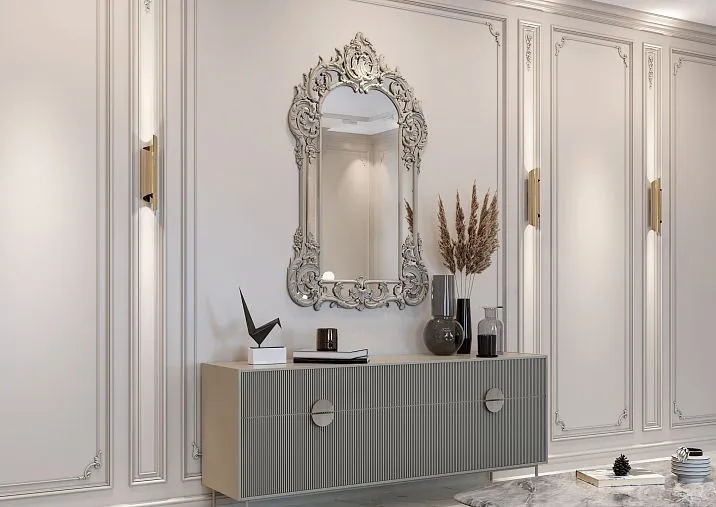
Do you know that comfortable furniture can not only transform your home but also radically change the quality of life? In our fast-paced world, where every minute counts, the question how to choose comfortable furniture becomes key to creating a comfortable refuge from daily stress. Properly selected furniture is not just beautiful interior items, but tools for creating a harmonious space where every element serves your comfort and well-being.
Modern approach to furniture selection requires deep understanding not only of aesthetic principles but also ergonomic features, functional capabilities, and long-term usage prospects. In an era when the home becomes a multifunctional space — office, gym, place of rest and creativity — each piece of furniture must fully meet the diverse needs of modern people.


Ergonomic Component of Comfort
The foundation of comfortable furniture are ergonomic principles — the science of adapting objects to the features of the human body. Ignoring these principles may lead to serious health problems, chronic fatigue, and reduced quality of life.




Anthropometric standards
When choosing furniture, it is critically important to consider individual physical parameters of all family members. The height of the chair or sofa seat should allow legs to stand freely on the floor, forming a right angle at the knees. For most adults, the optimal height is 42-45 cm, although for tall individuals (over 180 cm) 46-48 cm is preferable.
Seat depth affects weight distribution and back support. Proper depth allows the back to fully rest against the backrest, with a 5-8 cm gap between the edge of the seat and the popliteal fossa. Too deep a seat forces you to sit on the edge, depriving the back of support, while too shallow a seat creates discomfort under the hips.
The backrest angle should provide the natural S-curve of the spine. For office chairs, the optimal angle is 100-110 degrees, for relaxation — 105-120 degrees. Lumbar support deserves special attention, as it should be positioned at the level of the 3rd to 5th lumbar vertebrae.
Our factory also produces:


Dynamic ergonomics
Modern furniture should adapt to various types of activities. Adjustable elements allow customizing furniture for specific tasks and individual needs. Height-adjustable tables, multi-setting chairs, modular sofas — such solutions ensure maximum comfort in any situation.
The memory function in adjustment mechanisms becomes particularly important. Quality furniture should remember individual settings and easily return to them. This is especially relevant for families where multiple people with different physical parameters use the furniture.
Get Consultation
Materials as the foundation of long-term comfort
Material selection determines not only the aesthetic qualities of furniture, but also its functional characteristics, durability, and impact on human health.
Natural solutions
Solid wood remains the benchmark of quality and eco-friendliness. Different species have unique properties: oak is renowned for its strength and durability, beech for its uniform structure and stability, walnut for its beautiful texture and resistance to deformation. It is important to understand that natural wood requires special care and may react to changes in humidity and temperature.
Natural leather upholstery for soft furniture ensures exceptional comfort and longevity. It adapts to body temperature, allows air to pass through, and develops a noble patina with age. However, leather requires regular care and protection from direct sunlight.
Innovative materials
Modern composite materials offer an optimal combination of quality and affordability. High-density MDF surpasses natural wood in dimensional stability and moisture resistance. Quality MDF does not fall short of solid wood in strength, but requires less maintenance.
High-tech fabrics for upholstery combine comfort with practicality. Modern materials feature stain resistance, wear resistance, and colorfastness, while maintaining breathability and pleasant tactile sensations.
Functional architecture of a modern home
The layout of a modern residence requires furniture capable of adapting to various usage scenarios of space. Multifunctionality has become a key requirement for convenient furniture.
Transformable solutions
Transformer furniture solves the problem of limited space without compromising functionality. Modern sofa-beds are equipped with orthopedic mattresses and independent spring blocks, ensuring comfort for both sitting and sleeping. Transformation mechanisms have become more reliable and easier to use.
Modular systems allow creating configurations of any complexity and easily modify them as needed. This approach is especially effective when furnishing living rooms and work zones, where functional requirements may change over time.
Integrated storage systems
Convenient furniture should maximize the use of available space. Hidden storage systems in sofas, beds, and coffee tables help maintain order without compromising interior aesthetics. It is important that access to such systems is simple and does not require significant effort.
Integrated technological solutions have become an essential part of modern furniture. USB ports in bedside tables, wireless charging devices in tabletops, LED lighting in cabinets — such details significantly enhance usability.
Zonal planning and room-specific requirements
Each zone in the house has specific requirements for furniture. Understanding these features will help make the right choice and create the most comfortable environment.
Relaxation zone
Soft furniture for the living room should provide comfort for various activities — from watching TV to reading books. Sofas with adjustable backs and headrests allow each family member to find the optimal position. Special attention should be paid to the quality of the filling — modern polyurethane foams have a memory effect and provide proper body support.
Coffee tables should be at the correct height relative to the sofa — usually 1-2 cm lower than the seat level. Height-adjustable or convertible models ensure maximum functionality.
Sleeping zone
The bed is the central element of the bedroom, determining the quality of sleep and recovery. The sleeping space should allow free movement — at least 60 cm width per person, but preferably 80-90 cm. The height of the bed affects ease of getting up — the optimal height is 45-50 cm from the floor to the top of the mattress.
An orthopedic base with slats provides proper mattress support and air circulation. Quality slats are made of birch or beech and have adjustable firmness in different zones.
Work area
When organizing a home office, ergonomics becomes critical. The work desk should have sufficient surface area to accommodate all necessary items without creating chaos. A standard height of 75 cm suits people of average height, but adjustable-height desks are preferable.
An office chair is an investment in spinal health. A quality chair should have a synchronized rocking mechanism, adjustable lumbar support, armrests with multiple settings. The upholstery should be breathable to prevent overheating during prolonged work.
Technological innovations in modern furniture
Technological advancements fundamentally change the perception of what comfortable furniture should be. Smart solutions are integrated into traditional items, creating a new level of comfort.
Intelligent systems
Smart furniture with sensors and processors can analyze user behavior and automatically adapt to their needs. Chairs with massage functions that respond to stress levels, tables that automatically adjust height based on the time of day, beds with climate control — such solutions are already available and becoming increasingly popular.
Control systems should be intuitive and not complicate the use of furniture. The best solutions work unnoticed by the user, automatically creating optimal conditions for comfort.
Ecological Technologies
Biodegradable materials and recycling technologies are becoming an important factor when choosing furniture. Modern manufacturers offer solutions made from recycled plastic, rapidly renewable materials, eco-friendly paints and varnishes.
Energy-efficient technologies in furniture with electronic components help reduce energy consumption and environmental impact. LED lighting, energy-saving mechanisms, automatic shut-off systems — such solutions combine comfort with responsibility toward the environment.
Psychological aspects of furniture selection
Comfortable furniture affects not only physical comfort but also a person's psychological state. Understanding these relationships will help create a harmonious atmosphere in the home.
Color Therapy
The color palette of furniture significantly influences mood and emotional state. Warm wood tones create a sense of coziness and safety, while cool tones of glass and metal stimulate concentration and mental clarity. When choosing a color scheme, it is important to consider the functional purpose of the room and individual preferences.
Natural materials are psychologically perceived as more comfortable and safe. The texture of wood, natural fabrics, stone create a connection with nature, which is especially important in urban living conditions.
Spatial Psychology
The proportions of furniture relative to the size of the room affect the perception of space. Too large furniture in a small room creates a feeling of confinement and discomfort, while too small furniture in a spacious room may cause a sense of disorientation.
Furniture arrangement should facilitate natural movement through the space and create functional zones. Proper layout reduces stress and increases satisfaction with being in the space.
Seasonal and climatic factors
When choosing comfortable furniture, it is necessary to consider the climatic characteristics of the region and seasonal changes in operating conditions.
Adaptation to Climate
In regions with high humidity, special attention should be paid to the moisture resistance of materials and anti-corrosion coatings on hardware. Furniture should have additional protection against mold and fungi, especially in bedrooms and living rooms.
In dry regions, wooden furniture may crack and warp. Additional measures are needed to maintain air humidity and protect furniture from drying out.
Seasonal Functionality
Summer and winter needs may differ significantly. Furniture with seasonal covers, the ability to replace upholstery, and ventilation adjustment ensures comfort throughout the year. This is especially relevant for soft furniture and office chairs.
Economic Efficiency of Selection
Comfortable furniture is a long-term investment, and the right approach to selection can ensure significant savings in the long run.
Analysis of ownership cost
Initial cost is only part of the total expenses for furniture. It is necessary to consider costs for maintenance, repairs, and possible replacement of components. High-quality furniture may cost more initially, but it will be cheaper to operate.
Modularity and the possibility of modernization allow adapting furniture to changing needs without full replacement. This is especially important for children's furniture and work systems.
Budget optimization
Gradual purchase of quality furniture allows distributing expenses over time and avoiding compromises in quality. Start with basic items — beds, desks, main storage systems.
Seasonal sales and special offers from manufacturers of quality furniture can provide significant savings. It is important not to be tempted by discounts on low-quality products — the savings will be illusory.
Modern Trends in Design of Comfortable Furniture
Understanding current trends will help choose furniture that remains modern and functional for many years.
Minimalism and functionality
Minimalist forms without decorative excesses not only look modern but also simplify furniture maintenance. Clean lines, simple shapes, maximum functionality — these are the main principles of modern design.
Hidden Complexity — when a simple exterior hides thoughtful functionality and numerous usage possibilities. Such furniture adapts to various situations without losing its aesthetic appeal.
Personalization and Customization
Individual solutions are becoming increasingly accessible due to advances in manufacturing technology. The ability to order furniture to individual sizes and requirements allows achieving maximum suitability for the specific user's needs.
Modular systems with wide configuration options give users the freedom to create unique interior solutions.
Specifics of Choosing Furniture for Different Age Groups
Convenient furniture should take into account age-related characteristics and changing user needs at different life stages.
Children's and adolescent furniture
Children's furniture should ensure safety, stimulate development, and easily adapt to a child's growth. Adjustable tables and chairs, rounded corners, eco-friendly materials — these are the main requirements for children's furniture.
Adolescent furniture should combine the functionality of adult furniture while considering the specific needs of this age group — spaces for studying, creativity, and socializing with friends.
Furniture for the elderly
Ergonomic requirements for the elderly include increased seat height to facilitate standing up, additional supports, and absence of sharp corners. Furniture should be intuitive to use and require minimal physical effort.
Integration with smart home systems
Modern convenient furniture is increasingly becoming part of the smart home ecosystem, providing a new level of comfort and automation.
Sensory technologies
Sensors for presence in furniture can automatically turn on lighting, regulate temperature, activate massage functions. Such solutions enhance comfort and energy efficiency.
Biometric sensors can analyze the user's condition and automatically adjust furniture parameters to ensure maximum comfort and support for health.
Voice control
Integration with voice assistants allows controlling furniture without using hands, which is especially convenient during work or rest. The ability to control lighting, chair position, and music via voice creates a sense of magic in everyday life.
Care and maintenance of convenient furniture
Proper care not only extends the lifespan of furniture but also maintains its functional characteristics at a high level.
Preventive Maintenance
Regular preventive maintenance of transformation mechanisms, adjustment systems, and electronic components ensures stable operation and prevents serious breakdowns. Most manufacturers provide detailed maintenance instructions.
Seasonal maintenance includes checking fasteners, lubricating mechanisms, and cleaning filters in ventilation systems. This approach significantly extends the lifespan of furniture.
Material care
Care for different materials requires using appropriate products and methods. Natural leather needs conditioners, wood requires protective oils, fabrics require professional cleaning.
Protection against damage includes using covers, stands, and limiting exposure to direct sunlight. Preventing damage is cheaper than repairing it.
Conclusion
The Art of Selection convenient furniture requires a comprehensive approach that considers multiple factors — from ergonomic principles to modern technological capabilities. The foundation of proper selection lies in understanding that furniture should serve the person, adapting to their needs and lifestyle, rather than the other way around.
Modern technologies open up previously unseen possibilities for creating truly convenient furniture. Smart systems, innovative materials, and personalized solutions enable achieving the ideal balance between comfort, functionality, and aesthetics. At the same time, it is important not to forget fundamental principles — material quality, structural reliability, and ergonomic correctness.
Choosing convenient furniture is an investment in quality of life for many years. Properly selected furniture not only ensures physical comfort but also creates a positive psychological atmosphere, promotes productivity, and contributes to good well-being. In a world where the pace of life constantly accelerates and stress has become an inseparable part of daily life, the importance of a comfortable home environment is difficult to overestimate.
The future of the furniture industry is linked to further personalization, technology integration, and increased environmental responsibility. Manufacturers who understand these trends and are willing to invest in innovations create furniture that not only serves current needs but also adapts to future changes in lifestyle and technology.
STAVROS Company has been a leader in creating convenient and high-quality furniture for many years, combining traditional craftsmanship with modern technologies and innovative materials. Choosing STAVROS products means acquiring not just furniture, but comprehensive solutions for comfortable living, designed with all modern requirements for convenience, quality, and durability in mind.