Article Contents:
- History of Origin and Evolution of Sandro
- Constructive Features and Architectural Significance
- Typology and Stylistic Variants
- Materials and Manufacturing Technologies
- Functional Purpose in Modern Architecture
- Design and Calculation of Parameters
- Installation and mounting technology
- Restoration and Preservation of Historical Examples
- Modern trends and innovative solutions
- Regional characteristics and climatic requirements
- Economic Aspects and Cost Factors
- Integration into Modern Architectural Styles
- Conclusion
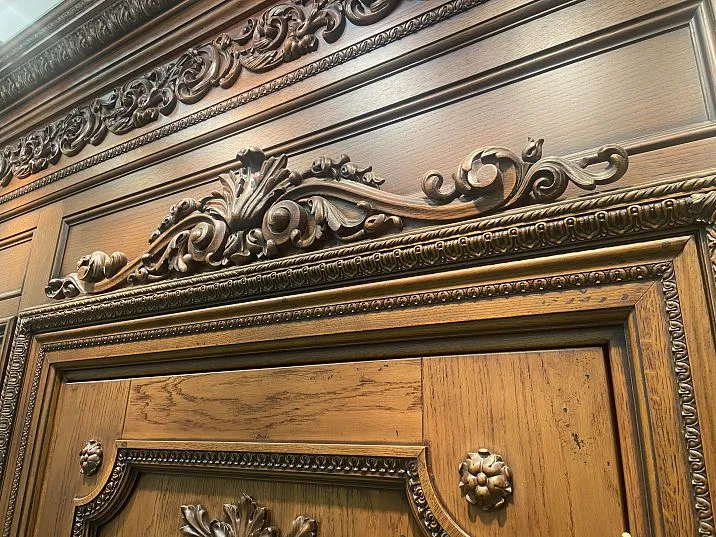
Architectural art for centuries has created unique masterpieces, where each detail played a special role in forming the overall appearance of the building. Among the multitude of decorative elements, a special place is occupied by Cornice in architecture — an elegant horizontal projection crowning window and door openings. This architectural element does not merely decorate the facade, but also carries deep symbolic meaning, emphasizing the status and significance of the building.


History of Origin and Evolution of Sandro
The origins of sandro trace back to ancient architecture, where this element first appeared as a functional detail protecting openings from atmospheric precipitation. Ancient architects understood that beauty and practicality must go hand in hand. Greek masters created simple yet elegant forms that harmoniously fit into the overall concept of temple architecture.
The Roman Empire contributed to the development of this architectural element, adding grandeur and monumentality to it. Sandrok cornice It became an indispensable part of grand entrances to patrician villas and public buildings. Roman architects complicated the profile of the element, added sculptural ornamentation, thereby laying the foundation for further development of decorative traditions.
The Middle Ages brought a new understanding of architectural decoration. Gothic masters transformed the classical sandro, adapting it to new aesthetic requirements. The element acquired more elongated proportions, characteristic of the vertical aspiration of Gothic architecture.
The Renaissance marked the triumphant return of classical forms. Italian architects once again turned to ancient models, but reinterpreted them through the prism of new artistic ideals. Cornice elements They became more plastic, enriched with ornamental motifs, and acquired the characteristic harmony of proportions of the Renaissance.




Constructive Features and Architectural Significance
Modern sandro represents a complex architectural composition consisting of several interconnected elements. The base is a horizontal projection — cornice — which may have varying depth and profiling. This element is supported by consoles or decorative brackets, which not only perform a constructive function but also serve as important facade ornamentation.
Architectural logic requires that Cornice in architecture it harmoniously relate to the overall proportions of the building. Its dimensions are determined not only by aesthetic considerations but also by practical needs for protecting openings from weather impacts. The optimal overhang of sandro ranges from 15 to 40 centimeters, depending on the height of the opening and climatic conditions of the region.
The profiling of sandro may vary from simple geometric forms to complex multi-level compositions. The classical profile includes a shelf, a gusset, a molding, and other architectural fragments, creating a play of light and shadow on the facade. Sandrok moldings complement the composition, creating a unified architectural frame around the opening.
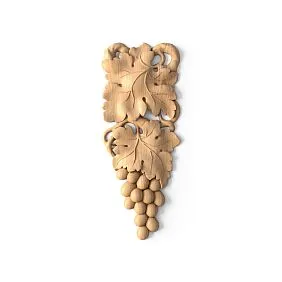
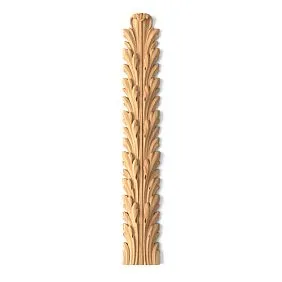
Our factory also produces:




Typology and Stylistic Variants
The variety of forms and stylistic solutions for sandro amazes the imagination. Depending on the architectural style of the building, this element may take the most diverse shapes, ranging from strictly geometric to whimsically curved.
The classical sandro is characterized by strict symmetry and clarity of proportions. Its horizontal shelf rests on consoles with a characteristic profile, including moldings, channels, and quarters. This solution is typical for Palladian architecture and Russian classicism of the 18th-19th centuries.
The Baroque sandro impresses with the plasticity of its forms and richness of decorative ornamentation. Wavy lines, volute-shaped consoles, plant motifs — all of this creates a sense of movement and dynamism. Sundial above the door In the Baroque style, it is often adorned with sculptural images, cartouches with coats of arms or monograms.
The Empire style is characterized by grandeur and pomp. This style, which emerged during the Napoleonic era, required architectural decoration to possess exceptional representativeness. The friezes of Empire buildings were often adorned with military trophies, laurel wreaths, eagles, and other symbols of military glory.
Modern brought a fundamentally new understanding of decorative arts to architecture. door frame trim The Modern style is characterized by smooth lines, plant motifs, and asymmetrical compositions. Friezes from this period often have whimsical outlines reminiscent of natural forms.
Get Consultation
Materials and Manufacturing Technologies
The choice of material for manufacturing a frieze is determined not only by aesthetic preferences but also by climatic conditions, architectural style of the building, and project budget. Each material possesses unique properties that influence the appearance and longevity of the architectural element.
Natural stone is traditionally considered the most prestigious material for manufacturing friezes. Marble, granite, sandstone, limestone — each type possesses its own decorative qualities. Stone friezes are distinguished by exceptional durability, but require high craftsmanship and significant financial investment.
Wood as a material for friezes gained widespread use in wooden architecture. Carved wooden Cornice elements creates a unique atmosphere of coziness and warmth. Modern wood processing technologies allow creating durable and beautiful items resistant to external factors.
Gypsum and plaster open up boundless possibilities for creating complex decorative compositions. Molded friezes can replicate any historical patterns or embody the architect’s original fantasies. This material allows creating delicate details impossible to achieve with stone or metal.
Modern polymer materials have revolutionized the production of architectural decoration. Polyurethane friezes combine lightness, strength, resistance to atmospheric effects, and affordable cost. Door Frame Trim Made of polyurethane can imitate any natural materials while possessing outstanding operational characteristics.
Functional Purpose in Modern Architecture
In modern construction, a frieze performs numerous important functions far beyond simple facade decoration. Primarily, it serves a protective function — a properly designed frieze effectively diverts rainwater from window and door openings, preventing wall dampness and efflorescence.
The architectural-compositional role of a frieze lies in creating rhythmic organization of the facade. Repeating elements create a certain rhythm perceived by the eye as a harmonious system. decorative doorway framing Becomes an important means of architectural expressiveness.
The psychological impact of a frieze on a person is difficult to overestimate. This element creates a sense of protection and stability, subconsciously associating with a reliable shelter. An entrance group with an attractive frieze is perceived as more prestigious and status-oriented.
Scale is another important function of a frieze. This element helps relate the size of the building to human proportions, making architecture more understandable and comfortable for perception. Properly selected frieze dimensions can visually enlarge or reduce an opening, correcting facade proportions.
Design and Calculation of Parameters
Designing a frieze requires a deep understanding of architectural proportions and structural features of the building. The first step is determining the stylistic affiliation of the object and selecting the appropriate type of frieze. Each architectural style dictates its own rules for proportioning and detailing.
The height of a frieze is usually 1/8 to 1/6 of the opening height, but this proportion may vary depending on specific conditions. For tall openings, more massive friezes are used, while for small windows, more elegant and lightweight ones are preferred. Corner decorative elements Complete the composition, creating a finished architectural solution.
Structural calculation of a frieze includes determining the load-bearing capacity of fasteners, wind load calculations, and thermal deformations. Special attention is paid to connection nodes to the building wall — they must ensure reliable connection without compromising the thermal insulation properties of the enclosing structures.
Detailing a frieze requires thorough development of all elements: cornice, brackets, decorative inserts. Each detail must be technologically feasible and economically justified. Moldings for painting Allow creating various finishing options, adapting the item to specific facade color schemes.
Technology of installation and mounting
Installing a frieze is a responsible operation requiring high qualifications of installers and adherence to technical requirements. The quality of installation determines not only the facade’s appearance but also the longevity of the architectural element.
The preparatory stage includes checking the geometry of openings, preparing mounting platforms, marking mounting locations. The wall must be cleaned of contaminants, leveled if necessary, and primed. Special attention is paid to waterproofing — all joints must be sealed to prevent moisture penetration.
Mounting a frieze to the wall is done using anchor bolts, dowels, or special fastening systems. The choice of fasteners depends on the wall material, frieze weight, and climatic loads. For heavy stone friezes, reinforced metal brackets are used; for lightweight polymer items, standard dowels suffice.
Sealing joints is a critically important installation stage. All connections must be carefully filled with weather-resistant sealant to prevent moisture penetration and formation of cold bridges. Quality sealing ensures the longevity of both the frieze and adjacent structures.
Restoration and Preservation of Historical Samples
Historical heritage requires careful handling and a professional approach to restoration. Cornice in architecture Historical buildings often require restoration or recreation of lost elements.
The assessment of condition begins with detailed photographic documentation, measurements, and determination of material degradation degree. Restorers study historical analogs, archival drawings, and photographs that allow restoring the original appearance of the element. Each restoration project is unique and requires an individual approach.
Material selection for restoration is a compromise between historical authenticity and modern requirements for durability. Sometimes it is justified to use modern materials imitating historical ones, if this ensures better preservation of the monument.
Restoration technology requires special skills and experience. Masters must be proficient in traditional crafts — stone carving, sculpting, gilding. Modern equipment helps speed up the process, but does not replace the manual work of highly skilled specialists.
Modern trends and innovative solutions
Modern architecture reinterprets traditional forms through the prism of new technologies and aesthetic concepts. and frames create a home atmosphere, making it truly cozy and individual. This is an investment in beauty, which pays off every day through aesthetic pleasure from admiring the beautiful. are today created using computer modeling, 3D printing, laser cutting, and other high-tech methods.
Parametric design allows creating complex geometric forms inaccessible by traditional methods. Algorithms generate ornaments, optimize proportions, create unique patterns for each specific project. This approach opens boundless creative possibilities for architects.
Ecological requirements dictate the use of sustainable materials and technologies. Recycled materials, bioplastics, composites based on natural fibers — all of these find application in modern architectural decoration production. Ecological sustainability becomes an important criterion for material selection.
Smart technologies are integrated into architectural decoration. Sondriks with built-in lighting, heating systems, temperature and humidity sensors — a reality of modern construction. Such solutions enhance functionality and create new opportunities for architectural expressiveness.
Regional characteristics and climatic requirements
Climate conditions significantly influence the structure and appearance of sondriks. In northern regions, more massive elements with increased overhangs are required to protect against snow and rain. Materials must withstand significant temperature fluctuations, freeze-thaw cycles.
Marine climate dictates special requirements for corrosion resistance of materials. Salt fog quickly destroys unprotected metal, requiring application of special coatings or corrosion-resistant alloys. Stone and ceramic materials show better durability under such conditions.
Seismic zones require special attention to mounting and construction of sondriks. Elements must be designed to account for seismic loads, have sufficient ductility to accommodate deformations of the main building without destruction.
Wind loads in open areas can reach significant values. Sondriks must be designed to withstand wind pressure and suction, have secure fastenings that prevent detachment of elements.
Economic aspects and cost factors
The cost of a sondrik consists of multiple components: materials, manufacturing, transportation, installation, finishing. Each item requires careful analysis to optimize overall costs without compromising quality.
Material selection significantly affects the overall project cost. Natural stone is expensive but ensures exceptional durability and prestige. Modern polymers are cheaper but require more frequent maintenance. Economic analysis must consider not only initial costs but also operational expenses throughout the entire lifecycle.
Manufacturing complexity directly affects the cost of the item. Simple geometric forms are cheaper than complex carved compositions. Mass production allows reducing unit cost, while individual orders are more expensive.
Logistical expenses can constitute a significant portion of the total cost, especially for heavy stone items. Optimizing transportation, using local materials and manufacturers helps reduce these costs.
Integration into modern architectural styles
Modern architecture is characterized by a variety of stylistic directions, each imposing its own requirements on architectural decoration. Minimalism strives for extreme simplicity of forms, excluding excessive ornamentation. Sondriks in minimalist architecture have concise geometric forms, neutral coloring, and are maximally integrated into the overall facade composition.
High-tech uses achievements of modern technologies to create futuristic images. Metallic sondriks with glossy surfaces, built-in lighting, non-standard proportions emphasize the technical aesthetics of this direction. Materials — steel, aluminum, composites — are selected based on their technological capabilities.
Neoclassicism revives traditional forms in a modern interpretation. Classical proportions combine with modern materials and manufacturing technologies. This approach allows creating architecture that meets modern requirements for comfort and energy efficiency while maintaining a connection with historical traditions.
Sondriks represent a unique phenomenon combining functionality and beauty, traditions and innovations, local characteristics and universal principles. This architectural element has undergone a long evolutionary path from a simple protective overhang to a complex work of decorative art.
Conclusion
Cornice in architecture Modern technologies open new creative opportunities for architects and designers, but do not eliminate the need for deep understanding of classical principles of proportioning and composition. The best modern examples of architectural decoration combine innovation and tradition, creating a harmonious environment for human life.
Selection and design of a sondrik require a comprehensive approach, taking into account the building's architectural style, climatic conditions, operational requirements, and the client's aesthetic preferences. Only such an approach allows creating a truly high-quality and durable architectural element.
The importance of a professional approach to manufacturing and installation of architectural decoration is difficult to overestimate. High-quality materials, precise adherence to technologies, and high qualifications of the workforce — the guarantee of successful implementation of the most ambitious projects.
The company STAVROS has many years of experience in creating high-quality architectural decoration. Our masters are proficient in both traditional crafts and modern technologies, enabling us to realize projects of any complexity. We understand that every detail is important for creating a harmonious architectural image, and we are ready to offer individual solutions for each client.
The company STAVROS has many years of experience in creating high-quality architectural decoration. Our masters are proficient in both traditional crafts and modern technologies, enabling us to realize projects of any complexity. We understand that every detail is important for creating a harmonious architectural image, and we are ready to offer individual solutions for each client.
Architectural decoration is an investment in beauty that pays off for years through aesthetic pleasure and increased status of the building. A properly designed and high-quality sandrik will become a facade ornament for decades, a testament to good taste and understanding of architectural traditions of its owner.