Article Contents:
- Introduction: The Modern Landscape of the Furniture Hardware Market
- Historical Overview: From Craft to Modernity
- Early Stages: Origins of Furniture Hardware Crafts
- Industrial Revolution: Mechanization and Mass Production
- Digital Era: CAD/CAM Revolution and Modern Methods
- Market Structure: Segmentation and Key Players
- Economic Indicators and Market Dynamics
- Competition and Positioning Strategies
- Role of Digital Technologies and Automation
- Impact of Innovations on Design and Product Functionality
- Globalization of the Furniture Hardware Market
- Strategies for International Competition
- Environmental Responsibility in Furniture Hardware Production
- Social Responsibility and Consumer Culture
- Analysis of Current Economic Indicators
- Development Forecasts and Market Scenarios
- Digital Marketing and Its Impact
- Traditional Promotion Methods
- Brand positioning strategies
- Changes in Consumer Behavior
- Cultural Heritage and Traditions
- Social Responsibility and Business Ethics
- Investments in Innovative Technologies
- Training and development of personnel
- Cooperation and Experience Exchange
- Focus on Product Customization
- Ecological Sustainability and Social Responsibility
- Technological Trends and Innovations
- Global Opportunities and International Expansion
- Forecasts and Development Scenarios
The world of furniture hardware is a dynamic, multifaceted, and highly competitive field where traditional craftsmanship intertwines with cutting-edge technologies, and the aesthetics of products and innovative solutions become the key to market success. From manufacturers of premium furniture hardware to suppliers of standard components for the mass segment — every market participant strives to meet the growing demands of modern consumers. In this article, we will thoroughly examine furniture hardware markets: their history, current state, key trends, challenges and opportunities, as well as future prospects. We aim to captivate your audience by offering in-depth analytical material, written with the skill of a professional, with a challenge where necessary, and with a gentle tone when discussing traditional values such as furniture manufacturing technology, classic furniture, traditional furniture, and furniture in classic style.
Learn more about global trends in the furniture industry on the Stavros website


Introduction: The Modern Landscape of the Furniture Hardware Market
Today, the furniture hardware market represents a complex ecosystem where the interests of manufacturers, distributors, designers, and end consumers intersect. Furniture hardware is an essential part of interior design, playing a key role in ensuring the functionality, aesthetics, and durability of the final product. In the face of rapid technological advancement, growing competition, and changing consumer preferences, furniture hardware markets are forced to adapt to new realities.
The modern consumer expects not only high quality and durability from products, but also individuality, innovative solutions, and ecological safety. That is why key concepts remain such as furniture manufacturing technology, which combines centuries-old traditions with digital innovations, and concepts like classic furniture and traditional furniture, symbolizing not only aesthetics but also quality proven over time.
In this article, we will consider:
● Historical Development of Furniture Hardware: From Crafts to Modern Production Lines.
● Current State of Furniture Hardware Markets and Their Segmentation.
● Technological Innovations, Digitization, and Automation in Hardware Production.
● Impact of Globalization, Economic, and Environmental Factors on Market Dynamics.
● Problems Faced by Market Participants and Strategies for Overcoming Them.
● Future Development Prospects and Forecasts for the Furniture Hardware Market.
Visit the Stavros website to learn about the best solutions in the furniture industry




Historical Overview: From Craft to Modernity
Our factory also produces:


Early Stages: Origins of Furniture Hardware Crafts
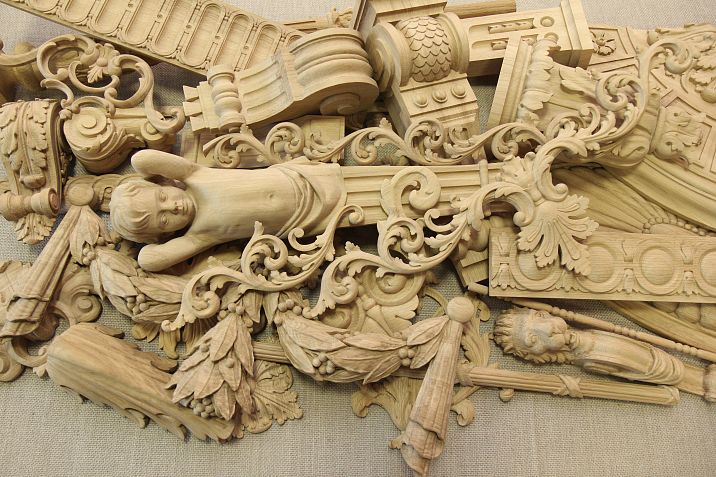
The history of furniture hardware begins long before mass production emerged. In ancient times, artisans used readily available materials to create the simplest mechanisms allowing furniture parts to be joined. Early products made of natural wood, metal, and leather were handcrafted, making each unit unique. Handcrafted skills, passed down from generation to generation, formed the foundation of future furniture manufacturing technology.
In those times, every hardware detail was crafted with particular care: locks, hinges, handles, and decorative elements carried not only functional but also artistic significance. It was precisely during this period that traditions emerged, which continue to be reflected in the concepts of classic furniture and traditional furniture. These traditions enable the creation of products possessing a unique style and longevity.
Get Consultation
Industrial Revolution: Mechanization and Mass Production
With the advent of the Industrial Revolution in the 19th century, manual labor gradually gave way to mechanized processes. The introduction of early machines, automated lines, and standardized production allowed for increased output volumes, reduced costs, and made furniture hardware accessible to a broader consumer base. However, mass production often came at the expense of individuality and artistic value of products.
Many traditional crafts were on the brink of extinction, but demand for quality and functional hardware never waned. On the contrary, new technologies enabled the combination of precision from mechanized production with the artistic vision of artisans, which is especially relevant for products belonging to the category of classic furniture. These products remain symbols of status and time-tested quality.
Digital Era: CAD/CAM Revolution and Modern Methods
With the emergence of computer technologies and systems for automated design (CAD) and production (CAM) at the end of the 20th century, the furniture hardware market underwent a qualitative leap. Modern digital tools allow for creating detailed 3D models of products, conducting virtual testing, and optimizing designs even before actual production begins.
Digitization not only enhances manufacturing precision but also significantly reduces development and product launch times. Specialized furniture design and planning software helps engineers and designers bring even the boldest ideas to life while maintaining the high quality standards characteristic of classic furniture.
Discover the latest technologies in the furniture industry on the Stavros website
Current state of the furniture hardware market
Market structure: segmentation and key players
The modern furniture hardware market can be conditionally divided into several main segments:
● Luxury segment. Here, the focus is on exclusivity, high quality standards, and individualized approach to each order. Products in this segment are often categorized as classic furniture and are characterized by refined design and durability.
● Mass segment. In this segment, standard products are produced for a broad range of consumers. Here, production optimization, cost reduction, and ensuring high functionality are important.
● Specialized solutions. This segment includes hardware for specific types of furniture, such as office, hotel, or household furniture. Innovative developments that allow integrating functional and decorative elements occupy a special place.
● Import-export sector. Globalization has significantly expanded the geography of deliveries. International trade in furniture hardware opens new markets and also promotes the exchange of experience and technologies between countries.
Each segment has its own features and development trends, requiring manufacturers to be flexible and continuously improve their products. Under growing global market competition, the key to success is the ability to quickly adapt to changes in demand and implement innovative solutions.
Economic indicators and market dynamics
Economic analysis of the furniture market shows steady growth in production and sales volumes, despite periodic crisis phenomena. Key factors influencing market dynamics include:
● Increase in consumer purchasing power. With rising incomes, demand for quality and exclusive products increases, positively affecting the development of the luxury segment.
● Digitalization of production. Implementation of modern software solutions contributes to increased efficiency, reduced costs, and improved product quality.
● Globalization of trade. International cooperation and opening new markets allow expanding sales geography, positively affecting sales dynamics.
● Changes in consumer behavior. Modern consumers increasingly focus on individual and eco-friendly solutions, stimulating manufacturers to adopt innovative technologies.
Despite positive trends, the market faces several challenges, such as currency exchange rate fluctuations, rising raw material costs, and stricter environmental regulations. These factors require companies to continuously monitor the situation and promptly adapt their strategies.
Learn about the latest economic trends in the furniture market on the Stavros website
Competition and positioning strategies
On the furniture market, competition is becoming increasingly fierce. A company's success depends not only on product quality but also on the effectiveness of marketing strategies, brand image, and ability to quickly respond to changes in consumer demand. Key positioning strategies include:
● Innovative developments. Implementing new technologies, automating production processes, and using digital tools allow creating unique and competitive products.
● Branding and image. Creating a strong brand based on quality traditions, such as classic furniture, helps win the trust of discerning customers.
● Individual approach. Product customization, the ability to adapt items to specific customer requests, and using interactive platforms for selecting configurations are becoming important factors of success.
● Environmental responsibility. Transparency of production processes and use of eco-friendly materials contribute to building a positive image and attracting loyal customers.
Companies successfully implementing these strategies occupy leading market positions and demonstrate steady growth even under high competition.
Technological innovations in furniture hardware
Role of digital technologies and automation
Modern technologies have changed all stages of furniture hardware production. Design programs, automated lines, and quality control systems allow achieving high precision and stability in products. Among key technologies, the following can be highlighted:
● CAD/CAM systems. Modeling programs allow creating detailed 3D models of products, conducting simulations, and optimizing designs before actual production begins.
● CNC machines. These technologies ensure precise cutting, drilling, and material processing, minimizing human error and reducing defect rates.
● Quality control systems. Using digital scanners, machine vision, and data analysis allows detecting even the smallest defects, which is especially important for luxury segment products, such as classic furniture.
● Internet of Things (IoT). Integration of sensors and smart control systems allows real-time monitoring of all production process parameters, contributing to increased efficiency and reduced costs.
These innovative solutions play a decisive role in the development of furniture manufacturing technology, enabling the creation of products meeting the highest standards of quality and aesthetics.
Influence of innovations on the design and functionality of products
Digital technologies not only improve production processes but also significantly impact the design and functionality of products. Modern furniture design and modeling programs allow:
● Visualize products in virtual reality. This helps designers and clients preview the final result, make necessary adjustments, and approve the optimal solution.
● Personalize design. The ability to adapt projects to individual requirements allows creating unique solutions that meet the demands of discerning audiences.
● Optimize product construction. Modern analysis systems enable detailed calculations of strength, ergonomics, and other parameters, making each product not only aesthetically pleasing but also functional.
● Integrate traditional motifs with modern technologies. Furniture design programs help preserve the aesthetics of classic and traditional furniture, adapting it to modern trends and needs.
Learn about the latest design solutions in the furniture industry on the Stavros website
Global trends and international competition
Globalization of the furniture hardware market
The global furniture hardware market is becoming increasingly integrated. International cooperation, technology and experience exchange contribute to market expansion and quality standards improvement. Key aspects of globalization include:
● Export and import. Companies capable of successfully entering foreign markets demonstrate high competitiveness and steady growth.
● International exhibitions and conferences. Such events facilitate knowledge exchange, establish business contacts, and promote new technologies.
● Product certification. Compliance with international quality and safety standards is a mandatory condition for successful global trade.
● Adaptation to local markets. Understanding cultural specifics and consumer preferences of different countries enables creating products in demand on the international market.
Strategies for international competition
To successfully compete in the global market, furniture hardware manufacturers apply the following strategies:
● Innovative developments. Implementing the latest technologies and continuously updating the product range allows offering products that outperform competitors.
● Brand differentiation. Creating a unique image based on quality, traditions, and innovation helps gain consumer trust.
● Localized production. Organizing manufacturing capacities in different regions allows reducing costs and more flexibly responding to demand changes.
● Active use of digital channels. Internet marketing, online sales, and virtual showrooms are becoming important tools for promoting on the international market.
Learn how global trends affect the furniture industry on the Stavros website
Environmental and social aspects
Environmental responsibility in hardware production
Modern consumers increasingly prioritize eco-friendliness when purchasing goods. For the furniture industry, this means the need to adopt sustainable technologies, use natural materials, and reduce negative environmental impact. Key measures include:
● Use of eco-friendly materials. Applying solid natural wood, recycled materials, and non-toxic compositions has become standard.
● Energy-saving technologies. Implementing automation systems and optimizing production processes allow reducing energy consumption.
● Waste recycling systems. Modern methods allow minimizing waste volume and ensuring its further processing.
● Product certification. Compliance with international environmental standards increases consumer trust and supports brand promotion.
These measures are important not only from the perspective of environmental protection but also for building a positive brand image, especially in the classic furniture and traditional values-oriented segments.
Social Responsibility and Consumer Culture
On the furniture market, social and cultural aspects play a significant role. Companies demonstrating social responsibility actively participate in charitable projects, support local communities, and promote sustainable consumption. Key aspects include:
● Support for crafts and traditions. Preserving and developing crafts such as classic furniture manufacturing contributes to the transmission of cultural heritage and maintaining high quality standards.
● Training and development of staff. Investments in specialist training and professional development are essential for the successful development of the industry.
● Ethical business practices. Transparency in production processes, honest competition, and respect for consumers help build trust and foster a loyal audience.
Economic Prospects and Development Forecasts
Analysis of Current Economic Indicators
Despite periodic economic fluctuations, the furniture market demonstrates steady growth. Factors contributing to this include:
● Increase in consumer purchasing power.
● Expansion of export opportunities and global integration.
● Development of e-commerce and digital technologies.
● Increased demand for quality and exclusive products.
Economic analysis shows that the furniture hardware market has significant potential for further development, particularly in segments focused on innovative technologies and product customization.
Market Development Forecasts and Scenarios
Depending on global economic trends and technological innovations, several scenarios for the development of the furniture market can be identified:
- Optimistic scenario. Active implementation of innovations, growth in export potential, and sustained demand for luxury products contribute to rapid market growth and expansion.
- Conservative scenario. With moderate economic growth, the market stabilizes, and competition forces companies to optimize production processes and reduce costs.
- Pessimistic scenario. Under conditions of global economic instability and high costs, the industry faces reduced demand and the need for major reforms.
The key factor for successful development remains the ability of companies to adapt to changes, implement innovative solutions, and preserve traditional values such as the quality of products in the classic furniture style.
Review the forecasts and development strategies for the furniture market on the Stavros website
Role of Marketing and Branding in the Furniture Industry
Digital Marketing and Its Impact
Modern marketing tools, including SEO, content marketing, social networks, and PPC advertising, play a decisive role in promoting products on the furniture market. Effective digital marketing helps:
● Attract new audiences. Advertising campaigns on social networks and search platforms allow for rapid targeting of the desired audience.
● Strengthen the brand. High-quality content, success stories, and demonstration of production traditions, such as furniture manufacturing technology, help create a positive image.
● Increase customer loyalty. Interactive engagement, online consultations, and the ability to customize orders contribute to building long-term relationships with customers.
Traditional Promotion Methods
Despite the dominance of digital channels, traditional marketing methods remain relevant. Participation in trade shows, organizing demonstration showrooms, and print advertising help convey to consumers the value of the product and its unique features. Combining digital and traditional methods enables the creation of comprehensive marketing strategies capable of winning the trust of discerning audiences.
Brand positioning strategies
Key elements of successful branding in the furniture market are:
● Unique Selling Proposition (USP). Defining distinctive product features such as exclusive design, high functionality, and durability.
● Emotional connection with the consumer. Success stories, tales of production traditions, and demonstrations of quality in classic furniture style create a deep emotional bond.
● Continuous improvement. Constantly updating the product range, introducing innovations, and adapting to changing market needs allow brands to maintain leading positions.
Learn how successful brands conquer the market on the Stavros website
Influence of social and cultural factors
Changes in consumer behavior
Modern lifestyle trends, urbanization growth, and changes in social structure lead to consumers becoming increasingly demanding and informed. Key trends include:
● Personalization. Consumers seek unique, customized solutions that reflect their lifestyle.
● Multifunctionality. Products must be not only aesthetically pleasing but also practical, fulfilling multiple needs simultaneously.
● Environmental awareness. Growing attention to ecological and sustainable development issues stimulates demand for products manufactured according to ecological standards.
These changes directly impact the development of the furniture hardware market, requiring manufacturers to continuously improve their products and adopt innovative technologies.
Cultural heritage and traditions
On the furniture hardware market, traditional crafts and cultural heritage play an important role. Items in classic furniture style and classic furniture remain consistently popular due to their aesthetic value and durability. These traditions form the basis for creating unique products that combine centuries-old experience with modern technologies.
Learn more about traditional values in the furniture industry on the Stavros website
Social responsibility and business ethics
Companies operating in the furniture market increasingly strive for their activities to be not only profitable but also socially responsible. Ethical business practices, support for local communities, care for the environment, and transparency in production processes have become important aspects influencing brand reputation. Such companies win consumer trust and occupy leading positions in the market.
Practical recommendations for participants in the furniture hardware market
Investment in innovative technologies
To remain competitive, market participants must continuously invest in new technologies. It is recommended:
● Implement modern CAD/CAM systems for designing and modeling products.
● Use CNC machines to improve processing accuracy.
● Invest in automation and digital quality control systems to reduce defect rates and optimize production.
Training and development of staff
The key to success is continuous staff training. Regular training sessions, seminars, and participation in international exhibitions will help:
● Quickly adopt new technologies and production methods.
● Improve work quality and maintain a high level of craftsmanship.
● Adapt to industry changes and adopt best global practices.
Cooperation and knowledge exchange
Successful business on the furniture market requires close cooperation between manufacturers, suppliers, and distributors. It is recommended:
● Establish strategic partnerships for exchanging knowledge and technologies.
● Participate in industry conferences and exhibitions to stay updated on the latest trends.
Use collaborative projects to develop innovative solutions capable of enhancing competitiveness.
Focus on product customization
Modern consumers expect unique solutions tailored to their individual needs. To achieve this:
● Develop flexible ordering systems that allow customization of product parameters (color, material, dimensions, decorative elements).
● Use digital marketing opportunities to draw attention to customized projects.
● Implement interactive platforms that allow customers to participate in the selection and design process of the product.
Learn how customized solutions are transforming the furniture hardware market on the Stavros website
Environmental sustainability and social responsibility
Current trends dictate the need to transition to sustainable technologies. In this direction, the following should be pursued:
● Use environmentally friendly materials and non-toxic compositions.
● Implement energy-saving systems and waste recycling systems.
● Transparently demonstrate commitment to environmental safety standards, which increases consumer trust.
Market prospects for furniture hardware
Technological trends and innovations
The future of the furniture market directly depends on the adoption of new technologies. In the coming years, the following is expected:
● Increased digitization. Even broader use of CAD/CAM systems, 3D visualization, and virtual reality to create detailed product models.
● Production automation. Expansion of CNC machine and robotic line applications, which will increase precision and reduce product costs.
● Application of artificial intelligence. Implementation of AI for data analysis, demand forecasting, and optimization of production processes.
● Eco-friendly innovations. Development of new, sustainable materials and recycling technologies capable of reducing negative environmental impact.
These trends not only improve product quality but also create new opportunities for brand differentiation, especially in the segment of products related to classic and traditional furniture.
Global opportunities and international expansion
Globalization opens new horizons for participants in the furniture hardware market:
● Expansion of exports. Entering international markets contributes to increased sales volumes and enhanced brand recognition.
● International cooperation. Exchanging technologies and experience with foreign partners helps implement best practices and improve quality standards.
● Integration with global supply chains. Optimizing logistics and establishing cooperation with international distributors allows reducing costs and speeding up product delivery.
Learn about international cooperation opportunities in the furniture industry on the Stavros website
Forecasts and development scenarios
Experts predict that the furniture hardware market will continue to grow in the coming years. The following development scenarios are possible:
- Optimistic scenario. Active adoption of innovations, growth of export potential, and increased demand for high-quality products contribute to rapid industry growth. Companies capable of adapting to modern requirements and actively investing in new technologies will occupy leading positions.
- Conservative scenario. With moderate economic growth, the market stabilizes, and competition forces companies to optimize processes and reduce costs. In this case, development will be gradual but sustainable.
- Pessimistic scenario. Under conditions of global economic instability and sharp cost increases, the industry will face growth slowdown, requiring major reforms and rethinking of strategies.
The key to success remains the ability of companies to quickly respond to changes, implement innovative solutions, and preserve traditional values such as quality, time-tested, inherent to classic furniture.
Conclusion: Looking ahead at the future of the furniture hardware market
Today's furniture hardware markets represent a unique blend of tradition, innovation, and global trends. The industry's history, from ancient crafts to modern digital technologies, shows that success depends on the ability to adapt to changing conditions and leverage the latest achievements to create high-quality products.
Key conclusions:
● Technological integration. Modern automation and digitalization systems allow for significantly improved product quality and optimized production processes. These innovations become a guarantee of success in the market, where traditional principles of furniture manufacturing technology do not lose their relevance.
● Environmental sustainability. Implementing sustainable technologies and using eco-friendly materials have become key factors in building a positive image and gaining consumer trust.
● Global opportunities. International cooperation and expansion open new markets, enabling furniture manufacturers to reach global levels and compete with leading brands.
● Individualized approach. Modern consumers value unique, personalized solutions, making flexibility and adaptability key factors for success.
● Preservation of traditions. Despite active implementation of innovations, traditional methods such as creating items in the style of classic furniture and classical furniture remain important for forming a unique product.
Visit the Stavros website to learn more about current trends in the furniture industry
Recommendations for specialists and market participants
To successfully compete and develop in the furniture hardware market, it is recommended:
- Invest in innovative technologies. Implementing advanced digital tools, automated lines, and quality control systems will help reduce costs and increase competitiveness.
- Train and develop personnel. Continuous professional development of specialists and participation in international seminars and exhibitions will help master the latest technologies and methods.
- Establish strategic partnerships. Cooperation with leading global brands and suppliers will facilitate the exchange of experience and technologies, contributing to business growth.
- Focus on product customization. Using modern systems for personalized orders and adapting products to specific customer requests will help win consumer loyalty.
- Adhere to ecological standards. Transitioning to sustainable production methods and using eco-friendly materials will contribute to strengthening the company's image and attracting discerning audiences.
- Actively use digital marketing. Developing a comprehensive promotional strategy including SEO, social media, and content marketing will help attract target audiences and strengthen the brand.
Final Reflections
Furniture hardware markets are undergoing dynamic transformations driven by technological innovations, globalization, and shifts in consumer preferences. Success in this industry depends on the ability to combine traditional craftsmanship with modern technologies, creating products that not only meet practical needs but also inspire with their aesthetics and quality.
Modern solutions such as combining furniture manufacturing technology with classic furniture and classical furniture methods exemplify how traditions can harmoniously coexist with innovations. Growing demand for customized and eco-friendly products creates enormous opportunities for those willing to invest in technology development and refinement.
The future of the furniture hardware market promises to be rich with new discoveries, where digitalization and automation will become an integral part of the production process. Companies capable of adapting to new challenges and leveraging modern technologies to create unique solutions will lead the global market.
Learn more about trends and innovations in the furniture industry on the Stavros website
In conclusion, success in the furniture hardware market is achieved through a balance between tradition and innovation. Only by integrating the best global practices with a unique approach can one create products that become true works of art, capable of meeting the highest expectations of discerning consumers.