Article Contents:
- Philosophy of Russian style: between tradition and modernity
- Architectural foundations: from izba to estate
- Izba: folk wisdom in architecture
- Estate style: aristocratic elegance
- Color palette: from earth tones to imperial golds
- Materials: tribute to nature and craftsmanship
- Wood — the soul of the Russian house
- Stone: foundation of stability
- Ceramics and izbets
- Architectural decoration: from simple to refined
- Carved elements
- Corbels and capitals
- Decorative appliqués
- Layout and zoning: from general to specific
- Principles of Russian house layout
- Space zoning
- Furniture in Russian style: from chests to palace sets
- Traditional furniture
- Modern interpretation
- Soft furniture
- Textiles and rugs: softness and warmth
- Traditional Russian fabrics
- Patterns and ornaments
- Modern application
- Lighting: from rushlights to chandeliers
- Principles of lighting in Russian style
- Traditional lanterns
- Modern solutions
- Fireplaces and stoves: the heart of the Russian house
- Traditional Russian stove
- Fireplaces in Russian style
- Izba tiles and cladding
- Modern technologies in Russian interior
- Technology integration
- Ecological solutions
- Seasonality in Russian interior
- Winter interior
- Summer transformation
- Regional characteristics of Russian style
- Northern traditions
- Southern motifs
- Siberian motifs
- Russian style in different rooms
- Living room — center of family life
- Kitchen — the queen’s domain
- Bedroom — sanctuary of rest
- Plants and nature in Russian interior
- Houseplants
- Winter garden
- Festive decoration
- New Year and Christmas
- Maslenitsa and Easter
- Modern trends in Russian style
- Neo-Russian style
- Ecological approach
- Global influences
- Project creation: from idea to implementation
- Planning
- Choosing specialists
- Quality Control
- Conclusion
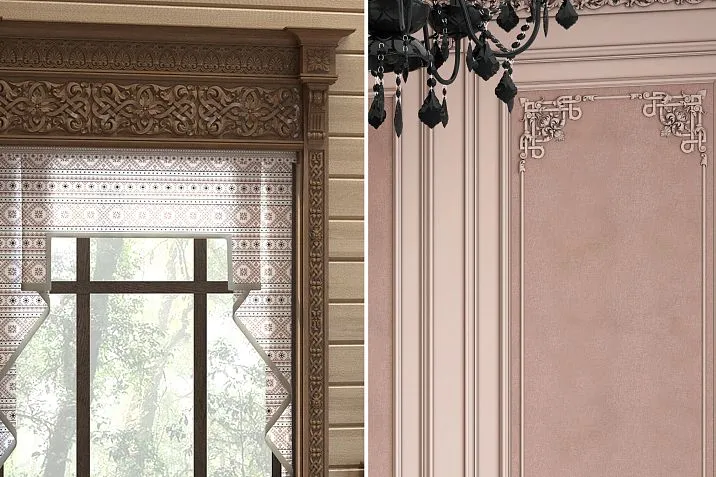
When it comes to creating a truly soulful and unique space, Russian style in the interior of a country house remains the unmatched choice for those who value cultural heritage and seek harmony with nature. This style is not merely a fashion trend or nostalgia — it is a philosophy of life embodied in architectural forms, materials, and decorative elements.
In today’s world, where globalization erases cultural boundaries, turning to national roots becomes an act of creative resistance and the search for authentic identity. A country house designed in Russian traditions transforms into an oasis of tranquility, where every detail tells the story of a multi-century culture.


Philosophy of Russian style: between tradition and modernity
What makes Russian style in interior design special? Primarily, it is a deep understanding of the connection between humans and nature. Our ancestors did not build houses in opposition to the environment — they created spaces that harmoniously integrated into the landscape, using local materials and considering climatic features.
Natural harmony is the foundation of Russian interior design. Wood here is not merely a building material, but a living substance preserving the energy of the forest. Stone, clay, linen — all these materials create an atmosphere in which a person feels part of the greater world. Beautiful wooden houses always distinguished themselves by a special warmth and coziness that cannot be recreated using artificial materials.
Functionality without excess — another principle of Russian style. Every element of the interior has a practical purpose, yet also carries an aesthetic load. A massive oak table serves not only for meals — it becomes the center of family life, a gathering place for several generations. The stove does not merely heat the house — it creates a special atmosphere of warmth and security.




Architectural foundations: from izba to estate
Russian architectural tradition is incredibly rich and diverse. From simple peasant izbas to luxurious noble estates — each type of building has its distinctive features, which can be adapted for a modern country house.
Our factory also produces:


Izba: folk wisdom in architecture
Traditional Russian izba — this is not merely a dwelling, but a complex system of space organization developed over centuries. The central role of the stove, spacious main room, red corner with icons — all these elements can be reinterpreted in a modern context.
In a country house, the stove can become a tiled fireplace, creating a focal point in the living room. The main room transforms into a spacious room with high ceilings and large windows. The red corner — a place for displaying family heirlooms, works of art, or simply a cozy nook for reading.
Get Consultation
Estate style: aristocratic elegance
Noble estates of the 18th-19th centuries demonstrate a more refined approach to decorating a private house in the traditional Russian style. Here, Russian traditions combine with European influences, creating a unique cultural synthesis.
Characteristic features of the estate style:
- Anfilades of rooms with high ceilings
- Parquet floors made of valuable wood species
- Tiled stoves with artistic painting
- Libraries with carved bookcases
- Winter gardens and galleries
Color palette: from earth tones to imperial golds
Color selection plays a key role in creating an authentic atmosphere of Russian interior design. The traditional palette is based on natural shades that evoke a sense of stability and tranquility.
Basic colors of Russian style:
- Warm wood tones from light birch to dark oak
- Cream and milk tones of natural limewash
- Terracotta tones of clay pottery and tiles
- Deep blue tones characteristic of Gzhel painting
Accent colors add vibrancy and festivity:
- Cinnabar-red — the color of Russian palaces and boyar luxury
- Gold — symbol of wealth and spirituality
- Emerald-green — the color of malachite and Russian forests
- Sapphire-blue — reflecting the depth of the sky
It is important to remember that in Russian interior design, color never exists on its own — it is always associated with material and texture. Gold is not just paint, but real gilded metal on icons and carved elements. Blue is cobalt on ceramics, not synthetic pigment.
Materials: homage to nature and craftsmanship
Wood — the soul of the Russian home
Wood in Russian interiors is not just a finishing material, but the foundation of the philosophy of habitation. Interiors of wooden houses always differed by a special energy and microclimate, favorable for health.
Wood species in Russian style:
- Oak — symbol of strength and durability, ideal for flooring and furniture
- Spruce — creates a special aroma and atmosphere, traditionally used for walls and ceilings
- Birch — light wood for furniture and decorative elements
- Linden — soft wood for carved details and bath accessories
Modern technologies allow preserving the full beauty of natural wood while protecting it from pests and moisture. At the same time, it is important to use eco-friendly stains and varnishes to avoid disrupting the material's natural structure.
Stone: foundation of stability
Stone in Russian architecture symbolizes reliability and connection to the earth. In a country house, stone elements create contrast with the warmth of wood and add solidity to the interior.
Traditional stone materials:
- White limestone for foundations and decorative elements
- Red brick for stoves and fireplaces
- Granite for steps and window sills
- Sandstone for facade cladding
Ceramics and izrazets
Ceramic items occupy a special place in Russian interiors. Izrazets stoves, painted tableware, decorative tiles — all of this creates the unique character of a Russian home.
Modern masters revive ancient techniques of izrazets production, creating unique works of art for fireplaces and stoves. Each izrazet is hand-painted, making every stove unique.
Architectural decoration: from simple to refined
Decorative elements in Russian interiors carry not only aesthetic, but also symbolic significance. Each carved detail, each ornament has its own meaning and history.
Carved elements
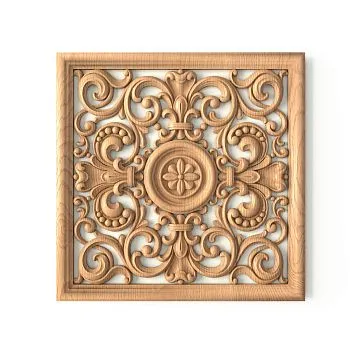
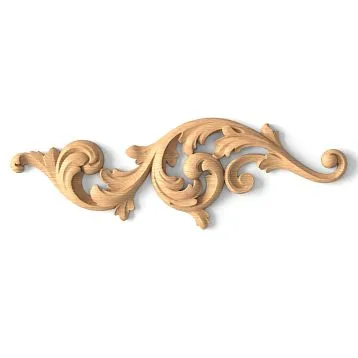
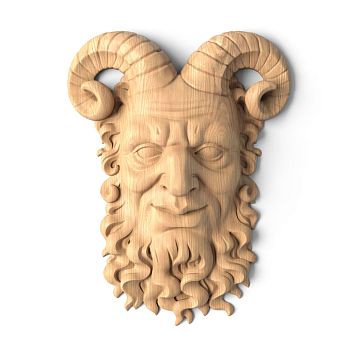
Carved Elements — the hallmark of Russian style. From simple geometric patterns to complex floral ornaments — wood carving demonstrates craftsmanship and artistic taste.
Main types of carved decoration:
- Applied elements for furniture and doors
- Brackets for shelves and cornices
- Capitals for columns and pilasters
- Balusters for staircases and balconies
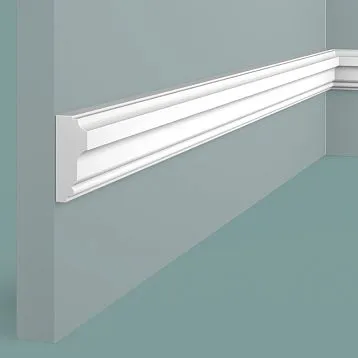
- Window and door casings
Russian Style Collection Offers a wide selection of carved elements, crafted in the finest traditions of Russian craftsmanship. Each element is handmade from solid oak or beech, ensuring durability and uniqueness.
Brackets and capitals
Brackets Russian style These are not just functional elements, but true works of art. They support shelves, cornices, balconies, while simultaneously decorating the interior with carved patterns.
Capitals Russian style Complete columns and pilasters, adding grandeur and majesty to the interior. Various capital designs allow creating a unique look that matches the character of the house and the tastes of its owners.
Decorative appliqués
Decorative appliqués Russian style Transform ordinary furniture into works of art. Inlays with traditional Russian ornaments turn a simple cabinet into a boyar’s chest, and an ordinary door into a portal of a Russian izba.
Layout and zoning: from general to specific
Principles of Russian house layout
Traditional Russian house layout is based on the principle of centrality. All rooms are grouped around a central element — the stove, which not only heats the house but also structures the space.
In a modern country house, this principle can be implemented as follows:
- The central living room with a fireplace becomes the heart of the house
- The dining room adjoins the living room, forming a single space for family interaction
- The kitchen is organized as a separate working zone, but maintains visual connection with main rooms
- Private zones (bedrooms, offices) are placed in more distant parts of the house
Space Zoning
Russian style does not accept rigid division of space by walls. Instead, softer zoning methods are used:
Architectural elements:
- Columns and pilasters with carved capitals
- Arched openings with decorative inlays
- Changes in floor and ceiling levels
- Various types of flooring
Furniture zoning:
- Massive cabinet-partitions
- Open shelves with traditional tableware
- Sofas and chairs forming conversation groups
Furniture in Russian style: from chests to palace sets
Traditional furniture
Russian furniture has always been practical and substantial. Massive tables serving several generations, chests for storing dowries, benches along the walls — all of this created an atmosphere of stability and continuity.
Characteristic items of Russian furniture:
- Table — the center of family life, usually rectangular, made of solid wood
- Chest — for storing clothes and valuables, often painted or carved
- Shop — multifunctional seat and sleeping area
- Icon Niche — corner shelf for icons and church books
- Dish Cabinet — cabinet for dishes with open shelves
Modern Interpretation
Internal filling of a wooden house Russian style requires a special approach to furniture selection. Modern manufacturers offer styled furniture that combines traditional forms with contemporary technologies and materials.
Main principles of furniture selection:
- Use of solid natural wood
- Simple, functional forms without excessive ornamentation
- High-quality hardware designed for intensive use
- Possibility of restoration and updating
Soft furniture
Soft furniture in Russian interiors should not only be beautiful but also extremely comfortable. Russian winters are long, and the home should invite long evening conversations by the fireplace.
Characteristics of soft furniture in Russian style:
- Natural fabrics: linen, wool, leather
- Subdued, natural colors
- Simple, geometric shapes
- High backs and armrests for comfort
- Removable covers for easy care
Textiles and carpets: softness and warmth
Traditional Russian fabrics
Textiles in a Russian home are not just decoration, but a way to create an atmosphere of warmth and coziness. Traditional Russian fabrics are distinguished by the naturalness of materials and simplicity of patterns.
Main types of traditional textiles:
- Linen — main fabric for everyday use
- Wool — for warm blankets and carpets
- Cotton — for summer clothing and curtains
- Silk — for festive attire and decorative elements
Patterns and ornaments
Russian textile ornaments are rich in symbolism and have deep roots in pagan culture. Each pattern carries a specific meaning and served a protective function.
Popular motifs:
- Geometric patterns — symbols of earth and fertility
- Plant ornaments — connection with nature
- Birds and animals — protective symbols
- Solar symbols — symbols of the sun and vital energy
Modern application
In modern interiors, Russian textiles are used to create accents and add color. It is important not to overdo patterns — better choose one or two main motifs and repeat them across different interior elements.
Lighting: from rushlights to chandeliers
Principles of lighting in Russian style
Traditional Russian dwellings were lit sparingly — rushlights, candles, oil lamps created an intimate, cozy atmosphere. In a modern home, it is important to preserve this spirit by using warm, soft lighting.
Basic principles:
- Multi-level lighting with adjustable settings
- Warm color temperature (2700-3000K)
- Hidden light sources for general illumination
- Accent lighting to highlight decorative elements
Traditional lanterns
In Russian interiors, lanterns styled after traditional forms are used:
- Lamps — for illuminating icons and creating a spiritual atmosphere
- Candlesticks — for romantic table lighting
- Kerosene lamps — as decorative elements and backup light sources
- Lanterns — for illuminating verandas and entryways
Modern solutions
Modern technologies allow creating quality lighting without compromising the Russian interior style:
- LED fixtures in traditional casings
- Smart home systems for lighting control
- Dimmers for creating various lighting scenes
- Decorative LED strips for highlighting architectural elements
Fireplaces and stoves: the heart of the Russian home
Traditional Russian stove
A Russian stove is not just a heating appliance, but the center of life in the entire house. It provided heat, was used for cooking, and served as a sleeping place during cold winter nights. A modern interpretation of the Russian stove can become the main element of a country house interior design.
Structural features of a modern Russian stove:
- Multifunctionality — heating, cooking, baking bread
- High thermal capacity — stores heat and releases it gradually
- Ecological friendliness — uses renewable fuel
- Durability — lasts for decades with proper care
Fireplaces in Russian style
Fireplaces are a later borrowing from European tradition, but they fit beautifully into Russian interiors. An open fire creates a special atmosphere of coziness and promotes family interaction.
Types of fireplaces for Russian interiors:
- Tile fireplaces — with traditional painting and relief patterns
- Stone fireplaces — made from natural stone with minimal processing
- Brick fireplaces — simple, functional forms
- Combined fireplaces — combination of different materials
Tiles and cladding
Tile cladding turns an ordinary stove or fireplace into a work of art. Each tile is a small picture telling its own story.
Traditional tile motifs:
- Plant ornaments — grapevines, oak leaves
- Geometric patterns — diamonds, stars, braids
- Narrative images — scenes from Russian fairy tales
- Heraldic motifs — coats of arms, lions, eagles
Modern technologies in Russian interior design
Integration of technologies
A modern country house cannot do without technology, but in Russian interiors, they must be as unobtrusive as possible. The principle 'technology serves comfort, not the other way around' is the foundation of proper integration.
Hidden technologies:
- Built-in audio systems in ceilings and walls
- Automated heating and ventilation systems
- Hidden wiring and outlets integrated into traditional elements
- Security systems integrated into the architecture
Ecological solutions
Russian style is inherently ecological, and modern technologies allow enhancing this aspect:
- Solar panels disguised as traditional roofing
- Geothermal heating to reduce dependence on external energy sources
- Rainwater collection and purification systems
- Natural insulation materials
Seasonality in Russian interiors
Winter interior
Russian winter lasts almost half a year, so the house must be maximally adapted to cold seasons. Winter interior is a celebration of warmth and coziness.
Elements of winter interior:
- Warm blankets and covers made of natural wool
- Hot tea from a samovar by the fireplace
- Candles and lanterns for creating an intimate atmosphere
- Dried bouquets and compositions from natural materials
Summer transformation
In summer, the Russian house transforms — light linen curtains appear, flowers bloom in pots, windows and doors open. The interior becomes more airy and bright.
Summer accents:
- Light natural fabrics instead of heavy winter ones
- Fresh flowers and herbs
- Open windows and doors for natural ventilation
- Garden furniture on verandas and terraces
Regional characteristics of Russian style
Northern Traditions
North Russian tradition is distinguished by particular severity and monumentality. Here, dark wood species dominate, heavy furniture, minimal decoration.
Characteristic features:
- Predominance of coniferous wood species
- Simple, geometric shapes
- Dark color palette
- Functionality above beauty
Southern motifs
Southern Russian style is more decorative and colorful. Here, Ukrainian and Caucasian traditions have greater influence, reflected in ornaments and color palette.
Distinctive features:
- Vivid colors and rich ornamentation
- Plant ornaments
- Use of light-colored wood species
- Abundance of textiles and decorative elements
Siberian motifs
Siberian tradition developed under harsh climatic conditions, which is reflected in architecture and interior design. Here, practicality and reliability are valued.
Features of Siberian style:
- Maximum thermal insulation
- Use of local materials
- Simplicity and functionality
- Adaptation to extreme conditions
Russian style in different rooms
Living room — center of family life
The living room in a Russian house is the main space where the whole family gathers. It must have a place for conversation, rest, and receiving guests.
Essential elements:
- Large dining table for family meals
- Comfortable chairs by the fireplace
- Bookshelves with family library
- Space for musical instruments
Kitchen — the хозяйка's kingdom
Russian kitchen — it is not only a place for food preparation, but also the center of home life. Here, they store provisions for winter, bake bread, and hold heartfelt conversations.
Elements of traditional kitchen:
- Large Russian stove or modern stove styled as a stove
- Large work table made of natural wood
- Open shelves for dishes
- Storage space for provisions
Bedroom — temple of rest
Bedroom in a Russian house — it is a place for rest and recovery. It should be as quiet and comfortable as possible.
Principles of bedroom design:
- Natural materials for healthy sleep
- Soft, diffused lighting
- Minimal decor to create a calming atmosphere
- Quality furniture for long-term use
Plants and nature in Russian interior
Houseplants
Plants in a Russian home — this is a connection with nature, especially important during long winter months. Traditionally, hardy plants that could survive harsh conditions were cultivated.
Traditional houseplants:
- Geranium — symbol of home comfort
- Violets — tenderness and beauty
- Aloe — medicinal plant
- Tradescantia — low-maintenance and fast-growing
Winter garden
Winter garden in a Russian home — this is the opportunity to extend summer and create a green oasis during cold months. Modern technologies allow creating ideal conditions for plants.
Principles of creating a winter garden:
- Maximum use of natural light
- Automatic watering system
- Maintaining optimal temperature and humidity
- Choosing plants that match the interior style
Festive decoration
New Year and Christmas
New Year's and Christmas traditions hold a special place in Russian culture. The house is decorated with evergreen branches, candles, and traditional toys.
Festive decor elements:
- Live tree with traditional ornaments
- Christmas crèche
- Candles in candlesticks throughout the house
- Traditional treats on the table
Maslenitsa and Easter
Spring holidays symbolize the awakening of nature and the renewal of life. The house is decorated with the first flowers and Easter symbols.
Spring decor:
- Willow branches in tall vases
- Easter eggs and Easter kuliches
- First spring flowers
- Light linen fabrics
Modern trends in Russian style
Neo-Russian Style
Modern designers offer a new interpretation of Russian traditions — the neo-Russian style. It combines traditional forms with modern materials and technologies.
Key features of the neo-Russian style:
- Simplified forms of traditional elements
- Use of Modern Materials
- Integration of high technologies
- Ecological and energy efficiency
Ecological approach
Modern Russian style emphasizes ecology and sustainability. Only natural materials, renewable energy sources, and waste recycling technologies are used.
Global influences
The modern world inevitably influences the development of national styles. The Russian style enriches itself with elements from other cultures while remaining recognizable and unique.
Project creation: from idea to implementation
Planning
Building a country house in the Russian style is a long process that requires careful planning. It is important to define priorities, budget, and implementation timelines.
Main planning stages:
- Defining the stylistic direction
- Site selection and house orientation
- Architectural project development
- Material and technology selection
- Interior planning
Selection of specialists
To create a quality project, a team of professionals is required:
- Architect specializing in Russian style
- Interior designer with understanding of traditions
- Builders skilled in working with natural materials
- Carvers for creating decorative elements
Quality control
Quality of work is the foundation of durability and beauty of a Russian house. Constant control is required at all stages of construction and finishing.
Conclusion
Russian style in the interior of a country house is not merely a fashion trend or nostalgia for the past. It is a conscious choice made by people who value authenticity, quality, connection with nature, and cultural roots. In a world of mass production and globalization, building a house in Russian traditions becomes an act of creative resistance and a search for one’s own identity.
Each element of such a house — from carved casings to brick ovens — tells the story of a multi-century culture, conveys the wisdom of generations, and creates an atmosphere of genuine comfort and harmony. Modern technologies and materials allow preserving the best of traditions while adapting them to the requirements of contemporary life.
Realizing a dream of a house in Russian style requires not only financial investment, but also deep understanding of traditions, attention to detail, patience, and love for cultural heritage. The result is not merely an aesthetically pleasing dwelling, but a space that shapes a unique lifestyle, promotes family unity, and passes on important cultural values to children and grandchildren.
STAVROS Company proudly continues Russian craftsmanship traditions, creating unique decorative elements that transform an ordinary house into a work of art. Years of experience, use of premium materials and modern technologies, attention to every detail — all this enables the realization of the boldest dreams of a Russian-style home, where each day becomes a celebration, and each evening — a return to roots.