Article Contents:
- Roots of tradition: where does the Russian soul of interior come from?
- Three faces of Russian style: from izba to terem
- Materials as the foundation of philosophy
- Furniture: between function and beauty
- Decor: the language of symbols and images
- Russian living room: the heart of the home
- Bedroom: the kingdom of peace and solitude
- Kitchen: the place where home warmth is born
- Children's room: the world of fairy tales and fantasies
- Modern interpretations: traditions in a new reading
- Color as the carrier of mood
- Lighting: play of light and shadow
- Accessories: details that create atmosphere
- Plants in Russian interior
- Seasonal Interior Changes
- Practical tips for creating a Russian interior
- Russian style and modern technologies
- Psychology of Russian interior

What makes a home truly home? What causes the heart to tremble at the sight of familiar outlines, scents, textures? Perhaps the answer lies in the deep memory of generations, in that very Russian style in interiorwhich can turn any dwelling into an oasis of warmth and inner peace.
Imagine: you step through the threshold of the house, and the scent of natural wood envelops you, soft light falls on carved window frames, and underfoot, the floorboards creak, telling stories of past years. This is not just an interior — it is a philosophy of life, embodied in stone, wood, and fabric.


Roots of tradition: where does the Russian soul of interior come from?
Russian interior design is an astonishingly multifaceted phenomenon. It has absorbed pagan beliefs of our ancestors, Byzantine luxury brought with Christianity, and European refinement of noble estates. It is a chameleon style that can be both simple and sophisticated, rustic and aristocratic.
The foundation of Russian interior thinking lies in a special relationship to space. Our ancestors did not merely furnish their homes — they created a microcosm where each item had sacred significance. The red corner with icons, the stove as the heart of the home, chests preserving family history — all this is not accidental detail, but a carefully designed system of symbols.
Modern Russian style in interior has preserved this deep wisdom, adapting it to the realities of the 21st century. Today we can afford the luxury of choice: recreate the atmosphere of boyar halls or a cozy peasant izba, fill the house with the spirit of a noble estate, or create a modern interpretation of folk traditions.




Three faces of Russian style: from izba to terem
Designers identify three main directions in Russian interior art, each reflecting a specific historical period and social stratum.
The Russian izba is the quintessence of folk wisdom. Here, simplicity and functionality reign. Roughly hewn log walls, massive wooden furniture, handwoven floor coverings, earthenware. Each item is created for a purpose, yet possesses a special, understated beauty. The color palette is built on natural wood tones, complemented by white, red, and blue — the colors of the Russian flag, which have been considered protective since ancient times.
The Russian estate is already a completely different story. Here, rustic simplicity is adorned with noble refinement. Parquet floors, exquisite furniture made of precious woods, porcelain and crystal, paintings in gilded frames. Yet, the distinctive Russian warmth remains, which sets our interiors apart from the colder European equivalents.
A-la russe — a modern interpretation of Russian motifs, often created by foreigners. It is a stylization that can be either delicate and refined or deliberately theatrical. It is precisely this direction that we owe the common stereotypes of balalaikas and matryoshkas in interior design.
Our factory also produces:


Materials as the foundation of philosophy
When speaking about Russian interior design, it is impossible not to mention materials. Here they are not merely structural elements, but carriers of special energy and meaning.
Wood is the absolute king of Russian interior design. Pine, larch, oak, birch — each species has its own character and purpose. Pine gives the house protection and health, oak — strength and longevity, birch — bright energy and purity. Wooden furniture is not merely functional — it lives its own life, breathes, changes over the years, acquiring a special patina of time.
Stone was traditionally used for stoves and foundations. Today, stone elements serve as accents that add solidity and a connection to the earth to the interior.
Natural fabrics — linen, cotton, wool — create an atmosphere of coziness and comfort. They do not shout with bright colors, preferring the noble modesty of natural tones.
The color palette of Russian interior design is built on the principle of harmony with nature. The base is warm tones of wood, from light birch to dark oak. These are complemented by white from whitewashed walls, muted shades of red, blue, and green. These are the colors of Russian fields and forests, sky and water, flowering meadows and autumn foliage.
Get Consultation
Furniture: between function and beauty
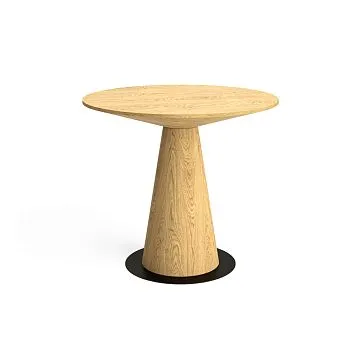
Furniture in Russian interior design is a separate art. Here, each item tells a story. Massive tables made of solid wood, capable of serving for generations. Carved chairs and benches adorned with plant motifs. Buffets and sideboards storing family heirlooms.
Chests occupy a special place — they are symbols of family memory. In modern interiors, they can serve as storage systems, decorative elements, or even as coffee tables.
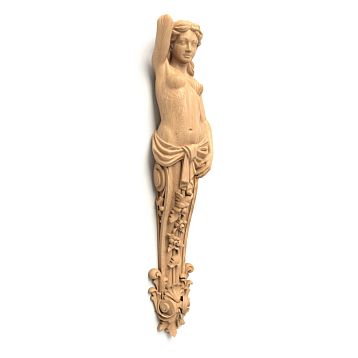
Cabinets in the Russian style are not just furniture, but miniature architectural structures. Their facades are often adorned with carving, painting, or panels reminiscent of traditional Russian window casings.
Beds deserve a separate discussion. A traditional Russian bed is almost a throne, adorned with carved posts, a canopy, or rich textiles. Today, designers create modern interpretations, preserving the spirit of tradition while adapting the form to contemporary needs.
Decor: the language of symbols and images
Decorative elements in Russian style in interior — are not merely decorations, but carriers of deep meaning. Each ornament, each pattern has its own history and significance.
Plant motifs — leaves, flowers, berries — symbolize fertility and vital energy. Geometric patterns tell of our ancestors' cosmological beliefs. Images of birds and animals are talismans and wishes for prosperity.
Tiles — ceramic tiles with relief patterns — hold a special place in Russian decor. They adorned stoves, turning them into true works of art. Today, tiles can be used to decorate fireplaces, kitchen backsplashes, or to create accent walls.
Textiles play the role of a connecting element in Russian interiors. Handwoven rugs, embroidered cushions, lace napkins — all of this creates an atmosphere of handmade coziness. Modern manufacturers offer stylized versions made using traditional techniques and motifs.
Tableware and utensils — another important decorative element. Wooden spoons and bowls, clay pots and jars, samovars and trays — all of these are not only functional items, but also carriers of folk aesthetics.
Russian living room: the heart of the home
A living room in the Russian style is the center of family life, a place where all family members gather and welcome guests. Here, it is especially important to create an atmosphere of warmth and hospitality.
Traditionally, the central element is the stove or fireplace. In modern interiors, this may be a real fireplace, an electric stove, or even a decorative imitation adorned with tiles or painting. The key is to create a focal point around which the entire composition is built.
Soft furniture in a Russian living room is characterized by solidity and comfort. Sofas and chairs are often upholstered in natural fabrics with traditional patterns or in solid materials in natural tones. An abundance of cushions of various sizes adds coziness and allows for creating various compositions.
Lighting plays a key role in creating an atmosphere. In addition to the main light source — traditionally, a wooden or wrought metal chandelier — table lamps, floor lamps, and candles are used. It is important to create multi-level lighting, allowing to adjust the intensity and character of light depending on the situation.
Bedroom: the kingdom of peace and solitude
A bedroom in the Russian style is an oasis of tranquility, a place where one can rest from worries and restore strength. Here, the atmosphere of safety and comfort is especially important.
The bed is the main character in the bedroom. In the classic version, it is a massive structure made of natural wood, often adorned with carving or inlay. Modern interpretations may be more minimalist, but they necessarily retain the feeling of reliability and solidity.
Textiles in the bedroom deserve special attention. Linen or cotton bedding, blankets with traditional patterns, numerous cushions of various sizes — all of this creates an atmosphere of coziness. Curtains are often made of dense natural fabrics, providing quality blackout.
Storage systems in a Russian bedroom are not only functional elements, but also part of the decor. Massive wardrobes, chests with carved fronts, antique trunks — each item has its own history and character.
Kitchen: the place where home warmth is born
The kitchen in a Russian home is not just a place for preparing food, but the heart of the home, where the family gathers, where the most heartfelt conversations take place, where the special atmosphere of home warmth is born.
Traditional Russian cuisine is unthinkable without a large table that could accommodate the entire family. Today, this can be either a massive solid wood table or a modern interpretation — an island or peninsula combining the cooking area and dining space.
Storage furniture — buffets, cabinets, open shelves — is not only functional but also decorative. Open shelves allow showcasing beautiful tableware, jars with provisions, baskets with vegetables and fruits, creating an atmosphere of abundance and hospitality.
Special attention is paid to the backsplash — it can be tiled with traditional patterned ceramic, decorated with ornamental tiles, or even hand-painted. This is the element that sets the tone for the entire interior.
Children's room: a world of fairy tales and fantasy
A children's room in the Russian style is an opportunity to introduce a child to the cultural traditions of their people, creating an atmosphere where fairy tales and epics come alive.
Furniture here can be more vibrant and playful, but must be made of natural materials. A princess-style bed for a girl or a boat-style bed for a boy, a toy chest decorated with traditional patterns, a table and chairs adorned with carvings — all of this creates a special atmosphere.
Decor in the children's room can be more saturated. Wall murals depicting scenes from Russian fairy tales, textiles with images of folk tale heroes, wooden toys — matryoshkas, horses, whistling birds.
The color palette can be more vibrant, but must be harmonious. Traditional Russian colors — red, blue, green — can be complemented with sunny yellow and warm orange.
Modern interpretations: traditions in a new light
Modern Russian style in interior This is not a museum reconstruction, but a living, evolving direction. Designers find ways to organically incorporate traditional elements into modern homes without sacrificing functionality or authenticity.
One popular approach is using traditional ornaments in a modern interpretation. This can be a print on wallpaper, a pattern on textiles, or decorative carving executed using modern technologies.
Another trend is combining Russian motifs with elements of other styles. For example, loft with Russian style elements creates an interesting contrast between industrial aesthetics and traditional decor. Scandinavian style combines beautifully with Russian motifs due to a shared appreciation for natural materials and functionality.
Modern technologies allow creating imitations of traditional materials and techniques. Artificial stone mimicking tiles, laminate with weathered wood texture, digital printing on textiles — all of this expands possibilities for incorporating Russian motifs into modern interiors.
Color as a carrier of mood
The color palette in Russian interiors deserves special attention. It is not merely a set of colors, but a system of symbols, each carrying a specific emotional weight.
Red color in Russian tradition — is the color of life, health, beauty (no wonder 'beautiful' and 'red' are cognates). In interior design, red is used sparingly as an accent, imparting energy and solemnity to the space.
Blue and turquoise — colors of sky and water, symbols of purity and spirituality. In Russian interiors, they create a sense of spaciousness and freshness.
Green — color of nature, growth, renewal. It brings energy of life and connection to nature into the home.
White — color of purity and light, traditional for Russian interiors. White walls create a sense of spaciousness and serve as an ideal backdrop for vibrant accents.
Golden and ochre tones — colors of earth and ripe grain, symbols of fertility and abundance.
Modern designers use these traditional colors in new combinations, creating palettes that are both recognizable and fresh.
Lighting: Play of Light and Shadow
Lighting in Russian interiors holds special significance. Our ancestors knew the value of every ray of light during long winter evenings, so Russian interiors today are built on principles of multi-level, warm lighting.
The main source of light — chandelier — often becomes a central decorative element. This can be a wrought iron chandelier with candle imitation, a wooden wheel-shaped structure, or a more modern interpretation of traditional forms.
Additional lighting is provided by table lamps, wall sconces, and floor lamps. It is important that all light sources emit warm, soft light, creating an atmosphere of coziness and intimacy.
Candles hold a special place in Russian interiors. They not only provide light but also create a unique atmosphere, evoking times when candles were the primary source of light during dark hours.
Accessories: details that create mood
Accessories in Russian interiors are not merely decorations, but elements that create a cohesive picture and convey the spirit of the era.
Tableware plays an important role. This can be antique utensils — samovars, trays, wooden bowls — or modern interpretations. The key is that the material must be natural and the shapes traditional.
Textiles — napkins, tablecloths, serviettes — create an atmosphere of handcrafted coziness. Modern manufacturers offer numerous options with traditional patterns, produced both by hand and using modern technologies.
Paintings and wall hangings can depict scenes from Russian history, landscapes, still lifes in a traditional style. Frames are usually made of wood, often with carving or gilding.
Ceramics and glass — vases, figurines, candlesticks — add elegance to the interior. Especially prized are items from folk crafts — Gzhel, Хохлома, Жостово.
Plants in the Russian interior
Live plants in the Russian interior are not only decoration, but also a connection with nature, which is so important to the Russian mentality.
Traditionally, geraniums were grown in Russian homes — they are not only beautiful, but also beneficial, repelling insects and purifying the air. Today, the choice of indoor plants has significantly expanded, but the principles remain the same — plants should be low-maintenance and beneficial.
Herbs occupy a special place — mint, melissa, basil, which can be grown in the kitchen. They not only decorate the interior, but also serve as spices for dishes.
Flowers in the Russian interior prefer simple, unpretentious ones. Field flowers in simple ceramic vases create an atmosphere of closeness to nature.
Seasonal interior changes
One of the features of Russian everyday life is changing the interior depending on the season. This tradition has been preserved in modern design.
In winter, the interior becomes warmer and cozier. Blankets and cushions made of fur or warm wool are added, candles provide additional sources of heat and light, and logs crackle in the fireplace or stove.
In spring, the interior is refreshed — heavy winter textiles are removed, live flowers are added, and windows are adorned with light curtains.
In summer, the house is filled with the scents of herbs and flowers, bouquets of field flowers appear on tables, and windows are opened wide.
In autumn, the house prepares for winter — herbs, vegetables, and fruits decorate the kitchen, and warm colors and textures return to the interior.
Practical tips for creating a Russian interior
Creating an interior in the Russian style is a creative process, but requires knowledge of certain rules and principles.
Start with the layout. The Russian interior loves open spaces, where one room flows smoothly into another. If the layout allows, combine the kitchen and dining room, the living room and hallway.
Choose quality materials. It is not worth saving money on materials in the Russian style — cheap imitation will immediately reveal itself. It is better to do less, but better quality.
Do not overdo decoration. The Russian style loves abundance, but it must be harmonious. It is better to choose a few key elements and make them focal points.
Remember functionality. Beauty in the Russian style is inseparable from practicality. Each item should not only decorate, but also serve a purpose.
Create the atmosphere gradually. An interior in the Russian style is not a one-time purchase, but a process that can last for years. Do not rush to fill the space immediately — better to gradually add items that you truly like.
Russian style and modern technologies
A modern home is unthinkable without technology, and the Russian style is no exception. It is important to find a balance between traditions and modern needs.
Household appliances can be built-in, hidden behind carved facades, or styled to look vintage. There are refrigerators and stoves in retro style that fit perfectly into a Russian interior.
Audio and video equipment can be hidden in furniture or styled. For example, a TV can be hidden behind sliding panels, and speakers can be built into the ceiling.
The "smart home" system allows you to control lighting, climate, and security without disrupting the interior's style. Sensors and controllers can be hidden, and control can be managed via styled panels.
Psychology of the Russian interior
The interior affects a person's psychological state, and the Russian style has certain features in this regard.
Using natural materials creates a sense of connection with nature, which is especially important for residents of large cities. Wood, stone, natural fabrics give a sense of stability and reliability.
Warm color palettes promote relaxation and rest. The Russian interior is not aggressive or irritating, but rather calming and soothing.
Abundance of decorative elements satisfies the need for beauty and creates a sense of abundance. A person in a Russian interior feels protected and loved.
Connection with traditions gives a sense of rootedness and belonging to a culture, which is especially important in the era of globalization.
Creating an interior in the Russian style is not just decorating the house — we create a space where it is comfortable to live, work, raise children, and meet friends. This is a home that remains in memory for life, a home you want to return to.
55.39 $