Article Contents:
- Carved iconostasis from wood: central element of the church
- Symbolism and craftsmanship
- Advantages of carved iconostasis
- How to choose an iconostasis for a church
- Why a carved iconostasis is important for a church
- Traditions and spiritual significance
- Advantages of carved wooden crosses
- Types of carved crosses
- How to choose a carved cross
- Why choose a carved wooden cross
- Carved wood in the church: art imbued with spirituality
- Symbolism and traditions
- Carved wooden iconostasis: protection and adornment of sacred objects
- Symbolism and aesthetics
- Carved wooden elements for religion and spirituality
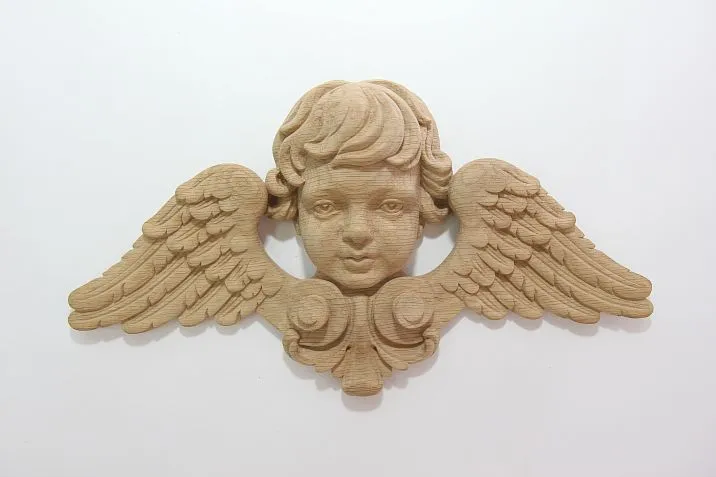
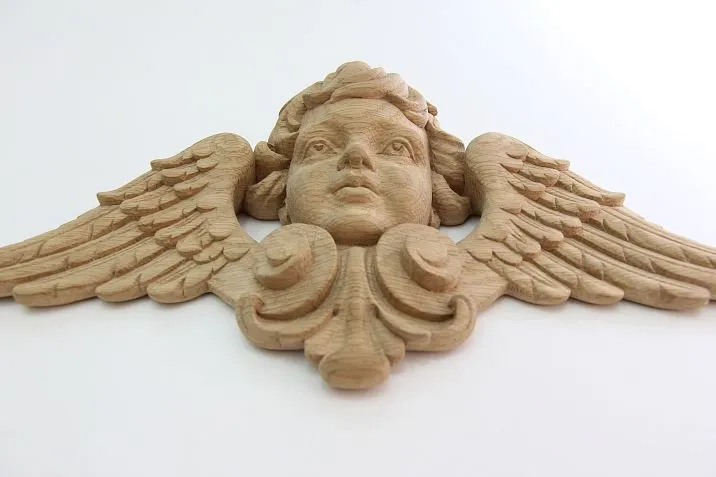
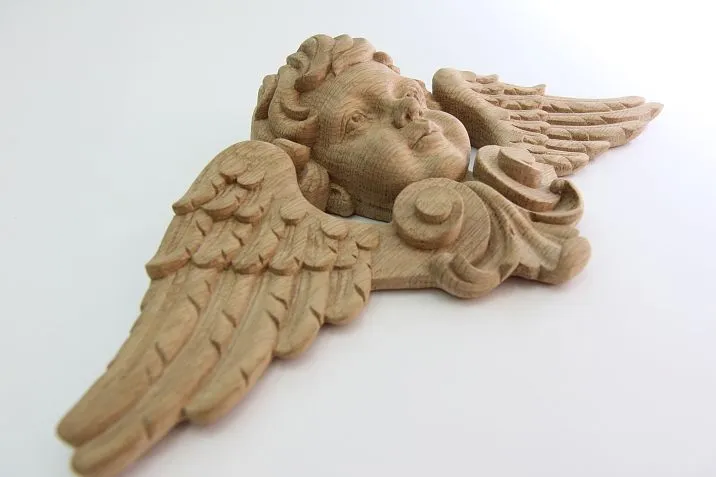
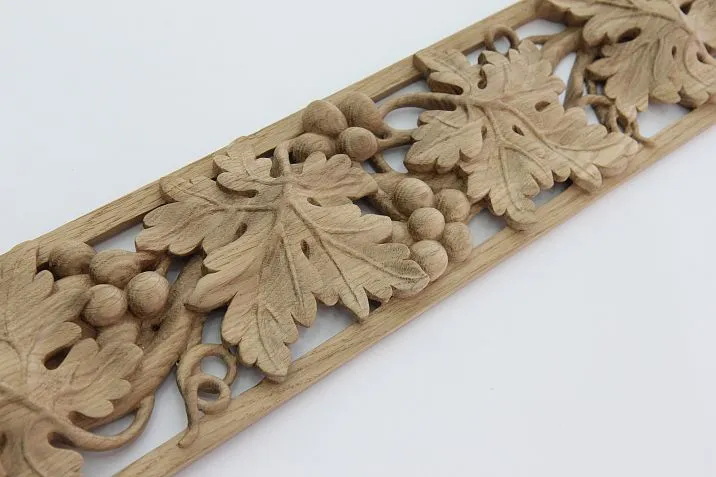
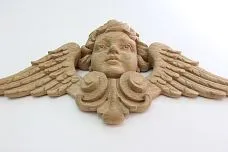
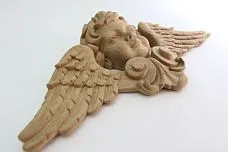
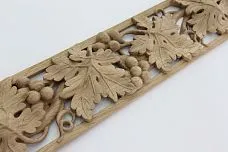
Wood is a material that has symbolized the connection between humans and nature and the spiritual world since ancient times. In religious architecture and church decoration, carved wooden elements occupy a special place, as they create an atmosphere of reverence and tranquility.Carved wooden iconostasis— crosses, iconostases, and decorative patterns — are not just decorations, but important elements that help a person feel a deeper spiritual connection.


Carved iconostasis from wood: central element of the church




Symbolism and craftsmanship
Carved wooden iconostasis — is a key part of an Orthodox church, playing both a spiritual and aesthetic role. The iconostasis separates the altar from the main part of the church, emphasizing the sacredness of the space. It serves as a place for placing icons that symbolize saints, biblical scenes, and moments from the life of Christ.
Each carved iconostasis is a unique work of art, handcrafted with deep respect for traditions. The carved patterns decorating it reflect spiritual heritage and include floral ornaments, Christian symbols, and complex compositions. They create an atmosphere of reverence and solemnity, helping believers focus on prayer.
Iconostases are made from solid wood such as oak, beech, or linden, ensuring their durability and aesthetic appeal. Carvers give each element refinement to create harmony between the church's architecture and its interior decoration.
Our factory also produces:


Advantages of carved iconostasis
- Spiritual depth. Carving on the iconostasis helps believers better understand religious symbols, enhancing their spiritual experiences.
- Aesthetics. Complex patterns and details make the iconostasis a striking focal point of the church, drawing attention with its beauty.
- Durability. Wooden iconostases retain their shape and appearance for decades thanks to high-quality materials and craftsmanship.
- UniquenessCarved wooden patterns for churches Created individually for each church, making each iconostasis unique.
Get Consultation
How to choose an iconostasis for a church
- Size and proportions. The iconostasis should harmoniously fit into the church's architecture, not overcrowd the space and emphasize its sanctity.
- Material. Use strong wood species such as oak or beech to ensure the longevity of the item.
- Design. Choose carved patterns that correspond to the traditions and symbolism of a specific church.
- Functionality. Ensure the iconostasis is convenient for placing icons and ritual use.
Why a carved iconostasis is important for a church
The iconostasis not only divides space but also serves as a visual and spiritual bridge between the earthly and the sacred. Its carving carries deep symbolism, reminding believers of the divine order and beauty of creation.Carved wooden iconostasis Becomes a focal point, helping to focus on prayer and attain inner peace.
Carved wooden cross: symbol of faith and spirituality
Traditions and spiritual significance
Carved wooden cross The carved wooden cross is the central symbol of Christianity, representing sacrifice and salvation. Crosses are used in various religious rituals, decorate churches and homes of believers, and serve as personal prayer items. Made of wood, carved crosses combine the warmth of natural material with the art of carving, making them not only sacred but also aesthetically significant elements.
Each cross is handmade with respect for Christian traditions and canons. Patterns on crosses may include images of Christ, biblical scenes, plant motifs, or symbolic ornaments. Such details highlight the uniqueness of each item, turning it into a true work of art.
Carved crosses are made from strong wood species such as oak, beech, or linden to ensure longevity and preserve their aesthetic appeal. These items combine traditional craftsmanship with modern processing technologies, guaranteeing their high quality.
Advantages of carved wooden crosses
- Symbolism. A wooden cross carries deep spiritual significance, reminding one of Christ's sacrifice and the power of faith.
- Aesthetics. Intricate carving makes each cross unique, turning it into a striking element of a church or home altar.
- Durability. Solid wooden crosses retain their shape and carved details for many years.
- Warmth and comfort. Natural wood creates a special atmosphere, enhancing feelings of peace and reverence.
- Universality.Carved wooden cross Can be used both in a church and in personal prayer corners.
Types of carved crosses
- Altar crosses. These items decorate the altar, emphasizing its central place in the church.
- Processional crosses. Used during processions and other religious events, emphasizing the solemnity of the ceremony.
- Wall crosses. Decorate church walls or home prayer corners, creating an atmosphere of peace.
- Personal crosses. Compact items that believers carry with them or use in home prayer.
How to choose a carved cross
- Material. Oak and beech provide strength and longevity while maintaining aesthetic appeal.
- Design. Patterns and images on the cross should correspond to the canons and symbolism you wish to reflect.
- Sizes. Choose the cross depending on its purpose: wall-mounted, altar, or personal.
- Processing quality. Ensure the item has undergone antiseptic treatment to protect against moisture and damage.
Why choose a carved wooden cross
Carved wooden cross It is not only a symbol of faith, but also a reflection of craftsmanship that brings warmth and spirituality into any space. These crosses help believers focus on prayer, creating an atmosphere of reverence and peace.
Carved wood in the church: art imbued with spirituality
Symbolism and traditions
Carved wood in the church It is an indispensable part of Orthodox architecture and interior decoration. Carved elements adorn altars, icons, iconostases, doors, panels, and vaults, giving the church a special solemnity and sacredness. Wood, as a natural material, symbolizes life, growth, and renewal, making it an ideal choice for creating religious elements.
Carving in the church reflects centuries-old traditions passed down from generation to generation. Ornamental elements include floral motifs, biblical scenes, and symbolic patterns. They create harmony between the church’s architecture and its spiritual atmosphere, bringing warmth and beauty into the space.
Carved wood as part of the church
- Iconostases. Complex carved patterns on iconostases emphasize their central role in the church.
- Icons.Carved wooden icons Adorn and protect sacred images, making them more expressive.
- Altar railings. Carved balustrades and panels create an atmosphere of seclusion and reverence.
- Decorative elements. Carved panels, vault decorations, and column ornaments add uniqueness and completeness to the church.
Advantages of carved wood in the church
- Aesthetic expressiveness. Complex wood carving highlights the beauty of the church, making it unique and memorable.
- Spiritual symbolism. Carved patterns carry deep religious significance, reflecting biblical motifs and Christian values.
- Durability and longevity. Wooden elements retain their shape and beauty for decades thanks to high-quality materials and processing.
- Ecological friendliness. Wood creates a comfortable microclimate in the church, promoting seclusion and prayer.
- Warmth and harmony. Natural wood creates a cozy atmosphere that helps believers focus on spiritual practices.
Carved patterns for churches
Carved wooden patterns for churches may include:
● Floral ornaments symbolizing eternal life.
● Geometric patterns symbolizing harmony and divine order.
● Symbols associated with Christian relics.
● Biblical scenes depicting key moments in sacred history.
How to choose carved elements for a church
- Materials. Use oak, beech, or ash wood to create durable and aesthetically pleasing items.
- Design. Choose patterns that reflect the symbolism and traditions of a specific church.
- Treatment. Ensure the wood has undergone antiseptic and moisture protection treatment to preserve its properties.
- Harmony with architecture. Carved elements should complement the overall style of the church, creating a unified composition.
Why choose carved wood for a church
Carved wood in the church Combines aesthetics, spirituality, and durability. Such elements highlight the beauty and grandeur of the church, creating a unique atmosphere for prayer and spiritual reflection. Wood carving is an art that fills space with warmth and harmony, helping believers feel closer to God.
Carved iconostasis from wood: protection and adornment of relics
Symbolism and aesthetics
Carved iconostasis from wood is a special element of church furnishings designed for placing icons. The iconostasis not only protects the icon from external influences but also emphasizes its significance, turning it into the focal point of prayer. The carving on the iconostasis reflects deep spiritual symbolism and adds elegance to the church's interior.
Iconostases are handmade from solid wood such as oak, beech, or ash, ensuring their strength and longevity. Carvers decorate them with intricate patterns that may include floral motifs, geometric elements, and scenes from sacred texts. Each iconostasis is crafted according to the traditions of the church to harmonize with the overall interior style.
Advantages of carved iconostasis
- Protection of relics. The iconostasis protects the icon from dust, moisture, and mechanical damage, ensuring its preservation for many years.
- Aesthetic appeal. Complex carving and decorative elements make the iconostasis an important part of church furnishings.
- Spiritual symbolism. Patterns on the iconostasis enhance the significance of the icon, helping believers focus on prayer.
- Durability.Carved iconostasis from wood maintains its appearance for many years due to high-quality material and treatment.
- Uniqueness. Each iconostasis is handmade, making it unique and harmoniously fitting into the church's interior.
Where are carved iconostases used
- Altars. Iconostases placed on altars emphasize the significance of the relics located there.
- Prayer corners. Carved iconostases in private homes create a cozy space for prayer and solitude.
- Iconostases. Built-in iconostases become part of the overall architectural ensemble of the church.
- Pilgrimage centers. Iconostases protect icons in places where large numbers of believers gather.
How to choose a carved iconostasis
- Material. For creating an iconostasis, hardwoods such as oak or beech are best suited, ensuring strength and longevity.
- Design. Carved patterns should conform to canons and harmonize with the church or prayer corner interior.
- Dimensions. The iconostasis should be proportionate to the icon to create a balance between protective and decorative functions.
- Treatment. Ensure the wood has undergone moisture protection treatment and is coated with varnish for additional protection.
Why choose a carved wooden iconostasis
Carved iconostasis from wood is not just a functional element, but a true treasure that highlights the significance of the relic. Iconostases combine aesthetic beauty, spirituality, and practicality, creating an atmosphere of reverence and tranquility. These items help preserve the icon and make it the central part of the prayer space.
Wooden carved elements for religion and spirituality
Carved wooden elements such ascarved iconostasescrosses, kiotas, and decorative patterns are an indispensable part of churches and prayer spaces. These items combine craftsmanship, spiritual content, and artistic expressiveness, filling every room with an atmosphere of reverence and tranquility.
Why choose carved wooden elements for churches?
- Spiritual significance. Wood carving reflects religious symbols and biblical motifs, helping believers focus on prayer and achieve inner harmony.
- Aesthetics. Complex patterns and ornaments transform iconostases, crosses, and kiotas into true works of art that adorn the church.
- Durability and longevity. Wooden elements retain their shape and beauty for decades thanks to the use of quality materials and processing.
- Ecological safety. Natural wood is safe for health and creates a comfortable microclimate in the room.
- Uniqueness. Carved elements are handmade, making them unique and special for each church or prayer corner.
How to choose carved elements for a church?
- Define the purpose. Choose elements that correspond to their role: iconostasis, cross, kiot, or decorative panels.
- Consider the style. Patterns and ornaments should harmonize with the church’s architecture or the prayer corner’s interior.
- Check the quality. Ensure the wood is treated with protective compounds that will preserve it from moisture, damage, and time.
- Consult professionals. Choose artisans who specialize in manufacturing religious elements to preserve traditions and ensure high quality.
Transform space with carved wood
Carved wooden elements make churches and prayer corners not only more beautiful, but also help create an atmosphere conducive to spiritual reflection. Such items ascarved iconostasescrosses and kiotas become the central part of the religious space, combining functionality, aesthetics, and sacred meaning.
Invest in carved wood to emphasize the importance of spiritual life, create a unique church appearance, and preserve traditions passed down from generation to generation.