












































































Article Contents:
- Reviving Traditions: Why a Carved Gable is Relevant Today
- Psychological Impact of Architectural Details
- Investment Appeal of Unique Architecture
- Technological Evolution: From Traditions to Innovations
- Revolution in Design and Visualization
- Precision Manufacturing While Preserving Handcrafted Quality
- Material Science: Choosing Wood as the Foundation for Longevity
- Premium Wood Species for the Luxury Segment
- Practical Solutions for the Mid-Segment
- Innovative Materials and Processing Technologies
- Stylistic Diversity: From Russian Traditions to Modern Minimalism
- Russian Tradition: Symbolism and Beauty
- Scandinavian minimalism: Functional beauty
- Alpine Style: Cozy Foundation
- Modern Interpretations: When Traditions Meet the Future
- Functional Carved Gable: Beauty with Practical Utility
- Protective Functions and Their Implementation
- Thermal Advantages
- Acoustic comfort
- Manufacturing Technology: Secrets of Craftsmanship
- Material preparation: the foundation of quality
- Design and Production Preparation
- Production Process: Synthesis of Technology and Craftsmanship
- Final Finishing and Protection
- Installation and Integration: The Art of Proper Mounting
- Pre-Installation Preparation
- Modern Fastening Systems
- Mounting Quality Control
- Operation and Maintenance: Guarantee of Longevity
- Regular Care and Prevention
- Updating protective coatings
- Repair and restoration
- Economic Aspects: Investment in Beauty and Functionality
- Factors Forming Value
- Economic efficiency in the long term
- Alternative materials and their comparison
- Regional application specifics
- Northern Regions: Extreme Operating Conditions
- Southern Regions: Protection from Sun and High Temperatures
- Coastal Zones: Combatting Corrosive Effects
- Modern Trends and Innovations
- Integration with "smart home" systems
- Ecological innovations
- New Design Directions
- Frequently Asked Questions
- Conclusion: Investment in Heritage
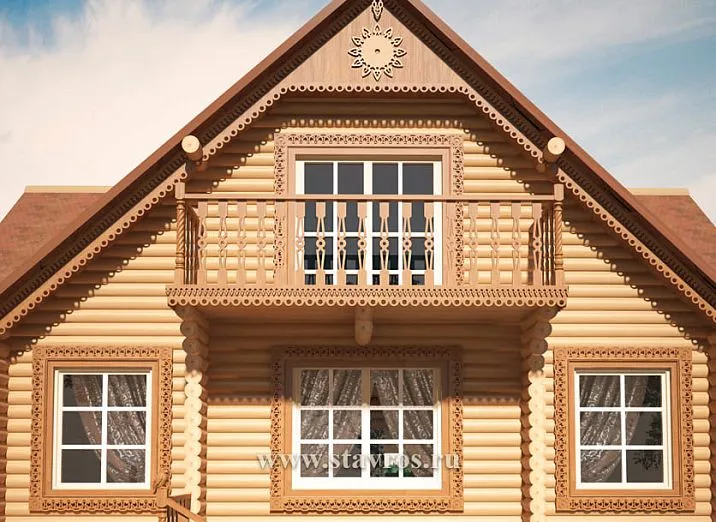
Have you ever wondered why some wooden houses attract attention like magnets, while others remain unnoticed? The secret lies in details that transform an ordinary structure into an architectural gem. Carved Gable on a Wooden House This is precisely the magical detail that can radically change the perception of the entire building, endowing it with character and unique individuality.
In today's world, where standardized development strips our settlements of uniqueness, a carved gable becomes a way to express one's own aesthetics, demonstrate respect for traditions, and create a home that will be passed down from generation to generation not only as property, but as a family heirloom.


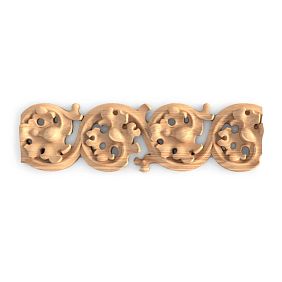


Revival of Traditions: Why a Carved Gable is Relevant Today
In an era of globalization and standardization, we increasingly feel the need for authenticity. A wooden house with a carved gable is not merely a fashion trend or nostalgia for the past. It is a conscious choice made by people who understand the value of individuality and strive to create a space that reflects their inner world.




Psychological Impact of Architectural Details
Modern research in architectural psychology convincingly proves: facade details directly influence a person's emotional state. A carved gable creates a sense of home warmth, stability, and security. Smooth lines of ornamentation soothe the psyche, while the richness of details stimulates creative thinking.
decorative home ornaments These details on the facade act as visual anchors, creating points of attention and structuring space. This is especially important in today's information overload, when our minds need visual rest and harmony.
Our factory also produces:


Investment Appeal of Unique Architecture
Practical homeowners increasingly view facade decorative finishing as a long-term investment. A house with a quality carved gable stands out in the real estate market, attracts more financially capable buyers, and demonstrates steady value growth.
Statistics show: unique architectural solutions can increase property value by 20-35%. Moreover, the cost of a quality carved gable pays for itself not only at sale but also adds additional value for owners in the form of aesthetic pleasure and pride in their home.
Get Consultation
Technological Evolution: From Traditions to Innovations
Modern production of carved gables differs radically from methods used by our ancestors. Today, masters combine age-old traditions with advanced technologies, enabling the creation of items of unprecedented precision and durability.
Revolution in Design and Visualization
The process of creating a carved gable begins with detailed 3D modeling. Modern CAD systems allow recreating the future gable with photographic accuracy, taking into account all architectural nuances of the house and analyzing the impact of various weather conditions on the appearance of the product.
Virtual reality technologies allow clients to literally "step into" their future home and evaluate how the gable will look at different times of day, under different lighting, and in different seasons. This eliminates disappointments and allows for adjustments even during the design phase.
Precision Production with Preservation of Handcrafted Quality
A revolutionary breakthrough was the introduction of CNC (Computer Numerical Control) machines into wooden product manufacturing. These high-tech machines can cut complex-shaped parts with precision down to tenths of a millimeter. However, technology does not replace the craftsman—it merely frees him from routine work, allowing him to focus on creative aspects.
Final finishing, detailing, and creation of unique elements are still performed manually. It is precisely this combination of high technological precision and handcrafted quality that creates products that astonish with their perfection while simultaneously preserving the soul of traditional craftsmanship.
Material Science: Choosing Wood as the Foundation of Durability
The quality of a carved gable is largely determined by the correct choice of material. Not every wood is suitable for facade decoration—the material must possess a specific set of characteristics.
Premium Wood Species for the Premium Segment
Oak remains the undisputed leader among materials for manufacturing premium carved gables. Its dense structure, expressive texture, and exceptional durability make oak gables family heirlooms capable of serving for centuries. Oak has natural resistance to rot, does not fear temperature fluctuations, and only develops a noble patina with age.
Ash is another representative of elite species, distinguished by increased strength and beautiful texture. Ash gables are especially suitable for classic interiors, where linearity and material nobility are important.
Practical Solutions for the Mid-Segment
Larch is rightfully considered the optimal choice for Russian climatic conditions. Its high natural resin content makes this wood naturally resistant to moisture and biological damage. Larch gables do not require frequent renewal of protective coatings and demonstrate excellent performance even in harsh northern conditions.
Spruce and pine, traditionally used in Russian wooden architecture, remain a popular choice due to their accessibility and good working properties. With proper treatment and protection, coniferous species provide an excellent price-to-quality ratio.
Innovative Materials and Processing Technologies
Modern wood processing offers revolutionary solutions for enhancing wood durability. Thermal modification alters the wood's structure at the molecular level, increasing its stability and resistance to external influences. Thermally treated wood acquires an attractive dark tone and can be used without additional coatings.
Pressure impregnation allows protective compositions to penetrate wood deeply, creating long-term protection against rot, insects, and fungi. This treatment is especially effective for softwood species, significantly extending their service life.
Stylistic diversity: from Russian traditions to modern minimalism
One of the main advantages of carved gables is their incredible stylistic flexibility. Modern masters can create an item in any architectural style, from authentic Russian peasant houses to ultra-modern eco-houses.
Russian tradition: symbolism and beauty
Russian carved gables are a true encyclopedia of folk wisdom, where each ornament element carries deep meaning. Solar symbols protect the house from evil forces, birds bring luck and prosperity, and plant motifs symbolize fertility and family prosperity.
Modern masters study old samples not for blind copying, but to understand the principles of harmony embedded in them and creatively develop them. This allows creating gables that look authentic yet perfectly fit modern architecture.
and frames create a home atmosphere, making it truly cozy and individual. This is an investment in beauty, which pays off every day through aesthetic pleasure from admiring the beautiful. In Russian style, they are distinguished by richness of details and complexity of composition. Here, geometric carving can combine with plant ornaments, and traditional motifs with original elements.
Scandinavian Minimalism: Functional Beauty
The Scandinavian approach to carved gables fundamentally differs from Russian tradition. Here, functionality takes precedence, and beauty arises from the simplicity of forms and perfection of proportions. Scandinavian gables often feature simple geometric compositions, where each line has a clear functional purpose.
The color palette is limited to natural wood tones or classic white and gray shades. This approach is especially appealing to those who appreciate modern aesthetics and aim to create a calm, soothing atmosphere.
Alpine style: cozy solidity
Alpine carved gables combine practicality with decorative appeal. Here, carving often has not only aesthetic but also functional significance — relief elements facilitate better water runoff, and eaves protect walls from atmospheric precipitation.
A characteristic feature of the Alpine style is the use of contrasting combinations — dark wood with white trim, rough beams with delicate carving. This creates a sense of solidity and coziness, highly valued in mountainous regions.
Modern interpretations: when traditions meet the future
The most interesting solutions emerge at the intersection of tradition and modernity. Modern designers boldly experiment with forms and materials, creating gables that look both traditional and ultra-modern.
The use of modern laser cutting technology allows creating ornaments of unprecedented complexity and precision. Integrating LED lighting transforms the gable into a dynamic element that dramatically changes with the onset of darkness. Applying new protective coatings with self-cleaning properties reduces maintenance costs.
Functional aspects of carved gables: beauty with practical utility
A carved gable on a wooden house is not only decoration but also a functional element that can significantly improve the building's operational characteristics.
Protective functions and their implementation
The primary function of any gable is to protect the upper part of the building from atmospheric influences. decorative gable It performs this task especially effectively due to its thoughtful design and use of quality materials.
Properly designed eaves and gutters reliably protect walls from rain and snow. The relief surface of the carving creates additional air currents that facilitate rapid moisture drying. Protruding elements act as additional screens, absorbing the main impact of bad weather.
Thermal advantages
A wooden carved gable can significantly improve the thermal performance of a house. Wood has low thermal conductivity, creating an additional barrier against heat loss. Air cavities formed between carved elements and the main wall act as effective thermal insulators.
In summer, the gable creates shade, reducing facade heating and decreasing the load on air conditioning systems. In winter, it acts as a windbreak, reducing heat loss. Such passive climate regulation can save energy resources by 15-20%.
Acoustic Comfort
The relief surface of the carved gable effectively disperses sound waves, reducing external noise levels. This is especially important for houses located along busy roads or in industrial zones.
The complex geometry of carved elements creates multiple sound reflections that cancel each other out. Wood itself possesses good sound-absorbing properties, enhancing the acoustic effect.
Manufacturing technology: secrets of craftsmanship
Creating a quality carved gable is a complex multi-stage process requiring highly skilled craftsmen and adherence to numerous technological nuances.
Material preparation: the foundation of quality
The process begins with careful selection of wood. Each board undergoes visual inspection for defects — knots, cracks, resin pockets. The material's moisture content must strictly comply with technical requirements.
Wood drying is carried out in special chambers under strictly controlled regimes. The process may take from several days to several weeks depending on the type of wood and thickness of the blanks. Proper drying is critically important to prevent deformations during use.
Design and preparation for production
Each carved gable project begins with a detailed architectural analysis. Designers study the house's style, proportions, and surrounding landscape. Based on this analysis, a concept is created, which is then developed into a detailed technical project.
Modern parametric modeling technologies allow quickly generating multiple design variants, adapting the basic concept to the client's specific requirements. The client can see all changes in real time and make informed decisions.
Production Process: Synthesis of Technology and Craftsmanship
Modern production of carved gables uses a multi-level technological scheme. Rough processing and creation of basic forms are performed on high-precision CNC machines. This ensures ideal geometry and repeatability of elements.
Fine detailing, creation of textures, and refinement of the smallest ornamental elements are performed manually by experienced carvers. Only human hands can impart the soul and uniqueness to an item that distinguishes true art from mass-produced goods.
Corner decorative elements Require special attention, as they determine the visual integrity of the entire composition. Their manufacture is often done entirely by hand using traditional tools.
Final finishing and protection
The final production stage is applying protective coatings. Modern compositions create a reliable barrier against moisture, ultraviolet radiation, and biological damage, while not hiding the natural beauty of the wood.
The coating application process requires ideal conditions — specific temperature, humidity, and absence of dust. Each layer must be fully dry before applying the next. Quality finishing can take up to 30% of the entire production time.
Installation and integration: the art of proper installation
Even the highest-quality carved gable may disappoint if improperly installed. Installation is no less important than manufacturing, requiring deep knowledge and practical experience.
Pre-installation preparation
Quality installation begins with a thorough inspection of the house. It is necessary to assess the condition of load-bearing structures, check the facade geometry, and determine optimal mounting points. Any defects must be corrected before starting installation work.
Special attention is paid to waterproofing mounting points. Water is the main enemy of wooden structures, so all joints must be reliably protected from moisture ingress. Modern sealants and waterproof membranes are used.
Modern fastening systems
The development of technologies has led to the emergence of fundamentally new systems for mounting decorative elements. Modern fasteners provide secure fixation with minimal impact on the gable's aesthetics.
Hidden mounting systems allow completely concealing mounting elements, preserving the visual purity of the composition. Adjustable fasteners allow precise fitting of elements on-site, compensating for minor deviations in building geometry.
Chemical anchors provide exceptionally reliable connections with various wall materials. They are especially effective when working with stone and concrete structures, where mechanical fasteners may be insufficiently reliable.
Mounting Quality Control
Each installation stage is accompanied by quality control. The correctness of element installation, quality of connections, and compliance with project geometry are checked. Modern measuring instruments — laser levels, electronic protractors, digital measuring systems — are used.
Special attention is paid to sealing joints. Quality sealants must provide reliable protection against moisture while maintaining elasticity under temperature deformations. Incorrect sealing can nullify all efforts to create a quality gable.
Operation and maintenance: guarantee of longevity
A carved gable on a wooden house is a long-term investment that requires proper maintenance to preserve its qualities for many years.
Regular care and prevention
The foundation of a wooden gable's longevity is regular preventive care. This includes cleaning from contaminants, checking the condition of protective coatings, and monitoring mounting elements.
Cleaning should be performed gently, without using aggressive cleaning agents. A soft brush and mild soap solution are best. Strong contaminants can be removed with special wood-based compositions.
Checking mounting elements should be done at least twice a year — in spring and autumn. Loose connections are tightened, damaged elements are replaced. Special attention is paid to the condition of sealants at joints.
Updating Protective Coatings
The frequency of updating protective coatings depends on climatic conditions, quality of the original coating, and intensity of use. On average, quality coatings require renewal every 7-10 years.
The coating renewal process includes surface cleaning, sanding if necessary, and applying a new coating. It is important to use compatible materials and follow the application technology.
Repair and Restoration
Even with the highest quality manufacturing and care, carved elements may require repair. Modern technologies allow restoring even severely damaged parts.
For wooden elements, special repair compositions based on wood flour and binders are used. They allow restoring lost fragments while preserving the original texture and color. After polymerization, repaired areas can be treated like regular wood.
Sandrok cornice and other protruding elements require special attention, as they bear the main atmospheric loads. Their condition must be monitored especially carefully.
Economic aspects: Investment in beauty and functionality
Deciding to install a carved gable requires a balanced economic analysis. It is important to understand not only initial costs but also long-term effects of such a decision.
Factors influencing cost
The price of a carved gable depends on many factors. The type of wood plays a significant role — items made from premium woods cost more but provide greater prestige and longevity.
The complexity of the design directly affects labor costs and price. Simple geometric shapes are cheaper than complex narrative carvings with many small details. However, investments in complex designs are offset by exclusivity and high artistic value.
The size of the gable affects cost non-linearly. Large elements are often more economical per unit area due to optimized manufacturing processes.
Custom design increases cost but allows obtaining a unique product perfectly suited for a specific house. Standard solutions are cheaper but may not fully match the building's architectural style.
Economic efficiency in the long term
When assessing the economic efficiency of a carved gable, it is important to consider the entire lifecycle of the product. A well-made gable can serve for 50-70 years with minimal maintenance costs.
The energy-saving effect of the gable can reduce heating and air conditioning costs. Depending on the construction and size, savings may amount to 10-15% of total building climate control expenses.
The increase in property market value often exceeds the cost of the gable. A house with quality carved decoration stands out in the market and may sell 20-30% higher than similar properties without decorative finishes.
Alternative materials and their comparison
The modern market offers various alternatives to natural wood — polymer composites, metal items, fiber concrete elements. Each material has its advantages and limitations.
Polymer composites are cheaper than wood and require no maintenance, but lack the natural beauty and warmth of the material. Metal elements are durable but require anti-corrosion protection and may cause condensation issues.
Wood remains the optimal choice for those who value authenticity, eco-friendliness, and the ability to create truly unique solutions.
Regional application specifics
Russia is a country with vast climatic diversity, and designing a carved gable must take regional specifics into account.
Northern regions: extreme operating conditions
In northern regions, carved gables face extreme conditions — temperatures down to -50°C, strong winds, heavy snow loads. This requires a special approach to material selection and structural solutions.
Wood for northern conditions must have enhanced frost resistance. Local species — Siberian larch, cedar — have proven best, as they adapted during growth to harsh climates.
Gable structures must withstand significant snow loads. Calculated snow loads in northern regions may reach 500-600 kg/m². This requires strengthening fastening systems and using more robust load-bearing elements.
Southern regions: protection from sun and high temperatures
In southern regions, the main destructive factors are intense ultraviolet radiation and high temperatures. UV rays degrade lignin in wood, leading to loss of strength and color change.
Protective coatings for southern regions must contain effective UV filters. Modern formulations can provide protection for up to 12-15 years without loss of properties.
Proper orientation of gables plays an important role. The most complex carved elements are better placed on the north side, where direct sunlight exposure is minimal. Southern facades can be decorated with simpler, yet sun-resistant elements.
Coastal zones: combating corrosive effects
Marine climate creates special conditions for wooden structures. Salty air aggressively affects all materials, while high humidity promotes mold and mildew growth.
Special compositions neutralizing salt effects are used in coastal zones. Structures must ensure effective ventilation to prevent moisture accumulation in critical zones.
Metal fastening elements must be made of stainless steel or have special anti-corrosion coatings. Ordinary galvanized elements quickly fail in marine climates.
Modern trends and innovations
The world of carved decoration is constantly evolving. New technologies, materials, and design approaches open up new creative possibilities.
Integration with "smart home" systems
Modern carved gables can be integrated with home automation systems. Decorative elements incorporate sensors for light, temperature, and humidity, which transmit data to a central control system.
LED lighting integrated into carved elements can be automatically controlled based on time of day and weather conditions. The system can create various lighting scenarios for different occasions — everyday lighting, festive decoration, security lighting.
Humidity sensors can alert about the need for preventive maintenance, while temperature sensors help optimize heating and air conditioning system performance.
Ecological Innovations
Rising consumer environmental awareness stimulates the development of "green" technologies in wooden product manufacturing. New wood processing methods using only eco-friendly substances are emerging.
FSC certification guarantees that the wood comes from sustainably managed forests without harming the environment. This is becoming an important factor for environmentally conscious buyers.
Waste recycling technologies allow using offcuts and shavings to produce composite materials, reducing the environmental impact of production.
New design directions
Modern designers boldly experiment with traditional forms, creating fundamentally new directions in carved decoration. Biomorphic forms inspired by natural structures create a sense of organic and natural aesthetics.
Parametric design allows creating complex mathematical forms that cannot be reproduced using traditional methods. Such gables appear futuristic while still maintaining a connection to natural materials.
Frequently asked questions
How long does it take to manufacture a carved gable?
Manufacturing time depends on design complexity and product size. Simple gables can be made in 2-3 weeks, while complex custom works require 1-2 months. Most of the time is spent on manual detailing and finishing.
Can a carved gable be installed on an old house?
Yes, carved gables are perfectly suitable for restoring and modernizing old houses. They can conceal architectural flaws and dramatically change the appearance of the building. It is important to assess the condition of load-bearing structures in advance and reinforce them if necessary.
Does a carved gable require special permission for installation?
In most cases, installing decorative gables does not require special permits, as it does not affect the building's load-bearing structures. However, in city historical centers or protected zones, approval from architectural authorities may be required.
How to choose the right gable style?
The gable style should harmonize with the house's architecture and surrounding buildings. For traditional wooden houses, Russian style is suitable; for modern constructions, minimalist solutions are recommended. Consulting a designer is advised.
Can a gable be made according to my own sketch?
Yes, modern technologies allow manufacturing a carved gable according to any sketch. Designers will help adapt your ideas to technical capabilities and safety requirements. Custom design enables creating a truly unique piece.
Does installing a gable affect the home's energy efficiency?
Yes, a properly designed carved gable can improve the home's energy efficiency. It provides additional thermal insulation, protects against wind, and regulates solar streams. Energy savings may amount to 10-15%.
How to care for a carved gable?
Primary care involves regular cleaning of dirt and periodic renewal of protective coatings every 7-10 years. It is necessary to monitor the condition of fasteners and joint seals. Damage should be repaired immediately upon appearance.
Which material is better to choose for a northern climate?
For northern regions, larch and cedar are the best choices — species naturally adapted to harsh climates. They have high frost resistance and do not require frequent renewal of protective coatings.
Conclusion: Investment in heritage
Carved Gable on a Wooden House It is not just a decorative element, but an investment in beauty, traditions, and the future. In a world where standardization often deprives us of individuality, a carved gable becomes a way to express uniqueness and create a home that will delight not only you, but also your children and grandchildren.
Each carved gable is a work of art, created by masters who invest not only professional skills but also soul into their work. It is a living connection to the traditions of our ancestors and simultaneously a vision of the future, where beauty and functionality coexist in harmony.
door frame trim and other decorative elements operate on the same principles — they create a harmonious environment where every detail matters and contributes to the overall beauty.
Choosing a carved gable means choosing quality, individuality, and responsibility toward future generations. You support traditional crafts, promote the development of eco-friendly technologies, and create a work of art that will delight people for many years.
STAVROS Company has been a recognized leader in manufacturing high-quality wooden carved items for more than two decades. STAVROS masters combine deep respect for traditions with the use of the most modern technologies, enabling them to create items that impress with their perfection and durability. Every gable created in STAVROS workshops is the result of meticulous labor, artistic taste, and technical skill. Entrusting STAVROS with the decorative finishing of your home means choosing quality proven by time, and receiving not just an item, but a work of art that will become the pride of your home and delight many generations.


