Article Contents:
- Philosophy of wood: why natural material wins hearts
- Living energy of natural material
- Psychology of perception of natural textures
- Technical craftsmanship: from wood to work of art
- Wood species selection: character of wood determines character of the product
- Modern technologies serving traditional craftsmanship
- Stylistic diversity: from classic to avant-garde
- Plant motifs: eternal theme in new interpretations
- Geometric patterns: mathematical harmony in wood
- Ethnic motifs: cultural heritage in modern interpretation
- Functional beauty: practical application of carved decor
- Furniture decor: when utility meets art
- Architectural elements: when walls become art
- Staircase decor: vertical gallery of art
- Technology of creation: from idea to realization
- Design: where beauty is born
- Manufacturing: where traditions meet innovations
- Design solutions: integration into modern interiors
- Minimalism and carved decor: apparent contradiction
- Eclecticism: when different styles create harmony
- Lighting: how to highlight the beauty of carving
- Practical aspects: from selection to use
- How to choose quality carved decor
- Installation: professional approach to mounting
- Maintenance and use: preserving beauty for years
- Economic aspects: investment in beauty and status
- Cost of quality decor: what makes up the price
- Impact on property value
- Trends in development: outlook for the future of decorative art
- Ecological aspects: responsible consumption of beauty
- Personalization: when decor tells a personal story
- Integration with smart technologies
- Psychology of space: how decor affects a person
- Emotional impact of natural materials
- Influence of ornaments on perception of space
- Creating atmosphere through details
- Regional traditions in modern interpretation
- Russian school of carving: from folk crafts to designer solutions
- European influences: from Gothic to Modern
- Eastern motifs: philosophy in ornament
- Authorial solutions: when standard does not fit
- Individual design: embodiment of unique ideas
- Collectible items: art as an investment
- Conclusion: craftsmanship proven by time
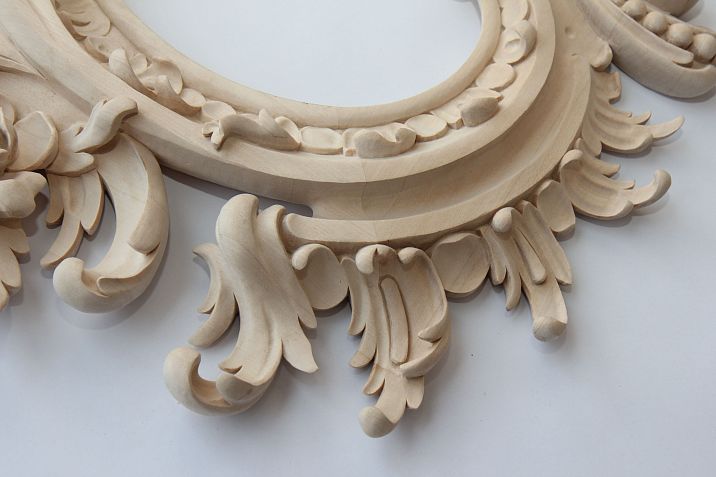
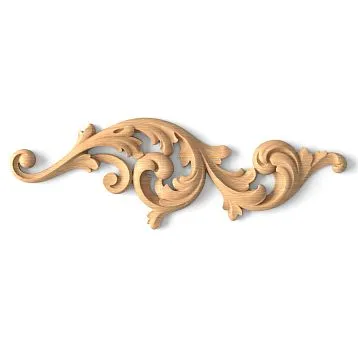
Have you ever paused, captivated by the elegant lines of carved ornament? Felt how your soul responds to the harmony of natural material and human craftsmanship? Carved wooden decoration This is not just a decorative element. It is living art that breathes, tells stories, and creates a unique atmosphere in the home.
In the era of digital technologies and artificial materials, we increasingly turn to the authentic, to what is crafted by hand from natural materials. Carved wooden decor becomes a bridge between the past and the present, between ancestral traditions and modern design solutions.


Philosophy of wood: why natural material wins hearts




Living energy of natural material
Wood is not just raw material for production. Each piece of wood carries the memory of years of growth, of seasonal changes, of rain and sun. When the craftsman takes the chisel in hand, he does not simply carve a pattern — he releases the beauty contained within the material.
Modern science confirms what our ancestors intuitively felt: wood possesses unique properties. It regulates air humidity, creates a favorable microclimate, emits warmth even on the coldest days. Carved elements made of natural wood transform the home into a living organism that breathes in harmony with its inhabitants.
Our factory also produces:


Psychology of perception of natural textures
Why does the gaze linger on carved wooden surfaces? Psychologists assert: the human brain is evolutionarily tuned to perceive natural forms and textures. We subconsciously seek a connection with nature, especially in urban environments.
Every irregularity, every fiber bend tells its own story. Unlike cold artificial materials, wood invites tactile contact, creating a sense of coziness and security. Carved ornaments enhance this effect, adding play of light and shadow, creating visual depth.
Get Consultation
Technical mastery: from wood to work of art
Choice of species: the character of wood determines the character of the product
Not every tree can become the basis for creating a carved masterpiece. Choosing the species is the first and decisive moment in creating a quality product. Each species possesses unique characteristics that affect not only the appearance but also the processing technology.
Oak — the aristocrat among tree species. Its dense structure and expressive texture make it an ideal material for creating monumental compositions. Carved oak elements are distinguished by nobility and durability, capable of conveying the most delicate ornament details.
Linden — the choice of master virtuosos. Soft and pliable, it allows creating items of jewel-like precision. The light hue of linden creates a sense of lightness and airiness, perfectly suited for interiors in Scandinavian style.
Walnut combines the beauty of texture with excellent working properties. Its rich brown hue with expressive grain creates a natural painting effect on the surface of the item.
Modern technologies serving traditional craftsmanship
Today's production of carved decor is a symbiosis of centuries-old traditions and innovative technologies. High-precision CNC machines allow creating perfectly symmetrical elements while still preserving the possibility of individual hand-finishing.
Laser engraving has opened new horizons for creating ultra-precise details. Computer modeling allows calculating every element of the composition, creating a three-dimensional model of the future product, and making adjustments even at the design stage.
However, no technology can replace the skill of human hands in the final finishing. It is precisely manual work that imparts the elusive liveliness to the item, distinguishing a work of art from an industrial product.
Stylistic diversity: from classic to avant-garde
Floral motifs: an eternal theme in new interpretations
Floral ornaments remain the most popular in the world of carved decoration. But modern designers have moved far beyond simple copying of natural forms. Today, floral motifs are a creative reinterpretation of the beauty of the surrounding world.
The grapevine with clusters and leaves symbolizes abundance and fertility. In modern interpretations, it can be executed in a realistic style or stylized to suit a specific interior style.
Oak leaves and acorns traditionally symbolize strength and power. Such motifs are ideal for offices and libraries, creating an atmosphere of solidity and reliability.
Roses in carved decoration are a classic that never goes out of fashion. From strict geometric stylizations to lavish baroque compositions — the rose remains a symbol of beauty and perfection.
Geometric patterns: mathematical harmony in wood
Geometric carving is a special direction requiring not only artistic taste but also precise calculation from the master. Each element must be strictly in accordance with the overall composition, creating a rhythmic, harmonious pattern.
Triangles, rhombuses, circles — simple shapes in skilled hands transform into complex ornamental compositions. Geometric patterns look especially striking under side lighting, when each facet creates its own play of light and shadow.
Modern designers often combine geometric and floral motifs, creating unique original compositions. This approach allows adapting traditional techniques to modern interior requirements.
Ethnic motifs: cultural heritage in a modern interpretation
Russian folk patterns are experiencing a true revival. Traditional motifs — Gorodets painting, Khokhloma scrolls, Bogorodskaya carving — find new embodiment in modern interiors.
Scandinavian motifs, with their minimalism and functionality, are ideal for minimalist spaces. Simple yet expressive forms add warmth to the interior without disrupting the overall concept.
Eastern ornaments bring exoticism and mystery into the space. Complex interweavings of lines, symbolic images create a special atmosphere of contemplation and tranquility.
Functional beauty: practical application of carved decoration
Furniture decoration: when utility meets art
Decorative appliqués for furniture offer the opportunity to radically change the character of familiar items. An ordinary chest becomes a work of art if its facade is adorned with carved elements. In this case, the functionality of the furniture is not only preserved but often even improved — the relief surface is easier to maintain, and minor damages are less noticeable.
Kitchen facades with carved elements create an atmosphere of a home hearth. Modern protective coatings make such furniture completely practical — it is not afraid of moisture, easily cleans off dirt, and retains its original appearance for years.
Bedroom furniture with carved decoration transforms a resting room into a boudoir. The headboard of the bed, adorned with delicate carving, becomes a central element of the interior, creating a sense of luxury and comfort.
Architectural elements: when walls become art
Decorative wall panels are a way to create a unique interior without major renovation. Carved wooden decoration They allow zoning of space, creating accent walls, adding depth and volume to the interior.
Ceiling roseettes and cornices are details that radically change the perception of a room. They create a sense of height and add architectural completeness to the interior. Such elements look especially striking when combined with properly chosen lighting.
Door casings and portals are the first thing seen by anyone entering the house. They create the first impression and set the tone for the entire interior. Carved elements around doorways transform ordinary doors into grand entrances to private areas of the home.
Staircase decoration: a vertical gallery of art
The staircase in a house is not just a functional element, but also an opportunity to create a vertical gallery. Carved balusters, columns, and handrails turn ascending to the second floor into an aesthetic experience.
Each baluster can become a unique work of art. Ornamental patterns varying in complexity and theme create a rhythmic composition that accompanies movement along the staircase. Modern technologies allow creating balusters of any complexity — from minimalist geometric forms to intricate floral compositions.
Creation technology: from idea to realization
Designing: where beauty is born
Modern creation of carved decoration begins with careful design. Designers use specialized software to create three-dimensional models of future products. This allows calculating all details in advance and evaluating the visual effect in a specific interior.
Special attention is paid to scaling. What looks great on a small sample may lose its expressiveness when scaled up, or conversely, overly large elements may overwhelm a small space.
Color solutions are also planned during the design stage. Modern tinting technologies allow achieving any shade, from natural wood tones to exotic hues mimicking precious species.
Manufacturing: where tradition meets innovation
The process of creating carved decoration combines high-tech equipment with handcrafting. Initial processing is performed on high-precision machinery — this ensures perfect geometry and repeatability of elements.
But true beauty is born in the process of hand-finishing. An experienced craftsman sees unique possibilities in each piece of wood, takes into account the direction of the grain and natural characteristics of the material. He can highlight a beautiful texture or conceal a natural defect.
Final finishing — this is the concluding stage that determines the durability and appearance of the item. Multi-stage sanding, tinting, and varnishing — each step requires professionalism and attention to detail.
Design solutions: integration into modern interiors
Minimalism and carved decoration: apparent contradiction
Can carved decoration exist in a minimalist interior? Modern designers convincingly prove — yes, and even better! The key is to properly dose the quantity of decorative elements and choose simple, streamlined forms.
A single carved element in a strict interior becomes a powerful accent, drawing attention. This can be a decorative panel behind the headboard, a carved frame for a mirror in the hallway, or a stylish overlay on a kitchen island.
Geometric ornaments integrate especially organically into minimalist spaces. Their strictness and mathematical precision resonate with the overall style concept, while adding the necessary warmth of natural material.
Eclecticism: when different styles create harmony
Modern interiors often combine elements of various styles and eras. In such a concept, carved decoration becomes a unifying element that ties disparate items into a cohesive composition.
Classic floral motifs harmonize beautifully with modern furniture. Traditional carving techniques, executed in a contemporary style, create unique, original solutions.
Especially interesting are projects where carved wooden elements combine with industrial materials — metal, concrete, glass. Such contrast highlights the beauty and warmth of natural wood.
Lighting: how to emphasize the beauty of carving
Proper lighting can significantly enhance the effect of carved decoration. Side lighting creates dramatic shadow play, emphasizing the relief and three-dimensionality of the ornament. Each recess, each protrusion begins to live its own life, creating a constantly changing picture.
Hidden LED backlighting allows creating completely fantastic effects. Carved panels transform into glowing works of art, creating soft, diffused lighting in the room.
Spot lighting of individual elements helps set accents, highlight the most interesting details of the composition. This technique is especially effective in the evening, when natural lighting is replaced by artificial lighting.
Practical aspects: from selection to use
How to choose quality carved decoration
The quality of carved decoration is determined by many factors. First and foremost, it is the quality of the raw material — the wood must be properly dried and free of hidden defects. Modern technologies allow identifying internal stresses in wood even at the roughing stage.
Technical execution — the second criterion of quality. All elements must have sharp, even edges and quality surface treatment. There should be no chips, burrs, or unevenness.
Finishing plays a decisive role in the longevity of the item. Quality varnishes and stains not only protect the wood from environmental exposure but also highlight its natural beauty.
Installation: professional approach to mounting
Correct installation is the guarantee of durability and aesthetic appeal of carved decoration. Even the highest-quality item can be ruined by improper mounting.
Adhesive bonding — the most common method of attaching decorative elements. Modern adhesives provide strength for decades. It is important to properly prepare surfaces — they must be clean, dry, and degreased.
Mechanical fastening is used for large elements bearing significant load. Hidden fasteners allow preserving the item's aesthetics while ensuring maximum connection reliability.
Care and Maintenance: Preserving Beauty for Years
Proper care ensures that carved decoration will delight with its beauty for many years. Regular cleaning with a soft cloth or brush removes dust that may accumulate in the recesses of the carving.
Periodic renewal of protective coating maintains the original appearance of items and protects wood from adverse effects. Modern compositions allow this to be done without dismantling elements.
It is important to maintain a stable microclimate in the room — sharp temperature and humidity fluctuations may lead to deformation of wooden elements.
Economic Aspects: Investment in Beauty and Status
Cost of Carved Decoration: What Makes Up the Price
The price of carved decoration depends on many factors. Wood species is one of the main pricing factors. Exotic species cost significantly more than traditional ones, but the effect of their use is correspondingly appropriate.
The complexity of the ornament directly affects the cost of the item. Simple geometric shapes will cost less than complex floral compositions with many small details.
The method of manufacture also affects the price. Handmade work is always more expensive than machine-made, but its value is incomparably higher. Each handmade item is unique and irreplaceable.
Size and quantity of elements — another pricing factor. Large elements require larger pieces of quality wood, which affects the cost.
Impact on property value
A well-executed interior with elements of artistic carving significantly increases the value of real estate. This is especially relevant for the luxury segment of the market, where uniqueness and exclusivity are especially valued.
Carved decorative elements create a sense of luxury and status, which is important for reception rooms and private residences. They demonstrate not only the owner's financial capabilities but also their cultural level and understanding of beauty.
Moreover, quality decoration made of natural wood is a long-term investment. Unlike trendy finishing materials that quickly become outdated, classical carving remains relevant for decades.
Trends in Development: Looking Ahead to Decorative Art
Ecological Aspects: Responsible Consumption of Beauty
Modern society is increasingly paying attention to ecological aspects of production. Carved decoration made of natural wood is a choice for those who care about the environment and their own health.
Responsible manufacturers use only certified wood from managed forests. This guarantees that the production of decoration does not harm nature, and forest resources are restored.
Modern protective coatings and adhesive compositions do not contain harmful substances and are safe for human health. They do not emit toxic vapors and do not cause allergic reactions.
Personalization: When Decoration Tells a Personal Story
Modern clients increasingly choose personalized solutions. Carved decoration is an ideal opportunity to realize the individual wishes of the client.
Family crests, monograms, commemorative dates — all of this can be reflected in decorative elements. Such an approach transforms Carved wooden decoration from a simple decorative ornament into part of a family's history.
Thematic compositions reflecting hobbies or the homeowner's professional activity are especially popular. Musical instruments for music lovers, sports symbols for athletes, nautical motifs for travelers — possibilities are limited only by imagination.
Integration with smart technologies
The future of carved decoration is integration with modern technologies. Smart lighting systems allow creating various lighting scenarios that highlight the beauty of carving at different times of day.
Built-in sensors can monitor the condition of wooden elements, promptly signaling the need for maintenance. This is especially relevant for valuable original works.
Augmented reality opens new possibilities for experiencing decorative art. Special applications can show the history of creation of each element, explain the symbolism of the ornament, and demonstrate how the interior has changed over time.
Psychology of Space: How Decoration Affects People
Emotional Impact of Natural Materials
Scientific research confirms: natural materials have a beneficial effect on a person's mental state. Wood creates a sense of stability, safety, and connection with nature.
Tactile sensations play an important role in perceiving space. The ability to touch natural wood, feel its warmth and texture creates a sense of comfort and coziness.
The scent of natural wood acts subconsciously, evoking associations with the forest, nature, and purity. This is especially important in urban conditions, where people are disconnected from the natural environment.
The influence of ornaments on the perception of space
Different types of ornaments affect the human psyche differently. Plant motifs soothe and create a sense of harmony with nature. They are ideal for bedrooms and relaxation zones.
Geometric patterns, on the contrary, stimulate mental activity and increase attention concentration. Such ornaments are suitable for offices and libraries.
Complex interwoven compositions create a sense of richness and abundance. They emphasize the owner's status, demonstrating their success and prosperity.
Creating atmosphere through details
Carved decoration is a powerful tool for creating a specific atmosphere in a room. Properly selected elements can transform an ordinary room into a romantic boudoir, a strict office, or a cozy living room.
It is not only the form of the ornament, but also its placement that matters. Decoration at eye level attracts maximum attention, creating focal points in the interior. Elements placed higher or lower affect the subconscious, creating an overall emotional background.
Regional traditions in modern interpretation
Russian school of carving: from folk crafts to designer solutions
The Russian tradition of wooden carving has deep historical roots. Each region of the country developed its own characteristics, stylistics, and woodworking techniques.
Bogorodskaya carving, with its characteristic three-dimensional figures, finds new expression in modern interiors. Stylized animals and birds become original decorative elements.
Gorodets painting, with its bright colors and lively scenes, inspires modern designers to create cheerful, positive compositions for children's rooms and family areas.
Khokhloma motifs, with their characteristic golden background and plant ornaments, fit perfectly into luxurious interiors, creating an atmosphere of Russian baroque.
European influences: from Gothic to Modern
European carving traditions have also significantly influenced the development of decorative arts. Gothic rosettes, with their geometric precision, are ideal for modern minimalist interiors.
Baroque opulence is reflected in luxurious compositions for reception rooms. Complex interweavings of acanthus leaves, cherubs, and cartouches create an atmosphere of solemnity and grandeur.
Modernism, with its flowing, natural forms, inspires the creation of organic compositions where the boundary between nature and art is almost erased.
Eastern motifs: philosophy in ornament
Eastern carving traditions bring a special philosophy into modern interiors. Chinese dragons symbolize strength and wisdom, while Japanese cherry blossoms represent beauty and the fleeting nature of life.
Islamic geometric ornaments, with their mathematical precision and infinite repetitions, create a meditative atmosphere, encouraging contemplation and reflection.
Indian motifs, with their rich symbolism and multi-layered meanings, transform an ordinary space into a temple of beauty and spirituality.
Custom solutions: when standard does not fit
Individual design: realization of unique ideas
Sometimes standard solutions are unable to fully reveal the potential of an interior or satisfy specific client needs. In such cases, individual design comes to the rescue.
Working with a designer begins with a detailed study of the space, identifying its features and potential opportunities. Not only the dimensions of the room, but also its functional purpose, stylistic concept, and the owner's personal preferences are taken into account.
Creating sketches and 3D models allows you to assess in advance how carved elements will look in a specific interior. This eliminates unpleasant surprises and allows for adjustments even during the design stage.
Collectible items: art as an investment
Some masters create collections of carved items, united by a common theme or style. Such works represent special value for collectors and lovers of decorative art.
Each item in the collection is unique, has its own number, and comes with an authenticity certificate. Such works not only decorate interiors but are also a profitable investment — their value only increases over time.
Especially valued are the works of masters who have their own recognizable style and artistic manner. Such items become true works of art, capable of adorning the most refined interiors.
Conclusion: craftsmanship, proven over time
In a world of rapidly changing technologies and fashion trends Carved wooden decoration it remains a symbol of constancy and quality. This art unites generations, connects the past with the present, creating a bridge between tradition and modernity.
Choosing wooden carved elements for your home, we choose not just decoration. We choose a philosophy of life where beauty and quality are valued above immediate gain. We create a space that will delight us and our descendants, passing down warmth and comfort from generation to generation.
Each carved element is a story told in the language of wood. A story about the master who infused a part of his soul into the work. A story about the tree that grew under sun and rain, absorbing the energy of the earth. A story about the home that becomes not just a place of habitation, but a temple of beauty and harmony.
In a modern world where artificial is increasingly replacing natural, STAVROS remains a guardian of quality carved decoration traditions. Years of experience, deep understanding of the material, and modern technologies allow us to create items that will become a decoration for any interior and a source of pride for the owner.