Article Contents:
- Furniture Alchemy: Transforming the Typical into the Exclusive
- Philosophy of Decorative Furniture Design
- Psychology of Perceiving Relief Surfaces
- Typology of Furniture Carved Decor: From Miniatures to Dominants
- Applied Elements: Point Accentuations of Style
- Integrated Elements: Carving as Part of the Structure
- Frontal Compositions: Carving as the Main Character
- Material Science: Choosing Wood for Furniture Decor
- Hardwood Species: The Foundation of Quality
- Softwoods for Fine Artistic Work
- Exotic Species: Luxury in Details
- Stylistic Evolution of Furniture Decor
- Classic Styles: Eternal Values in a New Interpretation
- Historical Styles: Richness of Cultural Traditions
- Modern Directions: Traditions in a New Sound
- Technologies for Creating Furniture Decor: From Sketch to Masterpiece
- Design: where beauty is born
- Modern Production: Synthesis of Technologies
- Handcrafted Finishing: The Soul of Craftsmanship
- Integration of Carved Decor into Furniture Structures
- Kitchen Furniture: Functionality Meets Beauty
- Bedroom Furniture: The Art of Comfort
- Living Room: Theater of Home Life
- Care for Carved Furniture Decor: Preserving Beauty for Centuries
- Daily Care: Simple Rules for Longevity
- Seasonal Maintenance: Prevention of Aging
- Restoration: Returning Lost Beauty
- Economic Efficiency of Carved Furniture Decor
- Investment Appeal: Beauty That Pays Off
- Exclusivity as a Competitive Advantage
- Psychological Value: Comfort and Well-being
- Trends in Development: Looking Ahead to Furniture Decoration
- Technological Innovations: New Possibilities
- Ecological Requirements: Responsible Production
- Personalization: Uniqueness in Mass Production
- Russian traditions of wooden architecture
- Russian School of Furniture Decoration
- European Influences: Technical Perfection
- Eastern Aesthetics: Philosophy in Ornament
- Practical Tips for Selection and Application
- Defining stylistic concept
- Adhering to Proportions and Scale
- Budget planning
- Conclusion: Art That Transforms Life
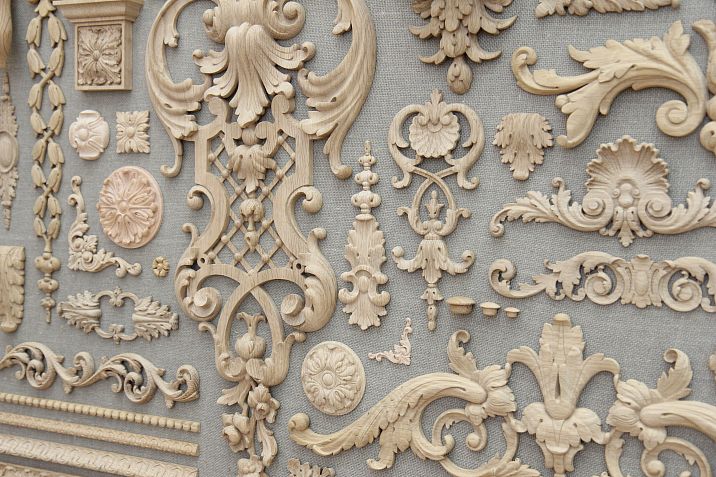
Is it worth discussing how a single carved element can radically change the perception of a whole piece of furniture? Wood Carving Decoration for Furniture It is not just decoration, but a design philosophy that transforms functional items into works of art, filling space with a special energy and unique character.
Imagine: you enter a room where every piece of furniture tells its story through the language of carved ornaments. A chest becomes an antique treasure chest, an ordinary wardrobe attains the status of a rare antique, and a simple bed becomes a throne for sweet dreams. It is precisely this magic that talented master craftsmen create, producing unique decorative elements.


Furniture Alchemy: Transforming the Typical into the Exclusive




Philosophy of Decorative Furniture Design
Furniture without decoration is merely a set of functional items. But adding carved elements instantly gives space a soul. Carved furniture appliqués serve as emotional accents that set the mood for the entire interior.
Each ornament carries deep meaning. Plant motifs symbolize vitality and fertility, geometric patterns reflect harmony and order, and baroque scrolls speak of luxury and refinement. Choosing a particular carving style programs our perception of space on a subconscious level.
Our factory also produces:


Psychology of Perception of Relief Surfaces
The human brain is evolutionarily tuned to perceive complex natural forms. Smooth surfaces appear cold and alien to us, while carved elements awaken tactile associations and create a sense of warmth. Decorative furniture appliqués activate brain regions responsible for aesthetic pleasure.
Relief surfaces create a play of light and shadow that changes throughout the day. Morning rays particularly highlight certain ornament details, while evening lighting emphasizes others. This dynamism transforms a static piece of furniture into a living work of art.
Get Consultation
Typology of Furniture Carving Decoration: From Miniatures to Dominants
Appliqué Elements: Point Accents of Style
Decorative appliqués on furniture are the most universal way to transform interior items. Their sizes range from miniature rosettes with a diameter of 30 mm to large panels of 500×300 mm. Each size solves its own artistic task.
Small appliqués (50–100 mm) create rhythmic compositions on extended surfaces. Medium elements (100–200 mm) become compositional centers of facades. Large appliqués (200 mm and above) become dominants, drawing primary attention.
The shape of appliqués determines their functional purpose:
- Round rosettes are ideal for centering symmetrical compositions
- Corner elements mask joints and create smooth transitions
- Extended friezes unite scattered details into a unified whole
- Cartouches serve as frames for monograms and initials
Integrated elements: carving as part of the structure
Carved handles for furniture combine functionality and decoration. They do not merely allow opening drawers or doors — they become jewelry-like ornaments of furniture items. The material, shape, and ornament of the handle must harmonize with the overall style of the piece.
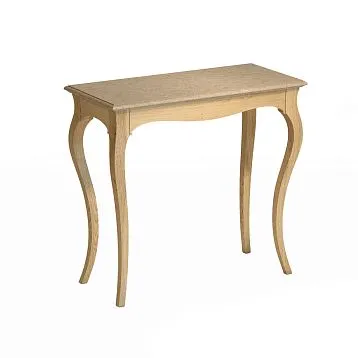
Carved supports and legs transform ordinary furniture into sculptural compositions. Curved cabriole legs in the Rococo style, strict fluted columns of Classicism, plant motifs of Modernism — each style has its own language of forms.
Frontal compositions: carving as the main hero
Carved furniture facades become true works of applied art. Here, the carver can fully demonstrate their skill, creating complex, multi-layered compositions with deep symbolic meaning.
Carved headboards of beds are especially impressive. They transform the sleeping space into a throne-like setting, creating a sense of protection and comfort. Traditional motifs — floral garlands, birds, cherubs — create an atmosphere of tranquility and harmony.
Material science: choosing wood for furniture decoration
Hardwoods: the foundation of quality
Oak remains the undisputed leader among materials for furniture decoration. Its density of 680–750 kg/m³ allows creating the finest ornamental details that will retain clarity for decades. Tannins contained in oak wood provide natural protection against pests and fungi.
Beech attracts furniture makers with its uniform structure and excellent working properties. The absence of a pronounced grain makes it ideal for complex ornaments where line purity is crucial. Beech decorative elements for furniture easily take on any shade.
Ash surprises with the contrast of its texture and high strength characteristics. Light and dark stripes create a natural decorative effect that masters skillfully use in compositions. The high viscosity of the wood allows creating thin, elegant details.
Softwoods for delicate artistic work
Linden is a traditional material for artistic carving. Its softness and uniform structure allow creating delicate, jewel-like compositions. Linden carved ornaments for furniture are distinguished by exceptional elegance and detail.
Ash has a beautiful pinkish hue and stable dimensions. It does not warp with changes in humidity, which is critically important for furniture elements. After staining, ash can imitate valuable species.
Exotic Woods: Luxury in Detail
Redwood (mahogany) creates a sense of aristocratic luxury. Its deep reddish-brown color and silky texture turn any piece of furniture into a work of art. Mahogany furniture decoration elements are an investment in prestige and status.
Walnut combines strength with exceptional texture beauty. Its complex pattern of light and dark veins creates a natural painting effect. Walnut items only improve over time, acquiring a noble patina.
Stylistic evolution of furniture decoration
Classic styles: eternal values in a new interpretation
Baroque in furniture decoration is a triumph of curved lines and lavish forms. Characteristic motifs: shells, cartouches, acanthus leaves, cherubs — create a sense of constant movement and dynamism. Wood Carving Decoration for Furniture In Baroque style, it turns an ordinary item into theatrical decoration.
Baroque carved appliqués are distinguished by deep relief and complex play of light and shadow. Each element strives to impress the imagination, demonstrating the master’s virtuosity. Asymmetry becomes an artistic technique, creating an impression of spontaneity and emotionality.
Classicism opposes Baroque expressiveness with noble restraint. Strict proportions, mathematical precision, harmony of parts and the whole — the main principles of the style. Classicist furniture appliqués use ancient motifs: palmettes, meanders, laurel wreaths, rosettes.
Empire — the style of victors and emperors. Its symbolism — eagles, fasces, wreaths, military trophies — is intended to demonstrate power and grandeur. Empire furniture is distinguished by monumental forms and grandiose decoration.
Historical styles: richness of cultural traditions
Gothic brought vertical aspirations and delicate lightness into furniture art. Gothic carved elements impress with the complexity of geometric constructions: trefoils, quatrefoils, braids create a lace-like effect.
Renaissance revived ancient traditions, but reinterpreted them in the spirit of the era. Renaissance furniture is distinguished by perfect proportions and rich plant decoration. Grapevines, oak leaves, roses — favorite motifs of Renaissance masters.
Rococo took decoration to refined elegance. Asymmetrical compositions, pastel tones, gilding create an atmosphere of the age of gallantry. Rocaille appliqués for furniture resemble precious jewelry.
Modern directions: traditions in a new sound
Modernism brought into furniture decoration a cult of nature. Stylized plants, insects, sea waves — all this finds embodiment in carved elements. A characteristic feature of Modernism — absence of straight lines, everything flows and curves like living forms.
Art Deco combines luxury with geometric strictness. Sun rays, zigzags, stylized flowers create the recognizable aesthetic of the jazz era. Art Deco decorative appliqués are distinguished by graphic clarity and contrasting material combinations.
Modern classicism reinterprets traditional forms in the spirit of the times. While preserving recognizable motifs — rosettes, palmettes, meanders — contemporary masters simplify them, make them more concise, and adapt them to modern aesthetics.
Technologies for creating furniture decor: from sketch to masterpiece
Designing: where beauty is born
Creating quality furniture decor begins with careful design. Modern designers use specialized CAD programs to create three-dimensional models of future items. This allows calculating all details, assessing proportions, and simulating the play of light and shadow.
Parametric modeling allows quickly adapting basic shapes to various sizes and proportions. The same rosette can be scaled for different furniture items while maintaining harmonious proportions.
Modern production: synthesis of technologies
CNC milling ensures the highest precision of processing and perfect repeatability of elements. Modern multi-axis centers are capable of creating details of complex spatial forms in a single setup. This is especially important for mass production of furniture with carved elements.
Laser cutting has opened new possibilities for creating delicate elements. The cut thickness does not exceed 0.2 mm, allowing the creation of details inaccessible by traditional methods. The laser is ideal for manufacturing thin decorative appliqués with high detail.
Hand finishing: the soul of craftsmanship
Despite technological advancements, hand finishing remains an indispensable part of creating quality decor. The master carver imparts the item with liveliness and individuality that machine methods can never achieve.
Final processing includes fine sanding of all surfaces, meticulous attention to the smallest details, and creating smooth transitions between different relief levels. It is precisely at this stage that the item acquires its finished appearance and professional quality.
Integration of carved decor into furniture structures
Kitchen furniture: functionality meets beauty
Carved kitchen facades transform a functional space into a cozy family hearth. Botanical motifs — grapevines, wheat stalks, oak leaves — evoke associations with abundance and fertility. Such a kitchen ceases to be merely a place for food preparation — it becomes the heart of the home.
Modern protective coatings make carved decor absolutely practical in kitchen conditions. Special lacquers withstand exposure to steam, grease, and cleaning agents while preserving the beauty of the wood.
Kitchen islands with carved supports become central elements of interior design. They unite the functional cooking zone with the dining area, creating a unified harmonious space.
Bedroom furniture: the art of comfort
Carved headboards create a sense of protection and coziness. Soft botanical motifs, angels, birds promote relaxation and healthy sleep. Headboard height can vary from modest 120 cm to monumental 200 cm, creating various emotional effects.
Nightstands with carved facades support the stylistic unity of the bedroom set. Small appliqués with delicate ornaments add elegance without overwhelming the space.
Wardrobes with carved elements transform clothing storage into an aesthetic pleasure. Every morning begins with the appreciation of beauty, setting a positive tone.
Living room: the theater of home life
Walls and shelves with carved elements create a festive atmosphere in the living room. Here, the most lavish and expressive decorative compositions are appropriate. Carved cornices, capitals, friezes transform ordinary furniture into architectural ensembles.
Coffee tables with carved legs add elegance to the lounge area. The tabletop may be smooth — contrasting textures create an interesting artistic effect.
Fireplaces with carved frames become compositional centers of the living room. Even if it is a modern electric fireplace, quality carved framing creates a sense of authenticity and tradition.
Care for carved furniture decor: preserving beauty for centuries
Daily care: simple rules for longevity
Furniture with carved elements requires special attention in care. Dust tends to accumulate in ornament recesses, so regular cleaning with a soft brush or vacuum cleaner with a brush attachment is essential.
Wet cleaning is performed with a well-wrung cloth without using aggressive agents. Modern wood care compositions contain waxes and oils that not only clean but also nourish the wood, maintaining its elasticity.
Seasonal maintenance: prevention of aging
During the heating season, when air humidity drops below 40%, wood may crack. Using humidifiers and special wood compositions prevents the appearance of cracks.
Protective coating renewal is performed every 3-5 years depending on usage intensity. Modern compositions are applied in a thin layer and dry quickly, without interrupting furniture use.
Restoration: Returning Lost Beauty
Minor damages — scratches, chips, scuffs — can be repaired without dismantling elements. Special repair compositions based on wood flour are used, which, after drying, are treated like regular wood.
Serious damage requires the intervention of a professional restorer. The method of local wood insertion allows replacing the damaged area without disrupting the overall composition.
Economic Efficiency of Carved Furniture Decoration
Investment Appeal: Beauty That Pays Off
Wood Carving Decoration for Furniture This is not an expense, but an investment in increasing the interior's value. Furniture with quality carved elements is always valued higher than ordinary furniture, especially on the secondary market.
Statistics show: the presence of carved decoration increases the cost of furniture sets by 30-50%. Meanwhile, the service life of quality items is measured in decades, making the investment especially profitable.
Exclusivity as a Competitive Advantage
In the era of mass production, unique furniture with carved elements becomes a sign of special status. It highlights the owner's individuality, their understanding of beauty and quality.
The antique value of quality carving increases over time. Works by renowned masters become collector's items, and their cost may exceed the original price many times over.
Psychological Value: Comfort and Well-being
A beautiful environment positively affects a person's mental state. Carved furniture creates a sense of stability, solidity, and connection to cultural traditions. This is especially important in modern life, with its fast pace and constant changes.
Trends in Development: Looking Ahead to Furniture Decoration
Technological Innovations: New Possibilities
3D printing is already used to create complex prototypes and even finished items. New materials — wood-polymer composites — combine the beauty of natural wood with the practicality of modern materials.
Augmented reality allows "trying on" carved elements on furniture even before their manufacture. The client can see how their set will look with various decorative options.
Ecological Requirements: Responsible Production
Growing ecological awareness influences material and technology choices. Certified wood from sustainably managed forests has become a standard. Water-based varnishes and natural oils replace traditional solvent-based coatings.
Personalization: Uniqueness in Mass Production
Modern technologies allow creating personalized decorative elements without significant cost increases. Family monograms, coats of arms, commemorative dates — all of this can be incorporated into the ornament, making the furniture truly individual.
Regional characteristics and cultural traditions
Russian School of Furniture Decoration
Russian traditions of wood carving have deep historical roots. Хохломские мотивы, городецкие цветы, богородская резьба — all of this are living traditions that find new expression in modern furniture.
Modern masters do not copy historical samples, but creatively reinterpret them, creating items that are both traditional and contemporary.
European Influences: Technical Perfection
European schools of furniture decoration are distinguished by high technical standards and attention to detail. Italian elegance, French refinement, German precision — each tradition contributes to modern carving art.
Eastern Aesthetics: Philosophy in Ornament
Eastern traditions bring a unique philosophy to furniture decoration. Chinese symbolism, Japanese minimalism, Indian detailing enrich the palette of modern decorative art.
Practical Tips for Selection and Application
Defining stylistic concept
Before choosing carved elements, it is important to determine the overall stylistic concept of the interior. Decoration should complement, not contradict, the main design idea.
Study the distinctive features of the chosen style, its color palette, typical ornamental motifs. This will help make the right choice and avoid stylistic mistakes.
Adherence to Proportions and Scale
The size of carved elements should match the size of the furniture and room. Large inlays on small items will look ridiculous, while small details will disappear on large surfaces.
Create a layout plan for decorative elements, indicating their sizes. This will help assess the overall effect and make adjustments before beginning production.
Budget Planning
Quality carved decoration requires significant investment, but it pays off through longevity and aesthetic appeal. Plan your budget realistically, considering not only the cost of production but also installation and finishing.
Remember: a miser pays twice. It's better to order a few high-quality elements than many mediocre ones.
Conclusion: art that transforms life
Wood Carving Decoration for Furniture — is a way to transform an ordinary home into a work of art. Each carved element carries a part of the master’s soul, his understanding of beauty, his pursuit of perfection.
In a world of mass production, where individuality has become a luxury, carved decoration remains an island of true craftsmanship. It is the choice of those who understand the difference between price and value, between fashion and style.
Furniture inlays, carved handles for furniture, decorative furniture inlays — each element contributes to creating a unique atmosphere in the home. They transform functional items into works of art, creating that very aura of beauty and comfort which distinguishes a true home from mere shelter.
Choosing quality carved decoration means investing not only in the beauty of our home, but also in supporting traditional crafts and preserving cultural heritage. This is a responsible choice made by someone who understands the importance of beauty in everyday life.
STAVROS has remained a leader in the field of high-quality furniture decoration for many years. By combining centuries-old craftsmanship traditions with modern technologies, using premium materials, and attracting talented artists, the company creates pieces that become family heirlooms. STAVROS is a guarantee of quality, durability, and unique beauty that will delight owners for many years and be passed down to future generations as a symbol of good taste and understanding of true values.