Article Contents:
- History of carved window casing in Russian architecture
- From talisman to work of art
- Regional characteristics of carved window casing
- Revival of traditions in modern architecture
- Materials and technologies for making carved window casing
- Wood species for carved window casing
- Modern carving technologies
- Protective treatments and coatings
- Styles and design of carved window casing
- Traditional Russian motifs
- Modern interpretations of classical patterns
- How to choose window casing to match the architectural style of the house
- Moscow: where to buy carved window casing for windows
- Specialized manufacturers and workshops
- Construction markets and stores
- Online ordering and delivery
- Supplier selection criteria
- Technical aspects of choosing and installing carved window casing
- Sizes and proportions
- Structural features and mounting methods
- Protection from Atmospheric Effects
- Seasonality of installation and mounting specifics
- Care and restoration of carved window casing
- Regular maintenance and prevention
- Signs indicating the need for restoration
- Restoration and recovery methods
- Professional restoration vs DIY
- Economic aspects of purchasing carved window casing
- Pricing and Factors Influencing Cost
- Cost comparison with alternative solutions
- Investment attractiveness of carved window casing
- Cost optimization without compromising quality

The architectural appearance of a house is shaped by many details, and one of the most expressive is window framing. Carved window casing can transform even the most modest structure, giving it a unique character and individuality. This decorative element, inherited from ancient times, is currently experiencing a true revival, combining traditional craftsmanship with modern technologies.
For residents of the capital, the question Where to buy carved window casings in Moscow becomes especially relevant in the context of growing interest in eco-friendly materials and authentic design. In a metropolis, where standardized construction often strips buildings of individuality, wooden decoration becomes that touch that distinguishes a house among thousands of others.
In this article, we will delve into the wonderful world of carved window casings—from the history of their origin to practical tips on selection and installation. You will learn about various styles and carving techniques, materials used, and methods of protecting wood from adverse effects. We will tell you where in Moscow you can purchase high-quality carved window casings that will last for decades, and what to pay attention to when choosing a manufacturer.
Ready to discover the world of wooden lace, capable of transforming ordinary windows into true works of art? Then continue reading!


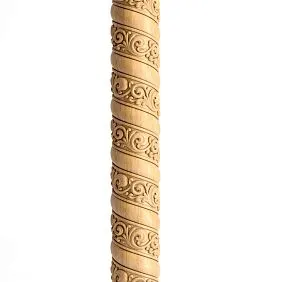
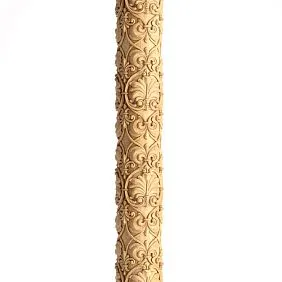
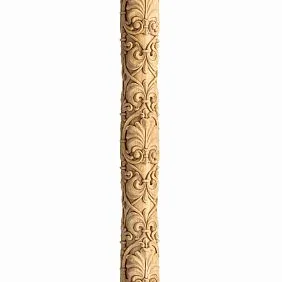


History of carved window casings in Russian architecture
The tradition of decorating windows with carved casings dates back to ancient times. This is not merely a decorative element—in folk culture, the casing performed an important protective function, safeguarding the house from evil spirits and bad weather.




From amulet to work of art
In ancient Russian architecture, the window was considered a special place—the boundary between the world of people and the external space, through which not only light and air, but also invisible forces could penetrate. To protect the dwelling, our ancestors created complex carved compositions filled with symbolic meaning.
The upper part of the casing—the ocher—was often decorated with solar symbols, representing the sun and celestial bodies. These elements were meant to repel dark forces and attract light and warmth into the house. The side parts—the panels—were decorated with plant ornaments, symbolizing life force and fertility. The lower part—the sill board—often contained images associated with the earth and the underworld.
Over time, the protective function of casings receded into the background, giving way to aesthetic appeal. Carvers competed in the artistry of their work, creating increasingly complex and refined patterns. Each region of Russia developed its own styles and motifs of carving, reflecting local traditions and beliefs.
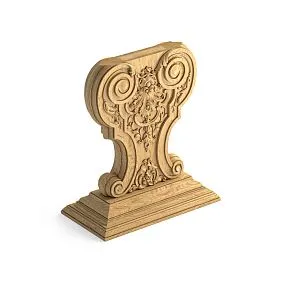
Our factory also produces:


Regional characteristics of carved window casings
Russian carved window casings are distinguished by a rich variety of regional styles, each with its own distinctive features:
The Northern Russian style is characterized by the strictness and geometric nature of patterns. In the harsh climate of the Russian North, solid carving—where the pattern is cut into a flat board without openings—was predominant. Main motifs include diamonds, rosettes, and stars, symbolizing the sun and stars.
The Volga style is distinguished by its richness and ornate decoration. Here, pierced carving was popular, where the pattern was cut through, creating an elegant lacework. Plant motifs, images of birds and animals are characteristic.
The Siberian style combines elements of Russian and Eastern traditions. It is characterized by the massiveness and three-dimensionality of carving and the use of bright colors. Popular were images of mythical creatures—dragons, unicorns, and sirens.
The Central Russian style represents a harmonious blend of northern and southern traditions. Here you can find both geometric patterns and lush plant ornaments. Grapevine motifs were especially popular, symbolizing fertility and abundance.
Get Consultation
Revival of traditions in modern architecture
During the Soviet period, the art of carved window casings experienced its darkest times. Standardized construction and urbanization led to traditional crafts being on the brink of extinction. However, in the last decades, interest in national heritage has revived, and carved window casings have once again become a sought-after element of architectural decoration.
Modern architects and designers turn to traditional motifs, reinterpreting them in the context of contemporary aesthetics. Carved casings adorn not only wooden houses, but also brick and even concrete buildings, creating an interesting contrast of materials and textures.
In Moscow, where many historic wooden buildings have been preserved, carved window casings have become an important element of restoration work. Masters restore lost details, relying on archival photographs and preserved samples. At the same time, demand for carved casings for new country houses is growing, as owners strive to emphasize their connection to national traditions.
Materials and technologies for making carved window casings
The quality and durability of carved window casings largely depend on the choice of material and manufacturing technology. Let us consider the main aspects to consider when choosing.
Wood species for carved window casings
Traditionally, local wood species accessible in a specific region were used to make casings. Today, the choice of materials is much broader, and each species has its own advantages and characteristics:
Spruce is the most accessible and popular material. It is relatively soft, which facilitates carving, has a beautiful texture and a pleasant golden hue. However, spruce contains resin that may appear on the surface under sunlight. To prevent this, the wood must be carefully treated with special compounds.
Larch is a denser and harder wood than spruce. It is distinguished by high resistance to rot and insect damage due to its natural resins. Larch casings can last for decades without significant loss of quality, but working with this material is more difficult, which affects the cost of the finished product.
Oak is a symbol of strength and durability. Oak casings are distinguished by exceptional resistance to environmental and mechanical damage. Over time, oak wood acquires a noble silver-gray hue. However, oak is a hard wood, requiring a high level of craftsmanship and specialized tools from the carver.
Linden is a traditional material for wood carving. It is soft, easily workable, and allows for creating the most complex and delicate patterns. However, for outdoor use, linden casings require careful protective treatment, as this wood is less resistant to moisture and insects.
Cedar is a noble wood with excellent aesthetic and technical properties. Cedar wood contains natural oils that protect it from rot and insects. It has a beautiful pinkish hue and a pleasant aroma. Cedar casings are a prestigious and durable choice, but also one of the most expensive.
Modern Carving Technologies
If, in the past, all door casings were crafted by hand using simple tools — axe, knife, chisel — today, masters are aided by modern technologies:
Hand-carving is a traditional method requiring a high level of craftsmanship and significant time investment from the artisan. Each piece becomes unique, with its own character and energy. Handmade work is especially valued and accordingly priced.
CNC Machining (Computer Numerical Control) — a modern technology enabling the creation of carved door casings with high precision and repeatability. A computer program controls the movement of the milling cutter, which cuts the specified pattern into the wooden blank. This method ensures high quality while requiring less time and labor.
Laser Cutting — an innovative technology in which the pattern is cut using a laser beam. This method allows for very fine and detailed patterns, inaccessible to traditional tools. However, laser cutting has limitations in cutting depth and is not suitable for creating three-dimensional, relief-style door casings.
Combined Technologies — a combination of machine processing for creating the base and manual finishing to impart individuality and artistic value to the item. This approach allows for optimized production without sacrificing quality or uniqueness.
Protective Treatments and Coatings
Carved door casings, as elements of exterior decoration, are exposed to sunlight, precipitation, and temperature fluctuations. To ensure longevity, a quality protective treatment is necessary:
Antiseptic Impregnation protects wood from rot, mold, fungi, and insects. Modern antiseptics penetrate deeply into the wood structure, providing long-term protection without altering color or texture.
Fire-retardant treatment increases wood’s resistance to ignition — an important safety aspect, especially for wooden houses.
Primer prepares the surface for the application of the final coating, improves adhesion, and equalizes the wood’s absorbency.
Paint and varnish coatings protect wood from ultraviolet rays, moisture, and mechanical damage. Modern formulations preserve the natural beauty of wood while simultaneously providing reliable protection. You can choose transparent varnishes that highlight the wood’s texture or opaque paints that allow you to create a vibrant color accent.
Oils and waxes — natural protective coatings that enhance the beauty of wood and create a "breathable" surface. They require more frequent reapplication, but they are easily restorable without the need to completely remove the old coating.
Properly treated carved door casings can serve for decades, preserving their beauty and protective functions. When selecting a coating, it is important to consider the climatic conditions of the region and the degree of protection the casings have from direct exposure to precipitation.
Styles and Design of Carved Door Casings
Choosing the style of carved door casings is an important step that will determine the exterior appearance of your home for many years. Let’s examine the main stylistic directions and principles of their application in modern architecture.
Traditional Russian Motifs
Classic Russian door casings are distinguished by their richness and variety of patterns. Among the most popular motifs:
Solar Symbols — symbolic representations of the sun in the form of rosettes, circles with rays, stars. These elements are traditionally placed at the top of the casing and symbolize celestial bodies.
Botanical Ornaments — stylized depictions of flowers, leaves, branches, grapevines. They symbolize life force, fertility, and prosperity.
Zoomorphic Motifs — depictions of birds (especially popular are roosters, doves, swans), animals, and mythical creatures. Each image carries its own symbolic meaning: roosters ward off evil forces, doves symbolize love and fidelity, swans represent nobility and purity.
Geometric Patterns — diamonds, triangles, zigzags, wavy lines. These elements often had magical significance and were used to protect the home.
Modern Interpretations of Classic Patterns
Modern designers not only reproduce traditional patterns but also create new interpretations adapted to contemporary architecture:
Minimalist Versions of Classic Motifs — simplified, stylized patterns that retain the recognizability of traditional elements with less detail. Such casings harmonize well with modern architecture and do not overload the facade.
Geometric Abstraction — a modern interpretation of traditional geometric patterns using clear lines, strict forms, and rhythmic repetitions. This style combines particularly well with minimalist architecture and high-tech design.
Eco-style — casings with natural motifs, executed in natural, muted tones. They emphasize the connection with nature and harmonize well with modern eco-friendly wooden and natural-material homes.
Fusion — bold combinations of elements from different cultures and eras. For example, traditional Russian motifs can intertwine with Eastern or Scandinavian elements, creating a unique, eclectic style.
How to Choose a Door Casing to Match the Architectural Style of the House
When selecting the style of carved door casings, it is important to consider the architectural features of the house and the overall concept of facade decoration:
For traditional wooden houses (izbas, terem, Russian estates), classic cornices with rich carving, reproducing historical samples, are suitable. They will emphasize authenticity and connection to national traditions.
For modern-style houses, cornices with smooth, flowing lines, plant motifs stylized in the modern style are suitable. Characteristic elements include curved stems, exotic flowers, and asymmetrical compositions.
For houses in the Scandinavian style, minimalist cornices with simple geometric patterns in light tones are appropriate. They will highlight the purity of lines and minimalist aesthetics of Scandinavian architecture.
For modern cottages, you can choose stylized cornices with simplified traditional motifs or geometric patterns. It is important that they harmonize with the overall appearance of the building and do not look like a foreign element.
For eclectic projects combining elements of different styles, you can experiment with unusual shapes and patterns, creating unique, custom solutions.
When choosing the style of cornices, it is also important to consider the surrounding landscape, neighboring buildings, and regional architectural traditions. Harmonious combination of all elements will create a cohesive, expressive image of your home.
Moscow: where to buy carved window cornices
As the largest metropolis in Russia, Moscow offers a wide range of opportunities for purchasing carved cornices. Let's consider the main options and their features.
Specialized manufacturers and workshops
There are many companies in Moscow and the Moscow region specializing in the production of carved wooden items. Direct contact with the manufacturer has several advantages:
Individual approach - the opportunity to order a cornice according to your own design or adapt existing models to specific dimensions and style of your house.
Quality control - the opportunity to personally visit the production facility, assess the quality of materials and workmanship, and see samples of finished products.
Professional consultation - specialists will help you choose the optimal wood species, carving style, and protective coating, taking into account the specific features of your house and climatic conditions.
Comprehensive solutions - many manufacturers offer not only cornices but also other decorative elements - moldings, cornices, and window sills, allowing you to create a unified ensemble.
When choosing a manufacturer, pay attention to:
- Experience in the market
- Portfolio of completed projects
- Customer reviews
- Warranty and service conditions
- Delivery and installation options
Where to buy carved window casings in Moscow This question often leads to seeking specialized manufacturers who can offer not only a quality product but also a full cycle of services from measurements to installation.
Construction markets and stores
Traditional places for purchasing construction materials and decorative elements - construction markets and specialized stores. In Moscow, these are:
Construction markets (Kashirsky, Tishinsky, "Syndicate", "StroyMaster" and others) - here you can find both ready-made cornices and materials for their production. Advantage - the opportunity to see the product in person and compare offers from different sellers.
Specialized stores for timber and wooden products - usually offer higher quality and professional consultation than markets, but the assortment may be limited.
Chain construction hypermarkets (Leroy Merlin, OBI, Castorama) - their assortment may include standard cornice models, but the selection is usually limited and restricted to mass-produced items.
When purchasing at a market or store, it is important to carefully check the quality of the products - absence of cracks, chips, evenness of paint, quality of protective coating. Also, it is worth clarifying what kind of wood the cornices are made of and what protective treatment they have undergone.
Online ordering and delivery
Modern technologies allow you to purchase carved cornices without leaving home:
Online stores of specialized manufacturers offer a wide range of products with detailed descriptions, photos, and the possibility of online consultation.
Marketplaces (OZON, Wildberries, Yandex Market) also begin to offer wooden decorative elements, although the selection is usually limited to standard models.
Websites of artisans and craftsmen (often located on platforms such as YarMarka Masternov) - here you can find unique, custom-made works and order items according to your individual design.
When ordering online, pay attention to:
- Presence of detailed descriptions of materials and manufacturing technology
- High-quality photos of products from different angles
- Accurate dimensions and technical specifications
- Delivery, return, and warranty terms
- Reviews from other buyers
Where to buy carved window casings in Moscow Request, which often leads to specialized manufacturers' websites, where you can not only choose ready-made models but also order custom production based on your sketches or photos.
Supplier selection criteria
Regardless of the purchase method, it is important to choose a reliable supplier who ensures high product quality and service:
Reputation and experience - it is preferable to work with companies that have positive reviews and long-standing experience in the market.
Quality of materials - reliable manufacturers openly inform about the types of wood used for making the molding and protective treatment methods.
Production technologies - modern equipment combined with traditional skills ensures an optimal price-to-quality ratio.
Warranty obligations - serious manufacturers provide warranties on their products and are ready to resolve any arising issues.
Additional services - the ability to order measurements, delivery, and installation significantly simplifies the facade renovation process.
Pricing policy - an excessively low price should raise concern, as high-quality carved molding cannot be cheap due to its high labor intensity and material costs.
When choosing, Where to buy carved window casings in MoscowAlso, prefer companies specializing in wooden decor and having their own production. This guarantees quality control at all stages and the ability to obtain products exactly matching your requirements.
Technical aspects of selecting and installing carved molding
Correct selection and installation of carved molding - the key to its longevity and aesthetic appeal. Let's consider the key technical aspects to consider.
Dimensions and Proportions
The dimensions of the molding should correspond to the window sizes and overall facade proportions:
The width of the molding is usually 10 to 25 cm, depending on the window size and house style. For small windows, a narrow molding (10-15 cm) is suitable, while for large windows, a wider one (15-25 cm) is preferred.
Thickness varies from 2 to 5 cm. A thicker molding allows creating a deep, three-dimensional relief, but increases the weight of the structure and requires more secure mounting.
The length of elements is calculated individually for each window, taking into account installation allowances (usually 5-10 cm on each side).
The proportions of different molding elements (top, side, and bottom parts) should be harmonious. Traditionally, the top part (ocel) is made wider and more ornate, side parts (polotena) are narrower, and the bottom part (window sill) may extend beyond the side elements.
Structural features and mounting methods
The molding structure may vary depending on the building type, wall material, and climatic conditions:
Solid construction - all molding elements are made from solid boards. This is a traditional approach ensuring maximum strength, but requires high-quality wood without defects.
Assembled construction - the molding is assembled from several elements, allowing material savings and complex compositions. This variant is also less prone to deformation due to changes in humidity and temperature.
Panel construction - individual decorative elements are attached to the base, allowing the creation of complex, multi-level compositions and easy replacement of damaged parts.
Mounting methods for molding depend on the wall material:
For wooden walls, wood screws or wide-head nails are typically used. The heads of the fasteners can be recessed and masked with wooden plugs or wood-colored putty.
For brick and concrete walls, anchors or anchor bolts are used. Preliminary holes are drilled into the wall, into which anchors are inserted, and then screws are screwed in to secure the molding.
For walls with insulation, a special mounting system using extended anchors or chemical anchors may be required, which pass through the insulation layer and securely fix into the load-bearing wall.
Protection against atmospheric influences
Carved fascia is constantly exposed to sunlight, precipitation, and temperature fluctuations, therefore requires reliable protection:
Structural protection - proper design of the fascia with water drainage. The upper part should have a slight outward slope to prevent rainwater from pooling and penetrating into gaps. The lower part should be equipped with a drip edge - a special protrusion that directs water away from the wall.
Ventilation gaps between the fascia and the wall ensure air circulation and prevent moisture accumulation, which could cause wood rot.
A waterproofing tape or special membrane installed between the wall and the fascia provides additional protection against moisture penetration.
Roof overhangs - optimal when windows are protected from direct precipitation by roof overhangs. If this is not possible, additional canopies over windows can be provided.
Regular renewal of protective coating - even the highest quality paint finishes degrade over time due to UV exposure and precipitation. Depending on the type of coating and operating conditions, it should be renewed every 3-7 years.
Seasonality of installation and mounting specifics
Optimal time for installing carved fascia - dry weather with moderate temperature:
Spring and autumn - the most favorable seasons, with no extreme temperatures or humidity. Wood is not subjected to sudden temperature changes, reducing the risk of deformation.
Summer is suitable for installation provided that work is carried out in dry weather and not in direct sunlight, which could cause uneven wood drying.
Winter is the least suitable season due to low temperatures, which make working with fasteners and protective compounds difficult. Additionally, at negative temperatures, many adhesives and sealants lose their properties.
Mounting specifics:
Pre-acclimatization - before installation, wooden elements must adapt to environmental conditions. They should be left at the installation site for at least 48 hours.
End treatment and fastening areas - special attention should be paid to protecting end cuts and drilling holes for fasteners, as moisture most intensely penetrates through these areas.
Joint sealing - joints between different fascia elements and between fascia and wall should be carefully sealed with silicone or acrylic sealant matched to the wood color.
Final finishing - after installation, it is recommended to apply an additional protective coating, especially on fastener areas and joints, to ensure the integrity of the protective barrier.
Properly installed carved fascia not only decorates your home but will serve for many years, preserving its beauty and functionality.
Care and restoration of carved fascia
Even the highest quality carved fascia requires regular care to maintain its beauty and protective properties. Over time, restoration may also be necessary, especially for historical buildings or fascias manufactured several decades ago.
Regular maintenance and prevention
Proper care of carved fascia includes several important aspects:
Regular cleaning - the fascia should be cleaned from dust, dirt, cobwebs, and other contaminants no less than twice a year (in spring and autumn). Soft brushes, slightly damp cloths, or specialized wood cleaning agents are used for this. Special attention should be paid to deep carved elements where dirt may accumulate.
Checking the condition of the protective coating - annually, especially after the winter season, carefully inspect the fascia for damage to the paint layer - cracks, peeling, loss of gloss. Even minor defects may cause moisture penetration into the wood and its deterioration.
Updating the protective coating - depending on the type of coating and operating conditions, the protective layer should be renewed every 3-7 years. For varnished surfaces, this may involve applying a new layer of varnish; for painted surfaces, touch-up of damaged areas and application of fresh paint; for waxed surfaces, treatment with a new layer of wax.
Protection against insects - wood may be attacked by various insect pests (wood-boring beetles, termites, etc.). For prevention, periodic treatment with special insecticidal compounds, safe for humans and pets, is recommended.
Protection against vegetation - do not allow fascia to come into contact with climbing plants, which may retain moisture and create favorable conditions for mold and mildew growth.
Signs of the need for restoration
Over time, even with good care, more serious intervention - restoration - may be required. The following are the main signs indicating such a need:
Mechanical damage - chips, cracks, broken carved elements that compromise the structural integrity and aesthetic appearance of the fascia.
Wood rot - softening, color change, characteristic odor. Rot typically begins in areas of moisture accumulation - joints, ends, fastening points.
Insect damage - presence of exit holes, sawdust, characteristic rustling inside the wood.
Deformation of elements - warping, twisting, changes in geometry that may lead to loss of structural integrity and moisture penetration.
Significant damage to protective coating - flaking, peeling, cracking of the paint layer over a large area.
Methods of restoration and repair
Depending on the nature and extent of damage, various restoration methods may be applied:
Local repair - replacement or restoration of individual damaged elements. New parts are manufactured to closely match the original in material, shape, and dimensions.
Wood reinforcement - treatment of weakened areas with special compounds that penetrate the wood structure and restore its strength. Particularly effective for historical casings, where preserving the original material is crucial.
Restoration of carving - recreation of lost decorative elements. This work requires high skill and is typically performed manually by experienced carvers.
Complete replacement - in cases where damage is too extensive for restoration, a new casing may need to be manufactured based on the original. Modern technologies allow precise reproduction of even the most complex historical designs.
Updating protective coating - after eliminating all damage, a new protective coating is applied, matching the original in type and color, but using modern, more durable materials.
Professional restoration vs DIY
The decision to perform restoration yourself or to consult professionals depends on the complexity of the work and your skills:
DIY restoration is possible for minor damage - small chips, scratches, localized damage to protective coating. For this, construction stores offer various materials - wood putty, touch-up pencils, wax crayons, lacquers and paints in small packages.
Professional restoration is recommended in cases:
- Significant structural damage
- Damage from rot or insects
- Need to recreate complex carved elements
- Work with historical, valuable casings
- Lack of experience working with wood
Professional restorers have the necessary tools, materials, and, most importantly, experience that allows them to restore even heavily damaged elements to a high standard. Additionally, they are familiar with historical carving and finishing techniques, which is especially important when working with antique casings.
If you decide to consult professionals, look for craftsmen specializing specifically in the restoration of wooden architectural decorative elements. Where to buy carved window casings in Moscow For this request, you can find not only manufacturers of new items, but also workshops specializing in restoring historical casings.
Economic aspects of acquiring carved casings
Choosing to adorn your home with carved casings is not only an aesthetic but also an economic decision. Let's consider the main financial aspects to take into account.
Pricing and factors influencing cost
The cost of carved casings may vary significantly depending on several factors:
Material - wood species significantly affects the price. Items made of pine will be the most affordable, while oak, cedar, or exotic species casings may cost 2-3 times more.
Carving complexity - the more complex and detailed the pattern, the higher the cost. Simple geometric patterns will be cheaper than complex compositions with three-dimensional elements.
Manufacturing method - handcrafted work is valued higher and costs more than machine processing. Casings fully carved by hand by a master carver may cost several times more than similar items produced by CNC machines.
Size - the larger the casing, the more material is required for its manufacture and the higher the cost. Non-standard sizes may also increase the price.
Finishing - the type of protective coating affects the cost. Simple antiseptic treatment will be cheaper than multi-layer varnishing or painting with patina.
Manufacturer - well-known workshops with a good reputation usually set higher prices than new or lesser-known manufacturers. However, this is often justified by higher quality and reliability.
Additional services - measurements, delivery, installation can significantly increase the total project cost. Some manufacturers include these services in the price, while others offer them for an additional fee.
Cost comparison with alternative solutions
When planning the budget, it is useful to compare the cost of carved wooden window casings with alternative window decoration options:
Plastic window casing with wood imitation - a more affordable option, but significantly inferior to natural wood in aesthetic and ecological qualities. Service life is also usually shorter, especially under UV exposure.
Polyurethane decorative elements - lightweight, moisture-resistant, require no special care. However, they do not provide the warmth and natural feel that wood offers, and may appear artificial.
Metal window casing - durable, but has limited possibilities for creating complex patterns and requires regular anti-corrosion protection.
Simple wooden window casing without carving - significantly cheaper than carved, but does not create such a striking architectural accent.
When comparing, it is important to consider not only the initial cost, but also durability, maintenance and repair costs, as well as impact on the overall property value.
Investment attractiveness of carved window casings
Carved window casing can be considered not only as an expense, but also as an investment:
Increase in property market value - quality architectural decoration distinguishes a house from standard buildings and may increase its market value by 5-15%, often exceeding the cost of purchasing and installing the casing.
Durability - properly manufactured and installed wooden window casing can last for decades, and with good care - even for centuries, making it a worthwhile long-term investment.
Energy efficiency - quality casing improves window opening insulation, which may lead to reduced heating and air conditioning costs.
Cultural value - for historical buildings, authentic carved window casing can significantly increase not only market, but also cultural and historical value of the object.
Cost optimization without loss of quality
There are several ways to optimize the cost of carved window casing without significant loss of quality:
Season selection - many manufacturers offer discounts during low season (usually winter), when demand for construction and finishing work decreases.
Bulk order - if you need casing for several windows, you can get a significant discount by ordering the entire set from one manufacturer.
Combining hand and machine work - the base can be manufactured on a machine, while the most prominent decorative elements can be refined by hand. This allows achieving the effect of handcrafted work at lower costs.
Choosing the optimal wood species - for elements not directly exposed to precipitation, more affordable species (e.g., pine instead of larch) can be used, provided they receive quality protective treatment.
DIY installation - if you have the necessary skills, you can save on installation services by installing it yourself. However, it is important to properly assess your capabilities, t