Article Contents:


Practical Art: Functional Application of Carving
Aesthetic Aspect of Wood Carving
Wood carving, like music, creates harmony in space, filling it with warmth and coziness. Every pattern, whether acacia leaves or twisted oak branches, carries echoes of nature and history, giving the interior a unique character.
Functional Value of Wood Carving in Interior Design
Not only beauty, but also practicality — this is what is valued in wood carving. It can be part of furniture, a decoration for doorways, or a decorative element that conceals shelves or drawers.
Process of Creating Wood Carving for Interior Design
Creating wood carving is an art that requires patience and precision. From selecting the wood to the final touch — every stage of the carver’s work is important for achieving perfection.
Modern Trends and Innovations
Modern wood carving combines tradition and innovation, using new technologies to create unique and functional interior elements.




Skill and Patience: Stages of Creating Wood Carving
Creating wood carving is an art that requires not only skill and patience, but also a deep understanding of the material. The carver, like a sculptor, sees the future form hidden within the block of wood, and his task is to liberate it, give it life and movement.
Material Selection: Choosing wood for carving is the first and one of the most important steps. Each type of wood has its own texture, hardness, and color, which affects the carving technique and final result. For example, linden is soft and pliable, ideal for beginners, while oak and beech are preferred for more complex and detailed works. The choice of wood depends on the intended style, function of the item, and conditions in which it will be used.
Carver's Tools: Carver's tools must not only be of high quality, but also properly selected for each specific task. From simple chisels to complex electric machines — each tool has its role. Chisels differ by the shape and size of the blade, allowing for various types of carving — from rough removal to fine detailing. Safety techniques when working with sharp tools are necessary to prevent injuries.
Carving Process: The carving process begins with creating a sketch, which serves as the basis for the future item. Then comes the rough removal stage, when large parts of the wood are removed, and the carver begins to shape the item. After that, more detailed work begins — detailing, during which small patterns and elements are created. Working with different patterns and motifs requires not only precision, but also artistic taste.
Care for Carved Items: Care for carved items is important to preserve their beauty and longevity. Items must be regularly cleaned of dust and dirt, and protected from moisture and direct sunlight. Special compositions are used to conserve antique carving, helping to preserve the wood and prevent its deterioration.
This section of the article is only a brief overview of the wood carving process. To fully understand the art of wood carving, one must study each of these stages in depth, become familiar with different techniques and materials, and practice and develop skills under the guidance of experienced masters. Wood carving is not just a craft — it is a path to understanding the beauty and uniqueness of natural material that we see every day.
Our factory also produces:


Innovations in Tradition: Modern Approaches to Wood Carving
In the modern world, wood carving is experiencing a new phase of development, combining centuries-old traditions with advanced technologies. This fusion allows carvers to expand the boundaries of their craft, creating works that astonish with their detail and complexity.
Technological Innovations: Modern technologies such as laser cutting and 3D printing open new horizons in wood carving. Lasers allow for extremely precise and fast cutting, which is ideal for creating complex patterns and small details. 3D printing can be used to create prototypes and complex forms, which can then be realized in wood. These methods allow carvers to experiment with shapes and structures that would be impossible or excessively labor-intensive using traditional approaches.
Ecological Aspect: Environmental sustainability is becoming increasingly important in all aspects of production, and wood carving is no exception. Using wood from sustainable sources, eco-friendly paints and finishing materials helps protect the environment and ensures that wood carving remains a sustainable art form.
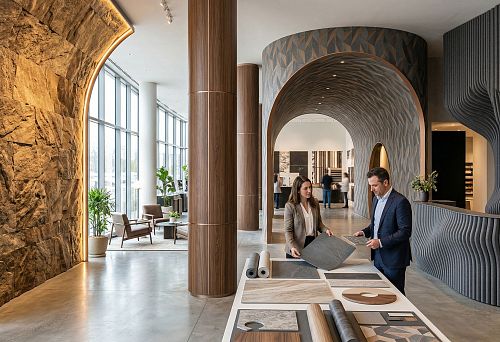
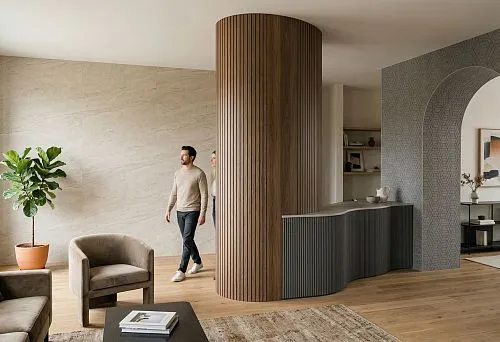
Modern Design: Modern designers find ways to integrate wood carving into minimalist and contemporary interiors, creating a contrast between traditional art and modern lines. This combination brings a sense of luxury and warmth into the space while maintaining the purity and simplicity of modern style.
Wood carving is not just a craft, but also an art form that continues to evolve and adapt to modern requirements and tastes. It remains relevant and in demand, offering boundless opportunities for creativity and self-expression. Wood carving in interior design not only decorates, but also brings into every room a part of the craftsman's soul, making each home unique and irreplaceable.
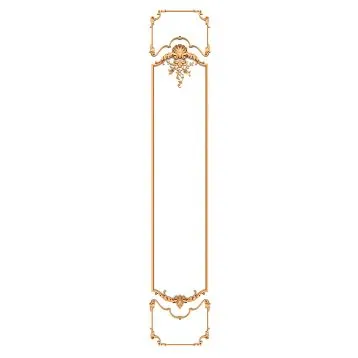
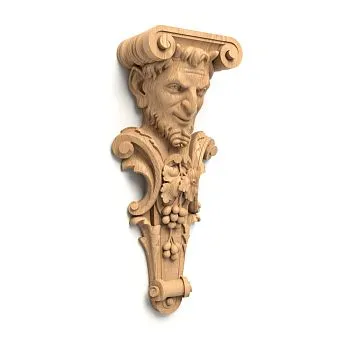
Our Company Stavros is a bright example of how traditional art can combine with modern trends. Creating unique carved appliqués, moldings, frames, brackets, legs, etc., Stavros demonstrates high craftsmanship and attention to detail. Using both classical carving methods and the latest technologies, the company pays special attention to the quality and eco-friendliness of materials.
Stavros products are distinguished not only by beauty and elegance, but also by functionality, bringing a unique character and atmosphere to every interior. Whether carved legs for furniture or decorative frames, each element is produced taking into account the latest design trends and the best traditions of craftsmanship.
Stavros, following its philosophy, offers items that become not just part of the interior, but its soul, highlighting the individuality and taste of the owner. This combination of tradition and innovation, classic and modern, makes wood carving eternally relevant and in demand in any space.