Article Contents:
- Introduction: The Significance of Wooden Planks in Modern Design
- Early Stages
- Traditional Crafts
- Modern Stage
- Natural beauty and uniqueness
- Ecological safety
- Strength and durability
- Universality of application
- Raw Material Selection
- Wood drying
- Cutting and Shaping
- Sanding and Surface Treatment
- Application of Protective Coatings and Lacquering
- Wall Finishing
- Decorative Panels and Accents
- Furniture and Decorative Elements
- Architectural Details
- Examples of Successful Interior Solutions
- Individual designer solutions
- Proper Cleaning
- Treatment with Protective Compounds
- Climate Condition Control
- Durability of Products
- Ecological Properties of the Material
- Energy efficiency
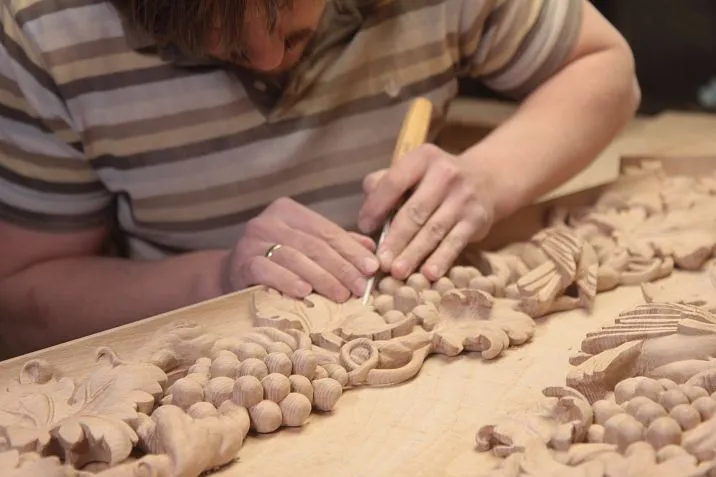
Wood has been and remains a symbol of natural beauty, strength, and warmth. One of the unique elements of wooden finishing is wooden planks – thin strips capable of dramatically transforming an interior, giving it elegance, dynamism, and a refined style. In this article, we will thoroughly discuss wooden planks as a material, examine their history, manufacturing technology, advantages, application areas, and care specifics. Special attention will be given to modern processing technologies, thanks to which wooden planks achieve high quality and aesthetic expressiveness. You can view the product range at the link:Wooden rails


Introduction: The Significance of Wooden Planks in Modern Design
Modern interiors require not only functional but also visually appealing solutions. Wooden planks have become an excellent choice for those who appreciate natural materials and wish to bring warmth and coziness into their space. They can be used as a standalone decorative element or as part of a complex composition that unites various finishing elements.
Using wooden planks allows:
● Add textural variety and dynamism to the interior;
Highlight architectural features of rooms;
Create a smooth transition effect between different zones;
Emphasize the individuality and style of the space.
History and Traditions: Evolution of Wood Use in Finishing




Early Stages
The use of wood for interior finishing has deep historical roots. Even in ancient times, craftsmen used wood to create functional and decorative elements. The first planks, as the simplest finishing elements, were used to reinforce structures, and over time they acquired an aesthetic function.
Our factory also produces:


Traditional Crafts
Over centuries, traditional wood processing technologies have been refined. Handcrafted work by artisans allowed the creation of exquisite patterns and ornaments, passed down from generation to generation. Wooden planks, crafted using hand carving and sanding, became an essential part of luxurious interiors of palaces, noble homes, and temples.
Get Consultation
Modern Stage
Modern production of wooden planks combines centuries-old traditions with innovative technologies. Thanks to modern automated cutting, sanding, and finishing methods, it is now possible to create items with high precision and perfect alignment with the designer's concept. Modern wooden planks not only exhibit aesthetic expressiveness but also enhanced strength, durability, and versatility of application.
Advantages of Using Wooden Planks
Natural beauty and uniqueness
Natural wood possesses an unparalleled texture, rich palette of shades, and natural patterns that cannot be reproduced with synthetic materials. Each plank is a unique natural artwork capable of bringing its own individuality and warmth to an interior. Thanks to its natural texture, wooden planks create a sense of liveliness and dynamism, giving the space an organic and natural appearance.
Ecological Safety
One of the key advantages of wooden materials is their ecological purity. Unlike synthetic materials, natural wood does not emit harmful substances, does not negatively affect the microclimate of a room, and contributes to creating a healthy atmosphere. This is especially important in modern conditions, when care for ecology and health has become a priority.
Strength and durability
High-quality wooden planks possess high strength and resistance to mechanical damage. With proper care and protection, natural wood can retain its properties for decades, making it an excellent choice for interior finishing with high demands for longevity.
Versatility of application
Wooden planks can be used in various styles and interiors — from classic to modern minimalist solutions. They can be used for wall and ceiling finishing, creating decorative panels, decorating niches, and even as furniture elements. The versatility of the material allows easy integration into any design, highlighting the individuality and taste of the owner.
Production Technologies of Wooden Planks
Raw Material Selection
Quality production begins with the proper selection of raw materials. For making planks, wood from species such as oak, beech, ash, or cherry is used. Each species has its unique properties: color, texture, density, and strength. The quality of the wood directly affects the final result — the better the raw material is selected, the longer-lasting and more beautiful the finished product will be.
Wood Drying
After selection, the wood undergoes a drying process to reduce its moisture content to an optimal level. This is a crucial stage, as improper drying can lead to deformation, cracking, or mold growth in the finished product. Modern drying methods, such as vacuum drying or controlled temperature and humidity drying chambers, allow achieving a stable result.
Cutting and Shaping
The next stage involves cutting the wood into required blanks. Modern laser and machine technologies allow performing this process with high precision, minimizing material waste. Wooden planks are shaped according to design requirements — they can be made as thin, elegant strips or have a more substantial structure, depending on the intended application.
Sanding and Surface Treatment
After cutting, blanks are sanded to remove irregularities and create a smooth surface. High-quality sanding is essential for even application of protective and decorative coatings, which is especially important for items where every detail is visible. Modern sanding machines allow achieving perfect smoothness, making the plank’s surface both tactilely pleasant and visually appealing.
Application of Protective Coatings and Lacquering
On the final stage, the wood is treated with protective compounds. Natural oils, lacquers, and waxes not only enhance the natural texture and color of the material but also create a protective layer that prevents damage from moisture, ultraviolet rays, and mechanical impacts. Thanks to modern coating application technologies, finished planks retain their original appearance and aesthetic appeal for many years.
To view the range and quality of modern wooden planks, visit:
Wooden rails
Application of Wooden Planks in Interior Design
Wall Finishing
One of the most popular applications of wooden planks is wall finishing. They can be used as a primary decorative element or in combination with other materials such as plaster or decorative panels. Planks allow creating a "living wall" effect, where each plank highlights the natural beauty of wood, giving the space a unique character and depth.
Decorative Panels and Accents
Wooden planks can serve as a base for creating decorative panels. Such panels are used to decorate niches, columns, interior partitions, and even furniture. Thanks to the ability to combine different wood species and shades, designers can create unique compositions reflecting the owner's individual style. Accent use of planks allows highlighting certain areas in the interior, giving them expressiveness and uniqueness.
Furniture and Decorative Elements
In addition to wall finishing, wooden planks are actively used in furniture production. They can be found as decorative inserts on cabinet facades, tables, chairs, and other furniture. The unique texture and natural sheen of wood give furniture an exclusive look, making it a source of pride and a decoration for any interior.
Architectural details
Architectural applications of wooden planks include creating complex decorative elements—from ceiling finishes to arches and columns. Due to their versatility, planks can be used in both classical and ultra-modern interiors, adding dynamism and style to the space. Their lightness and strength allow integration into any structural solution while preserving aesthetic integrity and functionality.
Design Projects Using Wooden Planks
In recent years, there has been a growing popularity of natural materials in interior design. Many architects and designers prefer using wooden planks in their projects due to their versatility and aesthetic appeal. Here are some examples of successful projects:
In recent years, there has been a growing popularity of natural materials in interior design. Many architects and designers prefer to use wooden planks in their projects due to their versatility and aesthetic appeal. Here are several examples of successful projects:
● Classical Interiors: In such projects, planks serve to create accent walls, where they harmoniously combine with carved decorative elements, baseboards, and cornices. Natural wood adds warmth and elegance to the room.
● Modern Minimalist Solutions: In minimalist-style interiors, wooden planks are used to create thin lines and accent zones. Their simplicity and natural texture emphasize the purity of forms and spaciousness of the rooms.
● Eco-Design: In projects focused on ecological purity and connection with nature, wooden planks become the primary finishing element, highlighting the naturalness and organic character of the space.
Individual Design Solutions
The modern market offers a wide variety of wooden planks, enabling even the most daring design ideas to be realized. Each project can be customized to meet specific client requirements—from selecting wood species to color and texture. Personalization and customization allow creating unique decorative elements reflecting the owner's individual style and character.
To maintain the original appearance of wooden planks, it is necessary to regularly clean them from dust and dirt. Use gentle cleaning agents and non-abrasive cloths to avoid damaging the protective coating. Regular cleaning helps preserve the brightness and saturation of the wood's color and prevents dust accumulation in small details.
Proper cleaning
Periodic treatment of planks with natural oils or waxes helps preserve their appearance and longevity. Such compositions create an additional protective layer that prevents exposure to moisture, ultraviolet rays, and mechanical damage. It is recommended to perform treatment at least once a year to maintain optimal conditions for the wood.
Protective Treatment
Wood is a sensitive material, so to preserve it, it is important to maintain a stable microclimate in the room. Avoid sudden temperature and humidity changes, as this may lead to deformation or cracking. Regularly ventilate the room and use humidifiers or dehumidifiers as needed.
Climate condition control
Economic Efficiency and Ecological Sustainability
Economic efficiency and ecological sustainability
Product longevity
One of the main advantages of wooden planks is their durability. With proper care, wooden items retain their properties for decades. This reduces costs for repairs and updates of finishes, making investment in quality planks economically beneficial.
Natural wood is an eco-friendly material that does not emit toxic substances and contributes to creating a healthy atmosphere in the room. Using wooden planks not only enhances the aesthetic appeal of the interior but also helps reduce the carbon footprint, promoting sustainable development.
Wooden products have high thermal and acoustic insulation properties, which help reduce heating and air conditioning costs. Natural wood helps maintain an optimal microclimate, making it an attractive choice for modern eco-oriented projects.
Energy Efficiency
Conclusion: Art and Innovation in the World of Wooden Planks
Conclusion: Art and innovation in the world of wooden planks
Wooden planks represent a unique combination of traditional craftsmanship and modern technologies, enabling the creation of items possessing genuine beauty, strength, and functionality. Natural wood used to manufacture planks not only decorates interiors but also creates a healthy, eco-friendly environment, contributing to improved quality of life.
Modern technologies allow achieving high precision in processing, while innovative methods of applying protective coatings guarantee the longevity of the products. Wooden planks can be used in various interiors—from classical to minimalist, residential to commercial—making them a universal and sought-after finishing element.
When choosing wooden planks, it is important to pay attention to the quality of raw materials, processing technologies, and compliance with ecological safety standards. Only high-quality products can give the interior a unique character, highlight individuality, and ensure long-lasting finishes.
Each element, whetherapplied decor, Wooden skirting boards, Wooden beams, wooden moldings, wooden beams, Wooden rails orWooden angles, fulfills its role in creating a harmonious and stylish interior, where every detail matters.
In conclusion, wooden planks are not just a finishing element, but a true art form that combines tradition, innovation, and love for natural materials. They allow creating a unique space filled with warmth, comfort, and genuine aesthetics. Investing in quality wooden products not only decorates your home but also contributes to creating an eco-friendly and healthy environment.
May your space be filled with natural beauty, and every finishing element, whether planks or other decorative components, become a symbol of refined taste and pursuit of perfection. Modern technologies and traditional craftsmanship make wooden planks an indispensable element in the world of design, opening boundless opportunities for creativity and realization of the boldest ideas.
For detailed information about wooden planks and their assortment, we recommend visiting the link:
Wooden rails
Thus, using wooden planks for wall finishing is an effective and aesthetic solution capable of transforming any room, bringing harmony, warmth, and natural beauty into it. Carefully selected natural materials, high-precision processing technologies, and attention to detail allow creating an interior that will delight the eye and serve for many years.
Get Consultation

Wooden Bracket KR-067
from 59.19 $

● Universality. The wooden trim K-017 is suitable for any style and room, whether it's a living room, bedroom, office, kitchen, bathroom, or hallway. The wooden trim K-017 can be used for various purposes and tasks, such as framing, cladding, decorating, or zoning. The wooden trim K-017 easily complements other decorative elements, creating a harmonious and cohesive look.
from 22.74 $
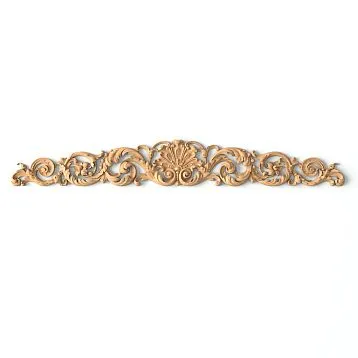
Wooden decor N-359
from 122.57 $
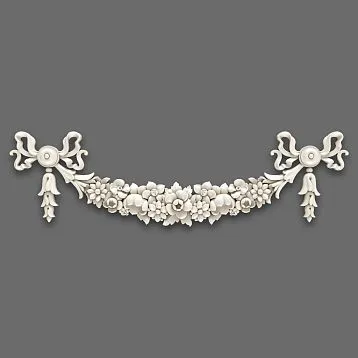
Relief Decor NPU-043
from 63.26 $