Article Contents:
- Significance and Functionality of Wooden Plank Skirting
- History and Traditions of Using Skirting in Wooden Finishing
- Modern Production and Processing Technologies
- Subtleties of Choosing Skirting for Wooden Plank Finishing
- Installation technology: from preparation to finishing
- Surface Preparation
- Marking and Planning
- Mounting rails
- Final finishing
- Creating Visual Harmony
- Possibilities of Combining with Other Elements
- Adaptation to Different Interior Styles
- Regular Cleaning
- Updating the Protective Layer
- Humidity and Temperature Control
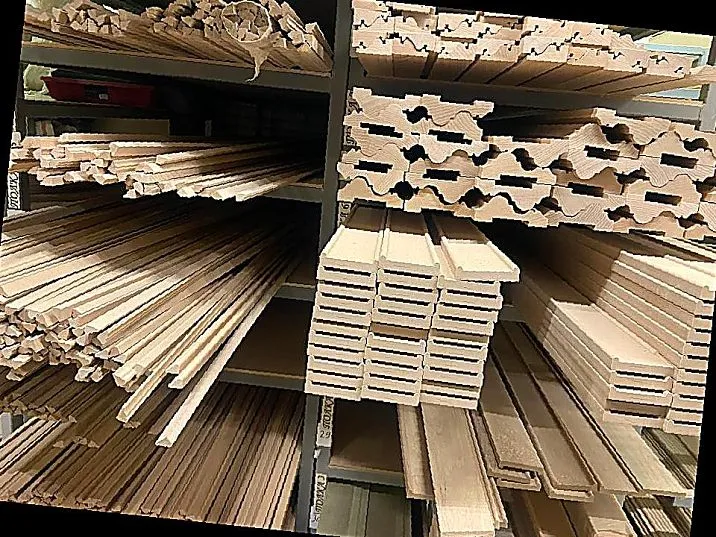
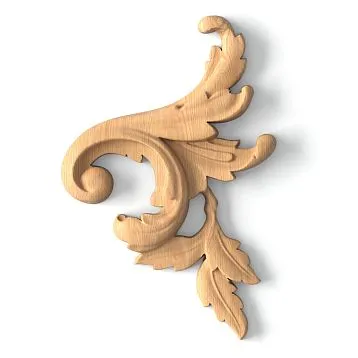
Wooden interior finishing has long been synonymous with coziness, warmth, and natural beauty. At the heart of this artistic process lies a thoughtful combination of functional and decorative elements, one of which iswooden plank skirtingThis element plays a key role in creating harmonious transitions, concealing joints, and giving any interior a finished look, whether it's a classic house, a modern apartment, or a country cottage.
The skirting used in wooden plank finishing is not just a connector of individual panels; it becomes a kind of 'frame' element that unifies the entire composition. In this article, we will thoroughly examine what specifically distinguishes high-quality skirting for plank finishing, what advantages it offers, and why such an element should be present in every wooden finishing project. We will touch upon the history of its application, modern production and processing technologies, as well as discuss the subtleties of installation and maintenance of this product.


Significance and Functionality of Wooden Plank Skirting
Skirting is a narrow strip used to decorate joints between elements of wooden plank finishing. Its main task is to create a smooth transition between boards, which not only improves the appearance but also ensures reliable protection against moisture, dust, and other negative influences. It is important to understand that the aesthetics of a wooden interior largely depend on small details: a properly selected and installed skirting can transform the entire design of a room.
The effect of using wooden plank skirting is immediately noticeable:
● Sealing joints. By concealing gaps between boards, skirting prevents moisture penetration, significantly extending the lifespan of the finishing. Moisture entering the structure can lead to deformation, mold formation, and material decay. Thanks to skirting, the risk of such problems is reduced to a minimum.
● Protection against mechanical damage. At joints, wooden boards are most vulnerable to impact loads. Skirting provides additional protection by evenly distributing mechanical impacts across the entire surface.
● Aesthetic completion. When properly chosen, skirting becomes a crucial decorative element. It helps create a visually harmonious space where every detail is in its place, and transitions between finishing elements look neat and finished.
Usage wooden plank skirting It allows achieving not only practical but also aesthetic results, which is especially important for modern designers striving to create interiors where functionality and high artistic quality are combined.




The use of wooden skirting for interior finishing has a multi-century history. In traditional wooden architecture, special attention was paid to details that not only performed practical functions but also expressed the craftsmanship and artistic taste of artisans. Skirting was always used as a way to conceal construction flaws, unite individual finishing elements, and give the building individuality.
Over time, methods of wood processing and installation have undergone significant changes, but the core idea has remained the same — to create a harmonious space where each element plays its role. Today, modern technologies allow producing skirting with maximum precision and quality, and natural wood treated with modern protective compounds retains its beauty and functionality for decades.
Over time, methods of processing and installing wood have undergone significant changes, yet the core idea remains the same — to create a harmonious space where each element plays its part. Today, modern technologies allow manufacturing planks with maximum precision and quality, while natural wood treated with modern protective compounds retains its beauty and functionality for decades.
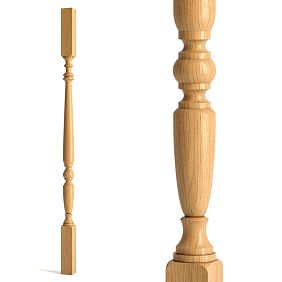
Our factory also produces:



Modern Production and Processing Technologies
Producing skirting for wooden plank finishing is a complex, multi-stage process requiring highly skilled specialists and the use of innovative equipment. Modern wood processing methods allow achieving ideal material uniformity, strength, and resistance to external influences.
Special attention is paid to quality at every stage of production:
● Wood drying. Before the wood is processed, it undergoes a careful drying process. This reduces moisture content, minimizing the risk of deformation and cracking of the finished product in the future.
● Precise cutting and sanding. Using modern laser and computerized machines, the board material is cut with maximum accuracy. This ensures that each board perfectly matches in size and shape, which is crucial for high-quality installation.
● Protective coating treatment. To enhance durability and resistance to external influences, the wood is coated with special finishes—varnish, oil, or paint. This not only improves the appearance but also protects the material from moisture, ultraviolet radiation, and mechanical damage.
These technologies allow creating a product that does not fall short in quality compared to handcrafted solid wood items, yet it possesses stable characteristics and a high degree of standardization. Thus, wooden board siding becomes an indispensable part of quality finishing, meeting the strictest requirements of modern designers and builders.
Get Consultation
Subtle nuances of selecting boards for wooden siding
When selecting boards, it is important to consider several key factors to ensure the product fits perfectly into the overall interior and meets all operational requirements.
1. Type of wood.
The natural wood used to manufacture boards must be of high quality, free of knots, cracks, and other defects. Often, pine, spruce, or larch are chosen, each with its own characteristics and advantages. It is important that the wood's texture and color harmonize with the main siding, creating a unified, cohesive space.
2. Size and shape.
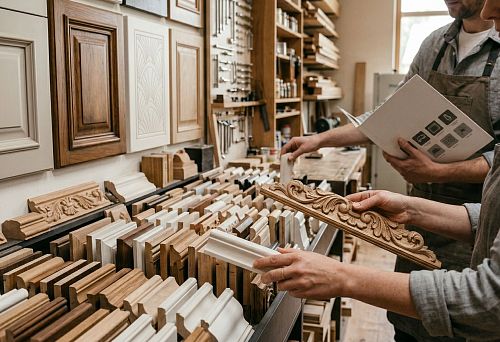
The board must match the size and shape of the siding boards. If the gaps between panels are too large, a wider board will be needed to ensure secure coverage and visual harmony. The shape of the boards can vary from classic straight profiles to decorative ones with carved elements or beveled edges—the choice depends on the interior style and personal preferences.
3. Processing method.
Wood processing plays no less important a role than its selection. Boards may be coated with varnish to create a glossy, scratch-resistant surface or treated with oil, which highlights the natural texture and imparts a matte, warm tone. Some products may have a combined coating, allowing for an optimal balance between aesthetics and material protection.
4. Fastening and compatibility with siding.
The board must be compatible with the fastening system used during siding installation. This ensures a secure and durable connection between elements, preventing delamination and deformation of the structure under changing climatic conditions.
Choosing qualitywooden plank skirting, you are investing in the longevity and beauty of the interior, where every detail contributes to creating harmony and comfort.
Installation technology: from preparation to final finishing
Correct installation of boards is the guarantee of an impeccable appearance and long-term durability of wooden finishing. Whether you plan to install it yourself or hire professionals, understanding the basic stages of the process will help achieve an ideal result.
Surface preparation
The first stage is preparing the base on which the siding and boards will be installed. Walls or ceilings must be flat, clean, and dry. Any irregularities or defects must be eliminated using putty and sanding. A well-prepared surface ensures that the board will be securely fastened and will not deform in the future.
Marking and planning
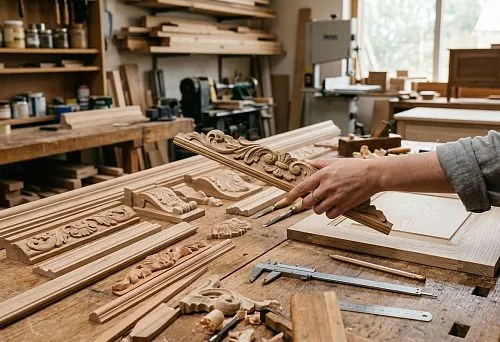
Using a level, tape measure, and pencil, precise markings are made for the installation locations of the boards. It is important to consider not only aesthetic aspects but also functional ones—each board must cover the gaps between siding boards, ensuring airtightness and long-term durability of the structure. Accurate marking helps avoid errors and creates a perfectly aligned decorative element.
Board fastening
Fastening elements are a crucial part of the installation process. Special screws, nails, or construction adhesive are used to secure the boards. When selecting fasteners, attention should be paid to their quality and compatibility with wood. Optimal fastening not only ensures structural reliability but also avoids visible fastener marks that may disrupt the aesthetic integrity of the finish.
Final finishing
After installing the boards, the surface is subjected to final finishing. This may include sanding, polishing, and applying a protective coating. The chosen coating—whether varnish, paint, or oil—not only enhances the appearance of the product but also protects it from moisture, ultraviolet radiation, and mechanical damage. Final finishing gives the interior a polished look, where every detail reflects high quality and attention to detail.
Decorative possibilities and aesthetics
Modern interior designers prefer natural materials, and wooden finishing occupies a central place in this process. A board for wooden siding is not just a functional element but a true accent capable of transforming any interior.
Creating visual harmony
When properly selected in color, texture, and shape, the board can become a central design element. By concealing gaps between boards, it creates the impression of a seamless, monolithic surface, where each element harmoniously integrates into the overall concept. The play of light and shadow on natural wood, enhanced by proper finishing, adds additional depth and dimension to the interior.
Possibilities of combining with other elements
Rafter for wooden siding can be successfully combined with casings, moldings, and baseboards, allowing the creation of complex decorative compositions. This comprehensive approach helps establish a unified architectural line, where all elements work toward achieving a common goal — creating a space dominated by warmth, naturalness, and thoughtful details. At the same time, each detail, whether the rafter or the main finishing material, highlights the individuality and uniqueness of the interior.
Adaptation to various interior styles
From classic to modern minimalism — wooden siding is versatile and adaptable. In classic interiors, it can serve as a decorative element with elegant carving and intricate patterns, emphasizing the richness of traditions and craftsmanship. In modern solutions, where clean lines and minimalist forms prevail, the rafter acts as a strict yet expressive accent, adding warmth and coziness to the space.
Care and maintenance of original appearance
Natural wood requires regular care to preserve its aesthetic and functional properties. Like other wooden finishing elements, the rafter needs timely cleaning and renewal of protective coating.
Regular cleaning
To maintain cleanliness, it is recommended to periodically wipe the surface with a soft dry or slightly damp cloth. Avoid aggressive cleaning agents that may damage the protective coating. Maintaining cleanliness helps preserve the natural wood texture and prevents dust and dirt accumulation, which may negatively affect the appearance of the item.
Updating the Protective Layer
Over time, varnish, oil, or paint may lose their properties. Regular renewal of the protective coating is a mandatory condition for the longevity of wooden items. Applying a new layer of protective agent not only refreshes the appearance but also provides additional protection against moisture, ultraviolet rays, and other external factors.
Humidity and temperature control
Natural wood is sensitive to changes in humidity and temperature. A stable microclimate in the room helps preserve the original characteristics of the finish. It is recommended to use humidifiers during winter and ensure proper ventilation, which will help avoid shrinkage or cracking of the material.
Practical recommendations for professionals and enthusiasts
To achieve a flawless result when usingwooden plank skirting in finishing, it is important to follow several recommendations:
● Choose high-quality material. Do not economize on raw materials — premium wood, subjected to strict quality control, will be a guarantee of longevity and aesthetic appeal of the item.
● Thorough preparation of the base. Regardless of whether you are installing it yourself or hiring professionals, it is essential that the surface is perfectly flat, clean, and dry.
● Professional tools and fasteners. Using high-quality fasteners and modern tools ensures precise installation and secure attachment of the rafters.
● Adherence to installation technology. Each stage — from marking to final finishing — must be performed with great care, ensuring the longevity and flawless appearance of the structure.
● Regular maintenance. Do not forget about prevention: timely cleaning, renewal of protective coating, and monitoring of microclimate will allow you to preserve the beauty of the item for many years.
These recommendations will help both professionals and enthusiasts achieve an ideal result, transforming the finishing process into a true creative journey.
The role of rafters in creating a unique interior
Wooden siding rafter — this is not just a technical element, but also part of the overall design concept. It helps integrate traditional motifs into modern spaces, creating an interior where every element contributes to achieving overall harmony. Natural wood used to make the rafters imparts a unique charm to the room, reflecting warmth and authenticity.
When skillfully combined with other decorative elements such as moldings, cornices, and baseboards, the rafter becomes a central element, highlighting the individuality and refined taste of the owner. This accent can serve as a starting point for further design experiments, allowing the creation of interiors that are not only functional but also emotionally charged.
Conclusion
Usagewooden plank skirting — this is a guarantee of creating an interior where traditional finishing methods meet modern processing and installation technologies. This is not just an element that covers gaps between boards, but a true work of art capable of highlighting the natural beauty of wood, ensuring durability, and creating an atmosphere of comfort and harmony.
Quality wooden finishing — this is an investment in health, comfort, and aesthetic pleasure. When selecting materials, it is important to focus on quality, ecological purity, and product technology. Modern processing methods allow achieving an ideal result, where every detail — whether the rafter, siding, or other decorative elements — plays its role in creating a unique space.
May your home become a place where every detail speaks of care, attention, and love for natural materials. Approach the selection, installation, and maintenance of wooden finishing with care, and you will receive not only a beautiful but also functional space, capable of delighting your eyes and soul for many years. May your apartment, house, or cottage be filled with light, warmth, and harmony, and every visit to your home inspire inspiration and satisfaction from the work done.
Thus,wooden plank skirting — this is an indispensable part of quality wooden finishing, combining practicality and aesthetics in one item. It conceals imperfections, protects against adverse factors, and highlights the uniqueness of each interior. Choose the best, apply modern technologies, and create a space where every detail tells a story of love for traditions and pursuit of perfection.
May your choice be thoughtful and well-considered, and the result — long-lasting, beautiful, and functional. Because a home finished with natural wood will always be a source of warmth, inspiration, and joy.